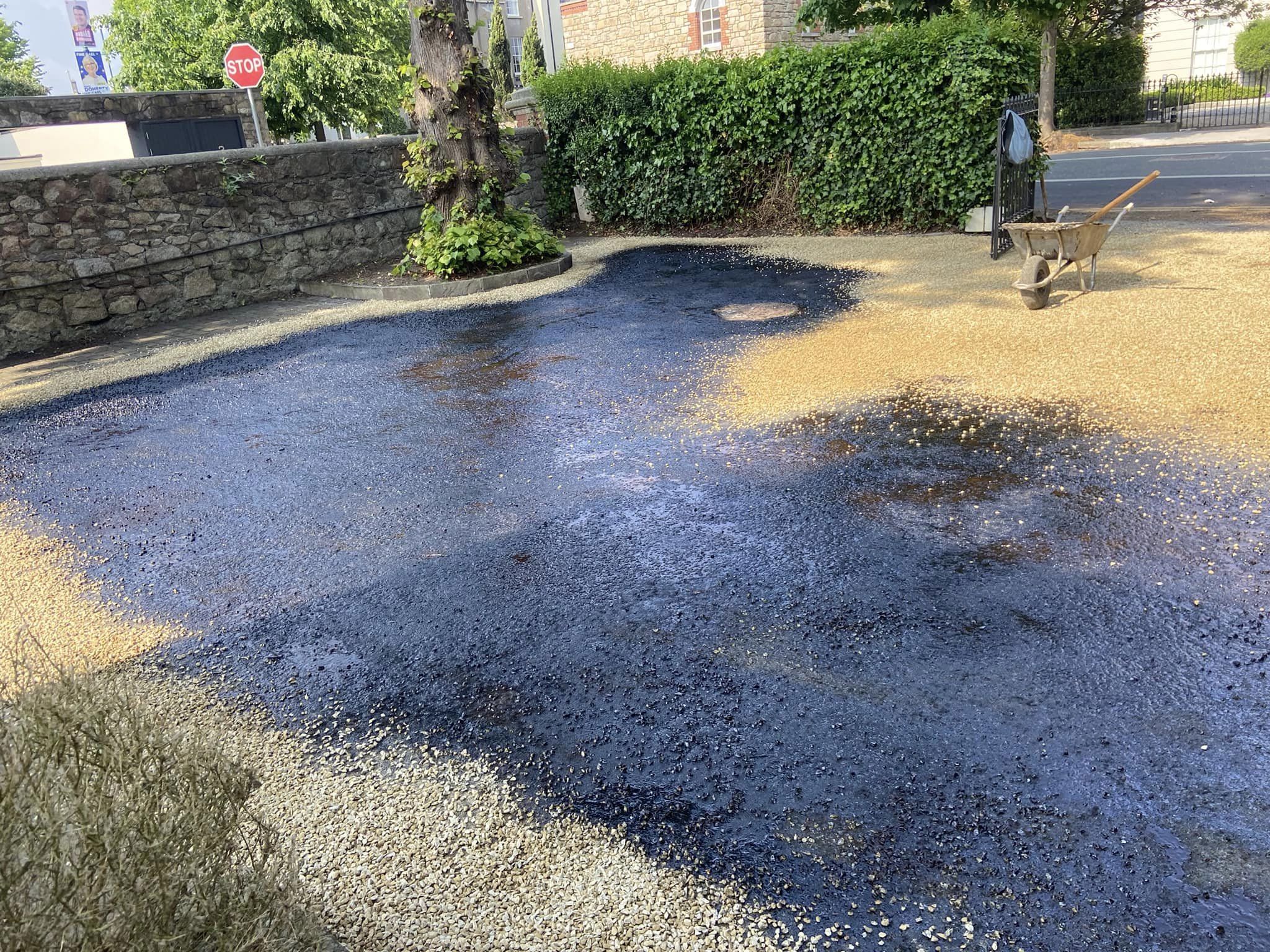
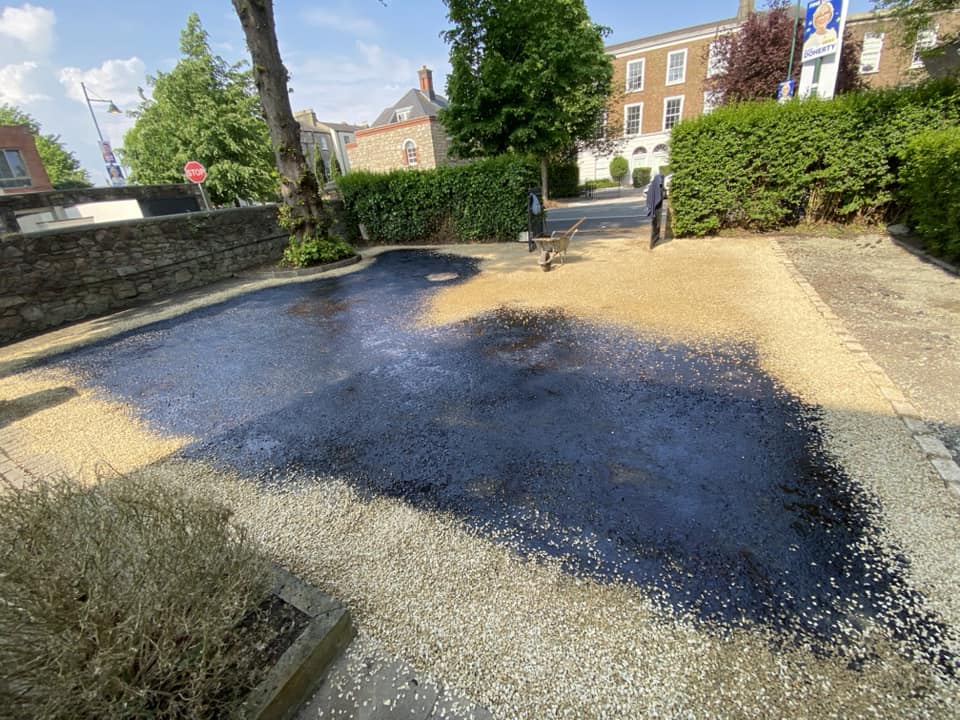
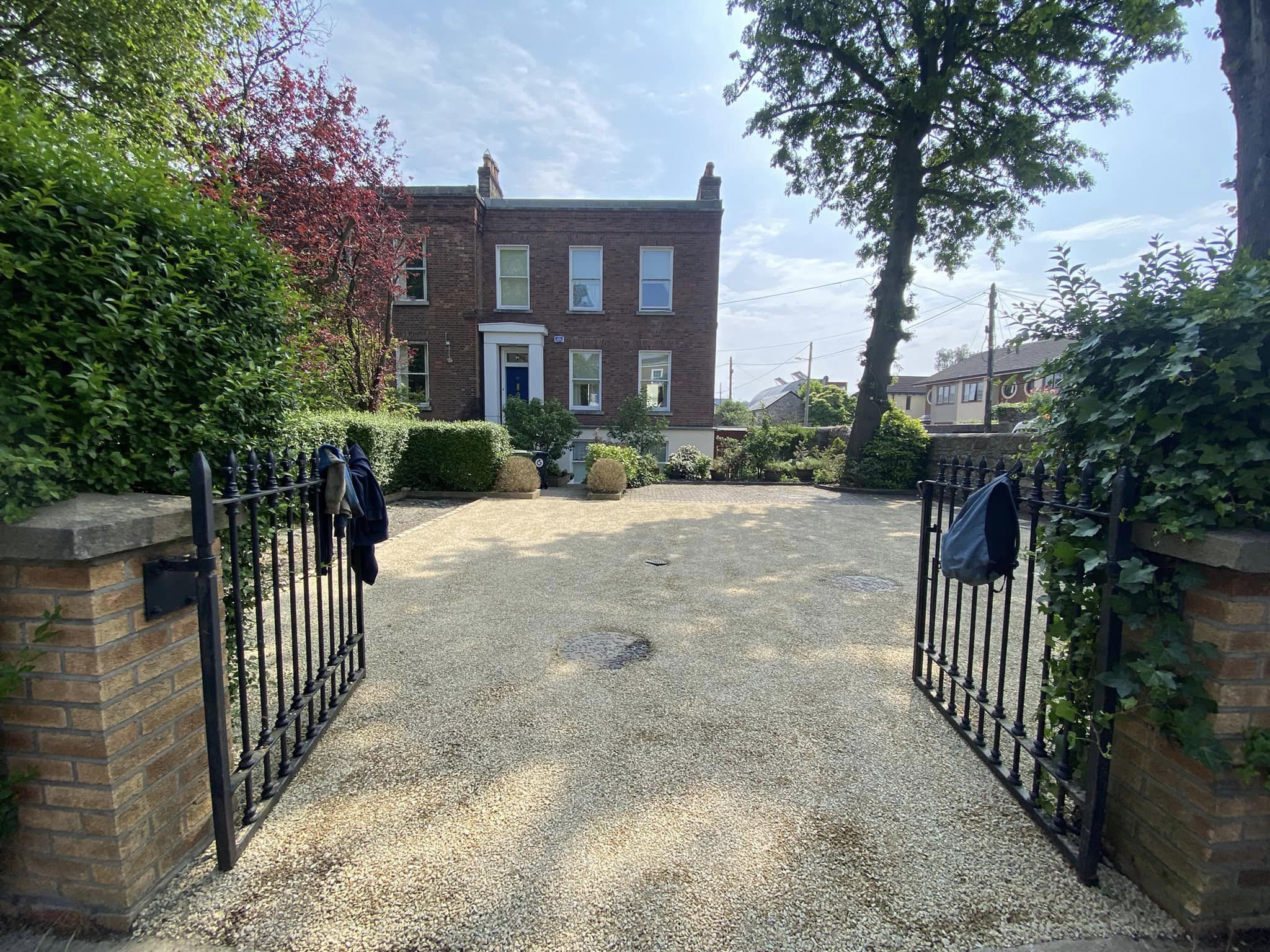
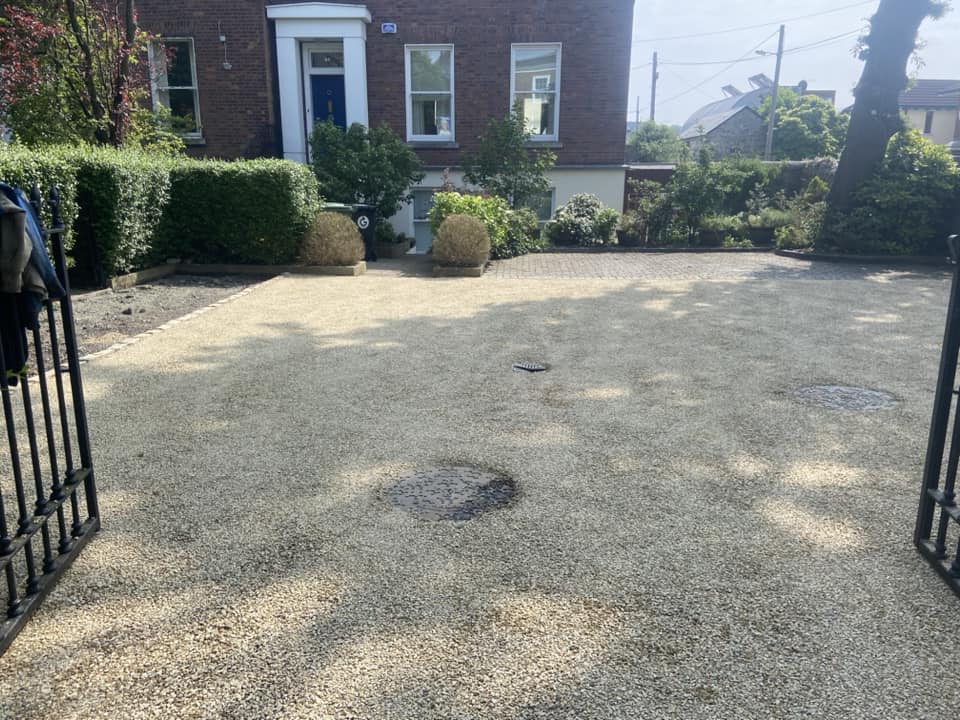
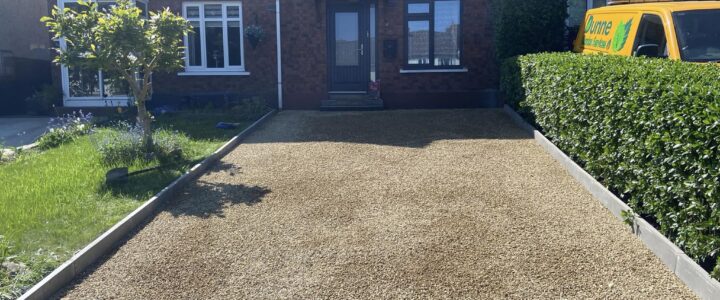
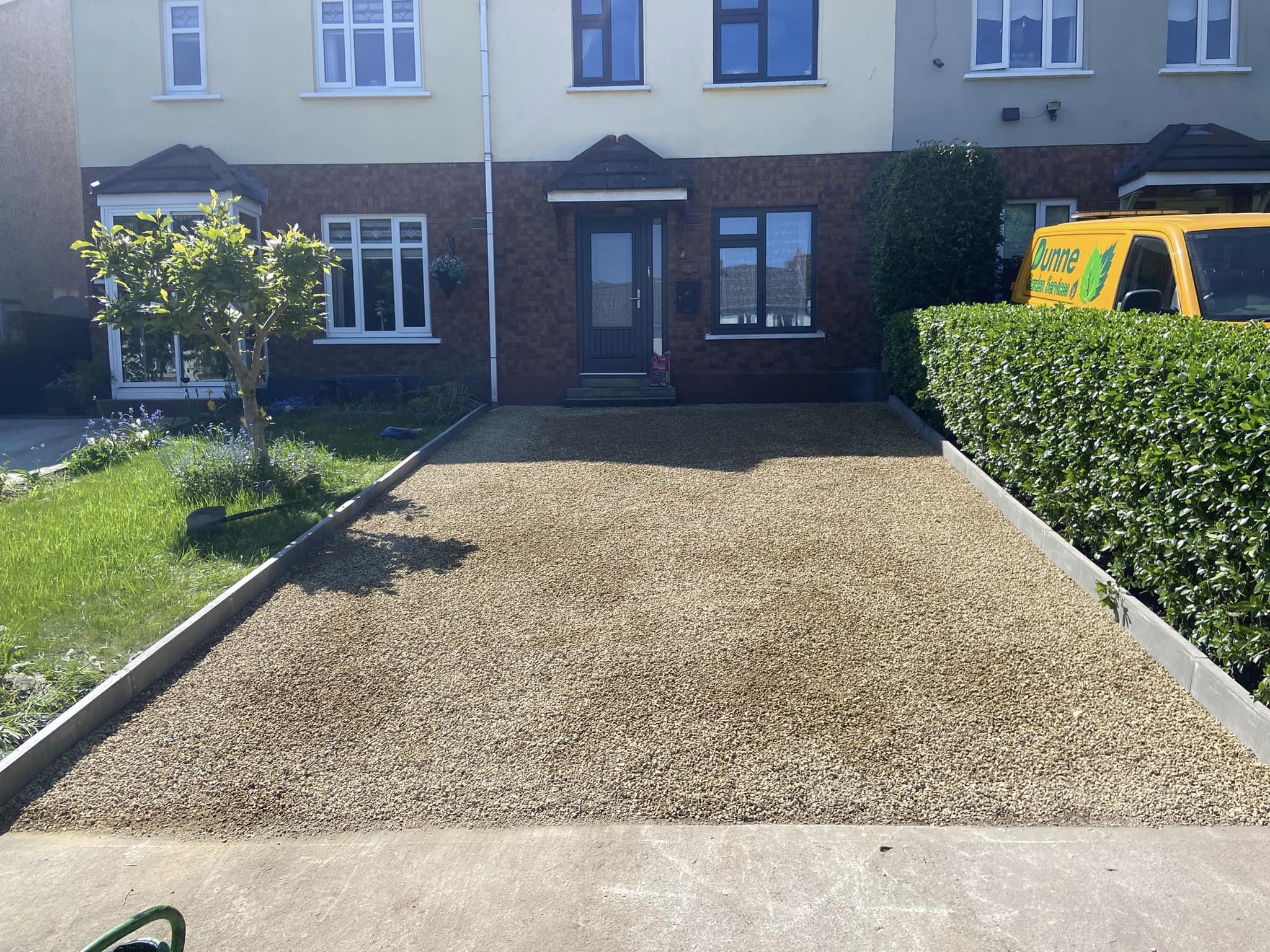
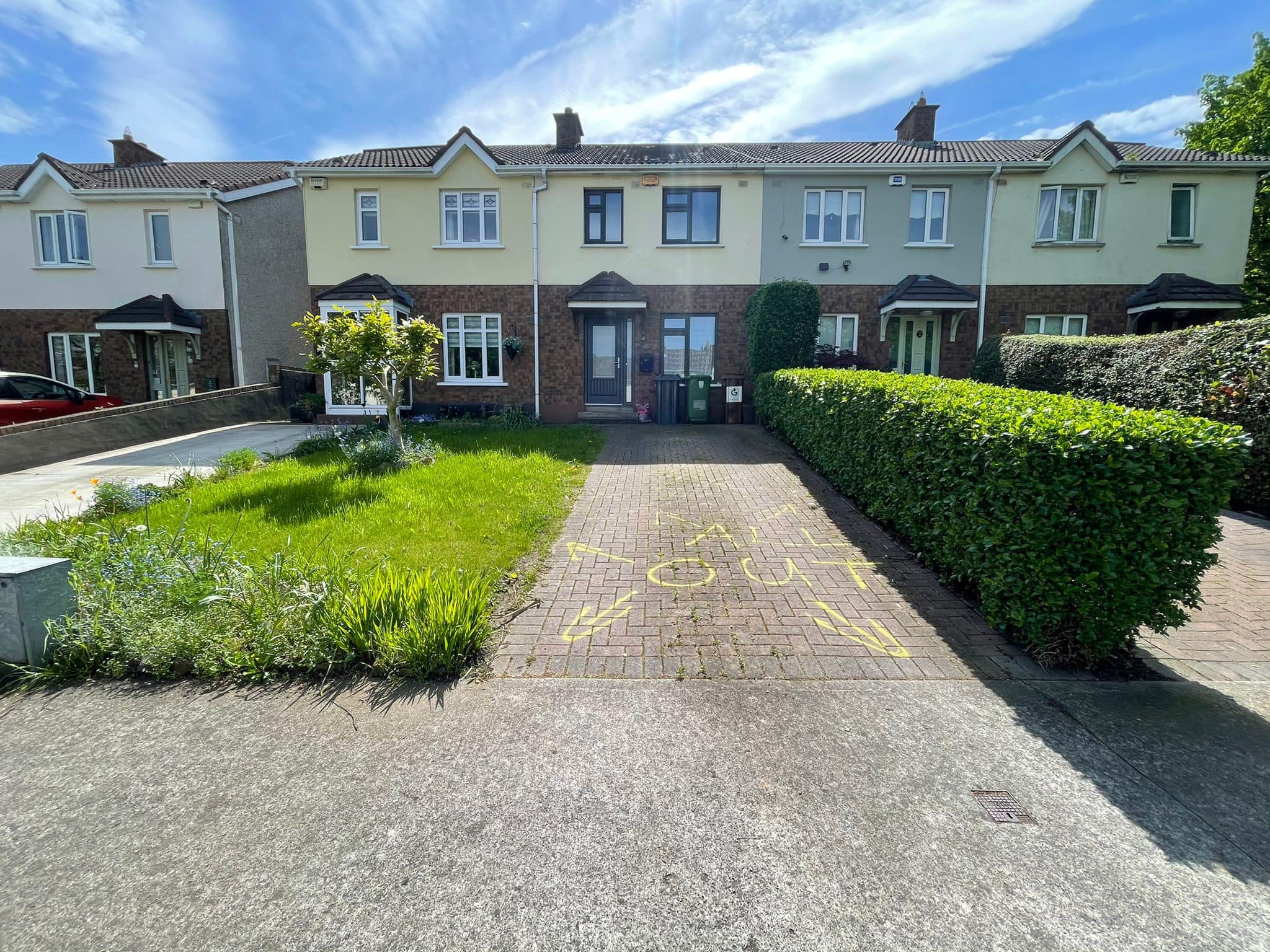
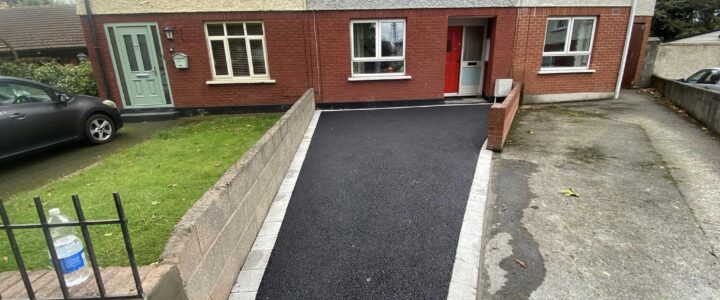
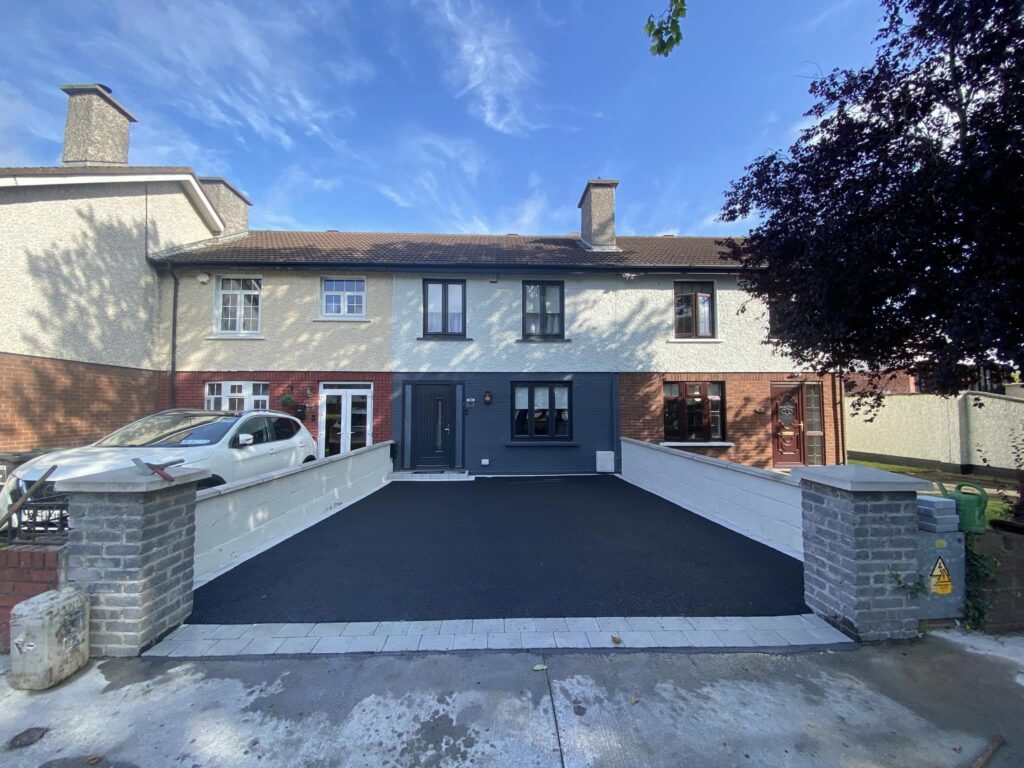
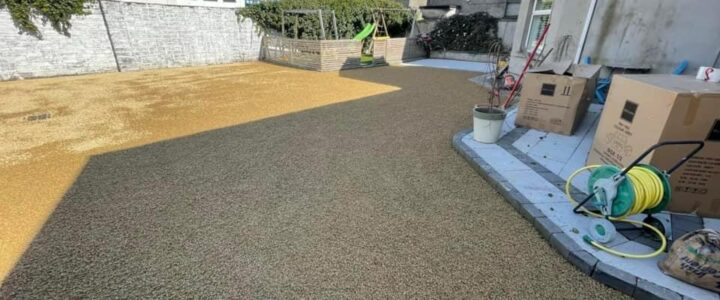
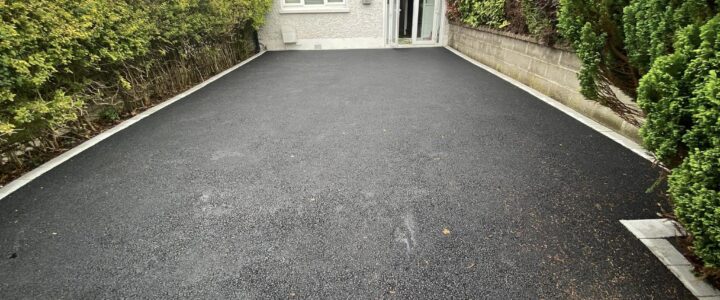
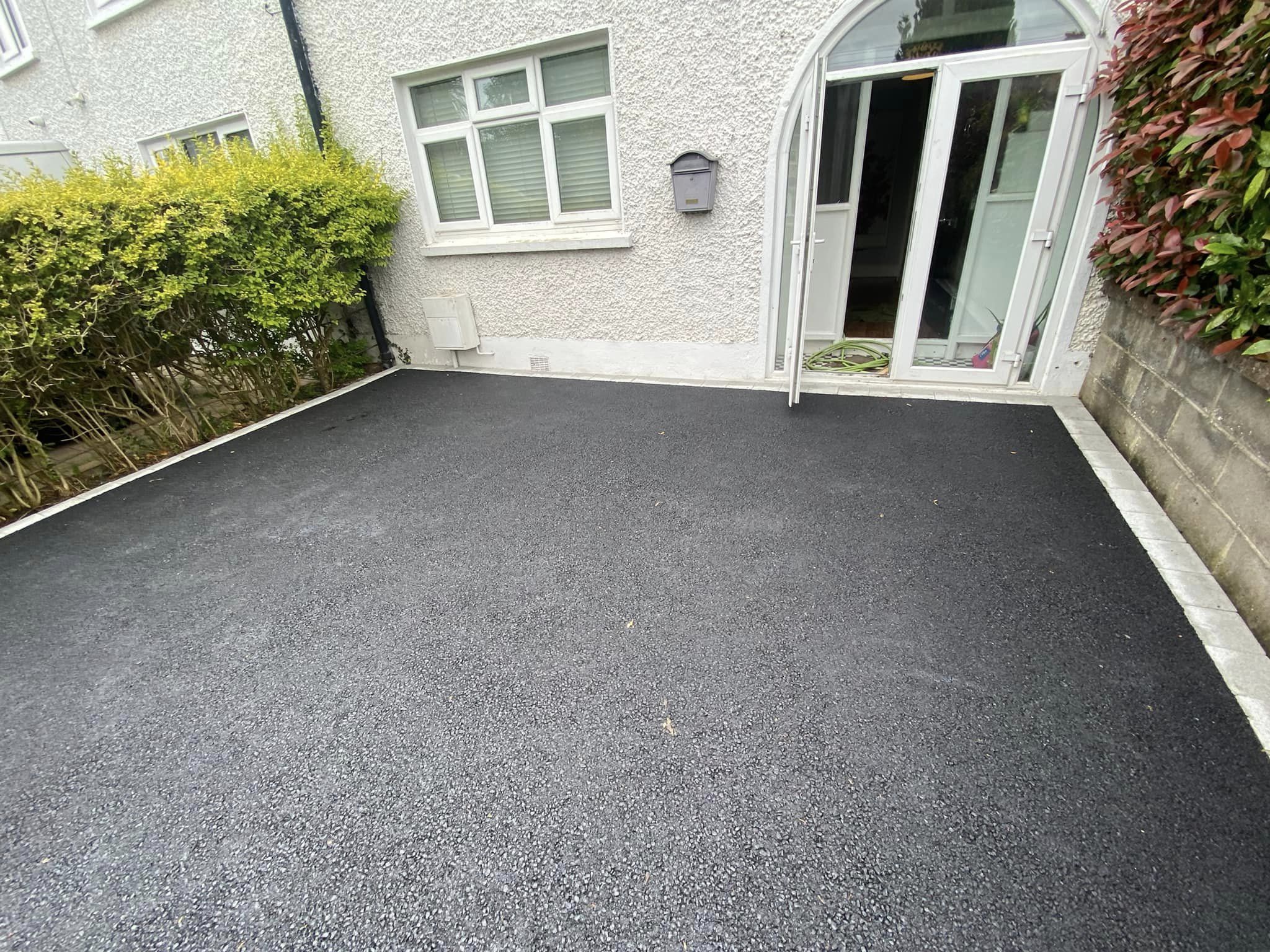
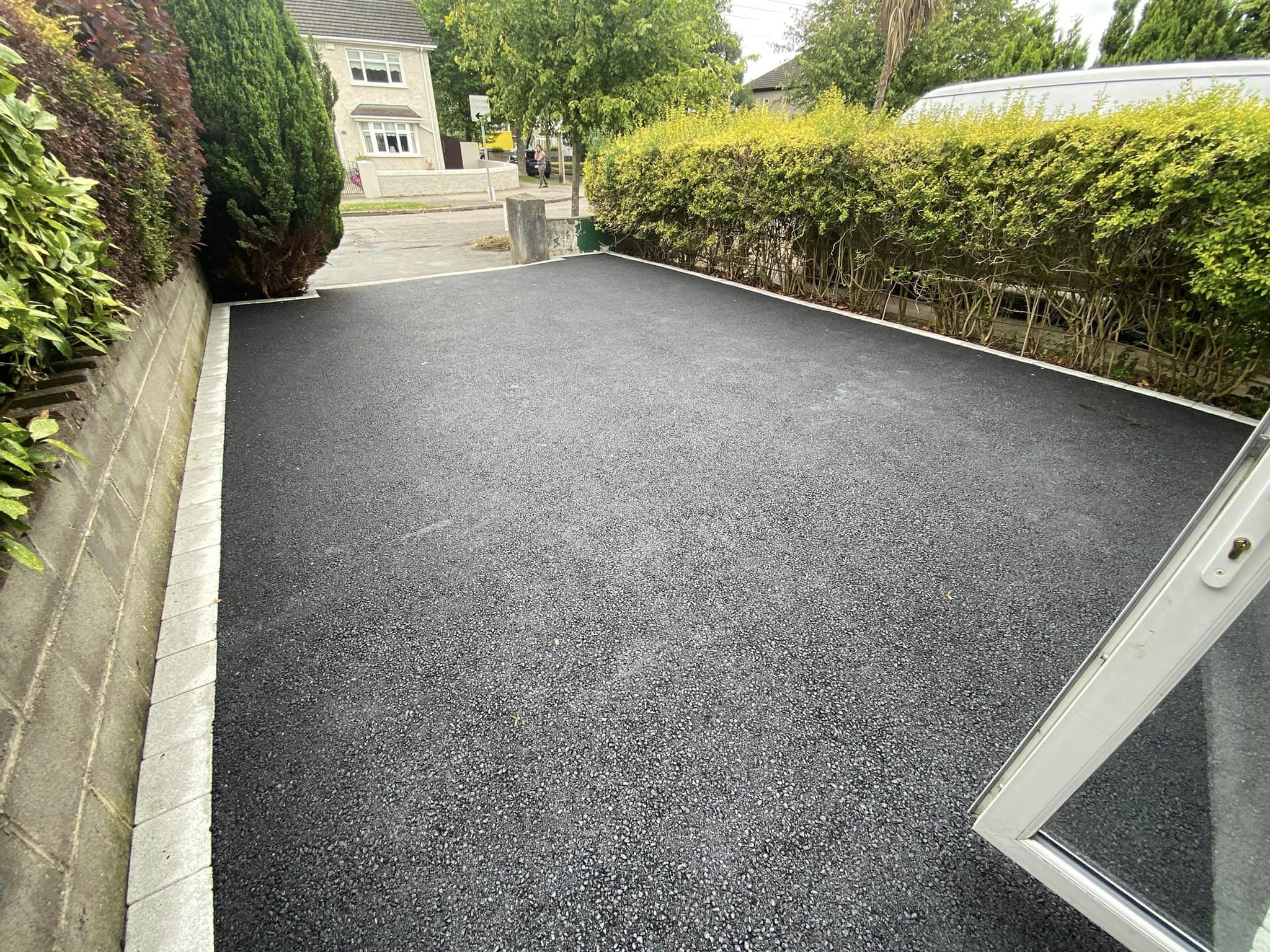
Tarmacadam driveway completed in Clondalkin with border edge.
Get in touch for a free quote!


Tarmac Driveways | Gravel Driveways | Driveway Paving Contractors Dublin
When it comes to enhancing your home’s curb appeal and increasing its market value, installing a new driveway is one of the most impactful upgrades you can undertake. However, if you’re based in Dublin, the timing of such a project plays a pivotal role in ensuring its success. The unique weather conditions here necessitate a well-thought-out plan, making the decision of when to install your new driveway as crucial as how it’s done.
So, before hiring a new driveway Dublin installation company, read this blog to learn about the significance of timing your project for optimal results. Understanding the city’s unique climate patterns will not only save you from unnecessary headaches but also ensure that your driveway lasts for years to come,
Choosing the correct time for your driveway installation isn’t just about convenience. It’s about maximising the investment in your property.
Proper timing affects the setting and curing processes of materials, the efficiency of work, and even the final cost due to seasonal fluctuations in demand for contractors and materials. An installation scheduled during adverse weather conditions can result in delays, increased costs, and the potential for subpar results.
Moreover, factoring in Dublin’s climate is essential for determining the best installation period. This approach not only ensures a smoother installation process but also contributes to the longevity and durability of your driveway, protecting it from weather-related damages from day one.
Determining the ideal moment to schedule your driveway installation project isn’t solely about picking a date on the calendar. It requires a strategic assessment of various critical factors.
Weather conditions, overall driveway costs, and the availability of contractors are three significant aspects that can greatly influence the outcome and experience of installing a new driveway. Each element fluctuates significantly throughout the year, influenced by seasonal changes that can either benefit or hinder the installation process. Understanding the interplay of these factors will help you make an informed decision on the best timing for your driveway installation.
So, let’s explore how these elements can impact your project timeline.
Extreme temperatures, heavy rainfall, and frost can affect the curing process and the overall durability of your driveway.
While summer offers long daylight hours, high temperatures can accelerate the drying process, potentially leading to cracks if not managed properly. Additionally, the risk of heat-related delays or labour shortages may arise.
Autumn typically provides moderate temperatures and fewer rainfall days, making it a favourable season for driveway installation. The leaves falling can also provide a natural barrier against moisture, aiding in the curing process.
Harsh winter conditions, such as snow, ice, and freezing temperatures, can significantly hinder construction progress and impact the quality of the finished driveway. Delays and potential cost increases are common during this season.
This season offers favourable weather conditions, with moderate temperatures and fewer precipitation days. However, occasional showers or frost can still affect the installation process.
The cost of driveway installation can vary depending on the season. In general, demand for construction services tends to be higher during peak seasons, which can lead to increased costs.
Due to high demand, contractors may charge premium rates during summer. Additionally, the cost of materials might be slightly higher due to increased demand.
Autumn can offer more competitive pricing as demand typically decreases compared to summer. However, costs may still vary depending on the specific region and the type of driveway material you choose.
Due to reduced demand, winter is generally the least expensive season for driveway installation. However, you may encounter additional costs associated with winter-specific contingencies or potential delays.
Spring prices can be moderate as demand starts to increase but may not yet reach peak levels.
The availability of contractors and suppliers can also influence the timing of your driveway installation. During peak seasons, securing a preferred contractor or materials within your desired timeframe may be more challenging.
Booking driveway contractors and materials during the summer can be competitive due to high demand. It’s advisable to plan and secure your preferred driveway installation company well in advance.
Scheduling in autumn may be less challenging than summer, as demand is typically lower. However, planning ahead is still recommended, especially if you have specific preferences for driveway installers or materials.
Availability of contractors and suppliers may be limited during winter, as many businesses may reduce operations or close entirely. This can lead to potential delays or limited options.
Spring: Spring can offer a good balance between availability and pricing. While demand may be increasing, it’s generally easier to schedule contractors and obtain materials compared to peak seasons.
The choice of driveway material can also influence the best time for installation. Some materials may be more suitable for certain weather conditions or require specific curing processes.
Tarmac driveways offer a smooth, durable surface that is quick to install and ready for use in a short time compared to other materials. While tarmac can technically be laid at most times of the year, it is best installed in mild to warm weather. This ensures the tarmac sets properly without the risk of washing away in heavy rain or cracking in extreme cold. However, tarmac requires careful handling during hot temperatures to prevent it from becoming too soft before it has cured.
This type of driveway requires specific curing conditions for optimal strength and durability. Summer can be a suitable time for concrete installation, as the higher temperatures can accelerate the curing process. However, it’s important to monitor moisture levels and protect the concrete from excessive heat.
Asphalt driveways are generally more flexible than concrete and can be installed in a wider range of weather conditions. However, like tarmacadam, extreme temperatures can affect the asphalt’s performance, so careful consideration should be given to the climate in your area.
Gravel driveways are a popular choice for rural areas or those with limited budgets. They can be installed in most weather conditions but may require regular maintenance to prevent erosion and maintain a level surface.
Soil type, drainage issues, and the need for grading can all impact the best time for installation. Basically, seasons with dryer conditions might be preferable for extensive preparation work. Tasks such as levelling, removing existing materials, and addressing subsurface inconsistencies are more manageable when the weather is conducive.
So, choosing a season with stable, dry conditions can facilitate smoother and more efficient preparation. Moreover, it’s vital to assess the specific characteristics of your land and plan the timing of your driveway installation accordingly to avoid complications and ensure a long-lasting, quality driveway.
Sometimes, the timing of your driveway installation may be influenced by local government regulations or the process of obtaining necessary permits. For instance, permits may be granted expediently during off-peak seasons when municipal offices are less busy.
Additionally, specific regulations might dictate not only the materials and methods used but also specify blackout periods for construction to accommodate local festivals, road usage peaks, or seasonal wildlife protection. So, familiarising yourself with these local stipulations before planning your driveway project is essential to ensure compliance and minimise potential delays.
Considering the city’s unique climate and the general trends in the construction industry, here’s a breakdown of the best seasons for driveway installation:
| Season | Pros | Cons |
| Autumn | Moderate temperatures, fewer rainfall days, competitive pricing, potentially less demand for contractors | Early frost can pose a risk if installation is not completed in time |
| Spring | Mild temperatures, fewer rainfall days, good balance between availability and pricing | Unpredictability of rainfall can sometimes cause delays |
| Summer | Longer daylight hours, favourable weather conditions for curing materials | High demand for contractors and materials, potentially leading to higher costs and longer wait times |
| Winter | Generally the least expensive season due to reduced demand | Harsh weather conditions, potential delays, and limited availability of contractors and suppliers |
By considering these seasonal dynamics, you can better anticipate the challenges and opportunities for scheduling your project. Early and thoughtful planning, regardless of the season, is key to achieving a smooth driveway installation process. Furthermore, it’s best to consult with a local driveway paving company in Dublin to get personalised advice based on your unique needs and preferences.
It is worth mentioning that professional driveway pavers do more than just provide recommendations on when the ideal time is to install your driveway. They also play a critical role in the success of your driveway installation project. As such, it is imperative that you pick the right contractor.
But how do you do this? Here are some of the factors you need to consider:
Selecting a driveway contractor with specific experience in handling Dublin’s diverse weather patterns ensures that your project is scheduled at the right time and carried out efficiently, irrespective of weather unpredictability. Look for professionals with a proven record of managing timely, high-quality installations considering various weather conditions. A contractor well-versed in local climate trends will proficiently plan and adjust work schedules to mitigate potential weather-related disruptions.
It is crucial to discuss your timing preferences explicitly with your contractor to gauge their ability to accommodate your schedule. Analysing their flexibility and understanding their method of scheduling projects will help align your expectations with their operational capabilities. This mutual understanding is essential for ensuring that the installation progresses smoothly and is completed within your desired timeframe without compromising the quality.
A reliable driveway paving contractor should offer a detailed initial assessment and provide a transparent contract that clearly states the project’s scope, including timelines, cost estimates, and materials to be used. Ensure that these documents reflect all discussions related to the timing and weather considerations specific to your project in Dublin. A thorough and clear contract will help prevent misunderstandings and outline the accountability for each party involved.
Do not hesitate to request examples of previous work demonstrating the contractor’s ability to adapt to and manage the complexities of Dublin’s climate. Testimonials from previous clients can provide insights into how well the contractor communicates and manages projects under pressure, often indicative of their capability to handle unforeseen challenges.
By choosing a contractor who understands the ideal timing for driveway installation and is experienced with Dublin’s specific environmental conditions, you enhance your project’s chances for success. This careful selection process will ensure that your driveway is installed efficiently, effectively, and with a quality finish that lasts through the seasons.
In conclusion, timing your driveway installation in Dublin requires thoughtful consideration of various factors, from weather conditions and material choices to contractor availability and permit processes. Planning strategically and working with seasoned contractors can significantly influence your new driveway’s success and durability.
Remember, the goal is to achieve a seamless installation process that complements Dublin’s unique climate while ensuring your driveway is beautiful and long-lasting.
Ready to take the next step towards enhancing your home’s curb appeal? For new driveway Dublin installation services, choose our trusted team of professional pavers. Call us today on (01) 4851582 or 0852139591 for a free quote!
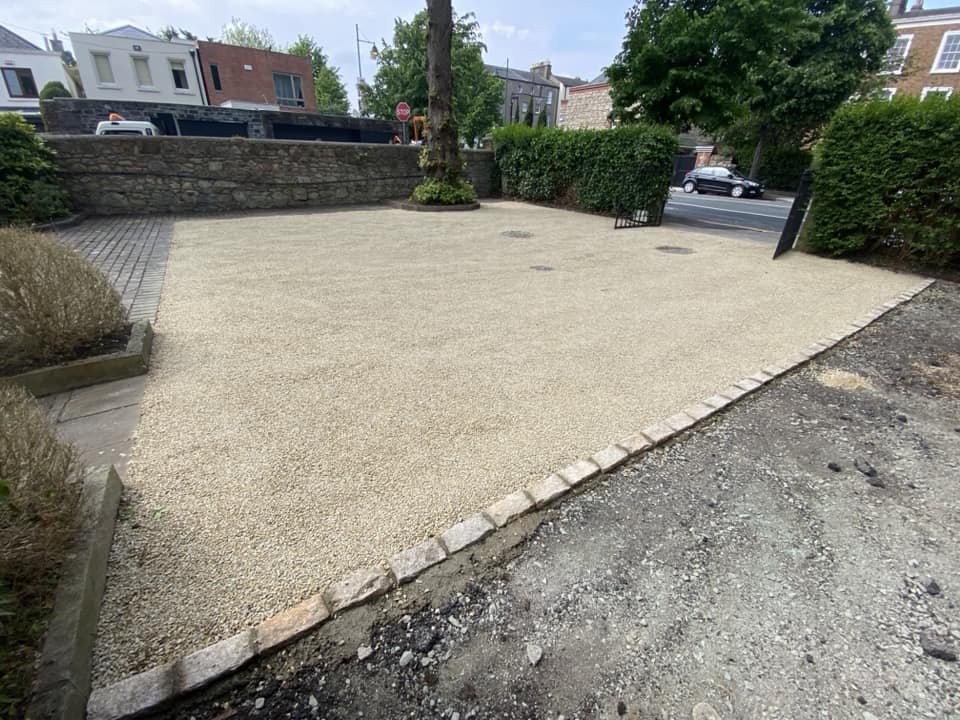
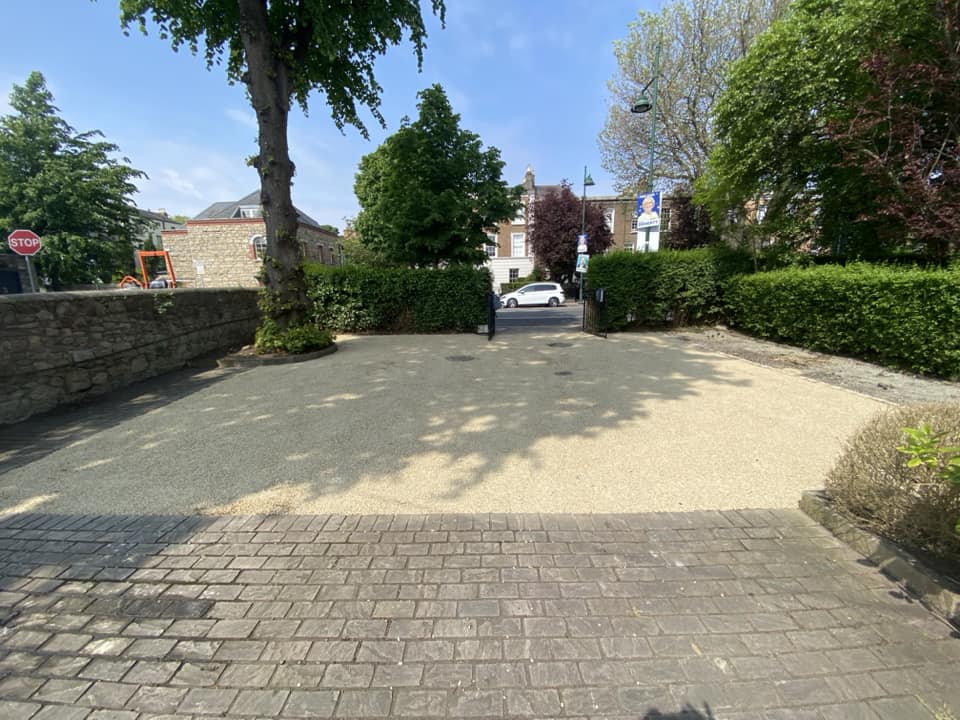
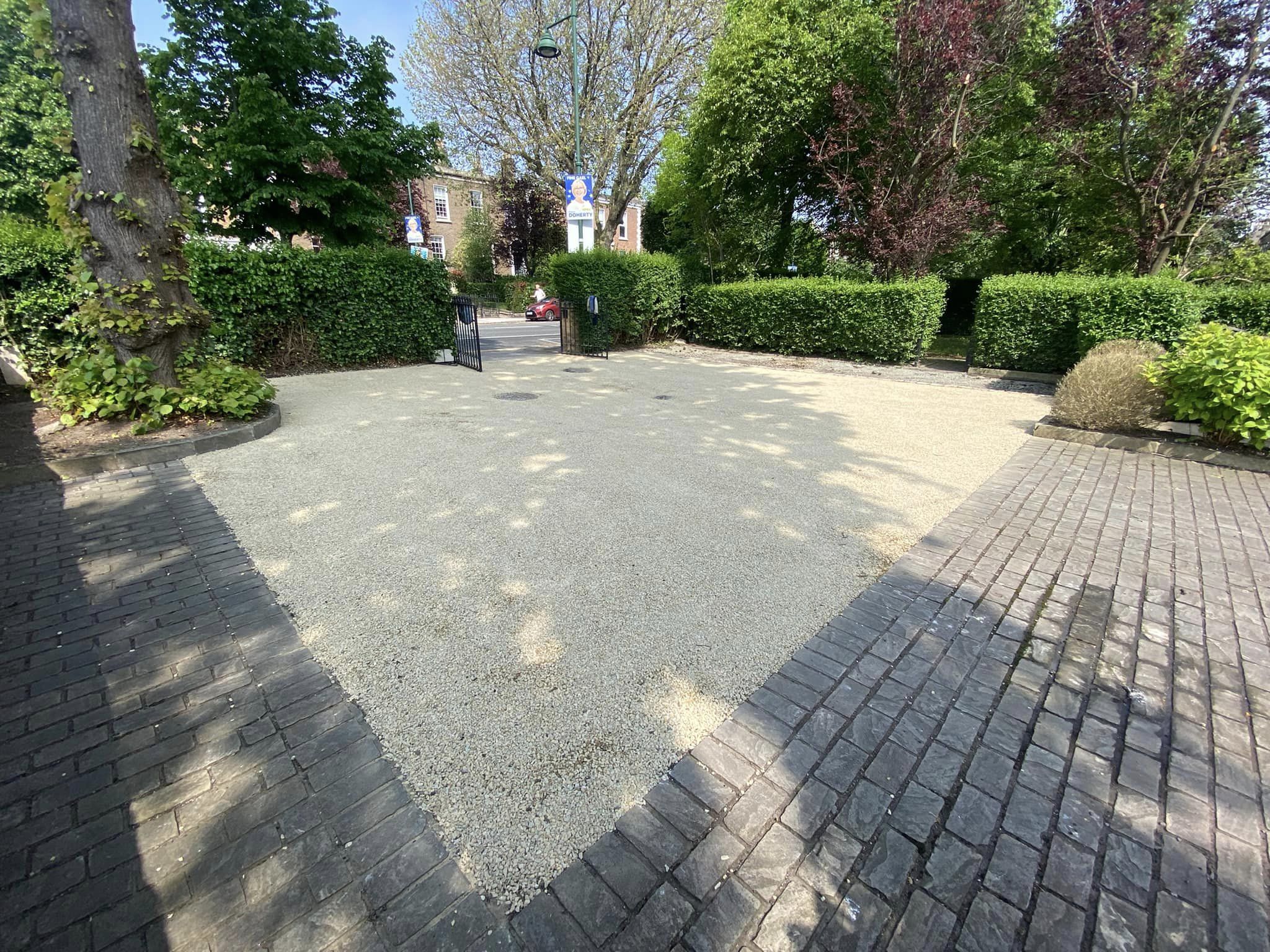
Tar and chip driveway completed with buff colour stone and granite apron at entrance.
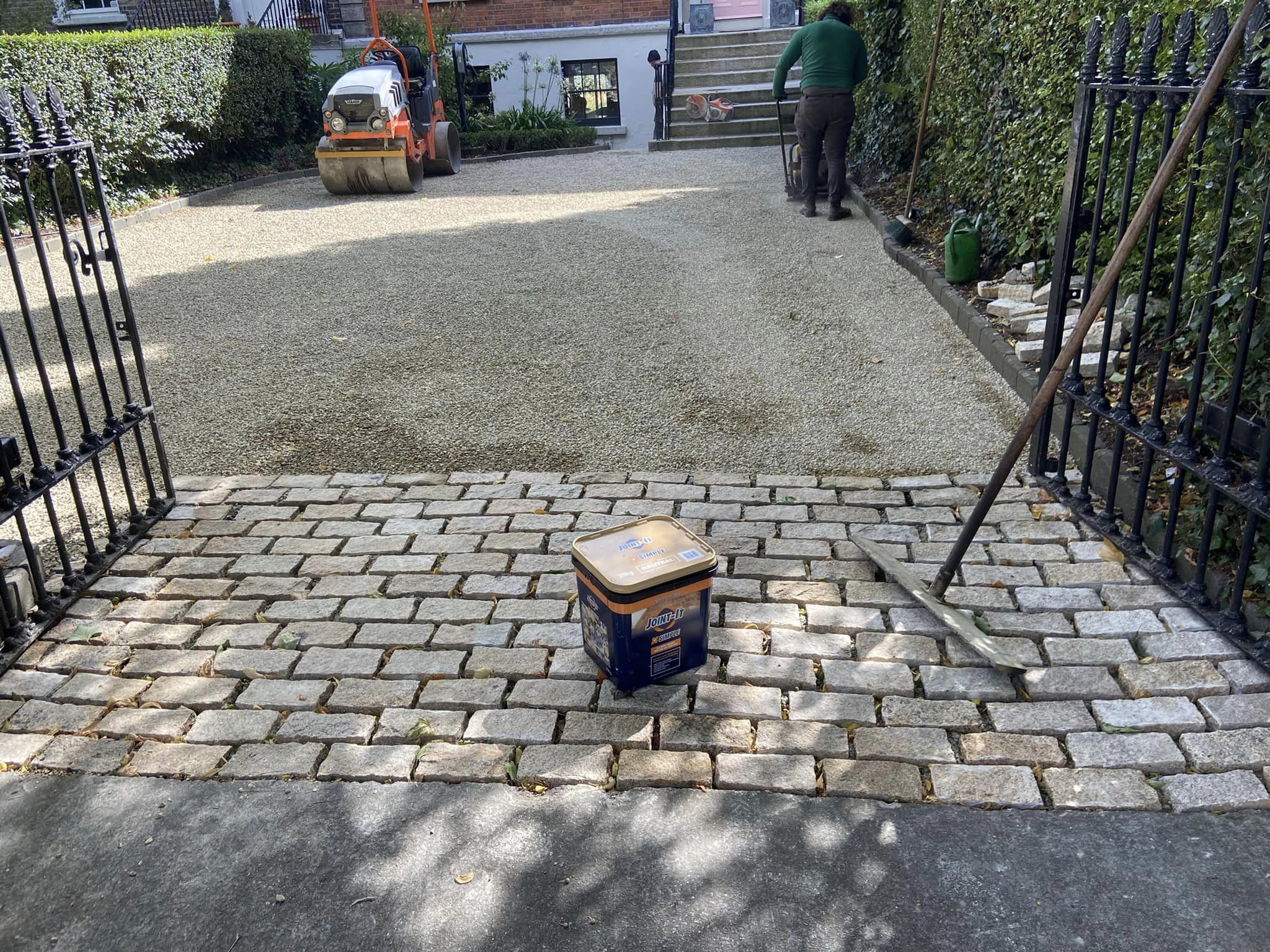
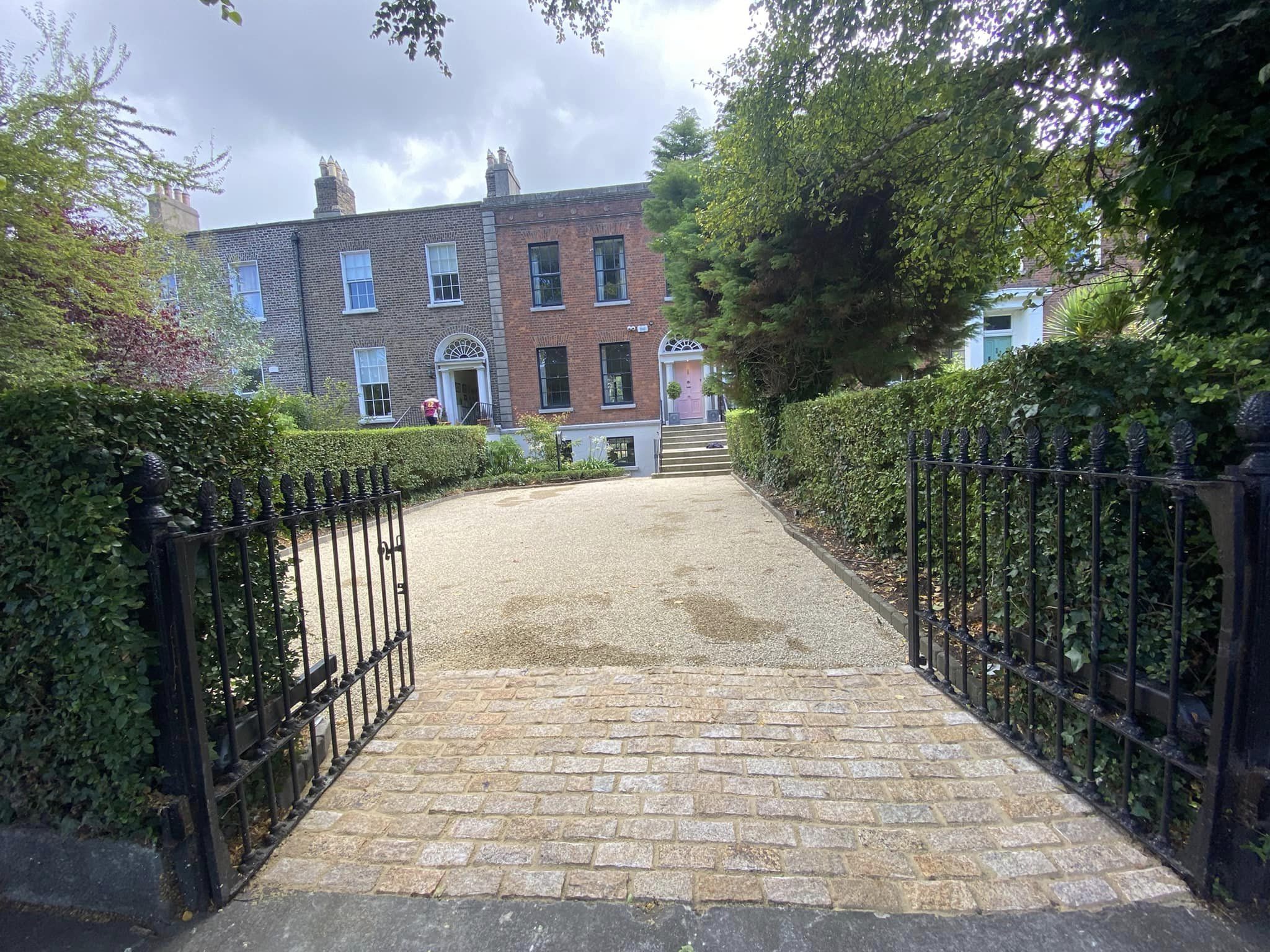
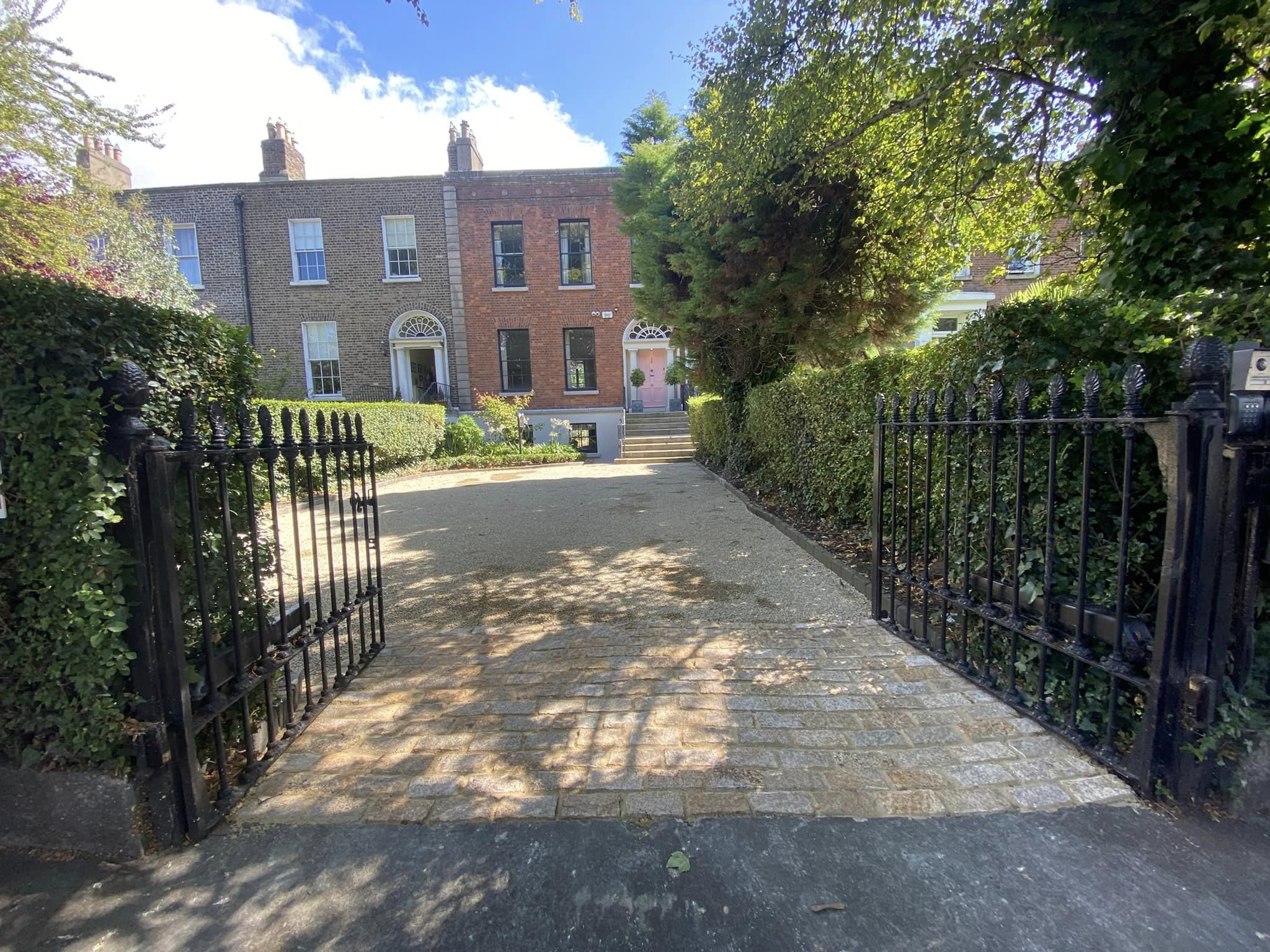
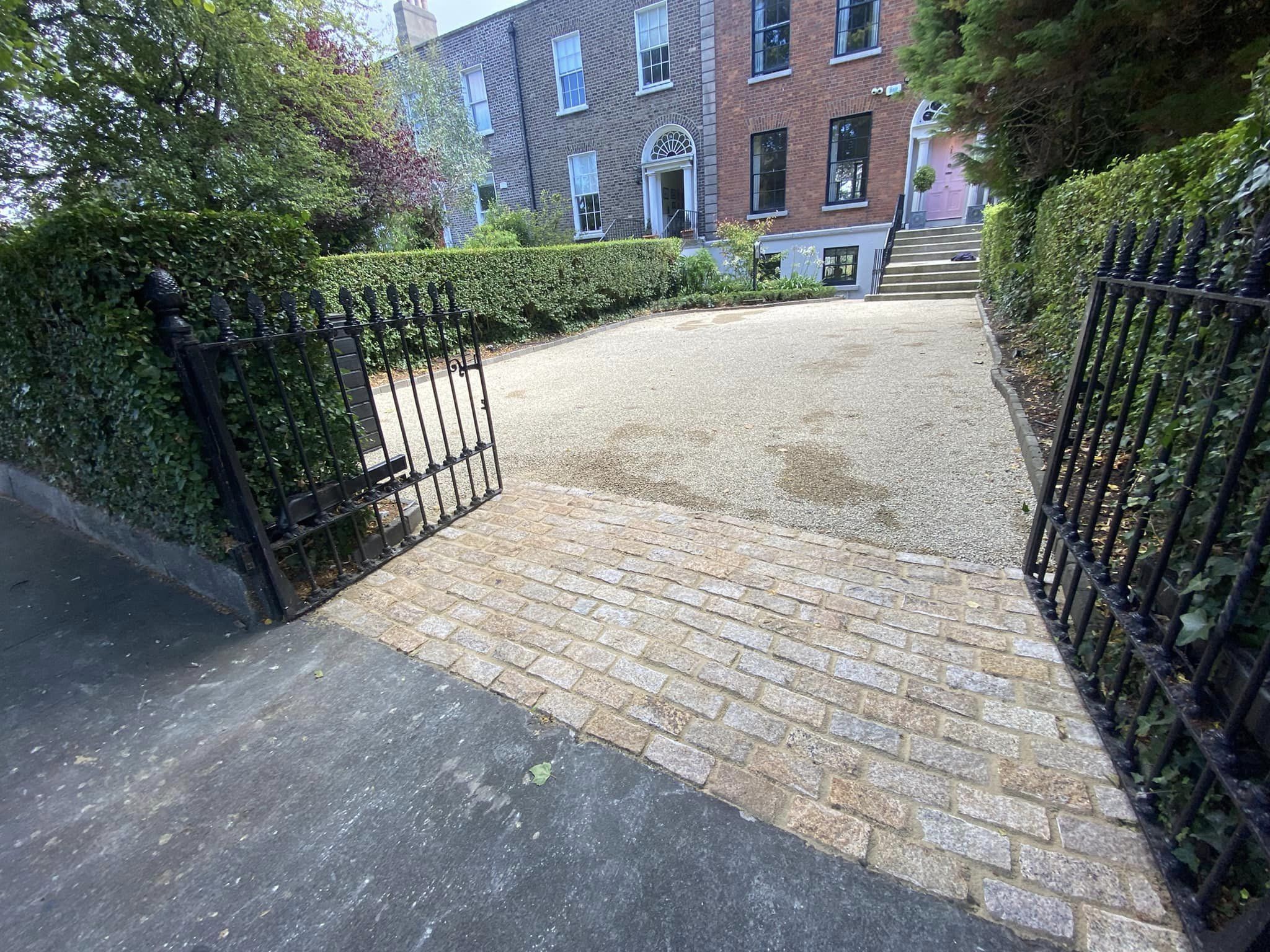
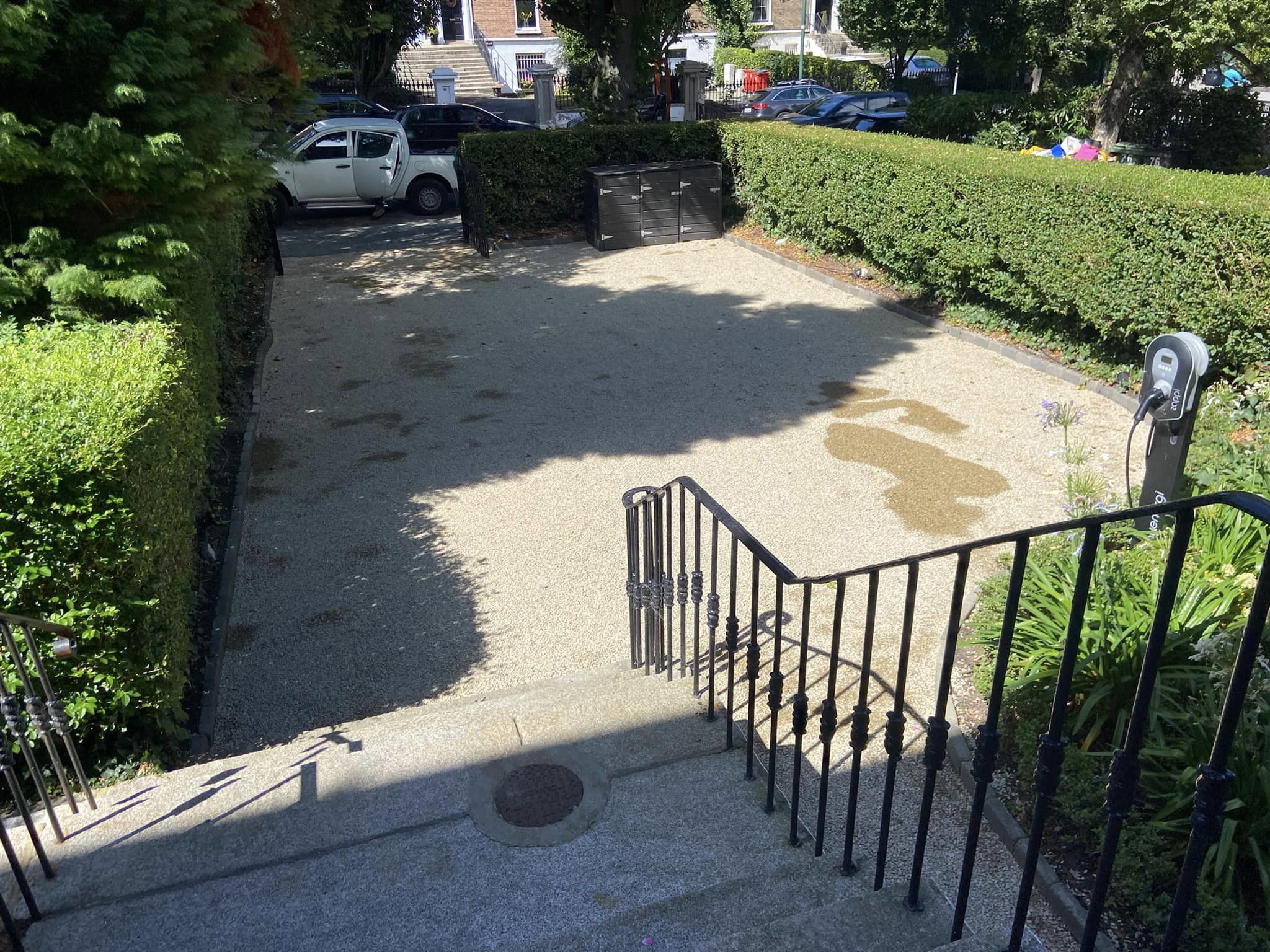
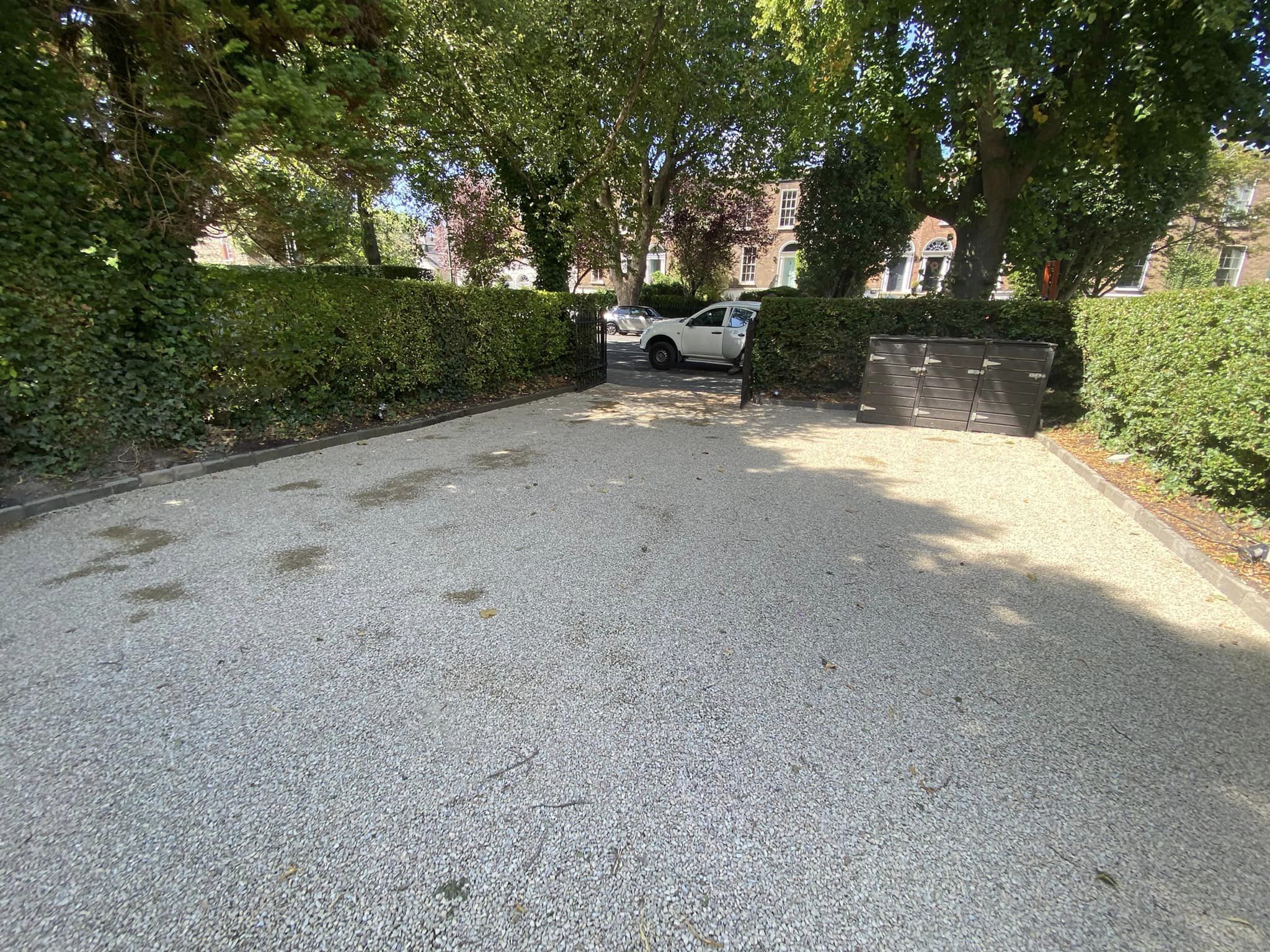
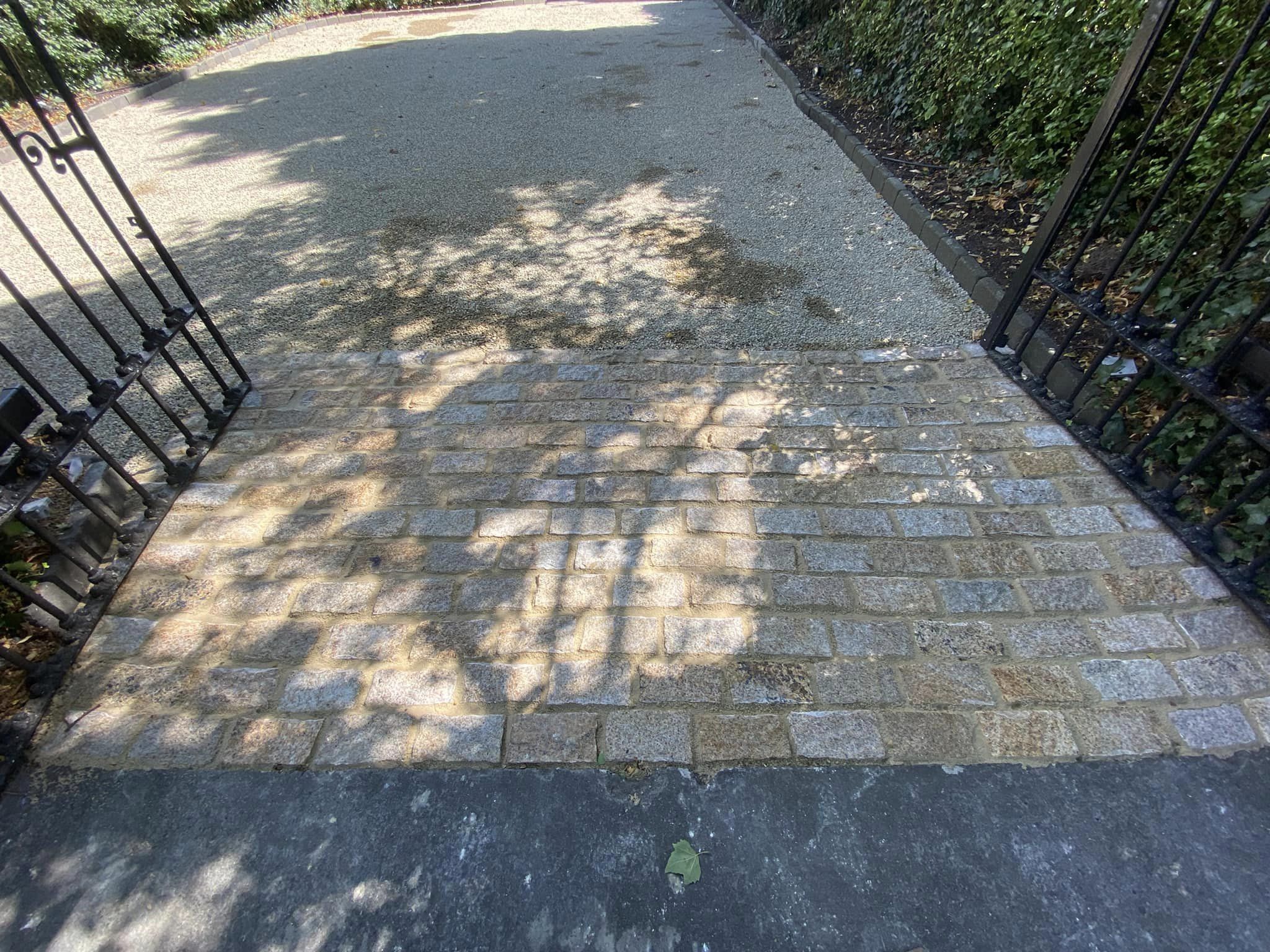

When it comes to your home’s driveway, it’s not just about functionality; it’s also about aesthetics and longevity. After all, a driveway is one of the first things people notice about your property, and it needs to stand up to the test of time. If you’re a homeowner in Dublin or elsewhere in Ireland considering different driveway materials, you’ve probably come across tar and chip. But how durable is it, and is it the right choice for your home?
A tar and chip driveway is a type of surface that combines hot liquid bitumen (tar) with layers of aggregate (stone chips). The tar acts as a binding agent that holds the stone chips in place, creating a durable and textured surface. Unlike smooth asphalt or concrete, tar and chip has a natural, rustic look, often preferred by homeowners who want a more traditional or countryside aesthetic.
This material is a happy medium between the affordability of gravel and the durability of asphalt. The top layer of stone chips can be customised in terms of colour and size, giving you control over how the final driveway will look.
One of the key concerns when choosing a driveway material is how long it will last. On average, tar and chip driveways can last between 7 to 10 years, depending on several factors. While this might not be as long as the lifespan of concrete or asphalt, it’s still a durable option, especially given its lower initial cost.
Several factors impact the durability of tar and chip driveways, including:
Tar and chip driveways come with several benefits that make them an attractive option for Irish homeowners:
One of the best things about tar and chip driveways is that they require minimal maintenance. However, like all driveway materials, a little care goes a long way in prolonging its life.
While tar and chip driveways offer many benefits, they’re not without their limitations. It’s important to weigh the pros and cons before making your decision:
So, is tar and chip the right material for your driveway? It depends on what you’re looking for. If you want a driveway that’s affordable, offers good traction in wet weather, and complements the natural beauty of your home, tar and chip could be an excellent choice. However, if you prefer a smoother surface or a material that requires less frequent maintenance, you may want to explore other options.
A tar and chip driveway offers a blend of durability, beauty, and cost-effectiveness, making it an attractive option for Dublin homeowners. While it may not last as long as some other materials, its rustic appeal, excellent traction, and low-maintenance nature make it a solid contender for those looking to enhance their home’s exterior.
Ultimately, the best driveway material is the one that fits your needs and lifestyle. By considering the pros and cons, you can make an informed decision that will provide both long-lasting beauty and functionality for your home.
Are you planning to have a tar and chip driveway for your home? Do you plan on changing the current material of your driveway? If you want to know more about tar and chip driveways, call us at (01) 4851582 | 085213959 or click here to reach us today!
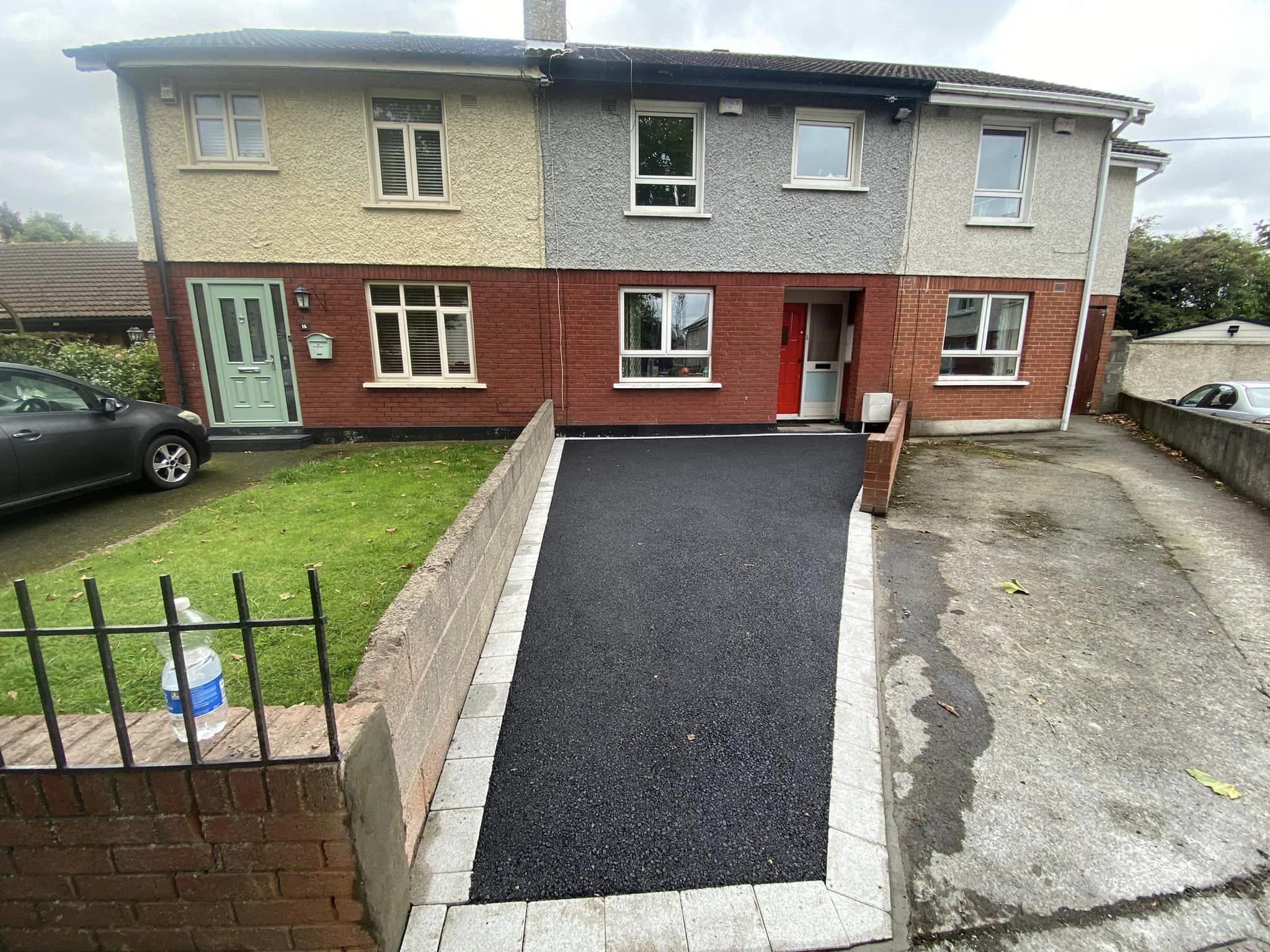
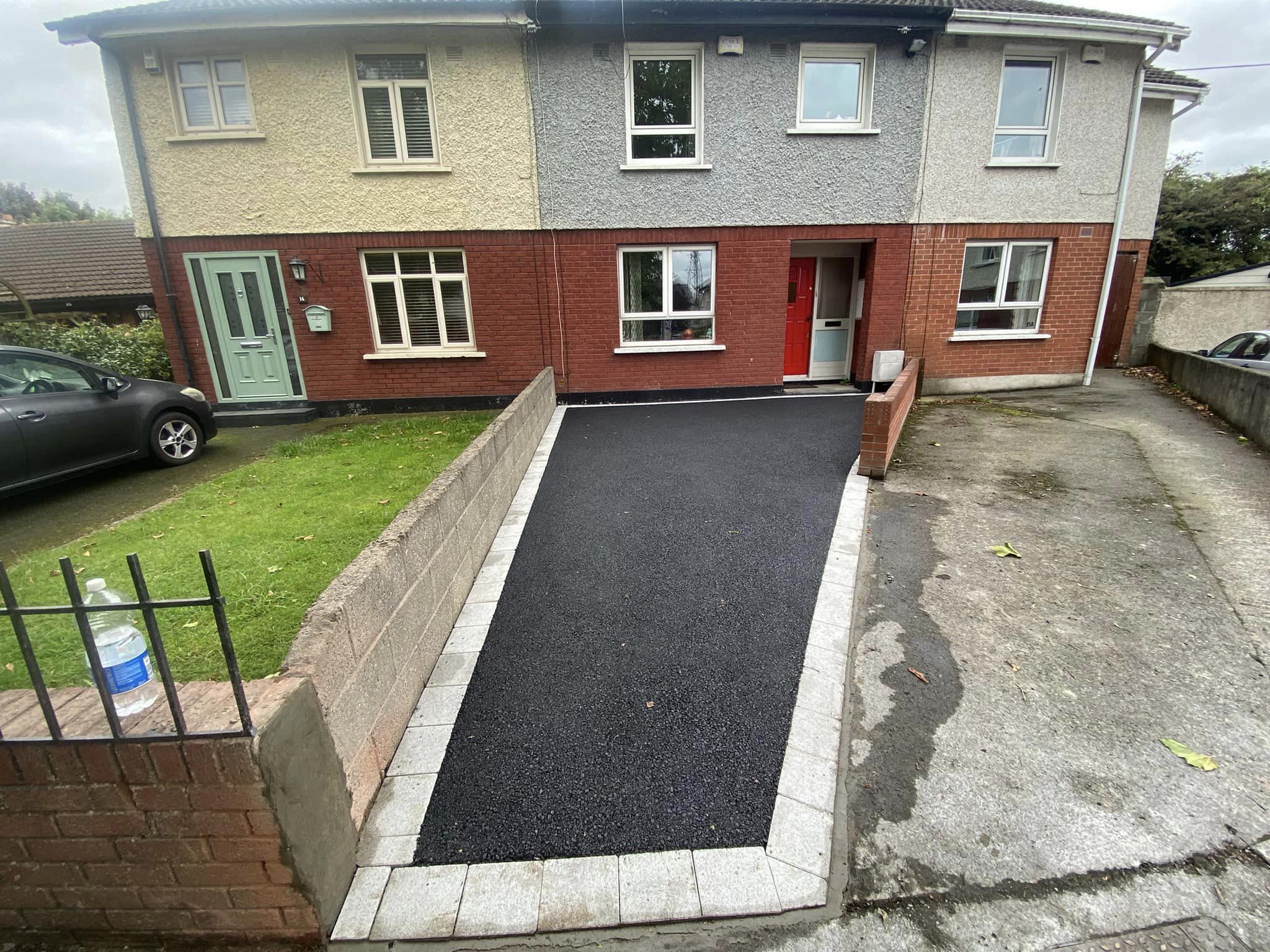
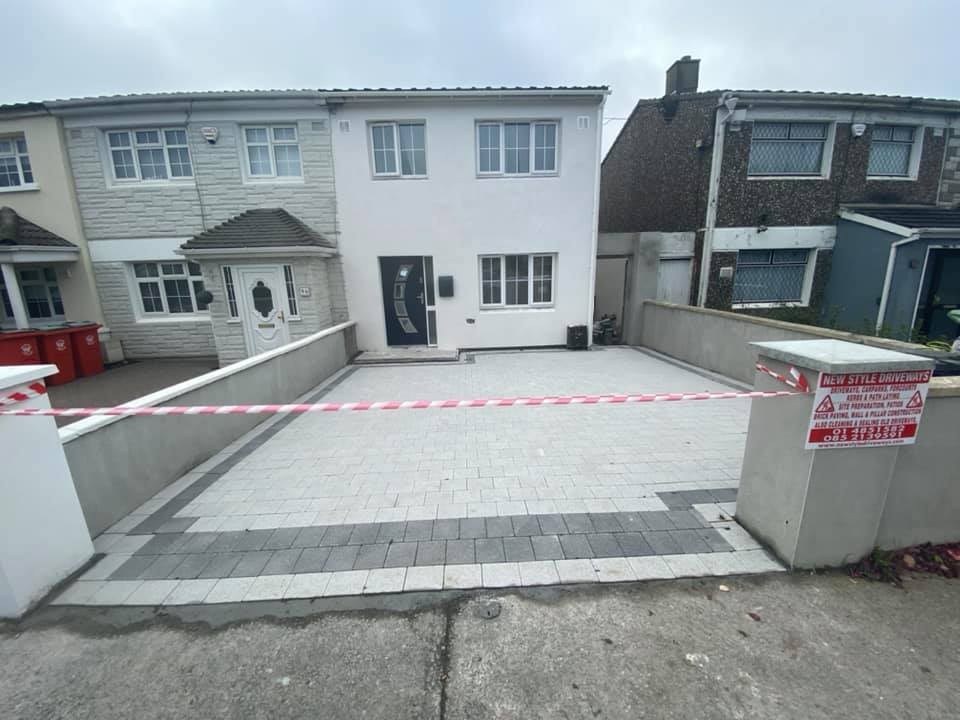
Asphalt driveway completed today in Cabra Dublin with granite borders.
Get in touch for a free quote!
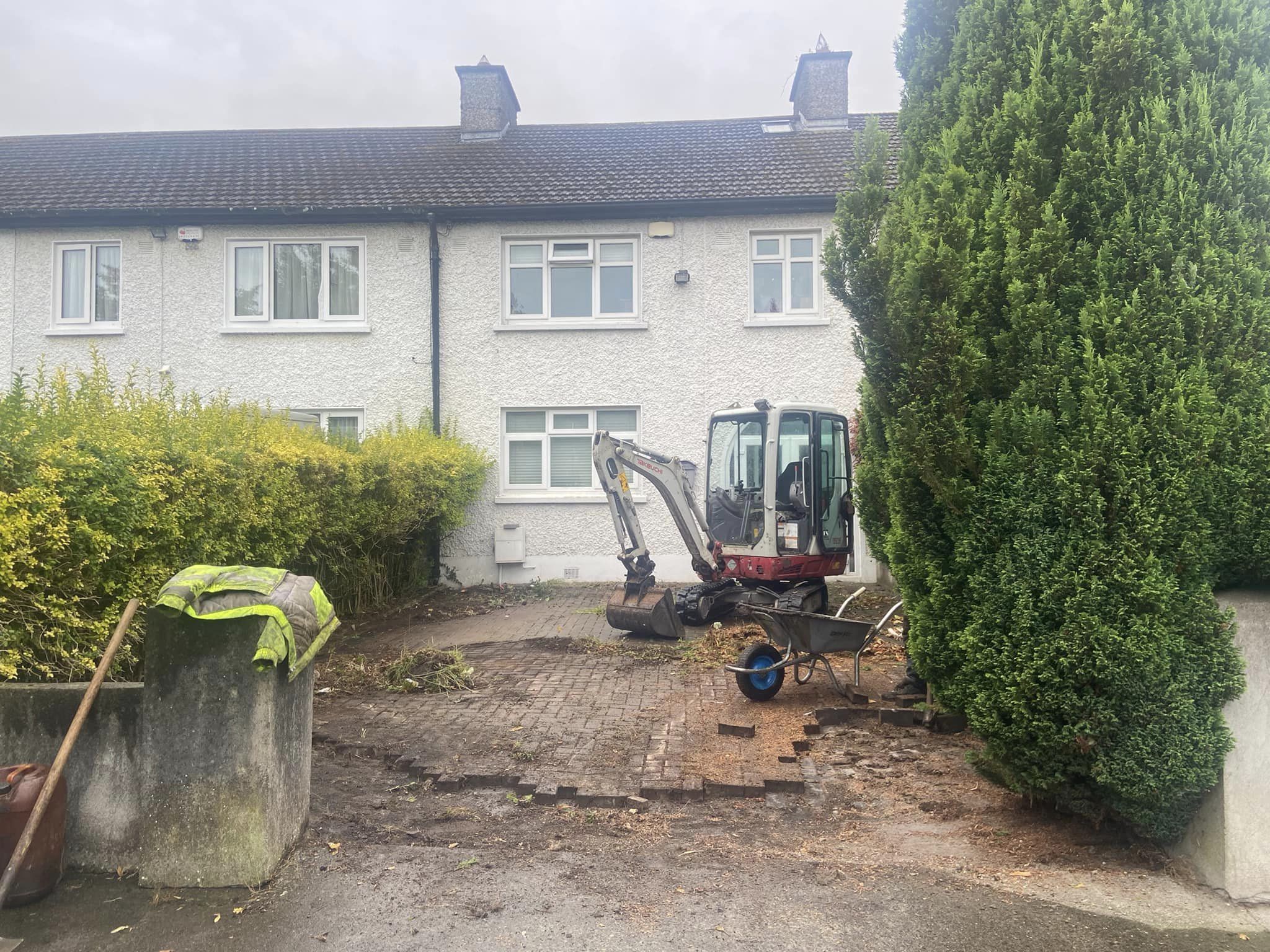

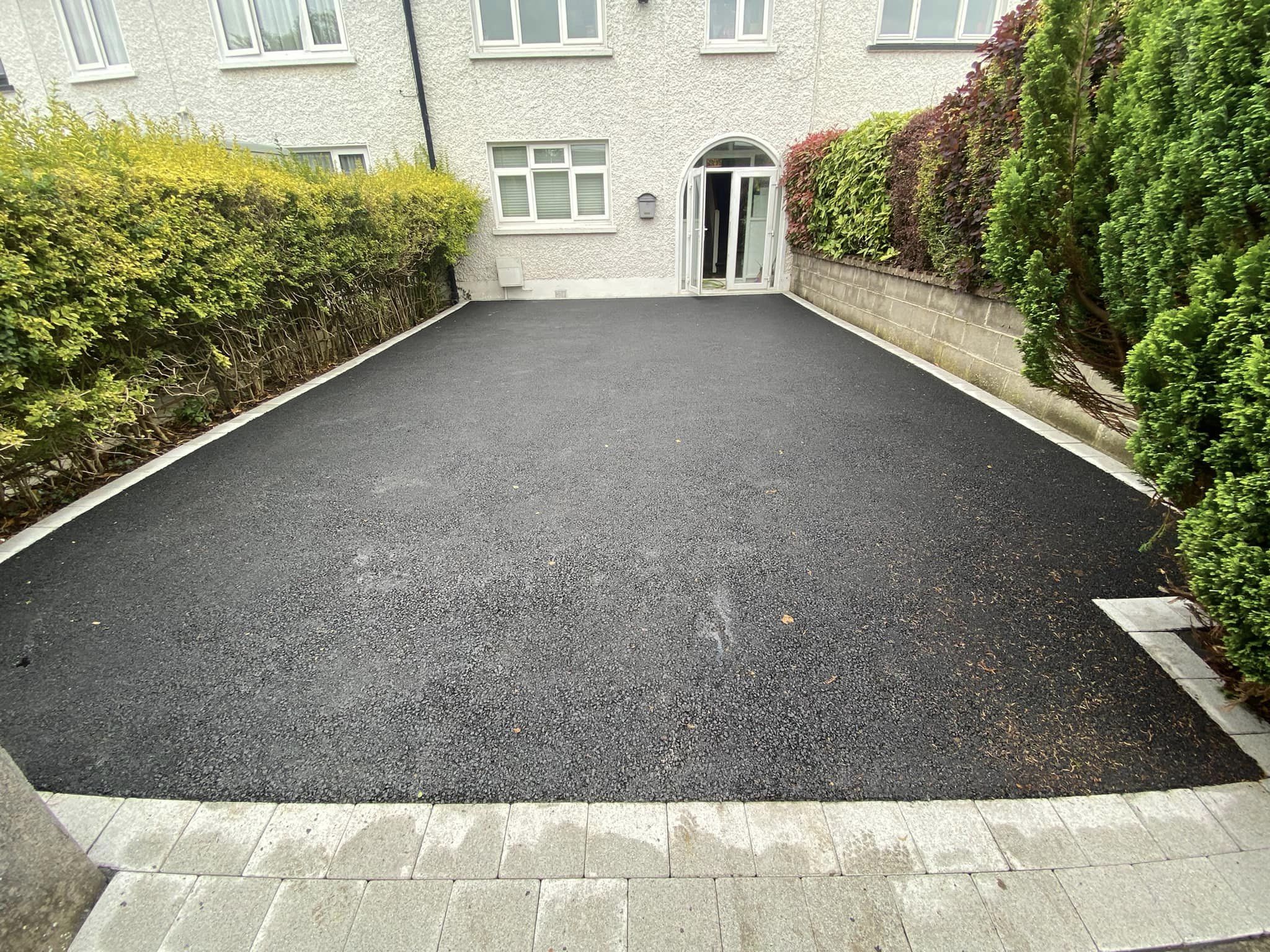
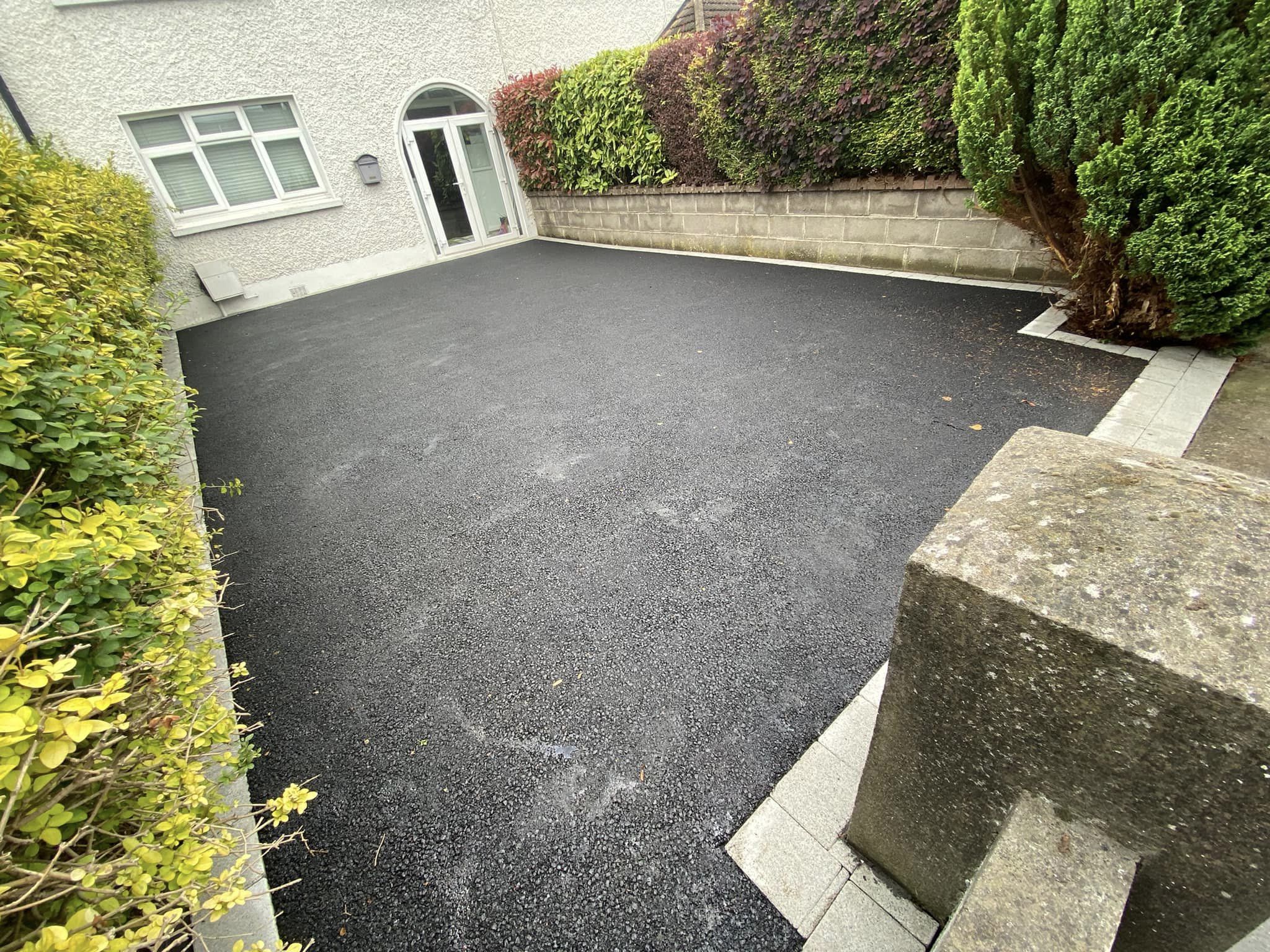


Are you planning to upgrade your home’s exterior with a new driveway? This is a great idea since the addition of a well-installed driveway can dramatically improve your property’s curb appeal and functionality.
If you are considering professional driveway installation in Dublin, one of the most common questions is, “How long will it take?” The answer isn’t straightforward, as several factors can influence the project timeline. We know that understanding the timeframe for such an installation is crucial to planning your project successfully. So, this blog post will break down these factors and provide you with a general idea of what to expect.
More than just laying down materials, installing a driveway is a meticulous process that entails detailed planning and execution. Depending on the type of paving material chosen – be it concrete, tarmac, brick, or gravel – the steps involved vary slightly in complexity and duration.
But a typical installation starts with the removal of any existing driveway or grass, levelling the ground, laying down a suitable sub-base, and finally, installing the driveway material. Each step must be executed with precision to ensure longevity and durability, especially in varying weather conditions common in Dublin.
As mentioned earlier, the length of time for a driveway installation project depends on several key factors. Understanding these will help you manage your expectations and potentially accelerate the process.
The size of your driveway is a primary determinant of installation time. A small, straightforward driveway will naturally take less time to complete than a large, complex one. Additionally, the design of your driveway plays a role. Curves, slopes, and multiple sections increase the complexity and, consequently, the installation time.
The type of paving solution you choose for your driveway has a significant impact on the overall project’s timeline due to varying installation and curing processes. We’ll talk more about this later, but here’s an overview:
| Material | Installation Time |
| Gravel | 1-2 days for a standard driveway |
| Tarmac | 1-2 days for a typical driveway, with additional curing time |
| Concrete | 2-3 days for a standard driveway, with additional curing time |
| Block Paving | 3-5 days for a standard driveway |
| Tar and Chip | 1-2 days for a typical driveway |
Please note that this timeline is for standard-sized driveways, assuming favourable conditions and no unforeseen delays.
Ireland’s weather can be unpredictable, and this can significantly affect your driveway installation schedule. Rain, frost, and extreme heat can all cause delays. Concrete, for example, requires specific temperature conditions for proper curing. So, it’s essential to be flexible with your timeline to accommodate potential weather-related disruptions.
Before starting any driveway project, you may need to obtain permits or approvals from your local council. The time taken to acquire these can vary depending on the specific requirements and how quickly you can provide the necessary documentation. Delays in this process can inevitably impact the overall project timeline.
Thorough site preparation is crucial to successfully install a driveway. This involves tasks such as removing the old driveway, excavating, and levelling the ground. The extent of the preparation needed will depend on the condition of your existing drive and the desired outcome. Extensive site preparation can add to the overall project duration.
Gravel is often one of the quickest and least complex materials to install for a driveway. On average, a gravel driveway can be installed in just a few days. This is primarily because the process generally involves clearing the driveway area, laying and compacting a suitable sub-base, and then spreading and levelling the gravel on top. One of the advantages of gravel is that there is no curing time required, so the driveway can be used almost immediately after the gravel is laid down. This makes gravel an excellent option for those looking to minimise downtime during installation.
On the other hand, tarmac involves a slightly more complex installation process than gravel. However, installing a tarmac driveway is still quicker than block paving or concrete when it comes to larger areas. Typically, the installation of a tarmac driveway can be completed within 1 to 2 days, after the initial base preparations. Once the tarmac is laid, it needs to be compacted and smoothed out, which is generally done using a rolling machine. Tarmac does require a short curing time. However, it is often ready for use within as little as 24 hours under suitable weather conditions.
Meanwhile, concrete requires a longer curing time, which can extend the project duration. Concrete driveways may take several days to form properly, and the material itself requires about a week to cure sufficiently to bear vehicle weight. During this time, the surface cannot be used, which might be inconvenient for homeowners needing immediate access.
Block paving is another popular choice due to its aesthetic appeal and durability, but it ranks higher in terms of installation time. Each paver must be laid individually and meticulously aligned, which can be a labour-intensive process. Following installation, jointing sand is applied, and the entire surface must be compacted together. Though this process makes block paving one of the more time-consuming installation options, the results can be uniquely stylish and highly durable.
While it’s impossible to provide an exact timeline without considering the specific details of your project, we can offer a general overview. A driveway installation typically involves several phases:
The overall project timeline can range from a few days for a small, simple gravel driveway to several weeks for a large, complex block paved driveway with intricate designs. Factors such as weather conditions, site accessibility, and unexpected challenges can also influence the duration.
Important Note: These are estimates, and as mentioned earlier, the actual installation time can vary depending on various factors. So, it’s essential to communicate with your chosen driveway installer to establish a realistic timeline for your specific project.

While you can’t control the weather or the approval process, there are steps you can take to potentially accelerate your driveway installation:
Before the project begins, spend ample time in the planning stage to iron out every possible detail. This front-loaded effort can prevent mid-project changes that often result in delays.
Source materials from local suppliers to minimise delivery times and potential transport delays, which could otherwise postpone your project’s start date or progress.
Maintaining open and clear communication with your driveway paving company is crucial throughout the project. This ensures everyone is on the same page and prevents misunderstandings. One thing you must do is to provide clear instructions and expectations from the outset. This helps the installer understand your vision and work efficiently. Also, be available for any necessary communication and respond promptly to calls, emails, or texts from the installer.
Delays in decision-making about designs, materials, and other aspects of the project can prolong the process. To avoid this, create a decision-making timeline to stay organised. Moreover, prioritise critical choices that keep the project moving forward.
Allow your driveway contractor to work during off-peak hours if permissible within community noise ordinances. This flexibility can lead to more continuous work hours and possibly expedite the completion date.
In Dublin, the weather can be unpredictable. By monitoring the forecast, you can aim to schedule the installation during a period with a lower chance of rain. This is especially important for materials that require dry conditions for curing, like concrete.
Understand the local permission process or hire professionals who do to ensure that permit applications are submitted correctly and promptly. Remember, errors or omissions can lead to significant delays.
Ensure that the contractors have unhindered access to the work site for the duration of the project. Blocked or restricted access can cause unnecessary delays.
Hire a driveway paving contractor with high-quality and reliable equipment. Equipment failure can lead to downtime, impacting your project timeline adversely.
Address drainage needs during the planning phase to prevent water-related issues in the future that could necessitate additional work.
Getting driveway pavers with a track record of completing projects efficiently is highly recommended, especially if you want the project completed on time. Experienced contractors are more likely to anticipate and navigate potential challenges successfully, thereby reducing delays.
By following these tips and understanding the factors that influence the timeline, you can better manage your expectations and work collaboratively with your driveway installer to ensure a smooth and efficient project.
In conclusion, keep in mind that every driveway installation is unique. To get an accurate timeline estimate for your specific project, it’s essential to consult with a professional driveway installation company. They can assess your site, discuss your requirements, and provide you with a realistic timeline.
Remember, investing time in selecting the right contractor and understanding the process can significantly impact your project’s success and timeline. So, don’t hesitate to contact a reputable driveway installation company to discuss your ideas and set the wheels in motion for a stunning home improvement
Are you considering a new driveway but concerned about the time it might take? Opt for a professional driveway installation in Dublin to ensure your project is handled efficiently and expertly. Contact us today on (01) 4851582 | 0852139591 to schedule a consultation or request a free quote!
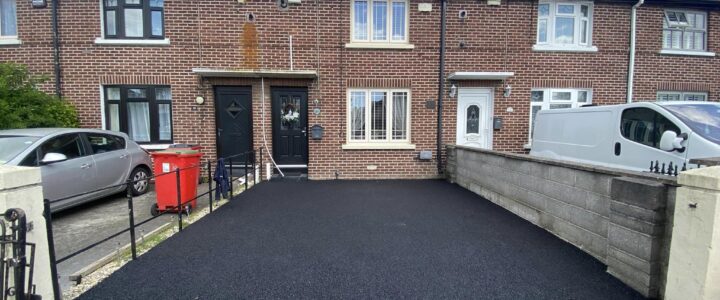

When you’re considering paving an area with tarmac, the quality of workmanship is one of the most critical factors to consider. Tarmac, also known as asphalt, offers both functionality and aesthetic appeal, making it a popular choice for driveways, paths, and commercial surfaces alike. However, the durability and longevity of tarmac rely heavily on the expertise of the contractor you choose. Selecting a reputable tarmac contractor in Dublin can mean the difference between a smooth, hassle-free driveway that lasts for years and a surface that quickly deteriorates, requiring costly repairs.
In this blog, we’ll explore what sets top-rated Dublin tarmacking companies apart, diving into their essential services and the key aspects to consider when choosing one. From installation to repairs, sealing to custom designs, understanding the range of services available can help ensure your investment pays off in appearance and resilience.
When selecting a tarmacadam contractor, a few key qualities can help you determine if they are truly among the best.
Firstly, experience is crucial. A well-established contractor will have a portfolio of completed projects showcasing everything from residential driveways to commercial surfaces. Experienced contractors are more likely to know how to handle common issues, from drainage to design challenges. Moreover, they will be familiar with materials and techniques that stand up to Dublin’s varied weather conditions.
Customer reviews and proven experience offer valuable insights into a contractor’s reliability and skill level. Online reviews, especially on trusted platforms, can reveal how contractors handle their work, communicate with clients, and address any issues that arise. Look for a contractor with a strong track record and positive feedback, as this often signals a commitment to quality standards and staying current with industry best practices.
It’s also wise to evaluate a contractor’s past projects, especially those similar to your planned project. For instance, if you’re interested in a custom driveway design, reviewing a contractor’s portfolio can provide insights into their capabilities and design expertise.
Additionally, transparent communication and responsiveness are key. A good driveway contractor will be open to answering questions, providing details on their approach, and clearly explaining what each step of the project entails. Moreover, they will offer detailed quotes and clear warranties or guarantees, reflecting their commitment to transparency and helping you make a confident choice.
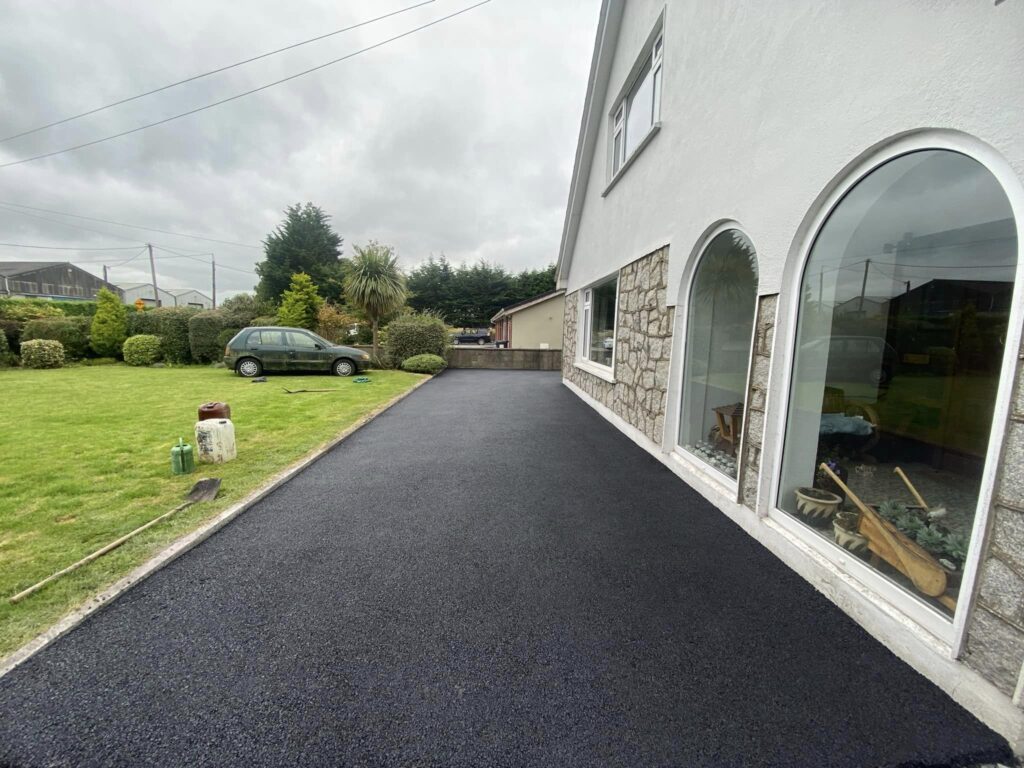
Tarmac Driveway Installation
A reputable tarmac paver will offer professional driveway installation services tailored to suit both residential and commercial needs. This process begins with site preparation, which involves removing old surfaces, levelling the ground, and ensuring proper drainage. Skilled professionals then select and lay out high-quality materials to achieve a smooth, even finish.
Remember, proper installation is essential not only for a clean, attractive look but also for durability. Poorly installed driveways can quickly deteriorate, showing cracks or uneven surfaces that lead to costly repairs.
Tarmac Repairs and Resurfacing Services
Over time, tarmac surfaces can develop issues like cracks, potholes, and surface wear. Experienced contractors in Dublin provide expert tarmac repair services that address these issues, restoring the driveway’s appearance and functionality without requiring a total replacement. Repairs might include filling cracks, levelling low spots, or applying fresh layers to reinforce weak areas.
In cases where a more comprehensive solution is needed, resurfacing may be recommended. This process involves adding a new layer of tarmac over the existing surface, which refreshes the driveway’s look and extends its lifespan. Resurfacing is an economical option that achieves the look and durability of a new surface without the cost or hassle of a complete replacement.
Protective Tarmac Sealing Services in Dublin
Sealing is a critical service that helps protect tarmac surfaces from the elements, extending their lifespan and preserving their appearance. Dublin’s variable weather can take a toll on the unsealed tarmac, leading to fading, cracking, and surface damage. Tarmac sealing involves applying a protective layer that shields the surface from UV rays, moisture, and spills, such as oil or chemicals.
High-quality sealants also prevent moisture from seeping into the surface, which can cause cracks and potholes over time. Top tarmac contractors use premium sealants and ensure they are correctly applied, allowing the sealant to dry completely for maximum durability. Regular sealing, typically every two to three years, keeps your driveway looking fresh and minimises maintenance costs in the long term.
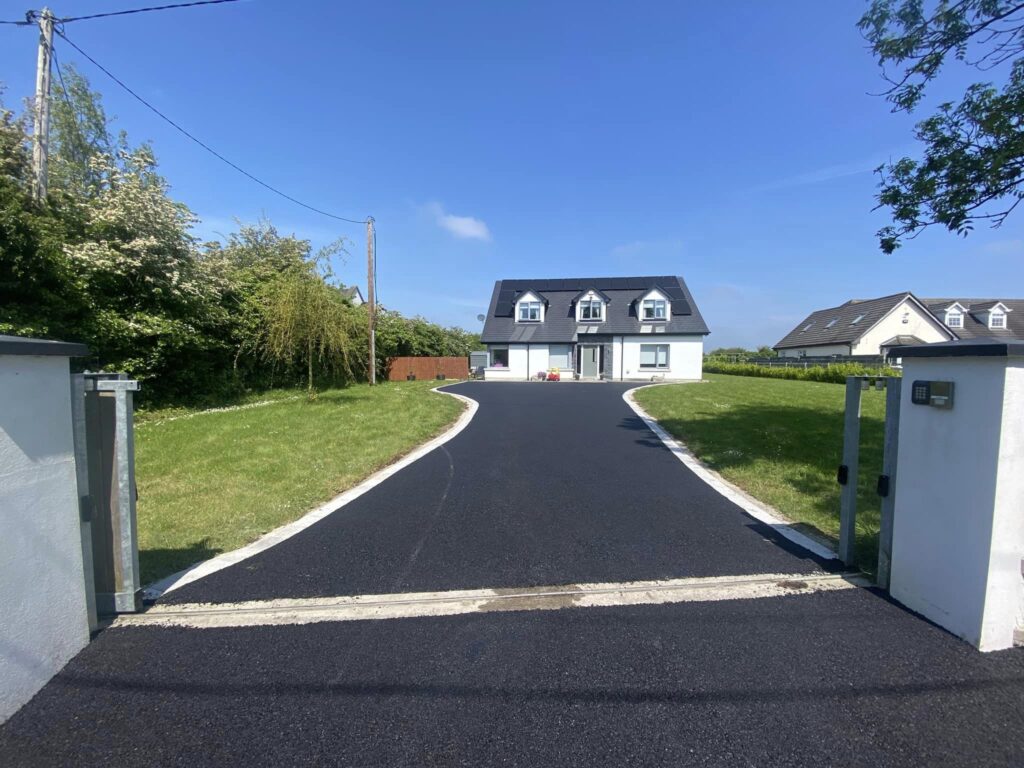
Custom Tarmac Driveway Designs and Edging
For homeowners seeking a unique look, custom driveway designs and edging services are an attractive option. Reputable Dublin tarmac companies offer a variety of customisation choices, including different shapes, colours, and finishes, allowing homeowners to tailor the appearance of their driveway to complement their property’s style. Edging options, such as cobblestone or brick, add visual appeal and structural stability to the driveway.
Well-designed edging enhances the overall aesthetic of a driveway, framing it neatly and creating a cohesive look with the surrounding landscape. In addition to aesthetics, edging reinforces the tarmac, preventing crumbling along the edges. Popular design trends in Dublin include contrasting edges or patterned borders that create a polished, upscale look.
Commercial Tarmac Services for Dublin Businesses
In addition to residential driveways, renowned paving companies provide tarmac services for commercial clients. These services are designed to handle high-traffic areas, such as car parks, pathways, and driveways in commercial complexes. Commercial projects require specific expertise to ensure that surfaces are durable, safe, and able to support heavy use over time.
Commercial tarmac surfaces typically involve larger areas and higher foot or vehicle traffic, making durability a priority. Experienced contractors use heavy-duty materials and equipment to ensure that the finished surface can withstand the demands of commercial use. From precise levelling to efficient drainage systems, these contractors use the latest techniques to deliver long-lasting results for businesses throughout Dublin.
Effective Drainage Solutions for Tarmac Driveways
Proper drainage is crucial to any tarmac installation, as water pooling on a driveway can cause significant damage over time. Experienced tarmac contractors in Dublin incorporate drainage solutions into the initial installation, ensuring water is directed away from the surface to prevent erosion and foundation issues. Adequate drainage not only protects the driveway itself but also prevents water from affecting nearby landscaping or structures.
Well-designed drainage systems can include features like slope adjustments, French drains, or channels that allow water to flow away from the surface. By incorporating drainage during the initial installation, contractors help prevent future problems that could lead to costly repairs, making it a worthwhile investment for homeowners who want to maintain a clean, functional driveway for years.
When selecting the right contractor, it’s essential to consider your specific requirements. Start by assessing your project goals, such as the intended use of the driveway (e.g., residential or commercial), preferred design, and any additional services you might need, such as sealing or drainage solutions. Matching these needs with the services offered by a contractor will help ensure a successful outcome.
It’s also helpful to request references and read online reviews to gauge the contractor’s reputation and quality of work. Speaking with past clients or checking platforms like Google Reviews can provide insight into the contractor’s reliability and craftsmanship.
Additionally, discussing the project timeline and budget considerations upfront can help avoid unexpected costs or delays. A reputable contractor will be transparent about pricing and provide a realistic timeline, giving you confidence in their commitment to quality.
In conclusion, hiring the best tarmac contractor in Dublin is an investment in both quality and durability. It ensures that your residential driveway or commercial surface meets your needs and stands the test of time. By identifying reputable contractors, exploring the comprehensive services they offer, and choosing the right company for your project, you can make informed decisions that enhance the value and appearance of your property.
Looking to enhance your property with a durable, professionally-installed tarmac surface? Connect with a trusted tarmac contractor in Dublin for quality that lasts. Call us today at (01) 4851582 | 085213959 for expert advice, customised solutions, and a free quote!
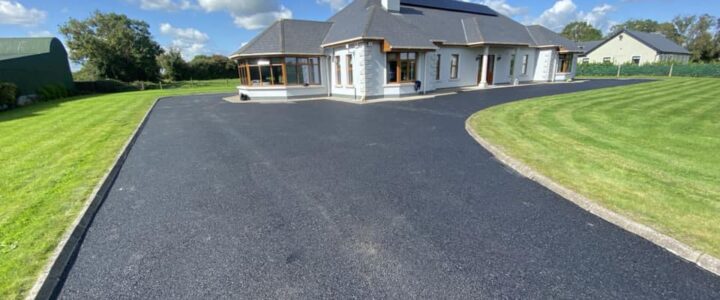

Installing a new tarmac driveway can be an exciting upgrade for any Dublin property, enhancing both functionality and kerb appeal. However, before laying down fresh tarmac, it’s essential to understand the local regulations and permit requirements.
For many homeowners, the permitting process may seem complex or unnecessary. But taking the time to understand the necessary steps can save you both time and money. This guide breaks down everything you need to know to get your Dublin tarmac driveway approved to enjoy a hassle-free installation that meets all legal requirements.
Not all driveway projects require formal approval, but in many cases, new installations or significant modifications will. Generally, if you resurface an existing driveway without altering its size, structure, or drainage, you may not need planning permission. However, if the project involves creating a new driveway, expanding its dimensions, or altering the entry point to your property, a permit is usually required.
For example, if your driveway connects directly to a public path or road, Dublin City Council may require you to obtain permission, as the alteration could impact public property or traffic flow. Understanding these requirements upfront is crucial because failure to comply can result in fines or even a demand to remove the newly-installed driveway.
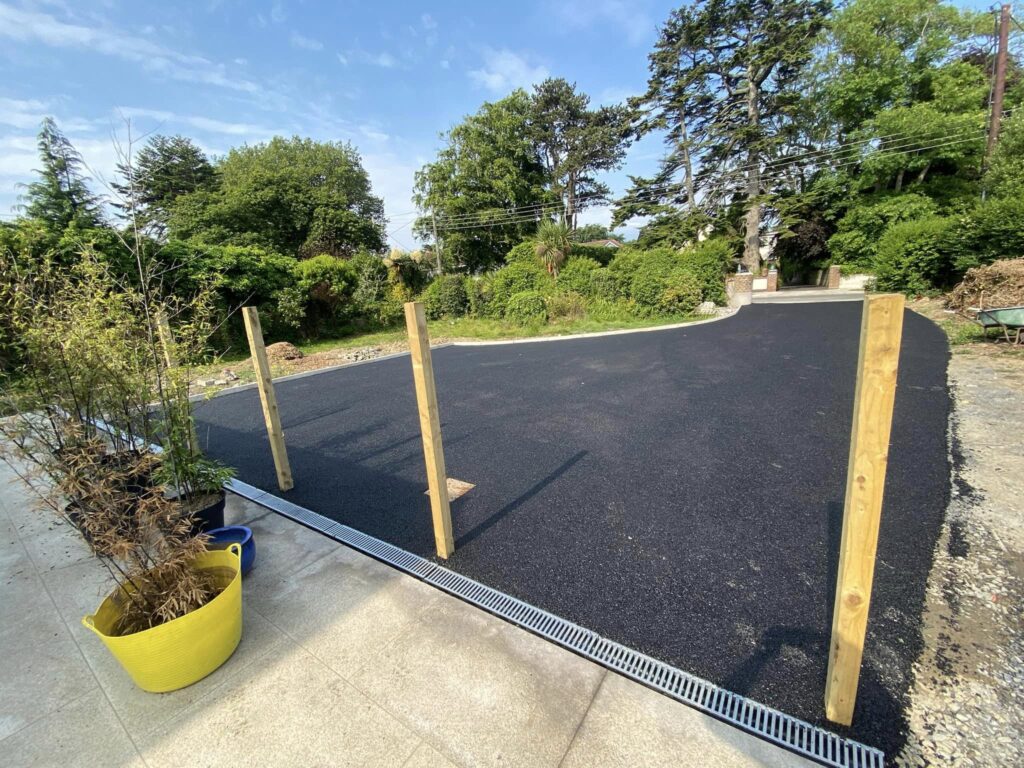
Dublin City Council has set clear guidelines regarding driveway installation to ensure public safety, maintain environmental standards, and preserve the aesthetic quality of neighbourhoods. First and foremost, the council requires that driveways meet specific minimum dimensions established to provide sufficient space for safe vehicle access and parking.
Additionally, environmental considerations are an essential part of these regulations. For instance, Dublin driveways are generally expected to comply with Sustainable Urban Drainage Systems (SUDS). SUDS are designed to manage rainwater runoff efficiently, helping to prevent local flooding and water pollution. By following SUDS guidelines, homeowners can ensure their driveways contribute positively to the environment, reducing excess water runoff that can otherwise overwhelm local drainage systems.
These are some of the core guidelines, but it’s essential to remember that additional requirements may apply based on specific property conditions and local council updates. For the most comprehensive information, consulting Dublin City Council’s complete guidelines or a professional contractor is always recommended.
Proper drainage is a core requirement for any new driveway in Dublin, and it’s especially relevant in the context of SUDS compliance. The main aim of SUDS is to reduce excessive rainwater runoff, which can overwhelm local drainage systems and lead to flooding. Tarmac driveways, if installed without proper drainage, can contribute to these issues due to the impermeable nature of the material.
To create a compliant driveway, consider incorporating drainage solutions such as permeable paving, linear drains, or a graded slope that directs water to designated drainage areas. These solutions allow water to flow naturally into the ground or designated drainage systems without causing harmful run-off. Installing a drainage system might add a bit to the driveway cost but will ensure that you meet the council’s standards and avoid issues down the line.
By following these guidelines, you not only stay compliant with council regulations but also create a driveway that functions better and lasts longer, even during heavy rain.
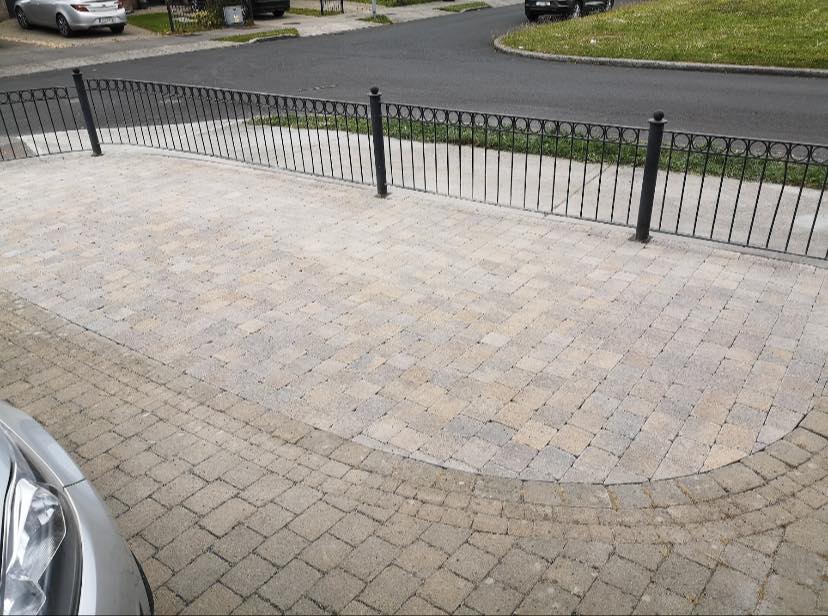
The permit application process for a tarmac driveway can feel daunting, but breaking it down into clear steps makes it much more manageable. Here’s how to go about it:
Start by reaching out to the planning department at Dublin City Council. They can confirm if you need a permit and provide details on the specific requirements for your property and project. This initial step helps avoid unnecessary applications and gives you a clear understanding of what’s expected for your unique situation.
When you’re ready to apply, gather all necessary documents, which typically include a scaled site plan of your property, proposed dimensions of the driveway, drainage plans, and any relevant environmental compliance information. These documents are essential as they give the council a comprehensive overview of the project and its potential impact on the surrounding area.
Applications can be submitted either online or in person at the council office. Be prepared to pay an application fee, which varies depending on the project’s scope. Double-check that all documents are complete before submitting, as incomplete applications can lead to delays.
The approval timeline varies, but it’s common for the process to take several weeks. During this period, the council may request additional information or clarification, so be prepared to provide these details promptly. Staying responsive to these requests can help prevent unnecessary delays.
By following these steps carefully, you can avoid common pitfalls in the permit process and keep your driveway project moving forward without unnecessary setbacks.
One of the most frequent mistakes homeowners make is underestimating the importance of strict compliance with local regulations. For instance, overlooking the need for an environmental assessment or not fully understanding how the driveway may affect public access can lead to swift rejection of an application. These errors not only waste time but may also require costly revisions to the project.
Another potential pitfall is failing to engage with the community or neighbours early on in the planning process. Significant changes to a property can sometimes prompt concerns from neighbours, who may worry about increased traffic or alterations to shared access points. By communicating openly with neighbours about the intended project, you can often mitigate objections and avoid resistance that might otherwise impact council approval.
It’s important to remember that a rejection from the council is not the end of the road. In many cases, it’s simply a matter of revising your plans to address the council’s concerns. This might mean adjusting your driveway’s size, materials, or layout or providing additional documentation to clarify your proposal. Viewing objections as an opportunity for dialogue and refinement can turn the tide in your favour and improve the chances of receiving a swift approval upon resubmission.
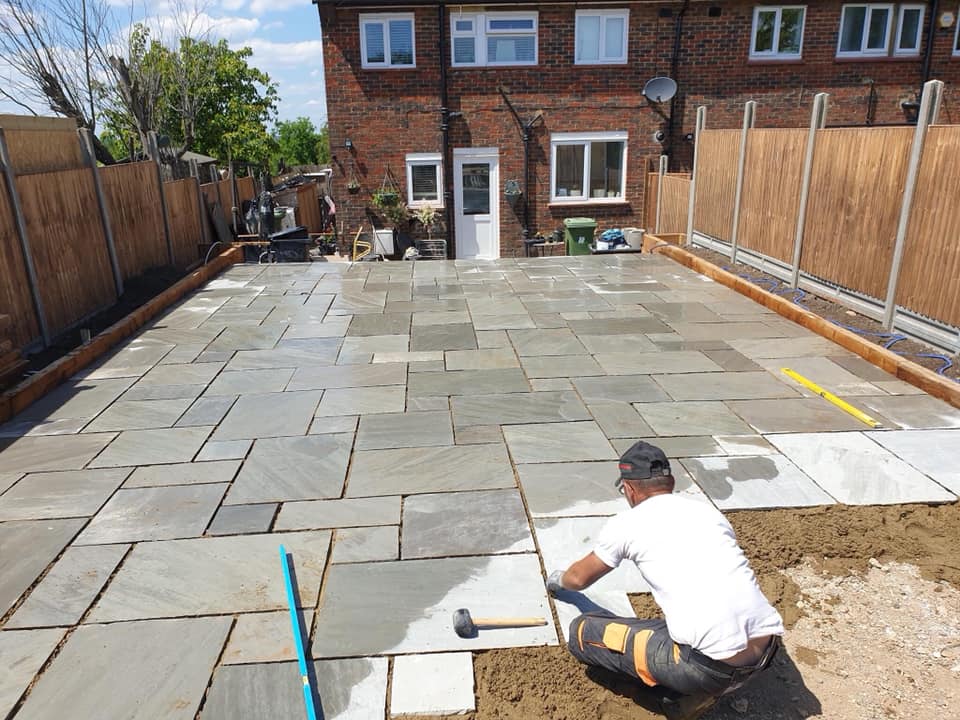
Going through the application process and ensuring all requirements are met can be challenging, especially if you’re unfamiliar with local regulations. This is where working with experienced paving contractors in Dublin, like New Style Driveways, can make all the difference. These professionals thoroughly understand Dublin City Council’s requirements and can guide you through each step of the process, from initial consultations to final approval.
Experienced contractors are also familiar with best practices in driveway design, ensuring that the finished product not only looks great but also complies with drainage and environmental regulations. A qualified contractor can anticipate potential issues and offer solutions, saving you from possible setbacks during both the application process and the installation.
Hiring a professional can ultimately streamline the process, reducing the stress and time investment required to get your driveway approved. For Dublin residents looking to install a tarmac driveway, partnering with a reliable contractor is an investment in both peace of mind and quality.
To make the driveway approval process as smooth as possible, keep these final tips in mind. First, start planning early. Gathering documents, consulting with the council, and preparing an application can take time. So, it’s best to start well in advance. This way, if there are any issues or unexpected requirements, you have time to address them without delaying the project.
Next, stay organised and keep all project-related documents in one place, from initial consultations to final approval letters. This can be particularly helpful if you need to provide additional information or check back on specific details. Clear communication with both the council and your contractor also ensures everyone stays on the same page, reducing the chance of misunderstandings or errors.
Finally, budget extra time for potential delays, especially if your driveway project is during peak seasons. Approval timelines can vary, and allowing for a cushion of extra time can help keep your project on track without feeling rushed.
In conclusion, obtaining approval for a tarmac driveway in Dublin doesn’t have to be an intimidating process. By following the steps outlined here and keeping Dublin City Council’s driveway requirements in mind, you can confidently approach the application process. Compliance with local regulations protects you from fines and future issues and ensures your driveway meets the city’s environmental and safety standards.
Whether installing a new driveway or upgrading an existing one, taking the time to get approval is a valuable step. For homeowners who want peace of mind throughout this process, consulting a trusted driveway contractor can provide the guidance needed to achieve a beautiful, compliant, and durable driveway. So, as you plan your driveway project in Dublin, don’t overlook the importance of getting it approved the right way.
Looking to install a Dublin tarmac driveway that’s fully compliant with local regulations? Our experienced team can guide you through every step, ensuring a smooth and hassle-free process. Call us today on (01) 4851582 or 0852139591 to get a free quotation!
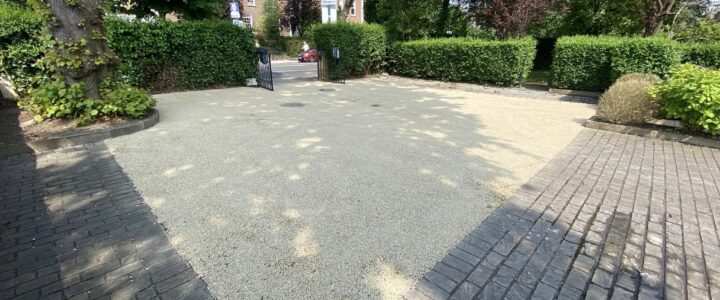
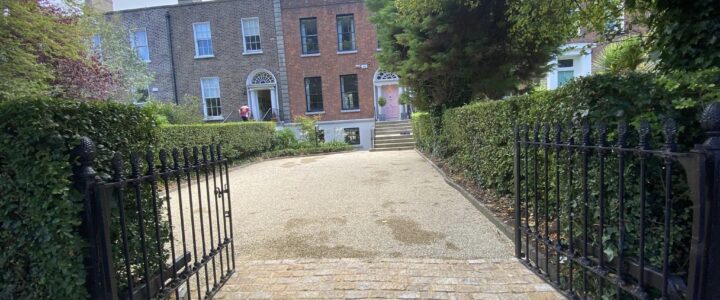
Tar and chip job completed in Ballsbridge Dublin with the ballylusk chip.
Get in touch for a free quote!