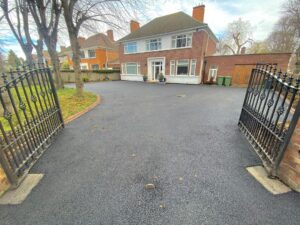
Tarmac Driveways Special Offer

How to Calculate the Cost of Tarmac Driveways in Ireland 2026

tarmacadam contractors dublin

If your driveway has a lot of potholes, accumulates a lot of water or becomes muddy when it rains, then it is time for you to repave it already. Besides, a damaged driveway is not only an inconvenience; it is also an eyesore and a safety hazard.

But before work can commence on this home improvement project, you have to decide on the type of driveway you would be installing. It sounds like a simple task, but it can actually be confusing, especially if you know little about driveways and the materials used to build them.

In case you didn’t know, there are different kinds of driveways. These drives mainly vary in terms of the primary material used to build them – gravel, tarmac, tar and chip, cobble block and concrete. Undeniably, one of the most popular types in Ireland is the tarmac driveway.

Let’s look at how to calculate the cost of tarmac driveways in Ireland in 2026:

What Is a Tarmac Driveway?

It is a driveway built using tarmac, short for tarmacadam. The word tarmacadam comes from the combination of tar, the material, and macadamizing, the process of laying gravel at the top of the pavement.

Macadamizing was derived from the surname of road construction pioneer and inventor John Loudon McAdam. However, McAdam wasn’t responsible for coining the term tarmacadam. It was actually Edgar Hooley who patented the process of adding tar to a macadamized pavement in 1901.
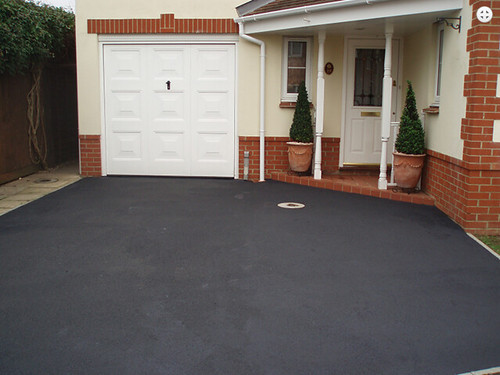
How to Calculate the Cost of Tarmac Driveways in Dublin, Ireland

Tarmac is composed of crushed stones or aggregate, which are coated with tar. But tar is rarely used these days as it makes tarmac more prone to damages brought about by oil or diesel spills.

What’s commonly used now as a binding agent is bitumen, a semi-solid byproduct of petroleum distillation. This is why tarmac is also widely called “bitmac” (bitumen and macadam) and asphalt.

This dark, bituminous material is laid on the surface as a hot mixture. After a few hours, it cools and forms a compact, smooth and hard-wearing surface.

Tarmac can be applied on top of any existing surface, so installing a driveway does not take a lot of time. In fact, you can have the installation completed in a single day.

 Whether you are planning to install a new driveway or resurface an existing one, tarmac is an excellent choice because of the numerous benefits it offers.
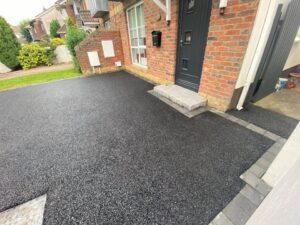
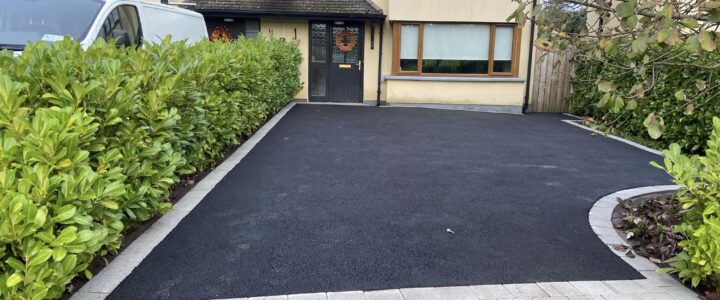
Tarmac Driveway Lucan 4

Are Tarmac Driveways Any Good?

Tarmac driveways are versatile, hard-wearing and cost-effective. They suit any type of property – be it a house in Meath or a commercial property in Dublin.

Lasting Aesthetic Appeal

With a tarmac drive, you can enhance your property’s overall aesthetics without breaking the bank.

It may surprise you to know that tarmac driveways aren’t just dark brown, grey or black. They can also be red, blue, green or pink, to name but a few.

This means that having a driveway that suits your property’s design, elevates its overall aesthetics and increases its value is possible with tarmac.

In addition, the beauty of these driveways does not quickly fade. They look new and fresh even after several years.

Easy and Fast Installation

You don’t have to wait long to get a tarmac drive. Depending on the size of your driveway, it is possible to complete the installation in a day. The drying process only takes 2 to 3 days, significantly shorter than concrete’s, around 7 days.

Durable

Another noteworthy characteristic of tarmac driveways is their durability. If you maintain them well, they can last for at least two decades.

They are weather-resistant, able to withstand the elements such as heat, hail, ice and water. As such, they are the ideal choice for property owners in Dublin and elsewhere in Ireland, given the country’s unpredictable weather.

Tarmac drives also hold up well to heavy traffic and big vehicles. Trucks and other large automobiles can drive or park on them, and they would still stay intact – no dents or cracks. This is why a tarmac driveway is perfect if you have a large vehicle or own several cars.

Low Maintenance

Furthermore, this type of drive is also very easy and cheap to maintain. You don’t have to spend a lot to fix dents and holes, as there is no need to overhaul the entire drive.

Affordable

Durability, low maintenance, quick and easy installation – these are all impressive characteristics. But what makes tarmac driveways popular is their affordability.

Tarmac is still one of the cheapest driveway paving solutions in Ireland. Since installing it is easy, labour fees are not that expensive as compared to other materials. Hence, building a tarmac driveway wouldn’t cost an arm and a leg.
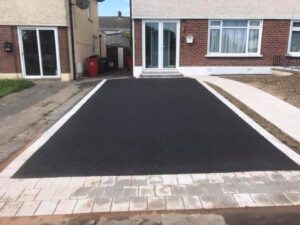
Tarmac Driveway with Silver Granite Border 2

How Much Does a Tarmac Driveway Cost in Dublin?

Tarmacing a driveway in Dublin costs an average of around €35 to €70 per square metre, already inclusive of material costs and labour fees.

As one of the cheapest paving solutions, tarmac is typically priced at €45 to €65 per square metre. This is significantly cheaper than other driveway paving solutions like block paving and concrete.

Installation costs for a Dublin tarmac drive are also lower than other types of driveways that require labour-intensive work. Labour fees make up a huge percentage of installation costs.

Professional tarmac installers in Ireland charge around €175 to €350 per day. Small driveways can be completed in a day or two, while big ones take approximately 7 to 14 days.

You should know that:

It is a common practice in the industry for at least two specialists to install a tarmac drive, even if it is just a small one. This approach allows them to do the job efficiently. It enables them to complete the project quickly without sacrificing the drive’s quality.

How to Compute the Cost of Tarmac Driveway in Ireland

The overall cost of a tarmac driveway in Ireland measuring 50 square metres is around €1,750 to €3,500.

Take note:

The final cost is not the same for all properties because various factors affect the price of tarmac driveways. These things need to be taken into consideration to determine the actual cost.

What are the factors that increase or decrease tarmac driveway prices in Dublin & Ireland?

Size

The bigger your driveway, the higher your overall expense would be. Most people think this is primarily because of material costs. However, it is installation costs, specifically labour fees, that increase the price.

Larger drives require more work and time. This means higher labour fees, as completing the project will take days.

Alternatively, the paving company may assign additional tarmac specialists to the project to cut down the number of days to complete the driveway.

Either way, you can expect to pay more for a 50-square-metre tarmac driveway than a 30-square-metre.

Shape

Tarmacing an oddly-shaped driveway also costs more due to the complicated nature of work required.

For one, professional pavers need to ensure that the drive has a slope for water to run off into the drain. If this is not done, water can accumulate on the drive. Worse, it can flow into the house instead.

In addition, edging must be done to prevent the driveway from cracking or moving. This would require timbre, block paving or concrete. Depending on the material you would be using, expect to pay an additional €25 to €120 per square metre.
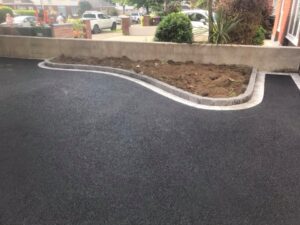
Tarmac Driveway with Silver Granite Edging Portmarnock 4

Location

Labour costs vary depending on the location. They are usually more expensive in urban areas or city centres as compared to rural places.

Moreover, some paving contractors charge an extra fee if they need to travel outside a certain radius.

Drainage System

Water should be diverted away from your property, and this is why a proper drainage system is necessary.

When water does not flow, it can pool on some areas of the driveway. This can hasten the degradation of the tarmac.

The options available are to connect to an existing soakaway or to create a new draining channel. Both options will increase the price of your tarmac driveway. But expect to spend more if you create a new channel, around €600 to €1,700.

Amount of Preparation Needed

If the property requires more work, labour fees will also cost more. For example, you will spend an additional €18 to €21 per square metre if excavation is needed.

Similarly, if slopes need to be created to ensure that water flows efficiently away from the house, you will spend around €41 per tonne to add the stone sub-base.

As compared to installing a new tarmac driveway, resurfacing an old one does not entail excavating or building a drainage system. Hence, resurfacing a tarmac driveway is significantly cheaper, around €10 to €18 per square metre.

Equipment Cost

Specialist pieces of equipment are used to complete the job quicker and achieve high-quality output. For example, while excavation can be done by hand, the job can be completed in a shorter time with a digger.

Depending on your tarmac paving company, you may need to pay for equipment hire costs. In most cases, if the contractor owns the equipment, then the fees are already included in the tarmac driveway quotation they would be giving you.
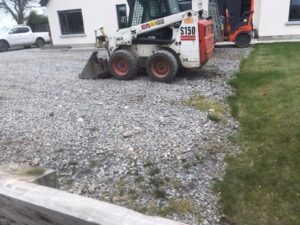
Tarmacadam Driveway Leinster


Is a Tarmac Driveway Cheaper Than a Concrete Driveway?

Tarmac driveways cost less than most types of driveways. As mentioned, this is primarily due to the low material costs and labour fees.

It is significantly cheaper than concrete drives, costing around €50 to €100 per square metre for materials alone.

Labour fees are also higher as installing this type of driveway requires more work and time. Professionals charge between €235 to €530 per day, depending on the complexity of the work. A 50 square metre driveway typically takes around 4 to 6 days to complete.

Apart from the driveway’s size and amount of work needed, the type of finish also affects the overall price. Generally, installing stamped concrete or adding staining costs more than a simple concrete driveway.

The average cost of a concrete driveway is around €80 to €120 per square metre. So, for a driveway measuring 50 square metres, you can expect to spend about €4,000 to €6,000. This is around 20% more than the cost of installing a tarmac drive.

Is a Tarmac Driveway Cheaper Than a Block Paving Driveway?

Tarmac driveways are also cheaper than block paving driveways. Just like concrete drives, block paving driveways are expensive because of the materials. In fact, block pavers are some of the most expensive paving solutions today.

Depending on the type of paver, you may spend €22 to €146 per square metre for the materials. Concrete pavers are the cheapest, around €22 per square metre. Composite blocks are the most expensive, with their price ranging from €105 to €146.

Laying block paving driveway is also labour-intensive. Hence, the fees that pavers charge are also higher for this type of project.

The average cost of a block paving driveway measuring 50 square metres is between €4000 to €6000. Undeniably, this is significantly more expensive than a tarmac driveway.
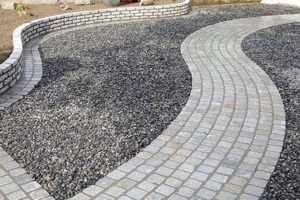
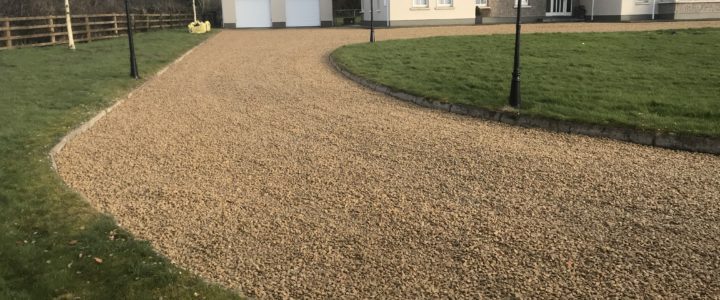
gravel dublin

Is a Tarmac Driveway Cheaper Than a Gravel Driveway?

Tarmac may be a low-cost material, but it is not the only affordable paving solution in the market. You also have gravel, which is currently the cheapest driveway material. Much like tarmac drives, gravel driveways are also easy to install. With these facts, it is clear that a tarmac driveway is more expensive than a gravel drive.

In Ireland, gravel driveways cost around €45 to €65 per square metre. So, for a 50 square metre driveway, you would be paying about €2,250 to €3,250, which already includes material and labour costs.

The overall cost depends on factors like the driveway size, type of gravel to be used, design of the driveway and location of the project. The amount of work required and the condition of the site also affect the price.

While gravel driveways are cheaper to install, they require more maintenance work as compared to tarmac drives. So, if you factor in upkeep costs, you are bound to spend more in the long run if you go for a gravel driveway.

Professional Tarmac Driveway Services in Dublin & Ireland

It can be difficult to accurately calculate the cost without knowing the dimensions of the driveway, its shape and the amount of work required.

So, if you want to know how much you need to spend on this home improvement project, it is best to contact a reputable tarmac driveway installer and request a quotation.

Before the tarmac contractor gives you the quote, expect them to ask questions and examine the driveway area. These are essential steps in coming up with an accurate tarmac driveway quote.

Here’s the thing:

You might be tempted to do the tarmac installation on your own to save on labour costs. This isn’t a good idea for a variety of reasons.

For one, you may end up with a low-quality driveway that can get damaged easily. When this happens, you would then be forced to hire professionals to repair it and do the job that you should have assigned to them in the first place.

Basically, going the DIY route can mean more expenses for you in the long run. You would not be in this predicament if you enlist the services of a reputable company.

The truth is that:

Professionally installed tarmac driveways can last decades. Hence, you do not have to worry about spending on a new driveway for many years.

But to reap this benefit, you need to ensure that your chosen company has people who are trained and experienced in installing this type of driveway. Keep in mind, the secret to a long-lasting tarmac driveway is proper installation.

Want to know the cost of installing a tarmac driveway in your house? Please call us now on (01) 4851582 or 0852139591 to get a free quotation.

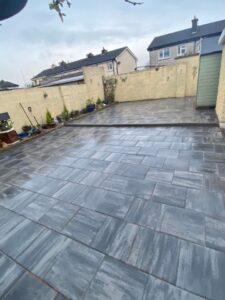
How Much Do Garden Paving Companies in Dublin Charge?

Back Garden Paving Clondalkin 3

Back Garden Paving Clondalkin 3Your garden is more than a bit of green—it’s an extension of your home where you may enjoy morning coffee, family barbeques, or quiet evenings. Over time, garden paving becomes a tempting upgrade: neat patios, practical walkways, attractive borders. When you’re ready to bring that dream to life, the question is obvious: How much will it cost? And perhaps more importantly, which garden paving companies in Dublin can you trust to do the job well?

Let’s talk cash and craftsmanship to help you feel confident about investing in your outdoor space—and choosing the right company to do it.

The Price Question: Why Costs Vary Widely Among Garden Paving Companies

Imagine two households in Dublin asking for identical 30 m² patios. One homeowner adds a curved walkway and integrated flower beds, while the other sticks to a simple rectangular slab. Even though it’s the same base area, the difference in labour, materials, and time means dramatic cost variations.

That’s the big truth: every paving job is unique. Factors like material choice, ground preparation, garden layout, and additional features (like drains, steps, or lighting) shift estimates pointlessly. Still, understanding these variables helps you make sense of quotes.

For a straightforward project—plain concrete slabs or standard sandstone lawns—you could be looking at €60–€120 per square metre. Step it up to higher-end porcelain, natural stone, or intricate patterns, and you’ll likely pay €100–€200 per square metre or more. Throw in curved edges, integrated drainage, or landscaping elements, and the price can reach €250–€500+ per square metre.

So when a paving company gives you a figure, think about what goes into it—not just the flagstones, but the prep, design adjustments, tools, waste disposal, and finishing touches.

How Experienced Garden Paving Companies Affect Value and Cost

There’s something to be said for hiring a well-established business with a strong track record. The crew you choose—and their craftsmanship—can save you from future headaches.

Look at companies like New Style Driveways in Dublin. Though they specialise in driveways, their approach carries over to garden paving: clear photos of past projects, professional site visits, and reliable guarantees. They don’t just install a patio—they assess drainage patterns, soil movement, edging options—all aspects that determine how long your paving endures.

An experienced team might charge a premium, but they’re also less likely to hit unexpected problems halfway through. They price realistically and avoid surprise bills because they’ve seen the same issues before. For some homeowners, it’s worth paying a bit more to guarantee quality.

Factoring in Materials: How Your Choice Shapes the Quote

One of the first decisions you’ll make is: what type of paving stones do you want?

Some homeowners go for classic concrete or resin-bound stones—economical and practical for garden paths. Others prefer natural sandstone or limestone for that rustic charm. Premium options like textured porcelain, granite, or reclaimed stone bring beauty and longevity, but at a cost.

Using natural stone often increases the total material expense, but it also adds weight and complexity to the install. A large slate patio can require additional machinery and manpower. That’s why the same garden size can have widely different quotes, depending on material.

And garden paving companies don’t just mark up stone—they consider waste, trimming, cuts around curves, and sealing. When they quote, they’re including more than you might expect.

Expect Higher Costs If Drainage or Excavation Is Needed

Even a seemingly simple patio can turn into a bigger project once you uncover surface issues. After all, Dublin’s weather means soggy winters and clay-heavy soil in many back gardens. If your paving sits on damp ground without proper preparation, it’ll shift and crack over time.

Reputable paving companies will dig deep enough to install a stable base—crushed stone or hardcore—compact, and add a fine grit for levelling. They’ll also handle drainage, from slots to channel runs or permeable paving options.

If your garden is sloped, has tree roots, or requires removing old surfaces, the labour and materials involved increase. Generally, such preparatory work adds €50–€100 per square metre. Do it right, and you’ll avoid sinking, pooling water, and uneven slabs for years.

Garden Features Can Drive Up the Price—but Add Joy, Too

Adding curves, inlaid patterns, timber decking borders, or raised beds makes your outdoor space unique—but it also adds time and cost. Cutting stone into curves takes patience and specialised tools. Building steps needs accuracy to avoid hazards. Incorporating lighting requires runs of cabling, trenching, and power integration.

These extra features can double or triple your base paving cost. But they’re often the features you love most after the install.

Smart paving teams price these extras transparently, explaining how long things take and why it matters. If you ever wonder why the quote jumped, you can look at the details—lighting designs, edging stone charges, specialist labour. That’s real value.

Choosing the Right Garden Paving Company: Not Just About Price

When you interview garden paving companies in Dublin, talk about more than cost. Ask if their quotes include waste removal, if they carry liability insurance, or provide guarantees. A good team will also mention VAT, council permits (if needed), and estimated time.

And of course, ask to see their past work—preferably in gardens like yours. Does their finish look consistent? Have they tackled tricky ground levels or drainage? Pictures online are great, but seeing an actual job you can walk on is best.

I once saw a patio that looked flawless in pictures, but at a site visit, the slabs weren’t level. That kind of problem tells you more than any brochure.

Why Location and Access Matter on the Final Cost

Transportation logistics may seem minor, but access can make or break a project. In Dublin’s terraced homes or narrow suburbs, delivery trucks and diggers can’t always reach. In those cases, labourers may need to wheelbarrow stones through the garden—driving up time and costs.

If your garden backs onto a laneway or has space for machinery, installation is smoother and cheaper. Otherwise, expect a surcharge—usually 10–20% on labour—because the job simply involves more effort.

Good paving companies will check access during pre-quote visits. If they don’t ask about it, that’s a sign they may underestimate or overcharge later.

When to Ask for a Breakdown of Your Quote

Sometimes quotes come lumped together: “€10,000 for 50 m² patio plus path.” It’s tempting to glance at a single figure, but it’s worth requesting a breakdown. Separating material costs, labour, prep work, features, and waste lets you compare quotes effectively.

For example, you might find one company charges €5,000 for base prep and another only €3,000—meaning they might be taking shortcuts. Or they use different materials under similar names. When costs are clearly listed, negotiation is easier and you avoid surprises.

The Importance of Guarantees and Aftercare

After the last slab is laid, a great garden paving company doesn’t disappear. They offer aftercare advice—how long to wait before using the patio, how to prevent weeds, suitable cleaners, sealing options, and warranty terms.

Reputable teams may offer a two- or five-year warranty against sinking, material defects, or poor workmanship. That level of confidence speaks volumes. And if they pop back to fix shifting stones or damaged grout, it shows they value your satisfaction beyond payment.

Negotiating with Confidence

You might very well be able to negotiate. If a number of reputable garden paving companies gave similar quotes, ask if adjustments can be made. Not a payment of €300/m² for porcelain, but maybe €270 if you choose stone edging instead of timber, or skip the channel drain (assuming slope is okay). Being clear on must-haves versus extras can help.

Just make sure you’re not compromising on essentials—undermining base prep to save €30/m² now almost always costs more later.

Garden paving is more than landscaping—it’s an investment in your home’s appearance and functionality. Detailed preparation, smart material choices, and careful selection of your contractor make all the difference. In Dublin, costs can range widely, but transparency in quotes, quality in workmanship, and aftercare ensure your money serves you well.

Reach out to trusted garden paving companies in Dublin, share your ideas, and ask for clear, itemised quotes. Your garden upgrade is closer than you think. No matter what budget or style you choose, ask questions, seek real examples, and expect clarity. The right company will help you feel great about your paved paradise for years to come. If you need to know more about garden paving services, our team is available to address your queries. Call us at (01) 4851582 | 0852139591 or click here to reach us today!


Asphalt Back Garden Completed in Dublin – A Smart, Zero-Maintenance Choice

Asphalt back garden

Asphalt back gardenTransforming outdoor spaces is all about combining style, function, and low maintenance. That’s exactly what was achieved with a recently completed asphalt back garden project in Dublin. Designed with simplicity and durability in mind, this upgrade offers a modern, smooth finish that eliminates the need for ongoing upkeep. For homeowners looking to improve their outdoor areas without the constant maintenance that comes with lawns or paving, asphalt is quickly becoming the go-to choice.

Unlike traditional garden surfaces like gravel or grass, asphalt provides a solid, uniform look that stays clean and neat year-round. This zero-maintenance solution means no more weeding, mowing, or power-washing. It’s particularly ideal for families, busy professionals, or rental properties where low effort and long-lasting durability are essential. In addition to its practical benefits, asphalt adds a touch of modernity and elegance that instantly elevates the overall look of any home.

Why Choose Asphalt for Your Outdoor Space?

Asphalt is one of the most cost-effective and reliable surfacing options available today. Known for its strength and smooth appearance, it’s perfect not only for driveways but also for patios, walkways, and garden areas. It offers a clean and uniform surface that’s resistant to weathering, cracking, and weed growth, making it an excellent long-term investment.

One of the biggest advantages of choosing asphalt is its fast installation and quick-setting nature. In most cases, your new surface can be ready for use within just a day or two. Whether you want a clean space for outdoor gatherings, kids to play, or just a tidy and attractive garden, asphalt offers unmatched convenience and style.

If you’re considering giving your outdoor space a hassle-free upgrade, get in touch today for a free, no-obligation quote. The team at New Style Driveways covers Dublin and surrounding areas, offering expert workmanship and reliable service with every project.

How to Choose the Right Asphalt Driveway Contractor in Ireland

Asphalt driveway in Cabra

Asphalt driveway in Cabra

For many homeowners across Ireland, investing in an asphalt driveway is about more than just convenience—it’s about creating a durable, polished entrance to your property that can stand up to Ireland’s ever-changing weather. Asphalt driveways are known for their strength, low maintenance, and sleek finish, but all those benefits only come into play when the work is done properly. And that’s why choosing the right contractor for the job is one of the most important decisions you’ll make in the process.

A professionally done asphalt driveway installation can last for decades. On the other hand, a rushed or poorly executed job can lead to premature cracking, water damage, and uneven surfaces that cost you more to repair than the initial build. So, how do you make the right call when searching for an asphalt contractor in Ireland?

Let’s explore what sets great contractors apart, why experience matters, what red flags to watch out for, and how to ensure you’re getting the quality workmanship your home deserves.

Why Experience Matters in Asphalt Driveway Installation

One of the biggest differences between a smooth, long-lasting driveway and one that begins to fall apart in a year or two is the experience of the team behind it. Installing asphalt is as much about timing and technical skill as it is about having the right tools. In Ireland, where the climate shifts quickly and drainage is critical, there’s no room for shortcuts.

Experienced contractors understand the importance of grading the driveway correctly to avoid pooling water. They know how deep to excavate and what kind of base materials will provide the strongest support. They’re also used to working around Ireland’s wet spells and won’t push forward on a job when the weather isn’t cooperating. These nuances might seem minor, but they’re what separate a professional finish from a patchy, uneven one.

The best contractors are often those who focus specifically on surfacing work, rather than general builders who only handle driveways occasionally. Specialisation matters here. You’ll want someone who has not only laid hundreds of driveways but also has seen how their work holds up five or ten years down the road.

What to Look for in a Reliable Contractor

There are a few hallmarks of a trustworthy asphalt contractor. One of the first things to pay attention to is how transparent they are about the scope of work. The more detailed the quote, the better. It should explain what materials will be used, how thick the asphalt layer will be, whether edging is included, and how they plan to handle drainage. A good contractor doesn’t just give you a number—they walk you through the entire plan and explain how they came to that figure.

Their portfolio is another important piece of the puzzle. Established companies like New Style Driveways, for example, show off past projects on their website to help you visualise what’s possible. Even better is when they can point to completed driveways in your area that you can check out yourself. Seeing real-life results can help you feel more confident about the kind of finish you can expect.

Don’t underestimate the value of reputation either. Feedback from neighbours or local online forums can be incredibly revealing. When people take the time to write a glowing review—or issue a warning—it’s usually because their experience was either exceptionally good or frustratingly poor. When you start seeing a pattern in feedback, whether it’s praise for punctuality and craftsmanship or complaints about delays and poor communication, take note.

Spotting Red Flags Before You Commit

Just as it’s helpful to know what makes a contractor reliable, it’s equally important to be aware of warning signs. For starters, if someone doesn’t have a proper business address, website, or any trace of online presence, proceed with caution. In this day and age, most reputable businesses invest in some level of visibility. A contractor who’s difficult to find might also be difficult to reach if something goes wrong after the job is done.

Another major red flag is when a contractor insists on full payment before work has begun. While paying a deposit is standard practice, asking for the entire fee upfront is not. Good contractors usually break payments into stages: a deposit to get started, a second instalment midway, and the remainder after the work is completed to your satisfaction.

Finally, be cautious of anyone who won’t provide a written contract. This is your protection in case the agreed work isn’t delivered as promised. Even if you’ve had a great conversation and everything sounds fine verbally, if it’s not on paper, it’s not guaranteed.

The Importance of Ground Preparation

One of the most critical aspects of any successful asphalt driveway installation is the preparation that happens before the asphalt is poured. And yet, this is often where less reputable contractors cut corners.

Proper ground prep involves excavating the area to a sufficient depth, laying a strong and compacted base, and ensuring there’s adequate drainage. Without this groundwork, the asphalt may begin to crack, dip, or develop soft spots. These problems often don’t appear right away, which is why they’re so dangerous—they show up months later, long after the contractor is gone.

Ask your contractor to explain their plan for preparing the site. A good contractor won’t just tell you they’ll “sort it out.” They’ll be able to describe the process step by step and tell you how they’ll ensure your driveway lasts.

Why Drainage and Edging Should Never Be an Afterthought

In a place like Ireland, where rainfall is frequent and often heavy, drainage is not just a bonus—it’s essential. A flat driveway without a slight slope or built-in channels can quickly turn into a shallow swimming pool. Over time, that standing water seeps into cracks, freezes in winter, and causes the surface to break apart.

Professional asphalt installers account for this from the very beginning. They might design the driveway with a gentle slope away from your home or add discreet channel drains at critical points to direct water away from the surface.

And then there’s edging. You might think it’s purely decorative, but in reality, edging plays a crucial structural role. It holds the asphalt in place and keeps the edges from crumbling or sinking over time. Whether it’s concrete kerbing, granite setts, or brick borders, proper edging finishes the job both visually and structurally.

What Kind of Finish Should You Expect?

If you’ve noticed that some asphalt driveways look smoother or darker than others, you’re not imagining things. The type of finish depends on the mix used, the quality of installation, and whether or not any sealants are applied.

Traditional asphalt has a matte, slightly rough texture. Some homeowners prefer this for its grip, especially on sloped driveways. Others may opt for a finer mix or even seal-coated finishes that look shinier and repel water and stains more effectively. While fancier finishes may cost more upfront, they can also extend the lifespan of the driveway and reduce maintenance needs.

Whatever your preference, discuss it with your contractor in advance. They should be able to guide you based on your budget, usage, and how much maintenance you’re willing to take on.

Questions Worth Asking Your Contractor

Before any contracts are signed or work begins, take the time to sit down with your contractor and have a thorough conversation. Ask them how long they’ve been doing driveway installations in Ireland and whether they handle all the work themselves or bring in subcontractors. Find out what kind of base they use, how deep they excavate, and what their plan is for dealing with drainage.

You should also ask about timelines, warranties, and what happens if unexpected issues come up. Their answers will tell you a lot—not just about their process, but about how transparent and client-focused they really are.

Don’t Overlook Aftercare and Maintenance

Once your driveway is complete, your contractor should provide you with clear aftercare instructions. Generally, you’ll want to avoid driving or parking on the surface for the first couple of days. Keeping the surface clean and free of debris also helps prolong its life.

Over time, sealing the asphalt can help maintain its appearance and durability, especially in high-traffic areas or locations with intense sunlight. Minor cracks should be filled early to avoid them spreading, and any oil spills should be cleaned promptly to prevent staining.

Why Local Knowledge Counts

When hiring a contractor, working with someone local offers more than just convenience. A contractor based in Ireland understands the local weather patterns, soil conditions, and even council regulations. They know how to build driveways that can cope with the amount of rainfall we get, and they’re often more responsive when it comes to follow-up work or future adjustments.

Plus, there’s a reputational incentive. A local company is part of the community—they’re not going to vanish after a job is finished. Their reputation matters, and that often means they’ll go the extra mile to make sure you’re happy.

Choosing the right contractor for your asphalt driveway installation isn’t just about getting the lowest quote. It’s about hiring someone with the skills, experience, and professionalism to deliver lasting results. A well-built driveway adds value to your property, keeps your home looking sharp, and saves you from repair costs down the road.

So take your time. Do the research. Ask the questions. And when in doubt, remember this: the best contractors don’t just promise a perfect finish—they have the portfolio, the reputation, and the process to back it up.

If you’re considering upgrading or replacing your driveway, make sure you work with someone who understands how to handle every layer of the job—starting from the ground up. Call us at (01) 4851582 | 0852139591 or click here to reach us today!

Is Your Driveway Missing the Final Touch? Discover the Best Tarmac Edging Options in Dublin

Tarmacadam driveway completed in Kilmessan Meath 02

Tarmacadam driveway completed in Kilmessan Meath 02You’ve invested in a beautiful new tarmac driveway. It’s clean, functional, and definitely boosts your home’s kerb appeal. But something still feels unfinished. That missing piece? It could very well be the edging.

Tarmac edging isn’t just about looks—it plays a crucial role in preserving the integrity of your driveway, making it last longer while keeping it neat and defined. Whether you’re in the middle of a driveway renovation or planning one soon, understanding your edging options could be the smartest move you make.

If you’re in Dublin and wondering how to elevate your driveway from standard to standout, you’re in the right place. Let’s walk through what makes tarmac edging in Dublin so essential and explore the best choices available locally.

Why Tarmac Edging Matters More Than You Think

It’s easy to overlook edging, especially when your main focus is the surface of your driveway. But skipping this step is a bit like buying a frame-worthy photo and never bothering to hang it properly. Without proper edging, even the best-laid tarmac driveways can suffer from:

  • Cracks and crumbling edges caused by water runoff and soil erosion

  • Loose gravel or lawn encroachment that breaks the clean lines of your driveway

  • Reduced durability, as the edges are more exposed to wear and tear

In short, edging acts as a physical boundary. It holds everything in place and helps your driveway stand up to Irish weather—especially those relentless Dublin rainstorms.

But more than function, edging adds a polished finish to your property. Think of it as the trim on a tailored suit. Without it, something just feels off.

Tarmac Edging Dublin Homeowners Trust: The Top Material Options

In Dublin, you’ll find that some tarmac edging materials are more popular than others due to their resilience and visual appeal. Here are a few top choices that professionals like those at New Style Driveways often recommend:

Cobblestone Edging for Classic Charm

Cobblestones give your driveway an old-world, timeless look. They’re perfect if your home leans more traditional or if you’re trying to match existing stone features on your property.

These stones are tough, weather-resistant, and provide a lovely contrast to smooth black tarmac. They’re also great for curved or winding driveways, thanks to their small, modular size.

Brick Edging for Versatility

Brick edging is another solid option that works well with both contemporary and classic homes. Available in various colours—red, grey, tan—it allows for a pop of colour or seamless blending, depending on your style.

In Dublin, where many homes have brick accents or garden walls, brick edging can tie everything together beautifully.

Concrete Kerbing for Sleek Precision

If you’re after a clean, modern finish, concrete kerbs might be your best bet. They’re highly durable and ideal for defining the perimeter of your driveway with crisp lines.

This type of edging is low maintenance and tends to be more budget-friendly, making it a popular choice for suburban homes across Dublin.

Natural Stone Edging for Luxury Appeal

Want to go all out? Natural stone edging delivers luxury and uniqueness in spades. Whether it’s granite, limestone, or sandstone, stone edging provides that wow factor.

While it’s on the pricier end, the long-term value is undeniable—especially if you’re looking to increase your property’s market value.

How to Choose the Right Tarmac Edging in Dublin

Choosing the right edging isn’t just about looks. It also depends on your driveway’s layout, your lifestyle, and yes—your budget. Here are some quick things to consider before you make a final decision:

  • Traffic volume: If your driveway sees multiple cars daily, go for durable materials like concrete or stone that won’t chip easily.

  • Driveway shape: Curved driveways benefit from smaller edging materials like cobblestones, while straight driveways can use longer kerbing sections.

  • Climate considerations: Dublin’s wet winters mean drainage matters. Your edging should help direct water away from the tarmac, not trap it.

  • Garden integration: If your driveway borders flower beds or lawns, choose edging that doubles as a separator to prevent soil spill-over.

Still unsure? This is where getting professional advice from a local specialist really pays off. Companies like New Style Driveways offer consultations to help homeowners find the perfect balance of style and practicality.

Common Mistakes Dublin Homeowners Make With Tarmac Edging

Believe it or not, even the best-looking driveways can fail over time if the edging isn’t done properly. Here are a few pitfalls to avoid:

Skipping the Edging Altogether

Some homeowners try to save a few euros by leaving out edging completely. This usually backfires, leading to crumbling borders, shifting tarmac, or even weed infestations. In the long run, you’ll spend more on repairs than you saved.

Choosing Looks Over Function

It’s tempting to choose the prettiest material, but if it’s not suited for your driveway’s usage or layout, it won’t hold up. Always balance visual appeal with functionality.

Poor Installation

DIY tarmac edging might sound like a weekend project, but it often leads to uneven lines, weak stability, or drainage problems. When in doubt, call in the pros—it’ll save you headaches later.

Installation Tips: What to Expect From the Professionals

If you’ve decided to invest in professional tarmac edging in Dublin, it helps to know what to expect. Here’s how the process generally works:

  1. Assessment – A contractor will visit your property to assess the shape and size of your driveway, the condition of the tarmac, and your landscape.

  2. Design and Planning – You’ll choose the edging material, layout, and possibly even colours to match your home’s exterior.

  3. Excavation and Preparation – The team will dig out trenches along the driveway’s edges and prepare the base with sand or mortar.

  4. Edging Installation – Your chosen edging is laid in place with the proper support to ensure longevity and alignment.

  5. Finishing Touches – They’ll secure everything, clean up, and possibly seal the edges depending on the material.

A professional job can usually be completed within a day or two, depending on the complexity. And with proper care, the results will last for decades.

The Long-Term Benefits of Quality Tarmac Edging

You might be wondering if all this effort and cost is worth it. The answer? Absolutely. Here’s why homeowners across Dublin are making edging a non-negotiable part of their driveway upgrades:

  • Increased durability: Your tarmac stays intact and crack-free for longer.
  • Better drainage: Rainwater is directed away instead of pooling at the edges.
  • Low maintenance: Keeps weeds, soil, and gravel from disrupting your driveway.
  • Higher property value: Curb appeal matters when it comes time to sell.
  • Smoother transitions: Whether stepping out of your car or pushing a wheelbarrow, edged driveways are easier to navigate.

When you consider how often you use your driveway, these small details make a big difference over time.

Who to Call for Tarmac Edging in Dublin

Finding the right contractor is just as important as picking the right materials. Look for companies with proven experience with tarmac edging, like New Style Driveways in Dublin. They offer a range of driveway solutions and understand how to tailor your edging choices to your home and lifestyle.

Before hiring anyone, don’t be afraid to ask for:

  • A portfolio of past work
  • Customer testimonials
  • A detailed quote
  • Clarification on timelines and materials

Your driveway is a long-term investment. A reputable installer will respect that and deliver results that are both beautiful and built to last.

The Final Touch That Makes All the Difference

When it comes to driveways, the devil really is in the details. Edging isn’t just the finishing touch—it’s a crucial element that protects your investment, boosts your kerb appeal, and keeps everything looking sharp and tidy.

If you’re considering new tarmac or thinking about upgrading your existing driveway, don’t overlook the importance of proper edging. With the right materials and a skilled team behind the job, you’ll enjoy a driveway that doesn’t just serve its purpose—it elevates your entire home.

Thinking of adding tarmac edging to your Dublin driveway? Talk to a trusted local professional today and discover how the right edging can transform your driveway from functional to fantastic. It’s one small detail that makes a massive difference—don’t wait to get started. Call us at (01) 4851582 | 0852139591 or click here to reach us today!


What Dublin Gravel Driveway Contractors Wish You Knew Before Getting a Quote

Dublin Gravel Driveways

Dublin Gravel Driveways

Getting a gravel driveway quote in Dublin might seem straightforward, but many homeowners are surprised by what’s not included. They expect a quick price and a fast install, only to encounter unexpected costs, confusing line items, or mismatched expectations down the road.

The truth is, Dublin gravel driveway contractors deal with these misunderstandings all the time. And they would love it if homeowners had a clearer picture before requesting quotes. In this blog, you’ll discover the key factors that affect your driveway price—and how to ask the right questions before committing to a contractor.

1. Site Prep Isn’t Included in Every Quote

Why Dublin Gravel Driveway Contractors Emphasise Site Conditions

One of the most common surprises for homeowners is that basic site preparation isn’t always included in the initial quote. Removing old materials, clearing vegetation, levelling uneven ground, and compacting the sub-base are often priced separately.

Gravel driveway contractors consider the current condition of your site before determining the full cost. If your property has slopes, poor drainage, or remnants of an old driveway, expect additional prep work. The better your contractor understands the site, the more accurate and realistic the quote will be.

Common Site Prep Tasks That Impact Your Quote

Site preparation might involve breaking up and removing old concrete or tarmac, clearing tree roots and overgrowth, levelling uneven ground, or stabilising soft soil through compaction. Each of these tasks adds labour time and requires machinery, and is often not included in a base estimate. This is why site inspection is critical before expecting a firm quote—what lies beneath the surface matters as much as what goes on top.

2. Not All Gravel Is Equal (and It Affects Cost and Longevity)

Gravel Driveway Installers Consider Material Type a Key Factor

It’s easy to think of gravel as one-size-fits-all, but contractors know that your choice of material can make or break your driveway. Options like pea gravel, crushed stone, and granite chips each have different drainage capabilities, visual appeal, and levels of durability.

For example, crushed stone creates a firmer surface for vehicles, while rounded pea gravel shifts more easily and may need frequent top-ups. Your contractor will guide you based on your driveway’s intended use. However, understanding the material choices upfront can help avoid mismatched expectations and early repairs.

Choosing the Right Gravel for Your Property

If you want a clean, polished look, decorative granite chips may be the way to go. For high-performance needs, crushed stone is typically better at handling vehicle traffic due to its compactable texture. If you’re aiming for a softer feel underfoot, such as in garden paths, pea gravel might suit you, although it does come with higher maintenance.

Each choice comes with different pros, cons, and cost implications. So, it’s worth discussing options early with your contractor.

3. Drainage Planning Can Make or Break Your Driveway

How Driveway Contractors Prevent Washouts and Potholes

One of the biggest hidden factors in any gravel driveway quote is drainage. Without proper planning, your beautiful new driveway could develop potholes, sinkholes, or water erosion within months.

Trusted gravel driveway contractors in Dublin will assess slope, soil composition, and runoff flow to ensure water drains away from your drive, not into it. This may involve grading, installing trenches, or adding geotextile layers. These aren’t “extras”—they are critical for protecting your investment.

Drainage Features That May Add to Your Cost

You may need surface grading to direct water away from the driveway or install trench drains, soakaways, or permeable base layers. In some cases, contractors might recommend perforated pipe systems or French drains to control runoff. Though often left out of base quotes, these solutions are crucial for preventing costly structural damage later.

4. Edging Adds Cost—But It Also Adds Stability

Why Professional Gravel Driveway Contractors Recommend Edging

Edging might seem like a finishing touch, but it plays a massive role in the long-term integrity of your driveway. It keeps gravel in place, prevents erosion, and creates clean, defined borders.

Contractors often quote edging separately because not every client requests it, but most professionals highly recommend it. Whether timber, stone, concrete, or metal, a good edging solution helps reduce future maintenance and keeps your driveway looking sharp.

Types of Edging and What They Cost

Timber edging is often the most budget-friendly option but may need more frequent maintenance. Concrete kerbs offer a strong, clean border, while stone or brick options add a premium feel. Though modern and sleek, steel edging is usually priced higher but excels in durability and minimal visual impact.

5. Cheap Quotes Often Skip Long-Term Durability

Gravel Driveway Contractors Warn Against Cutting Corners

Low quotes can be tempting, primarily if you work within a tight budget. But reputable driveway contractors know that cheap often means compromises—fewer sub-base layers, lower-grade materials, or rushed installations.

What looks like a bargain may lead to early potholes, poor drainage, or complete resurfacing within a year or two. Always ask what’s beneath the surface: How many layers will be installed? What materials are being used? A solid base and careful construction are what truly determine your driveway’s lifespan.

What a Proper Gravel Driveway Should Include

A well-constructed gravel driveway should start with a geotextile membrane to suppress weeds, followed by a deep layer of compacted hardcore for stability. On top of this, contractors often add an intermediate gravel layer for added structure, finishing with a decorative or high-performance top layer. The quote may also cover drainage work and edging, all contributing to long-term value.

6. Size and Access Can Change the Final Price

Why Professional Gravel Driveway Contractors Ask About Driveway Access Early

If your driveway is down a narrow lane, slopes steeply, or has limited access for machinery, expect this to affect your quote. Labour may increase, equipment may need to be smaller or more manual, and timelines can be longer.

Driveway contractors for gravel always evaluate access first because it impacts logistics, crew size, and delivery. Letting them know about tricky entrances, low-hanging wires, or tight turns early on avoids re-quotes and delays later.

Other Factors That Influence Cost Beyond Size

The overall shape of your driveway (such as curves versus straight lines), proximity to main roads, and available space for equipment staging can all affect your project cost. Contractors also consider boundary issues, shared access with neighbours, or limited working hours, especially in dense residential areas.

7. It’s Okay to Ask Questions—Here’s What to Ask

Questions to Ask Gravel Driveway Contractors Before You Commit

Many homeowners feel awkward questioning contractors, but professionals welcome it. It shows you’re serious about quality and transparency.

Not sure what to ask? Start here: Is site preparation included? What type of gravel do you recommend and why? How do you handle drainage issues? What does the base structure consist of? Is edging included in the quote?

Use These Questions to Spot the Right Fit

The best gravel driveway contractors in Dublin won’t just give short answers. They will explain their process, provide photos of previous work, and offer clear documentation. If someone avoids your questions or rushes the quoting process, consider that a red flag.

In conclusion, gravel driveway quotes can be tricky to compare if you don’t know what affects the final cost. Factors like site prep, gravel type, drainage planning, edging, access, and base layers play a role, yet many aren’t detailed in surface-level estimates.

By understanding the behind-the-scenes work gravel driveway contractors deal with, you can approach quotes with confidence. You’ll know what to ask, what to expect, and how to spot a quality-focused contractor offering real value, not just a low number.

Thinking about getting a gravel driveway quote? Talk to Dublin gravel driveway contractors you can trust—New Style Driveways delivers transparent pricing, durable results, and no surprises. Call (01) 4851582 or 085 213 9591 now and take the first step toward a driveway built to last.

How to Choose the Perfect Tarmac Driveway Edging for Your Dublin Property

Tarmac Driveway with Silver Granite Edging Portmarnock 4

Tarmac Driveway with Silver Granite Edging Portmarnock 4

Dublin’s weather is notoriously unpredictable, and your driveway often bears the brunt of it. Relentless, drizzling rain seeps into every crevice. Sharp, biting frosts crack and crumble even the sturdiest surfaces. The edges of your tarmac are constantly under attack. This daily wear leads to unsightly deterioration, leaving your driveway looking worn and neglected — and potentially requiring costly repairs. It’s a common problem for property owners across Dublin, who struggle to maintain their driveways amidst the ever-changing climate.

However, this doesn’t have to be your reality. The right tarmac driveway edging acts as a robust shield. It can protect your driveway from the elements while simultaneously adding a touch of sophistication to your property. It’s about combining practicality with aesthetic appeal, ensuring your driveway remains both functional and visually appealing, regardless of what the Irish weather throws at it. So, how do you choose the perfect tarmac driveway edging for your Dublin property? Let’s break it down.

Why Tarmac Driveway Edging Matters

Tarmac driveway edging plays a much larger role than just looking neat. It acts as a barrier that strengthens the outer boundary of your driveway, preventing the edges from cracking, crumbling, or eroding over time.

In a climate like Dublin’s, with consistent rainfall and the occasional freeze, edging provides crucial structural support. It preserves the integrity of the tarmac, especially along the edges where wear and tear tend to appear first.

Equally important is how edging contributes to overall driveway performance. It reinforces the base layers and helps prevent movement caused by pressure or shifting soil. When paired with proper drainage, it also supports your overall driveway design by guiding surface water away.

On the aesthetic side, edging adds definition and a polished finish to your property’s exterior. It creates a clear boundary that enhances visual appeal and gives your driveway a finished, professional look. Without it, even a freshly laid tarmac surface can look incomplete—and start failing sooner than expected.

In short, edging is both a protective and visual asset that no quality driveway should be without. It’s a small detail that delivers significant long-term benefits in terms of durability, appearance, and property value.

Popular Tarmac Driveway Edging Materials in Dublin

With so many materials to choose from, it’s important to understand what each one offers in terms of appearance, performance, and maintenance. Your chosen edging material will shape not just how your driveway looks. It will also impact how well your driveway holds up over time—especially in Dublin’s demanding climate.

Brick Edging

Brick edging is a timeless option that brings both colour and texture to your driveway. Known for its classic appeal, it suits properties with traditional or period-style architecture and blends well with red-toned or black tarmac. Patterns like herringbone or stretcher bond can add extra visual interest and a refined finish.

In addition to its charm, brick edging offers long-term durability, with a lifespan of 15 to 25 years when properly maintained. Individual bricks are relatively easy to replace if damaged, making it a practical choice for driveways that experience occasional wear and tear.

However, brick edging requires a solid subbase to ensure structural integrity. Over time, you may need to repoint the joints or apply sealant to prevent weed growth between bricks. With a bit of occasional upkeep, brick edging can retain its crisp appearance and continue enhancing your driveway’s kerb appeal for years to come.

Stone Edging

Stone edging brings a natural, high-end finish that works especially well on properties with stone façades or mature landscaping. Materials like Wicklow granite and Irish limestone are popular choices. Thanks to their distinctive textures—granite offering a more rugged, speckled look, and limestone providing a smooth, subtle aesthetic.

Stone is not only visually impressive but also incredibly durable. When properly installed, it can last for several decades, making it one of the most robust edging materials available. It’s ideal for properties that aim for long-term performance and elevated visual appeal.

That said, stone edging comes with a higher upfront cost and typically requires skilled installation, particularly on sloped or curved driveways. But for those seeking a premium finish that withstands the elements beautifully, stone is a solid investment.

Concrete Edging

Concrete edging offers a practical, cost-effective solution with a clean and contemporary appearance. It’s highly versatile—available in precast units for uniformity or poured on-site for custom shapes and finishes. Coloured or stamped options can even replicate the look of brick or stone, providing a budget-friendly alternative to more expensive materials.

Performance-wise, concrete is reliable and long-lasting, particularly when installed over a compacted base. It offers strong resistance to weathering and is less prone to shifting compared to lighter materials.

However, concrete can lack the warmth or organic character of natural materials unless it’s carefully designed. And while it’s one of the most affordable options, it does carry a higher environmental footprint due to cement production. This is something environmentally conscious property owners may want to factor into their decision.

Timber Edging

Timber edging offers a softer, more natural look that blends seamlessly with gardens or informal landscaping. It’s often chosen for properties with a rural or cottage-style feel and provides a relaxed, organic border for tarmac driveways.

Its biggest advantages are affordability and ease of installation, making it a great choice for those seeking a low-cost or temporary solution. Timber can be installed quickly and adjusted to suit a range of layouts.

On the downside, timber is highly vulnerable to moisture and rot, particularly in damp environments like Dublin. Even when treated, it typically needs reapplication of preservatives annually and may only last five to ten years. For this reason, timber edging is best suited to low-traffic areas or short-term driveway improvements.

Steel or Metal Edging

For a sharp, architectural finish, steel or aluminium edging offers a clean and modern alternative to traditional materials. Galvanised or powder-coated metals are designed to resist rust and corrosion, making them especially durable in Dublin’s wet conditions.

Metal edging is ideal for properties with minimalist or contemporary design. Its sleek profile creates a defined boundary without distracting from the surrounding hardscape or garden features. It also requires very little maintenance, offering long-term reliability with minimal upkeep.

While more expensive than timber or concrete, metal edging delivers excellent performance over time. Just note that it may not suit properties with classic or rustic design elements, as the industrial aesthetic can feel out of place in more traditional settings.

How Much Does Tarmac Driveway Edging Cost in Dublin?

The cost of tarmac driveway edging in Ireland can vary significantly depending on the materials chosen, the size and shape of your driveway, and the complexity of the installation. On average, you can expect to pay between €40 and €60 per metre for brick edging, while natural stone such as Wicklow granite or Irish limestone can range from €60 to €90 per metre when professionally installed.

Concrete edging is a practical and budget-conscious option, with prices typically ranging from €30 to €50 per metre. Basic material-only costs for standard precast kerbs can be as low as €10 to €20 per linear metre.

Timber edging remains the least expensive overall, often falling between €20 and €35 per metre. Meanwhile, steel or galvanised metal edging can range from €50 to €80 per metre, depending on the finish and thickness.

Labour costs in Dublin typically range from €20 to €40 per hour and may increase during peak construction seasons or when working with more intricate designs. Installation becomes more costly if your driveway layout involves curves, gradients, tight access, or requires additional excavation and drainage work. It’s also important to factor in site preparation, waste disposal, and any custom detailing, which can add to the overall budget.

If you’re considering a more hands-on approach, DIY installation can reduce labour costs. But it does require the right tools, a well-prepared sub-base, and an understanding of drainage.

For most homeowners, professional tarmac edging installation is worth the investment, as it ensures proper placement, structural integrity, and long-term durability. Ultimately, this saves you money on future repairs and maintenance.

To manage your budget wisely, request written quotes from at least two contractors, making sure the estimates include labour, materials, and site prep. While choosing cheaper materials might lower your initial spend, high-quality edging can prevent costly issues like crumbling tarmac, poor water runoff, or frequent reinstallation. This makes it the smarter financial choice in the long run.

How to Choose the Right Edging Material for Your Tarmac Driveway

With so many options available, choosing the right edging can feel overwhelming. But when you focus on a few key factors, the decision becomes much easier. Here are the core factors to guide your choice:

Match Your Home’s Style

Your driveway is one of the first things people see when they arrive at your home. So, it should complement the property’s existing character.

If your house features red brick walls, traditional sash windows, or decorative landscaping, brick edging can offer a harmonious, heritage-inspired look. For cottages or homes with stone façades, granite or limestone edging helps tie everything together. On the other hand, clean-lined homes with render finishes or glass frontages might be better matched with poured or pre-cast concrete edging or sleek steel edges in black or grey tones.

Account for Driveway Usage

Consider how your driveway is used on a daily basis. Do you have multiple cars? A campervan? Are delivery drivers regularly reversing in?

In those cases, you’ll need edging that can withstand heavy weights and repeated movement. Concrete, stone, or steel are ideal here because of their strength and structural integrity. Brick can work, too. But it may show wear more quickly at pressure points like turning areas.

For lighter-use driveways—such as a one-car home or a short driveway primarily used for foot traffic—brick or timber may still be a smart, cost-effective choice. Think about load-bearing needs as well as whether edging is likely to double as a parking boundary, garden divider, or wheel guide.

Drainage and Ground Conditions

Edging doesn’t just sit on the surface—it interacts with what’s below it. Dublin’s wet weather and clay-rich soils mean drainage is often an issue. Edging should work with your driveway’s gradient to allow proper water runoff, guiding water into suitable channels or soakaways.

On properties with a sloped gradient, improper edging can actually trap water or send it pooling in unwanted places. In low-lying areas with soft ground, materials like timber can rot more quickly or shift over time. In these cases, stone, concrete, or metal—paired with a professionally installed sub-base—offers a more resilient long-term solution.

Maintenance Preferences

Not all homeowners have the time (or interest) to maintain their driveway edging regularly. If you’re someone who prefers a low-maintenance garden, choose materials that require little upkeep. Stone, concrete, and galvanised metal typically stay in place for years with minimal care. Occasionally pressure washing or brushing away debris is all that’s needed.

If you don’t mind doing a bit of upkeep for a more decorative look, brick might be a great option—but expect to repoint joints or treat weeds occasionally. Timber edging, while the most affordable, needs the most maintenance. It should be treated annually to prevent rot and is more likely to need replacing every few years.

Ultimately, the right edging should do more than just frame your driveway. It should enhance your property’s appearance while supporting the structure beneath. Remember, you’re not just picking a material. You’re making a long-term investment in how your driveway performs, how it looks, and how much it will cost to maintain over time.

Tarmac Edging: Professional Installation and Long-Term Maintenance Tips

Even the best materials will fail if not installed correctly. Tarmac driveway edging requires a stable sub-base, level placement, and proper sealing to ensure long-term performance. Skimping on installation could result in loose sections, poor drainage, or even undermined tarmac.

So, choosing the right Dublin driveway contractor is essential. Look for professionals with strong local reviews, insurance, and a portfolio of previous driveway projects. Ask how they will handle soil preparation, drainage solutions, and whether they offer guarantees on workmanship. These are good indicators of a quality job that won’t cause problems down the road.

Many homeowners make common mistakes when they opt for DIY installation or hire inexperienced contractors. These include using inappropriate garden edging, skipping foundational layers, or installing edging after the tarmac is laid. These errors can lead to uneven surfaces, water damage, and premature wear.

Once installed, your edging will require basic seasonal care. Check for movement or cracks, especially after winter. Remove moss or debris that may weaken the joints. Some materials may benefit from resealing every few years. With professional installation and routine care, you can expect your edging to last 10 to 20 years or more.

In conclusion, tarmac driveway edging might seem like a finishing touch. But it plays a vital role in extending the life of your driveway and enhancing your home’s exterior. Whether you’re drawn to the classic elegance of brick, the timeless strength of stone, or the sleek edge of metal, your choice should align with your property’s needs and style.

In a city like Dublin, where rain, frost, and traffic can all take a toll on your driveway, well-chosen and professionally installed edging is an investment that pays for itself. Think of it not just as a boundary—but as a barrier against costly repairs and a boost to your home’s first impression.

Ready to upgrade your driveway? Protect your investment with the right tarmac driveway edging and elevate your property’s kerb appeal. Call us today (01) 4851582 | 0852139591 or click here to get expert advice and a quote tailored to your needs!

Asphalt Driveway Installation in Dublin: What to Expect from Start to Finish

Asphalt driveway completed in Tallaght2


Asphalt driveway completed in Tallaght2

Breaking ground on a new driveway is exciting—but it can also feel a bit overwhelming, especially when you’re not sure what the process looks like. If you’re planning an asphalt driveway installation in Dublin and working with a contractor, you’re likely asking yourself: What happens next? How long will it take? What do I need to prepare?

The good news? With the right team in place, the process should be smooth and straightforward. This blog will walk you through every step—so you can feel informed, confident, and ready for your new asphalt driveway.

Why Asphalt Is a Smart Choice for Dublin Driveways

Asphalt remains one of the most popular driveway materials in Ireland—and for good reason. It’s cost-effective, quick to install, and durable enough to handle both residential traffic and the wet Irish weather. Unlike gravel, it won’t shift or wash away. And unlike concrete, it can be installed and set much faster.

When installed properly, an asphalt driveway can last up to 20 years with regular maintenance. Its dark finish also adds a neat, polished look to your home’s exterior—boosting kerb appeal without the price tag of more expensive materials.

Preparing for Asphalt Driveway Installation in Dublin

Once you’ve chosen a contractor for your asphalt driveway, the process typically begins with an initial consultation and site assessment. This first meeting is your opportunity to outline your goals, ask questions, and get a feel for how the contractor works. Most reputable teams will visit your property in person to evaluate site conditions before quoting or planning the work.

During the site assessment, the contractor will examine your existing driveway (if there is one), checking for signs of damage, previous materials used, and any structural concerns. They will also assess broader elements like drainage patterns, soil type, property slope, and the location of underground utilities. These factors influence everything from how deep excavation will go to the type of base materials required.

You’ll also be able to discuss specifics like the size of the driveway, parking layout, preferred edging, and even aesthetic choices such as finishes or colours. This is a great time to voice concerns or get clarity on the process ahead. A trustworthy contractor will walk you through their proposed approach and give advice tailored to your site’s needs.

Timing is another key factor in the preparation phase. Asphalt contractors in Dublin often get booked up during the drier months. So, it’s smart to schedule your driveway project well in advance—especially in spring and summer. Last-minute bookings may lead to longer wait times or higher costs, especially if emergency work is needed.

As the installation date approaches, there are a few things you can do to help the process run smoothly. Clear the area of any bins, vehicles, or garden features that might obstruct machinery. If you have pets or small children, think about how to keep them safe while work is underway. Giving your neighbours a heads-up is also courteous, especially if access or noise might be a temporary issue.

Finally, your contractor should provide a detailed schedule outlining each installation stage. This helps you know what to expect—and when. If there are any delays due to weather or unforeseen site conditions, a reliable contractor will keep you informed and adjust the timeline accordingly.

New asphalt driveway completed in Ratoath Meath 02

Asphalt Driveway Planning and Quotation: What to Expect Before Work Begins

Building on the insights from the site assessment, your contractor will now develop a detailed plan outlining the full scope of your asphalt driveway installation. This plan will include all phases of the work, such as the materials to be used, excavation and base preparation, asphalt laying, and final touches like edging or sealing.

Once the plan is agreed upon, you’ll receive a comprehensive asphalt driveway quotation. A good quotation should clearly break down all projected costs—including labour, materials, equipment, and any additional services like disposal or aftercare.

Don’t be afraid to ask questions about any line item you don’t fully understand. Transparency at this stage reflects professionalism and ensures there are no surprises later.

It’s also wise to compare quotations from multiple reputable contractors. This doesn’t mean going with the cheapest—sometimes lower prices can mean cutting corners. Instead, weigh up the contractor’s experience, communication style, and the quality of materials they propose. Also, getting everything in writing at this stage sets the tone for a clear and collaborative installation process.

What Affects the Cost of Asphalt Driveway Installation in Dublin?

While asphalt driveways are known for being cost-effective, prices can still vary significantly depending on a few key factors. Understanding what influences cost can help you budget more accurately and avoid unexpected surprises.

Here are the main elements that affect the total price of your driveway installation:

Size and Shape of the Driveway: Larger or unusually shaped driveways require more materials and labour.

Site Preparation: Removing an old driveway, levelling uneven ground, or addressing drainage problems can increase costs.

Access to the Site: If machinery has limited access to the driveway area, the job may take longer and cost more.

Materials and Thickness: Higher-quality asphalt or thicker layers for heavy use may increase material costs.

Edging and Finishing: Kerbing, decorative edges, or custom finishes can add to the final price.

Labour and Location: Labour rates can vary based on your location within Dublin and the demand for contractors.

So, how much should you expect to pay? On average, the cost of asphalt driveway installation in Dublin ranges from €50 to €90 per square metre, depending on site conditions, preparation work, and finishing details. For a standard 50 m² driveway, the cost is roughly €2,500 to €4,500. This makes asphalt more affordable than concrete (which can range from €70 to €120 per m²) and significantly cheaper than block paving, which often starts at €90 per m² and up. While gravel may be less expensive upfront, it typically requires more ongoing maintenance and doesn’t offer the same polished finish or durability.

To stay within budget, always request a detailed quote in writing and ask what’s included—such as disposal of old materials, edging, and aftercare advice.

Asphalt Driveway Completed in Mount Merrion Dublin 01

The Asphalt Driveway Installation Process: Step-by-Step

Once all preparations and planning are complete, your asphalt driveway installation in Dublin can begin in earnest. Here’s how the process typically unfolds:

1. Site Excavation

The first stage involves removing any existing surface—whether it’s old asphalt, concrete, or gravel. The team will excavate the area to the required depth, which depends on the soil conditions and how much weight the driveway will need to support. A deeper excavation is usually needed for driveways expected to carry heavier vehicles.

After excavation, the ground is graded and levelled to allow proper drainage and prevent water pooling. This is crucial in avoiding future damage like cracks, potholes, or sinking.

2. Sub-Base Installation

Next comes the sub-base layer—usually a crushed stone or aggregate mix. This material is spread and compacted using heavy rollers to form a stable, well-draining foundation. In some cases, contractors may install additional drainage systems or geotextiles depending on the site conditions. A well-prepared base is essential to ensuring your asphalt driveway remains smooth and durable for years.

3. Binder Layer (Optional)

In some installations, a binder layer is added between the base and the top layer, especially for heavier use or longer driveways. This provides added strength and durability.

4. Asphalt Application

The hot asphalt mix is poured and spread evenly across the prepared base. This top layer is smoothed using heavy rollers, creating a dense, seamless finish.

5. Compaction and Edging

Edges are carefully finished to prevent cracking and ensure clean lines. The entire surface is compacted again for a smooth, uniform finish.

6. Curing Time

Although asphalt hardens fairly quickly, it’s recommended to avoid driving on it for 2–5 days (weather depending) to allow it to be fully set. During this period, the asphalt will strengthen and harden. Heavy vehicle traffic or sharp turns should be avoided during this time.

Common Challenges With Asphalt Driveway Installation in Dublin

Even with the best preparation, some issues can crop up. Dublin’s unpredictable weather is a major factor—heavy rain can delay the process or affect the curing phase. A good contractor will keep you informed and adjust the schedule to maintain quality.

Rainfall during or shortly after the asphalt pour can interfere with setting and reduce the surface quality. Your contractor should monitor the forecast and may reschedule if needed to ensure proper curing.

Drainage can also become an issue if not considered during the design phase. An experienced contractor will ensure the driveway slopes appropriately to avoid water pooling, which can lead to long-term damage.

Other potential hiccups include:

  • Uneven ground or drainage problems discovered during excavation
  • Delays in material delivery
  • Access limitations for machinery in tight urban areas

To avoid these common issues, it helps to ask your contractor a few questions before work begins:

  • How do you handle bad weather delays?
  • What drainage solutions will you implement for my driveway?
  • Will I receive daily updates if the schedule changes?

The key takeaway? Open communication with your contractor goes a long way toward keeping things on track. Most teams build in a buffer for weather delays and often provide a realistic timeline from the start.

Asphalt Driveway with Granite Cobbles 2

What Happens After Asphalt Installation? Curing and Aftercare Tips

As mentioned earlier, your asphalt driveway might look ready to use straight away, but allowing it to cure properly is critical. During the first few days, avoid parking heavy vehicles or turning the steering wheel while stationary.

Here are a few more aftercare tips to maximise longevity:

1. Wait at least 48–72 hours before using the driveway (longer in cooler weather).

2. Avoid sharp objects or heavy equipment that could dent the surface.

3. Apply seal coating every 3–5 years to protect against moisture and wear.

4. Clean up oil or petrol spills quickly to avoid staining or softening the asphalt.

5. Watch for weeds or moss growing at the edges and remove them early.

Remember, a well-maintained asphalt driveway in Dublin can look great and perform well for two decades or more. But long-term performance doesn’t just depend on the material—it also comes down to how well your contractor communicates with you from start to finish.

How to Communicate Effectively With Your Contractor

A reputable asphalt contractor won’t just handle the physical work—they will also keep you informed at every step. You can expect clear communication about who will be on-site daily, when work starts and finishes, and how updates or delays will be shared.

Here are some key things a reliable contractor should clarify from the start:

1. Who will be on-site each day? Will it be the same crew throughout the project?

2. What time will work begin and end each day? Clear timing helps you plan around access and daily routines.

3. How will updates or schedule changes be communicated? Text, phone calls, or in-person—knowing the method keeps expectations clear.

4. Is there a project manager or main contact person? Having someone you can easily reach streamlines everything.

5. What happens if there is bad weather or a delay in materials? A good contractor should have contingency plans in place.

Once the driveway is complete, your contractor should walk you through the finished surface and explain any immediate care steps. Many will also provide written aftercare instructions with curing timelines, maintenance tips, and warranty information.

When communication is handled well, your entire asphalt driveway installation experience becomes smoother, more transparent, and stress-free.

Sma asphalt driveway in santry5

In conclusion, an asphalt driveway installation in Dublin doesn’t have to be stressful or confusing—especially when you know what to expect. By choosing a trusted contractor and understanding each phase of the process, you’ll avoid surprises and end up with a durable, good-looking driveway that enhances your home.

Preparation, communication, and basic aftercare are the keys to a successful installation—and now, you’re ready for it all.

Want your new driveway installed the right way—on time and built to last? Choose New Style Driveways – the trusted contractor for asphalt driveway installation in Dublin! Call us now on (01) 4851582 | 0852139591 to get your asphalt project underway!


How to Maintain Your Block Paving Patio in Dublin: Essential Care Tips for Durability

Patio Paving Ireland Dublin

Patio Paving Ireland Dublin

Your block paving patio in Dublin is more than just an outdoor space. It’s an extension of your home, a place for relaxation and entertaining. It’s also a space for enjoying the (sometimes fleeting!) good weather. The initial appeal of a block paving patio lies in its aesthetic charm and inherent durability. It also adds value to your property. However, Dublin’s unique climate and everyday wear and tear can take their toll, leading to issues like moss, algae, stains, and weeds.

The good news is that block paving maintenance doesn’t have to be daunting. With the right knowledge and a consistent approach, your patio paving in Dublin can retain its beauty and structural integrity for years to come.

Understanding the Common Issues Affecting a Block Paving Patio in Dublin

Weather Damage, Moss, Algae, and Staining

Dublin’s high levels of rainfall mean that moisture is often trapped in and around paving blocks, creating an ideal environment for moss, algae, and lichens to thrive. These organic growths can make your patio look unattractive and even create a slippery surface that poses a safety hazard.

 Additionally, prolonged damp conditions can lead to staining. Water carries dirt and pollutants into the pores of the paving blocks, resulting in unsightly discolouration over time. Without proper maintenance, these stains can become more difficult to remove and may require strong cleaning agents or professional intervention.

Another challenge posed by Dublin’s climate is the freeze-thaw cycle during colder months. When water seeps into cracks or gaps in the paving and then freezes, it expands, causing cracks and dislodged blocks. This highlights the importance of preventative care to ensure your patio remains structurally sound.

Dirt, Debris, Weeds and Everyday Wear and Tear

Leaves, dust, and general debris accumulate naturally on outdoor surfaces. When left unchecked, they can trap moisture, encouraging further organic growth. The gaps between block paving provide the perfect environment for weeds to take root. Over time, these weeds not only look untidy but can also penetrate deep into the joints, gradually destabilising the paving structure. This may lead to uneven surfaces and potential tripping hazards if left unattended.

In addition to weeds, general wear and tear from foot traffic, moving outdoor furniture, and dropped objects can cause minor damage. Small chips, scuffs, and gradual surface erosion contribute to the overall degradation of your patio’s appearance. Furthermore, bird droppings, food stains, and general outdoor pollutants can create an unsightly surface if not cleaned regularly.

patio paving dublin

Essential Routine Cleaning for Your Block Paving Patio in Dublin

The Importance of Regular, Light Cleaning

Establishing a routine cleaning schedule is paramount. It’s key to maintaining the pristine condition of your block paving patio.

Regular, light cleaning efforts are effective. They prevent the build-up of stubborn stains and hinder the extensive colonisation of moss and algae. This makes more intensive cleaning tasks less frequent and less arduous.

Ultimately, think of it as a preventative measure. A little consistent effort goes a long way. It helps in preserving the beauty and integrity of your patio.

Simple Steps for Routine Patio Maintenance

The cornerstone of routine cleaning is regular sweeping. Use a stiff-bristled brush to clean your block paving patio. Ideally, do this on a dry day.

Thoroughly sweep the entire surface of your patio, removing loose dirt, fallen leaves, twigs, and other debris. Pay particular attention to the joints between the blocks, where dirt and organic matter tend to accumulate. Aim to sweep your patio at least once a week and increase the frequency during autumn when leaf fall is heavy.

In addition to sweeping, occasional washing down is beneficial. Use a garden hose for this. A gentle spray of water will help rinse away lingering dirt and grime, preventing it from becoming ingrained.

For lightly soiled areas, consider using mild, soapy water. Ensure it’s a pH-neutral detergent, as this will prevent damage to the paving blocks. Apply the soapy water with a soft brush or mop. Scrub gently, and then rinse thoroughly. Remove all traces of soap residue with clean water.

Dealing with Stubborn Stains and Organic Growth on Your Dublin Patio

Tackling Tough Stains: Oil, Rust, and More

Despite your best efforts with routine cleaning, stubborn stains may appear. Your block paving patio might fall victim to oil, grease, or rust. Addressing these promptly is crucial. This prevents them from becoming permanent blemishes on your paving.

For oil and grease stains, use a degreasing agent. Choose one specifically designed for paving. Follow the manufacturer’s instructions carefully. Allow sufficient contact time for the cleaner to work. This helps break down the grease. Then, thoroughly scrub the area with a stiff brush. Rinse with hot water.

Use specialised rust removal products for rust stains, often from metal furniture. Always test the product in an inconspicuous area first to ensure it doesn’t discolour or damage your block paving patio. Apply the rust remover as directed, then rinse thoroughly.

Try warm water and mild detergent for other stains, like spilt food or drinks. For more persistent marks, baking soda and water paste can help. Always test this in a hidden spot first.

Removing Moss, Algae, and Lichens Effectively

For organic growth, use a stiff brush or a patio scraper to remove as much of it as possible. A pressure washer can be effective for more stubborn patches. Exercise caution to avoid damaging the pointing. Use a wide fan spray, keeping the nozzle at a safe distance.

Alternatively, use commercially available patio cleaners. Choose one specifically formulated for removing moss and algae, and ensure it’s suitable for block paving. Follow the application instructions precisely. Many require application, dwell time, and thorough rinsing. For heavy infestations, repeat the treatment. Wear protective gear when using chemical cleaners. Gloves and eye protection are recommended.

How to Maintain Your Block Paving Patio in Dublin Essential Care Tips for Durability 2

Preventing Weed Growth in Your Dublin Block Paving

Preventing weed growth requires a multi-pronged approach. Regular sweeping is your first line of defence. It disrupts weed seed germination and removes tiny seedlings before strong roots develop. Pay particular attention to brushing along the joints.

Consider polymeric sand for a more effective long-term solution. Block paving jointing compound is another option. Brush these materials into the joints. Then, activate them (usually with water). This creates a firm, semi-flexible barrier that inhibits weed growth and allows for some movement in the paving. When applying these products, ensure the patio is completely dry. Follow the manufacturer’s instructions carefully.

If weeds do emerge, prompt action is key. Hand-pulling weeds is effective for small infestations, but ensure you remove the entire root system. For larger areas or persistent weeds, use a selective weed killer. Choose one specifically designed for paving. Use a product that targets weeds without damaging your Dublin patio. Always follow safety instructions and application guidelines.

Protecting and Sealing Your Block Paving Patio for Long-Term Durability

The Benefits of Sealing Your Block Paving

Consider a quality block paving sealant to provide the ultimate protection and ensure the long-term durability of your patio. Sealing creates a protective barrier on the surface and offers numerous benefits, especially in Dublin’s damp climate. A good sealant significantly reduces the paving’s porosity, making it more resistant to staining. Oil, grease, food spills, and pollutants are less likely to penetrate.

It also acts as a barrier against water penetration. As mentioned, water is a primary cause of moss and algae growth and contributes to freeze-thaw damage. Sealant helps stabilise the jointing sand by preventing water from seeping into the joints. This further inhibits weed growth and prevents the loss of the jointing material.

Ultimately, sealing enhances longevity, preserves aesthetic appeal, makes routine cleaning easier, and protects your investment in your block paving patio in Dublin.

How to Properly Seal Your Patio

Thorough preparation is essential before sealing. Your block paving patio must be impeccably clean and completely dry.

Begin by deep cleaning the entire area. Remove all dirt, debris, stains, moss, algae, and weeds. Allow sufficient drying time. This varies with weather conditions. Ensure no residual moisture is present.

Once dry, proceed with applying the sealant. Choose a high-quality sealant suitable for your paving type. Consider the desired finish (matt, satin, or gloss). Apply evenly using a roller or a low-pressure sprayer. Follow the manufacturer’s instructions for application rates and drying times.

Ensure good ventilation during application. Depending on the sealant and foot traffic, reapplication may be needed every few years. This maintains optimal protection and the desired finish.

How to Maintain Your Block Paving Patio in Dublin Essential Care Tips for Durability

When to Consider Professional Block Paving Cleaning and Repair Services in Dublin

While DIY maintenance is effective for routine care, there are times when enlisting professional help can be significantly beneficial for your block paving. If you’re facing extensive staining, persistent and heavy growth of moss, algae, or lichens, or structural issues such as sunken, loose, or cracked blocks, consider hiring a block paving repair Dublin expert. A professional paving maintenance service can restore your patio and prevent further damage.

These specialists possess industrial-grade equipment, specialised cleaning agents, and in-depth expertise to tackle complex problems and restore your patio to its former glory. For instance, block paving cleaning Dublin specialists might use high-pressure washing equipment with rotary surface cleaners for even and deep cleaning or apply professional-grade biocides for long-lasting control of organic growth. In terms of repairs, they can accurately re-level sunken areas, seamlessly replace damaged blocks, and re-sand or apply polymeric sand for enhanced stability and weed prevention.

Hiring professionals can also save you valuable time and considerable effort, especially for larger patios or particularly challenging issues. It ensures the job is done correctly and to a high standard, potentially preventing further damage that might occur with incorrect DIY attempts.

Investing in professional patio cleaning and repair services can ultimately extend the lifespan and maintain the aesthetic appeal of your block paving patio. It provides peace of mind and a beautiful outdoor space without the strenuous work.

In conclusion, achieving a beautiful and long-lasting block paving patio is well within your reach. You can achieve this by understanding the specific challenges of Dublin’s climate and consistently implementing the maintenance recommendations outlined in this guide. Remember that even small, regular efforts will collectively ensure your patio remains a welcoming and attractive feature of your home for years to come, enhancing your enjoyment and potentially your property’s value.

Ultimately, your commitment to maintaining your block paving patio translates into more than just clean paving stones. It enhances your lifestyle by providing a pristine and enduring outdoor area to enjoy, thereby boosting your Dublin home’s overall appeal and value.

Ready to enhance the longevity and beauty of your block paving patio in Dublin? Don’t let the challenges of the Irish weather and everyday use diminish your outdoor space – implement these essential care tips today! Contact us now on (01) 4851582 | 0852139591 to schedule your professional patio cleaning and sealing services tailored to your needs.


Tarmac Driveway Resurfacing: A Cost-Effective Alternative to Full Replacement in Dublin

Large Driveway Resurfaced with Sma Tarmac

Large Driveway Resurfaced with Sma Tarmac

Cracks, fading, and potholes can make your driveway look worn and unkempt, but a full replacement isn’t always necessary. With Dublin’s unpredictable weather and constant use, tarmac driveways naturally deteriorate over time. The good news? Tarmac driveway resurfacing offers a cost-effective way to restore its smooth finish and durability—without the expense and hassle of a complete replacement.

In this guide, we’ll explore why resurfacing could be the smartest choice for giving your Dublin driveway a fresh new look.

What Is Tarmac Driveway Resurfacing?

Tarmac driveway resurfacing involves adding a new layer of tarmac over your existing driveway to restore its condition and extend its lifespan. Unlike a full replacement, which requires digging up the old driveway and laying a completely new base, resurfacing works with your existing surface, making it a quicker and more cost-effective solution.

The resurfacing process typically includes:

• Cleaning and preparing the existing driveway.

• Repairing minor cracks and holes.

• Applying a fresh layer of tarmac.

• Compacting and sealing the surface for longevity.

If your driveway is structurally sound but looking worn, resurfacing can provide a fresh, durable finish at a fraction of the cost of full replacement.

Cost Comparison: Resurfacing vs. Full Replacement

For many Dublin homeowners, cost is a significant factor when considering driveway repairs.

Tarmac driveway resurfacing costs between €45 and €80 per square metre, depending on factors like driveway size, current condition, and additional repairs required.

• Full driveway replacement can range from €60 to €120 per square metre, as it involves excavation, removal of old materials, and a completely new foundation.

By choosing resurfacing, you could save up to 50% compared to a full replacement, making it a more budget-friendly option.

Key Benefits of Tarmac Driveway Resurfacing

1. More Affordable Than Full Replacement

Since resurfacing uses your existing base, you avoid the high costs associated with excavation, new materials, and extensive labour. This makes it one of the most cost-effective ways to improve your driveway’s appearance and functionality.

2. Faster Installation with Minimal Disruption

Replacing a driveway can take several days or even weeks, depending on its size and complexity. Tarmac resurfacing, on the other hand, can often be completed within a day or two, allowing you to use your driveway again much sooner.

This is particularly beneficial in Dublin, where frequent rain can delay outdoor projects. A quicker resurfacing job means less risk of weather-related disruptions.

3. Environmentally Friendly Solution

Tarmac resurfacing is a sustainable choice because it reduces waste. By keeping the existing base intact and adding a new layer, you minimise the amount of old materials that end up in landfills. Additionally, tarmac itself is recyclable, further reducing its environmental impact.

4. Improves Aesthetic Appeal and Property Value

A worn or cracked driveway can make your home look neglected. Resurfacing restores your driveway’s smooth, black finish, instantly improving kerb appeal. A well-maintained driveway can also increase your property’s value, making it a smart investment if you plan to sell in the future.

5. Extends the Lifespan of Your Driveway

Regular maintenance and resurfacing can add another 10–15 years to your driveway’s lifespan. Applying a fresh layer of tarmac protects the underlying surface from further damage, preventing the need for more costly repairs down the line.

How to Know If Your Driveway Is Suitable for Resurfacing

Resurfacing a tarmac driveway is an excellent solution in many cases, but it’s not suitable for every situation. Here’s how to tell if it’s the right option for you:

Resurfacing is ideal if:

• Your driveway has minor cracks and surface wear.

• The base foundation is still solid and stable.

• You want a cost-effective way to refresh the look of your driveway.

Full replacement may be necessary if:

• Your driveway has deep potholes or widespread cracks that go through the base layer.

• The foundation has weakened due to poor drainage or heavy load damage.

• The surface has become uneven due to subsidence or shifting ground.

If you’re unsure, consulting a professional can help determine whether resurfacing or full replacement is the best choice for your driveway.

Maintaining Your Resurfaced Tarmac Driveway

To ensure your newly resurfaced driveway stays in top condition, follow these maintenance tips:

Keep It Clean: Remove dirt, debris, and oil spills regularly.

Apply a Sealant: Sealing your tarmac every 3–5 years helps protect it from water damage and UV exposure.

Avoid Heavy Loads: Large, heavy vehicles can cause indentations or cracks over time.

Fix Small Issues Quickly: If cracks or holes appear, address them promptly to prevent further damage.

Why Hire a Professional for Tarmac Driveway Resurfacing in Dublin?

While some homeowners may consider DIY resurfacing, hiring a professional ensures a durable, high-quality finish. Here’s why:

Proper Surface Preparation: Professionals assess your driveway’s condition and make necessary repairs before resurfacing.

High-Quality Materials: Experts use top-grade tarmac and sealants for long-lasting results.

Precision and Efficiency: A skilled contractor ensures even application, proper drainage, and a smooth finish.

When choosing a contractor, look for one with experience in Dublin, positive customer reviews, and a clear breakdown of costs and services.

In conclusion, if your driveway is showing signs of wear but still has a solid foundation, tarmac driveway resurfacing is a cost-effective, quick, and environmentally friendly solution. It provides a fresh, durable surface without the expense and hassle of a full replacement.

Beyond aesthetics, resurfacing also protects your driveway from further damage caused by Dublin’s unpredictable weather and daily wear and tear. Investing in resurfacing now can prevent more costly repairs in the future, ensuring your driveway remains in excellent condition for years to come.

Is your driveway due for a refresh? Tarmac driveway resurfacing can restore its look and durability without the cost of a full replacement. Get in touch with a trusted professional today for an assessment and quote. Call us at (01) 4851582 | 0852139591 or click here to reach us!