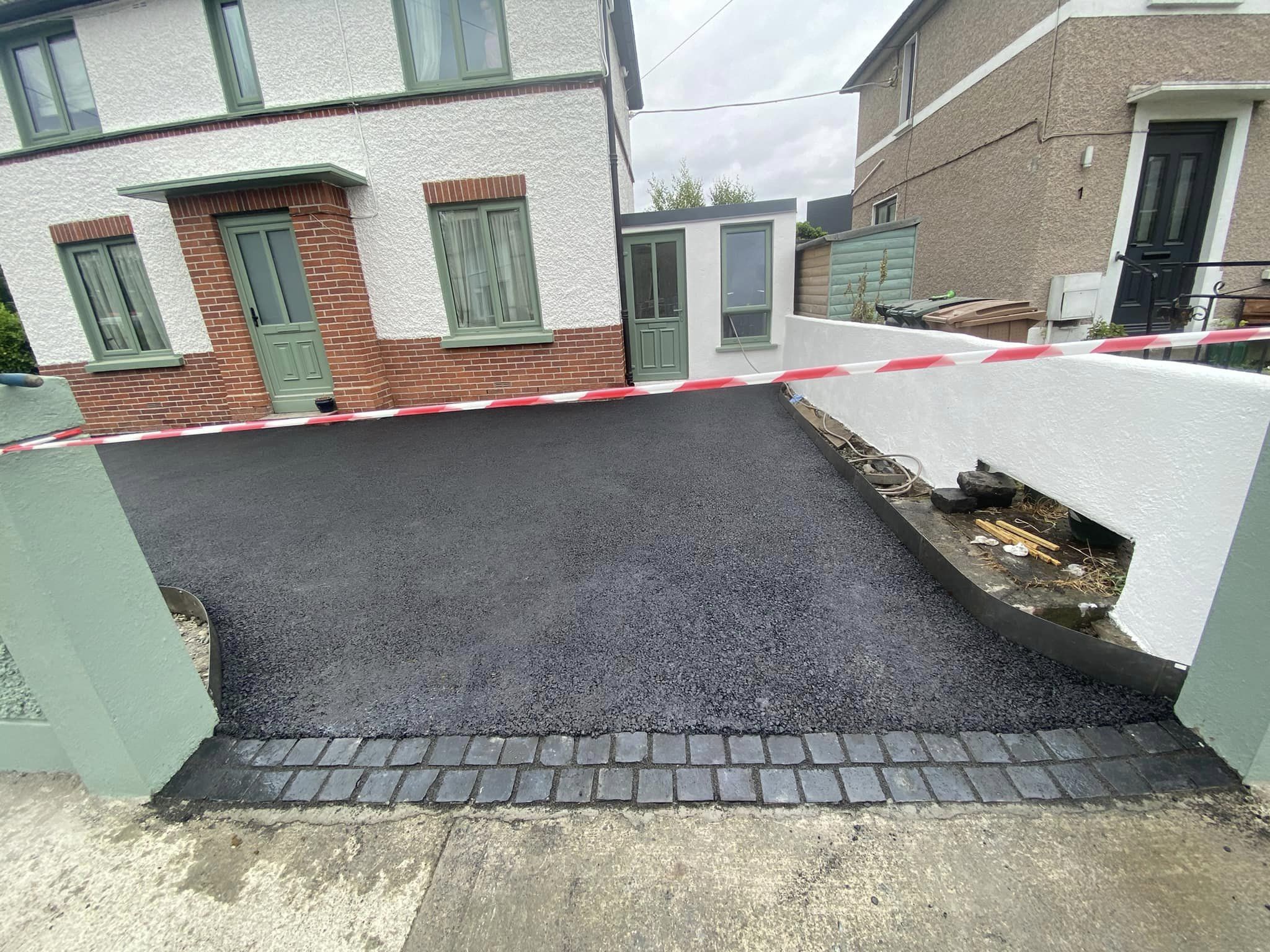
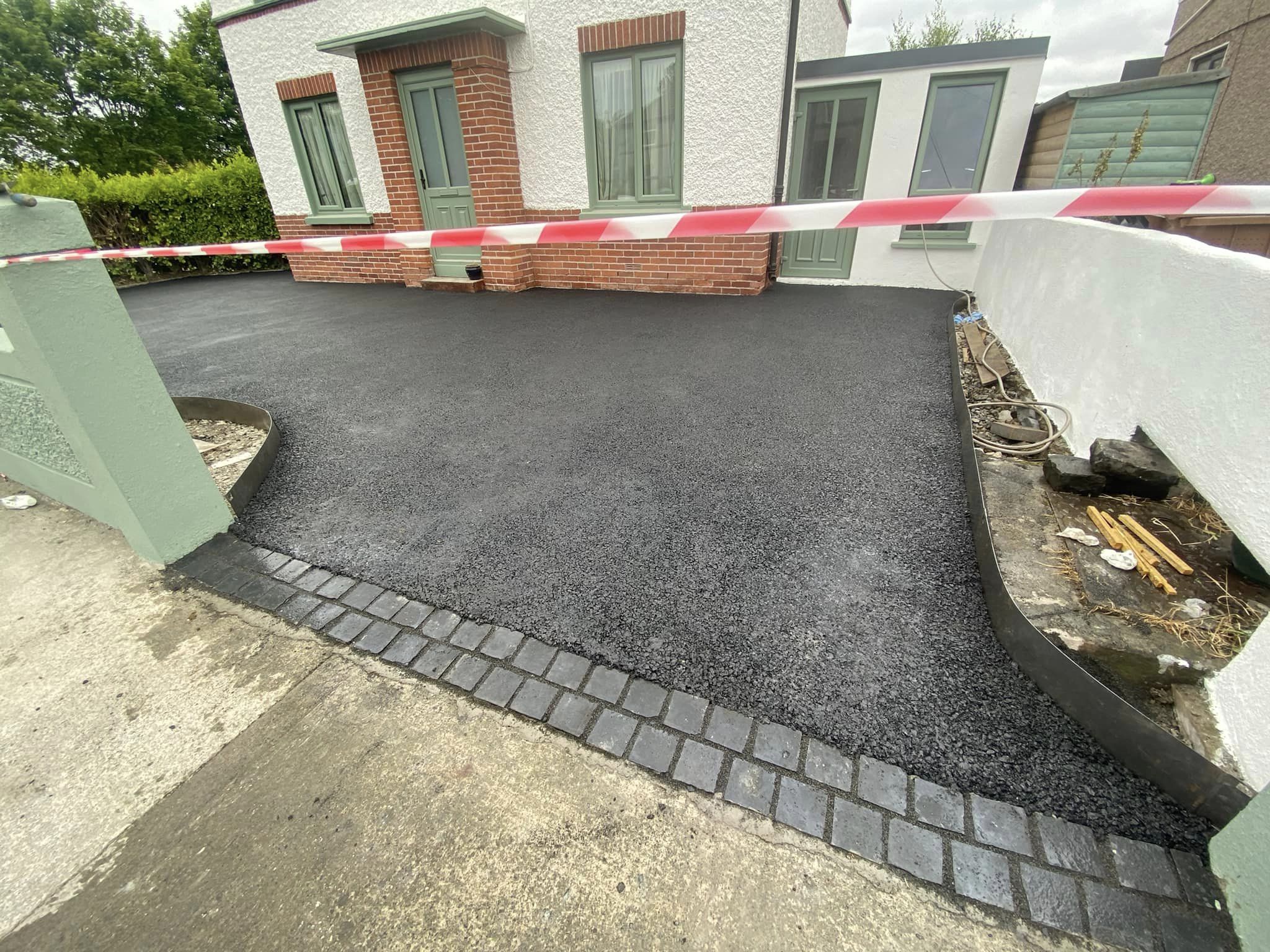
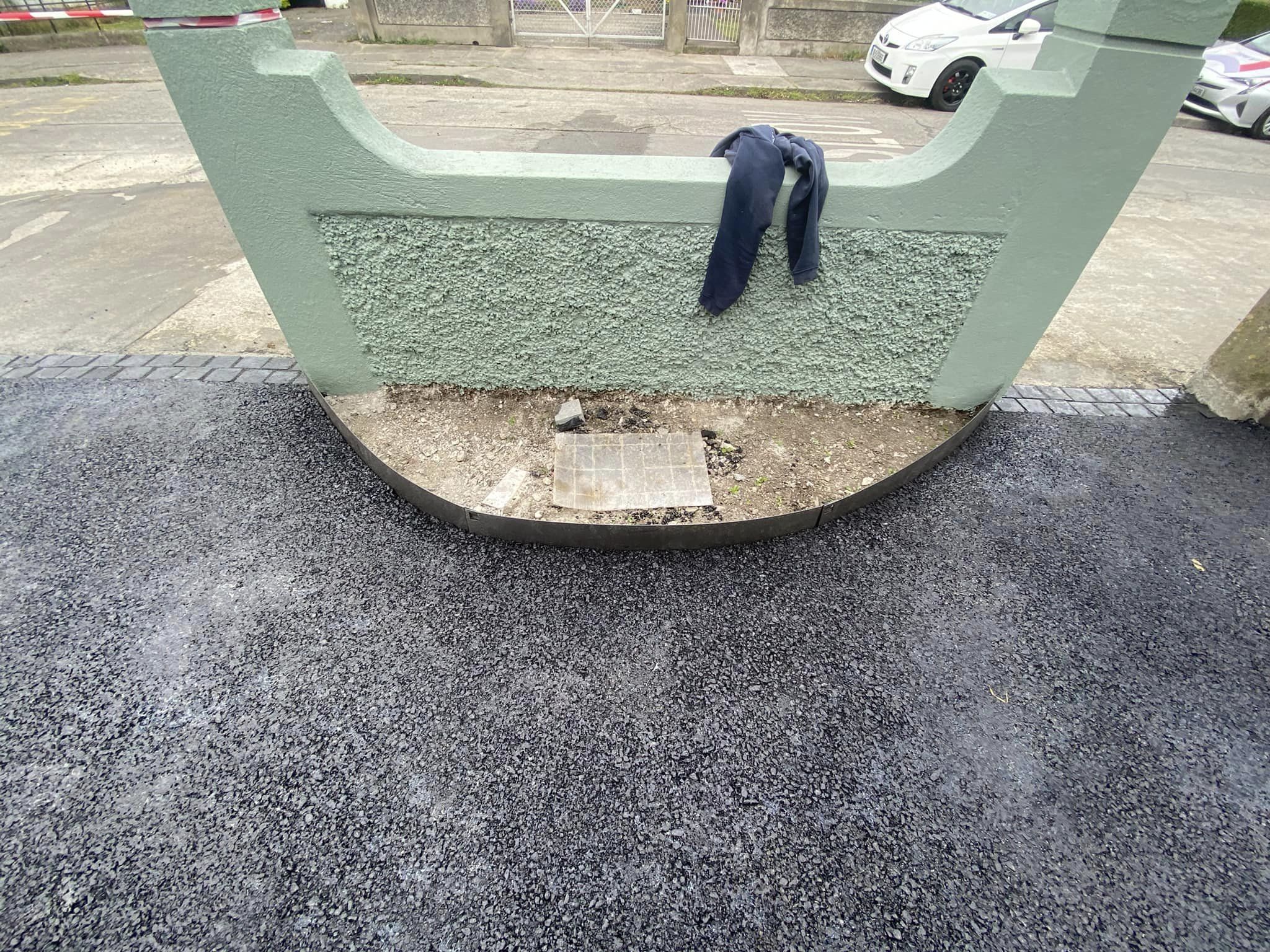
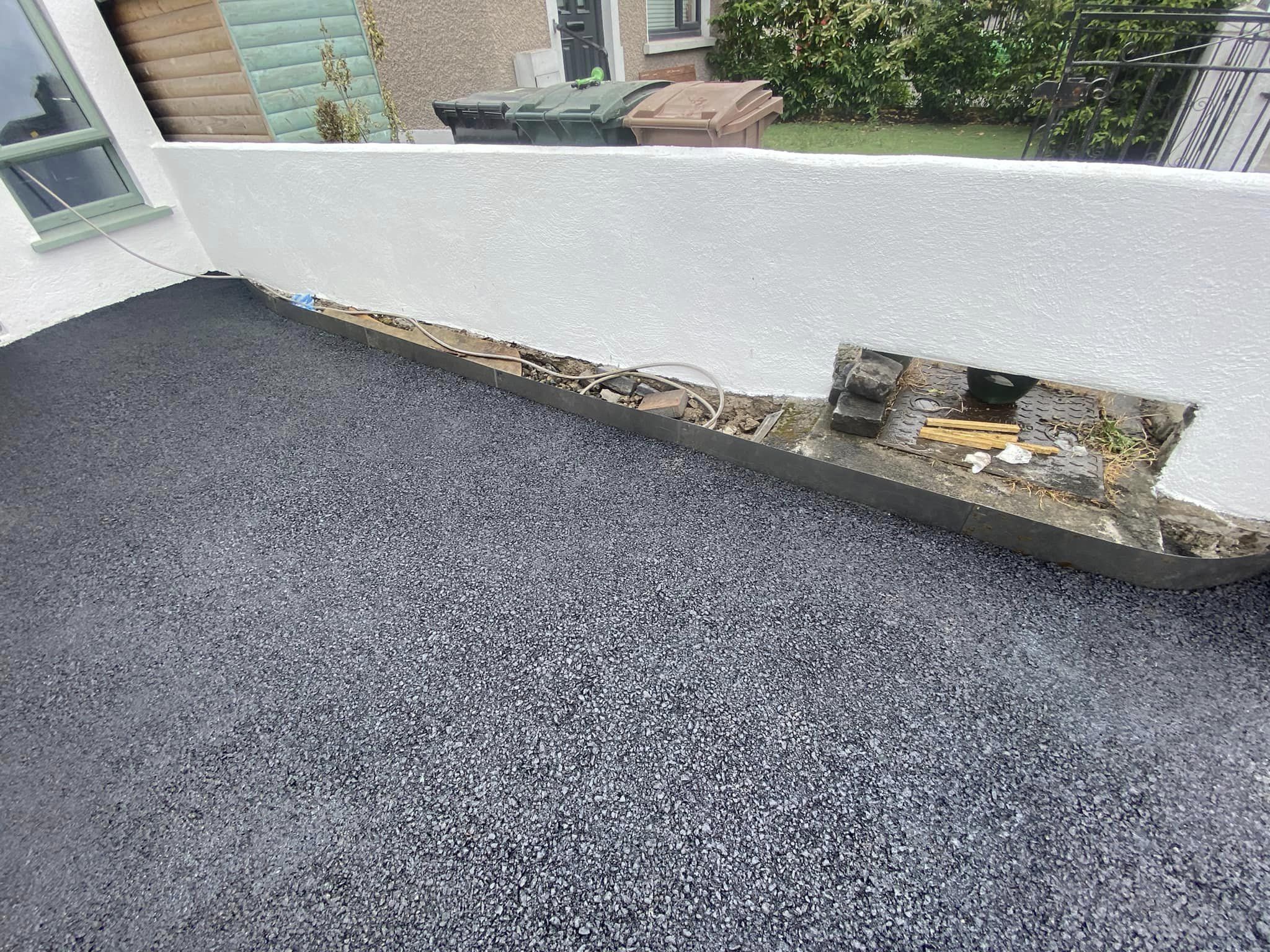
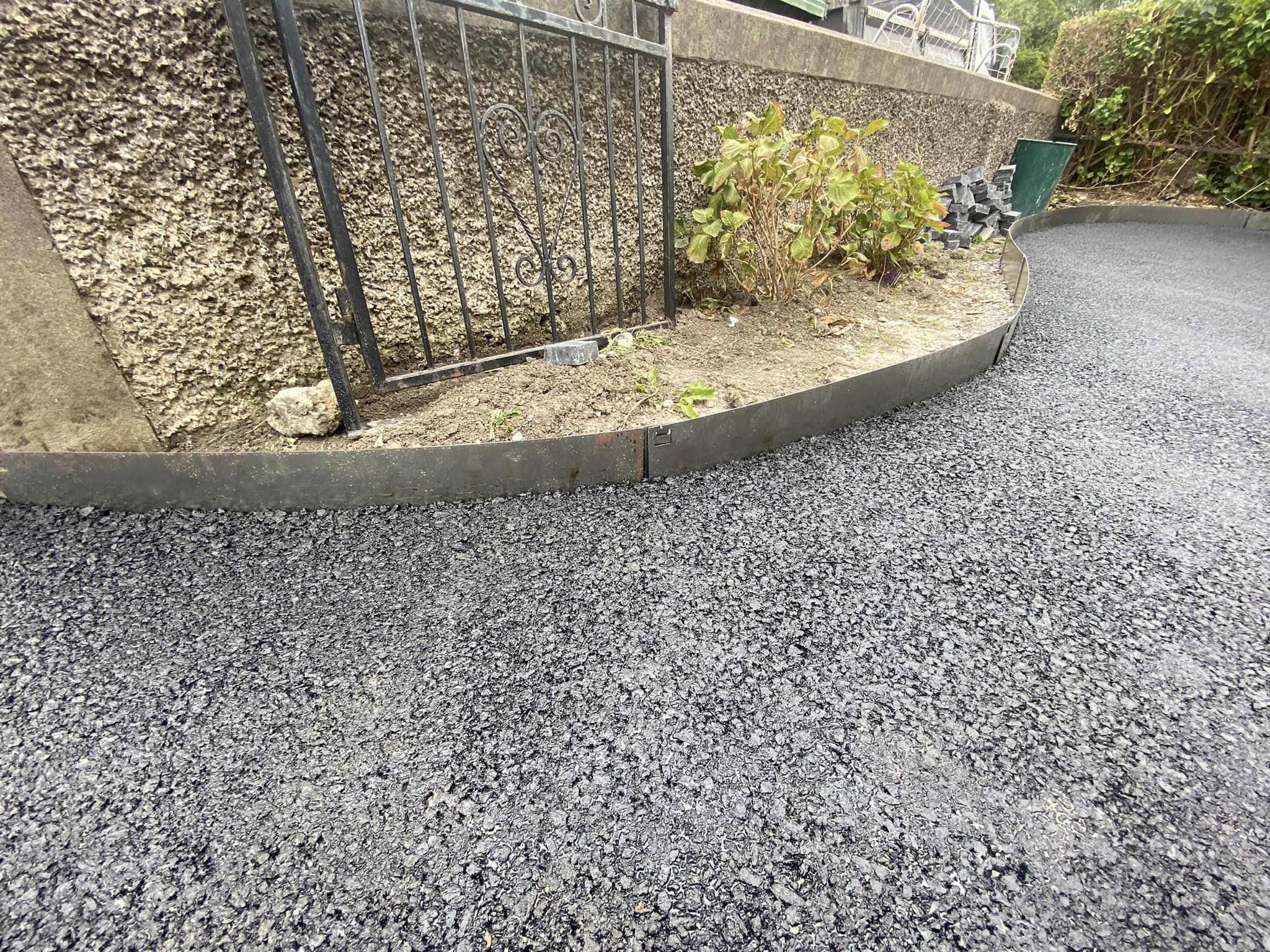
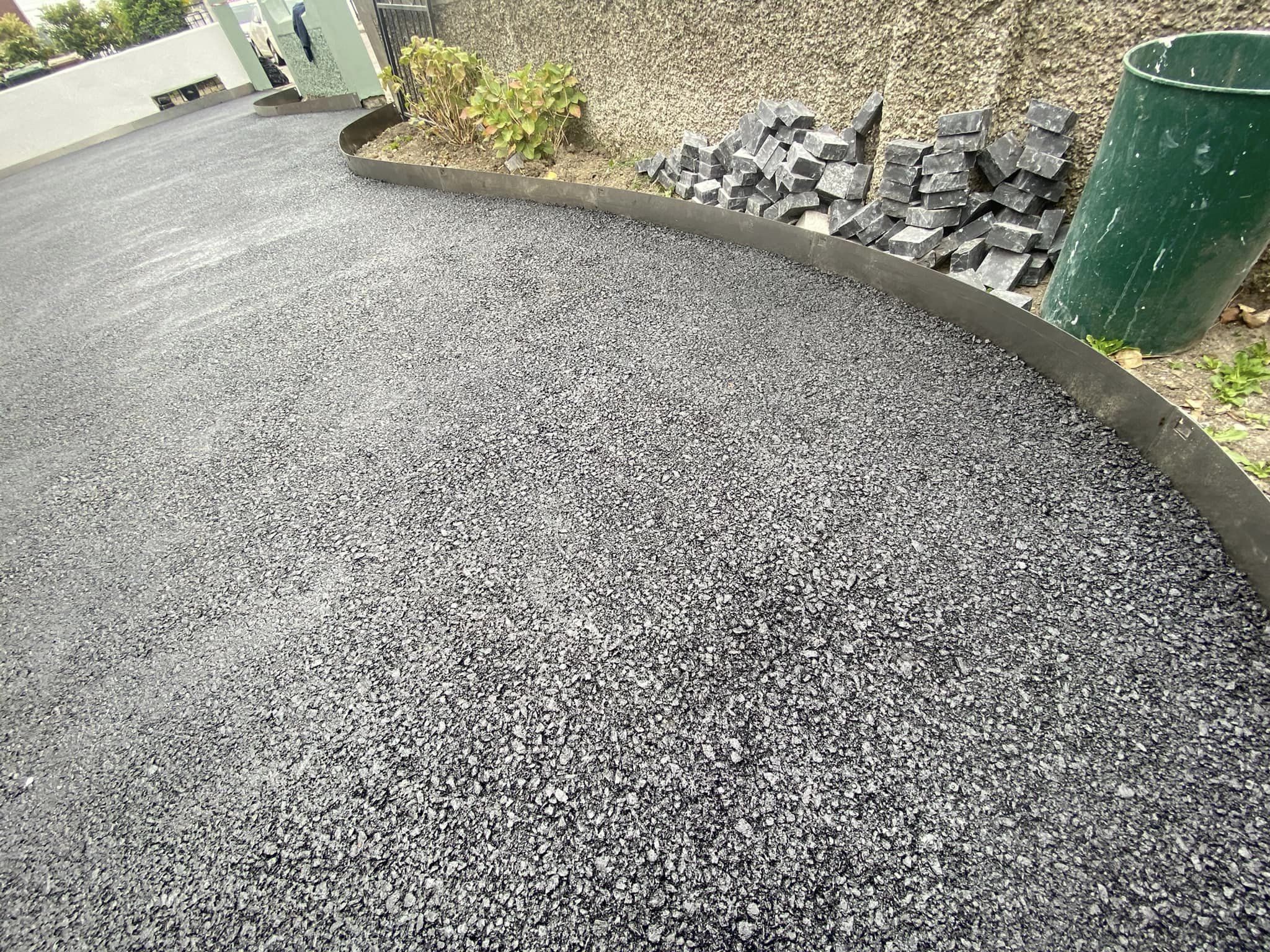
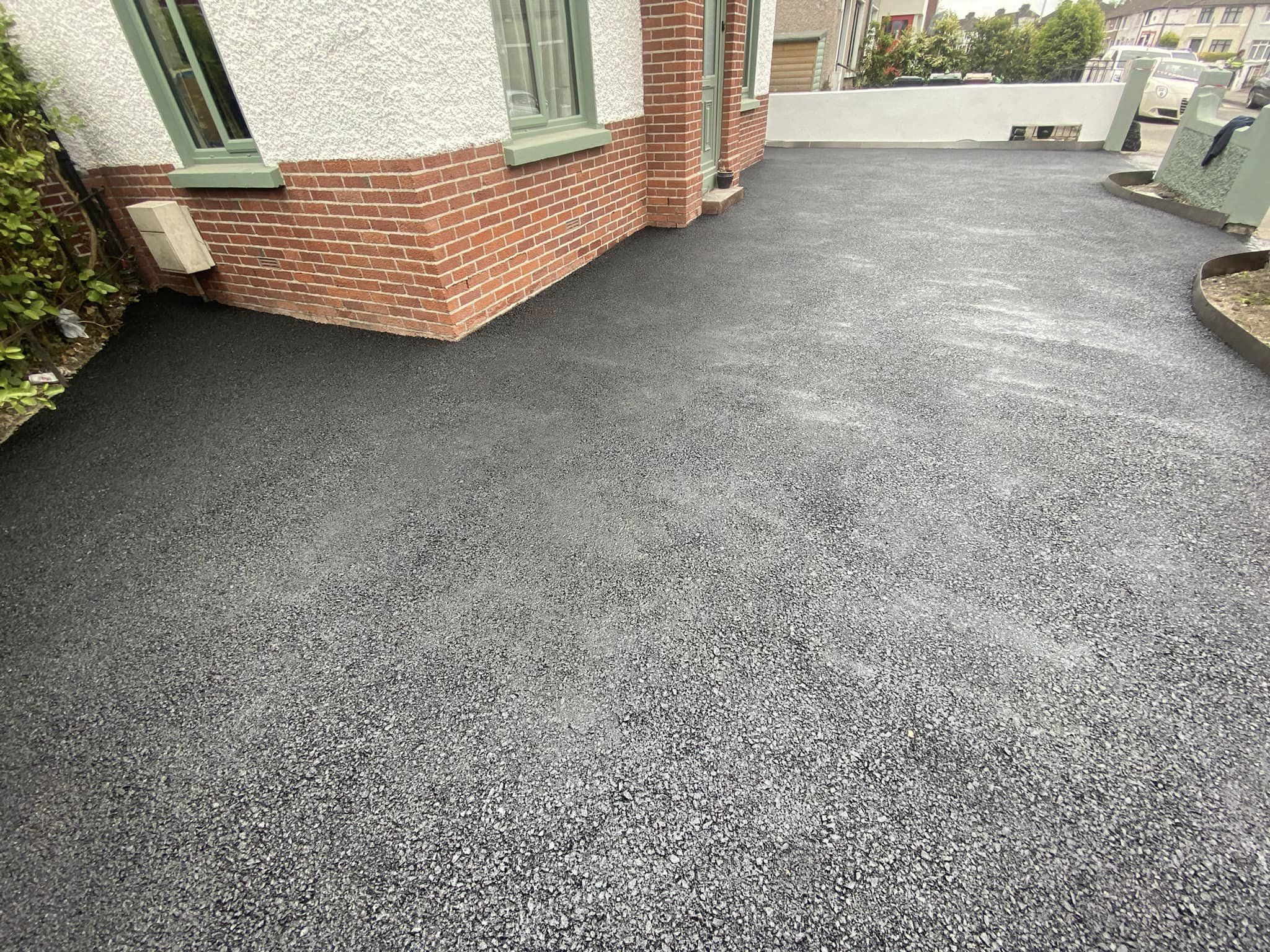
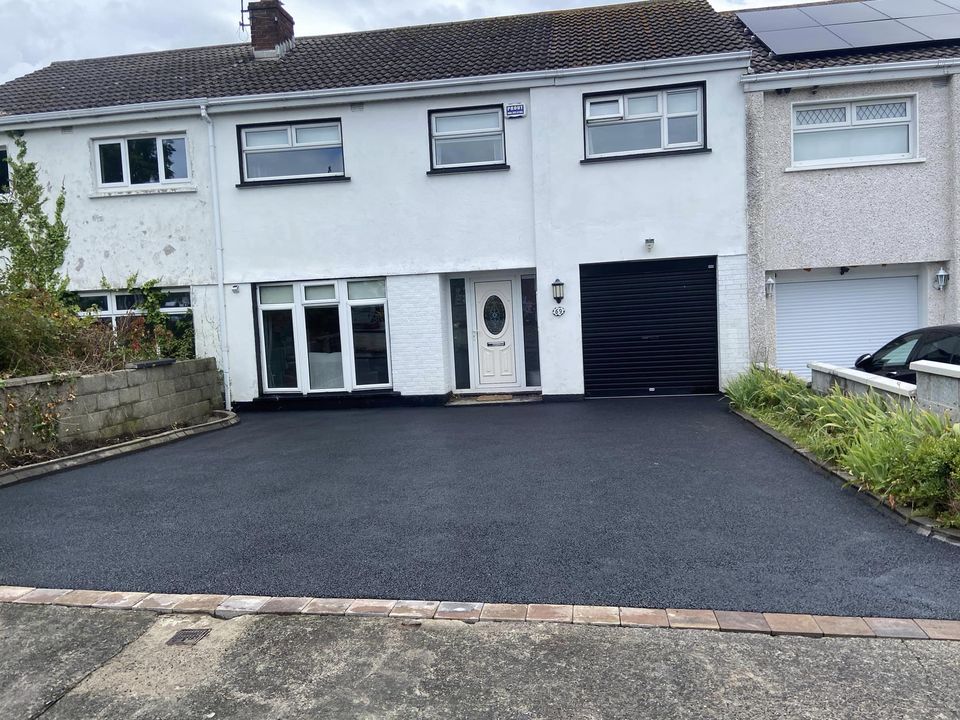
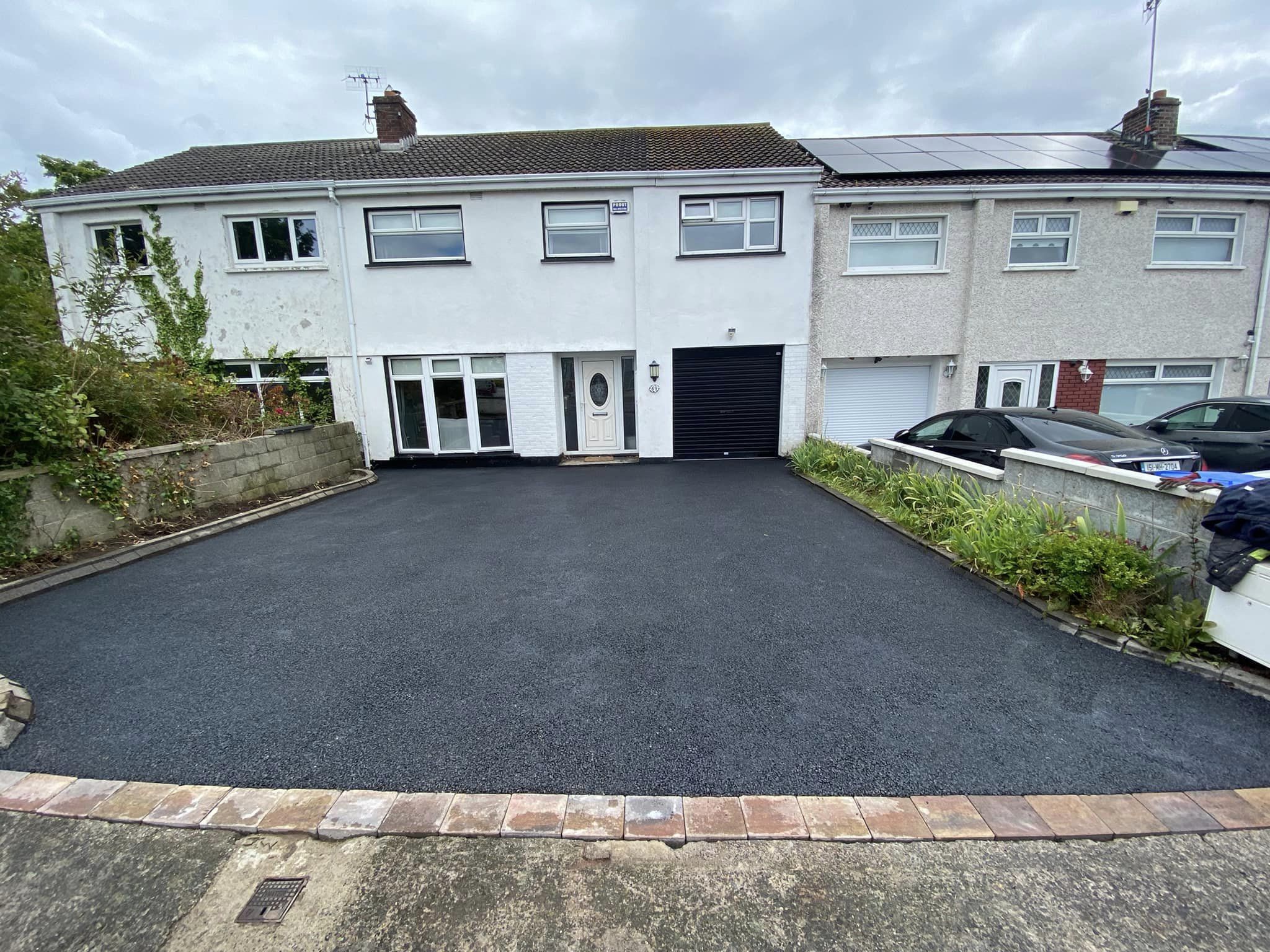
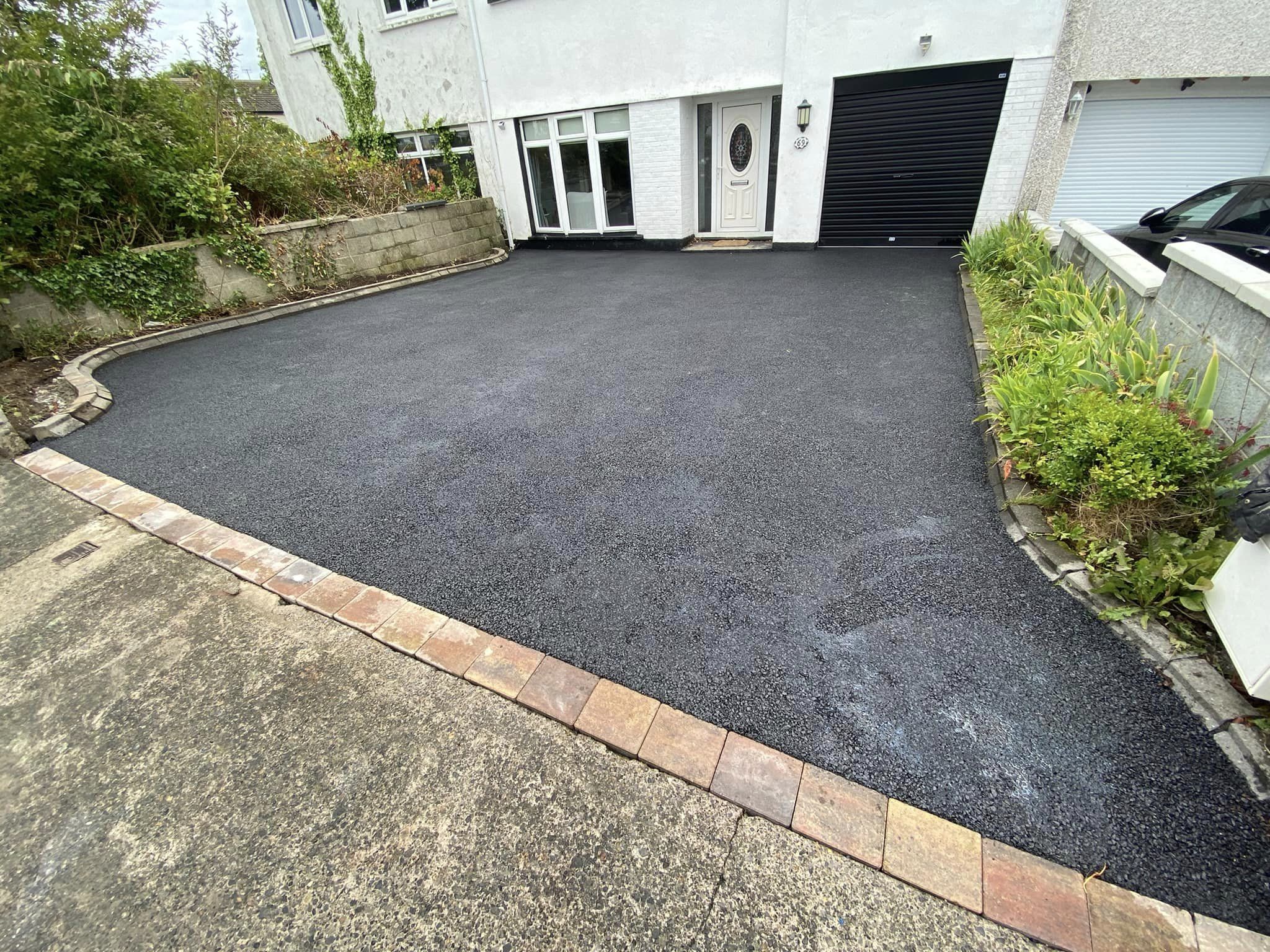
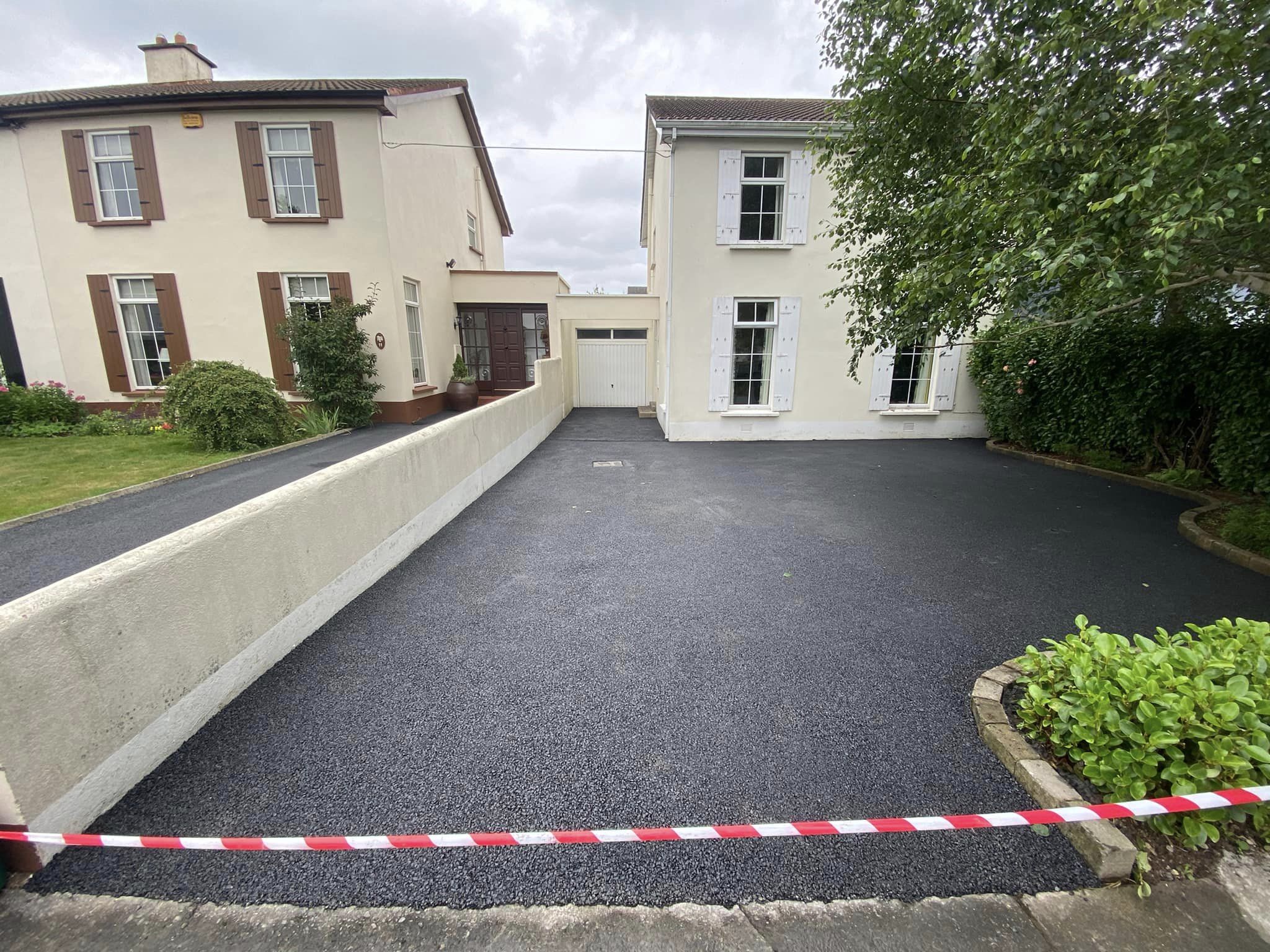
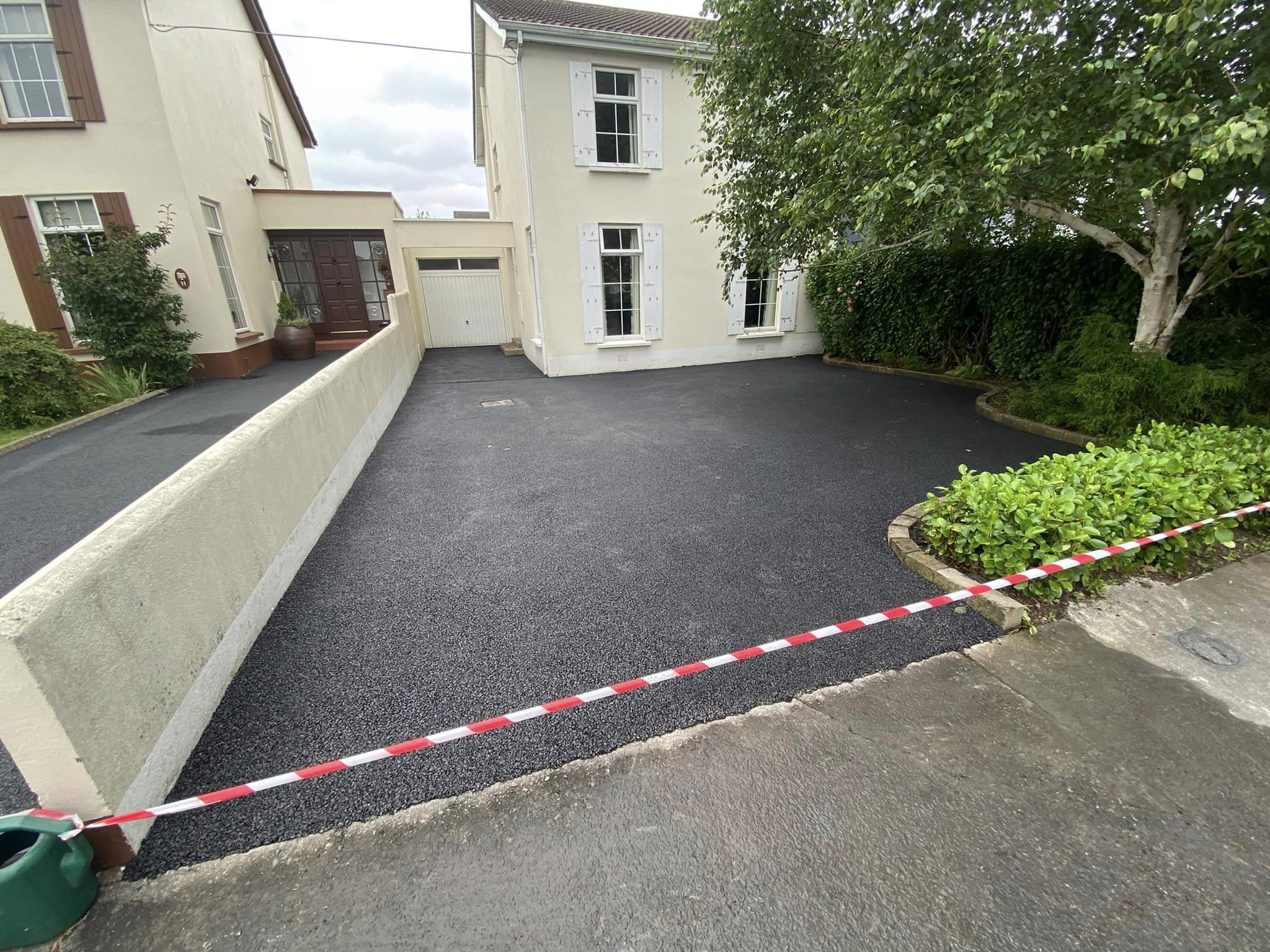
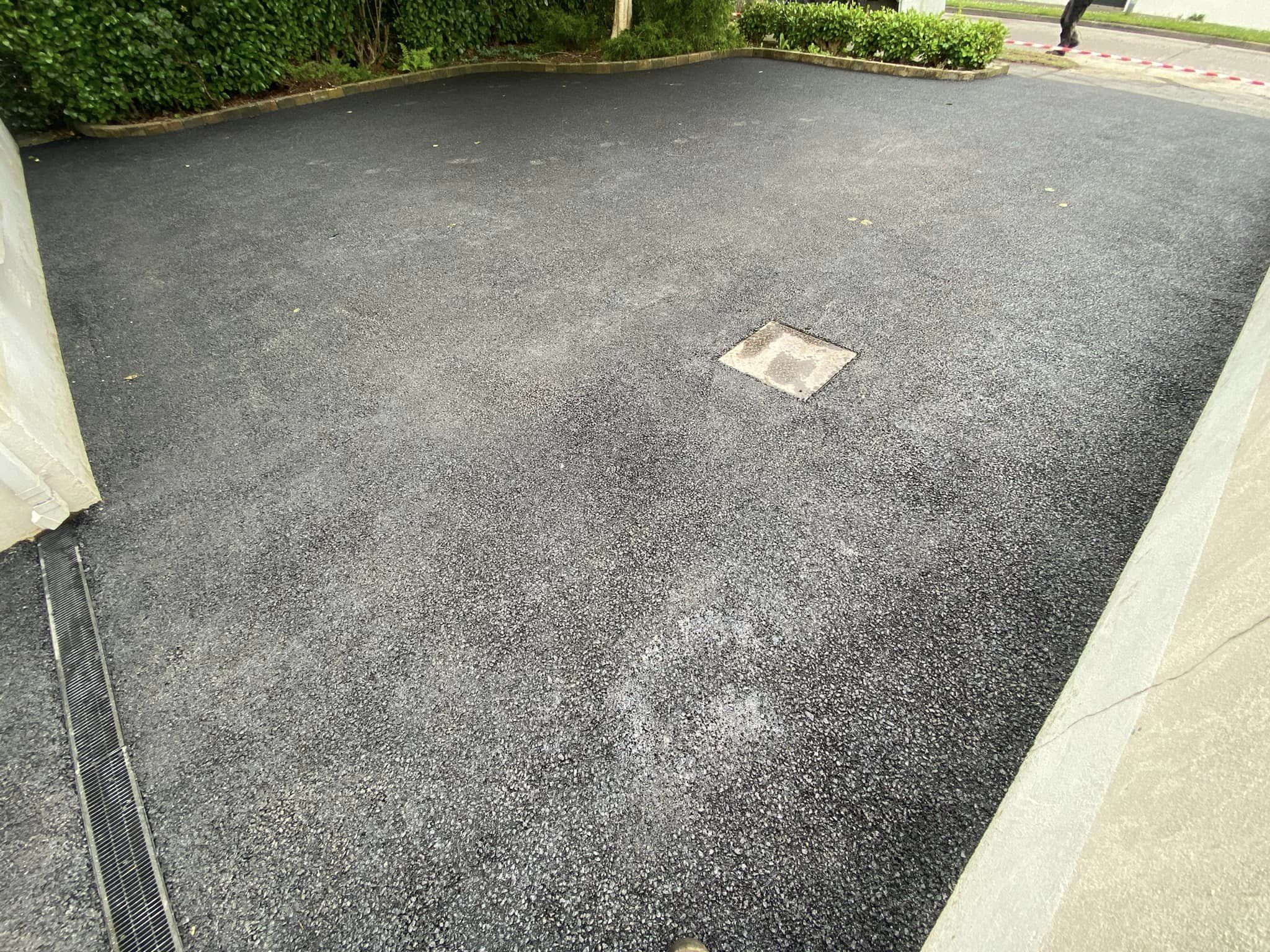
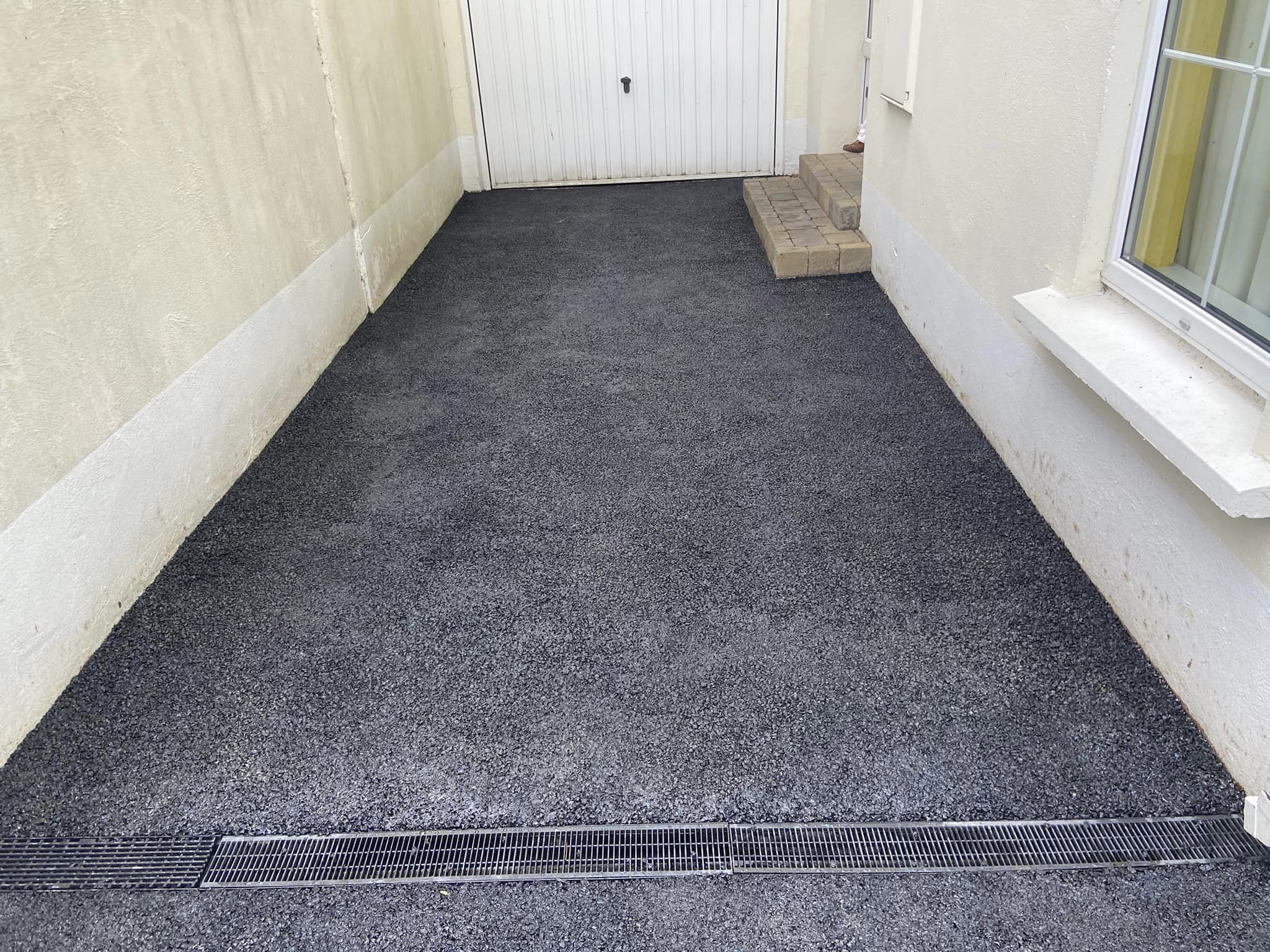
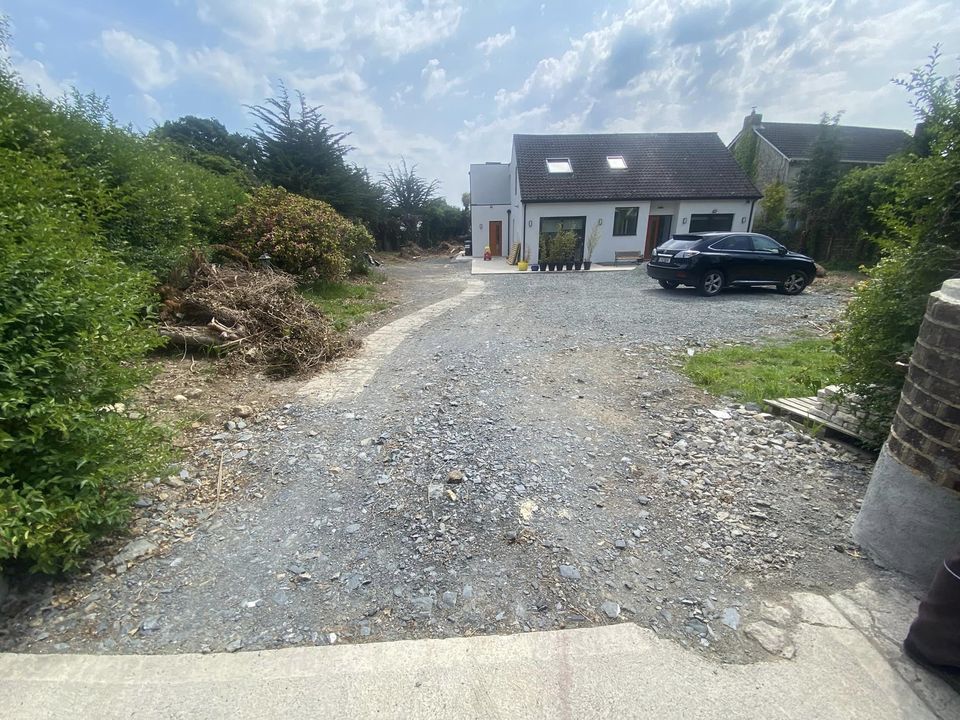
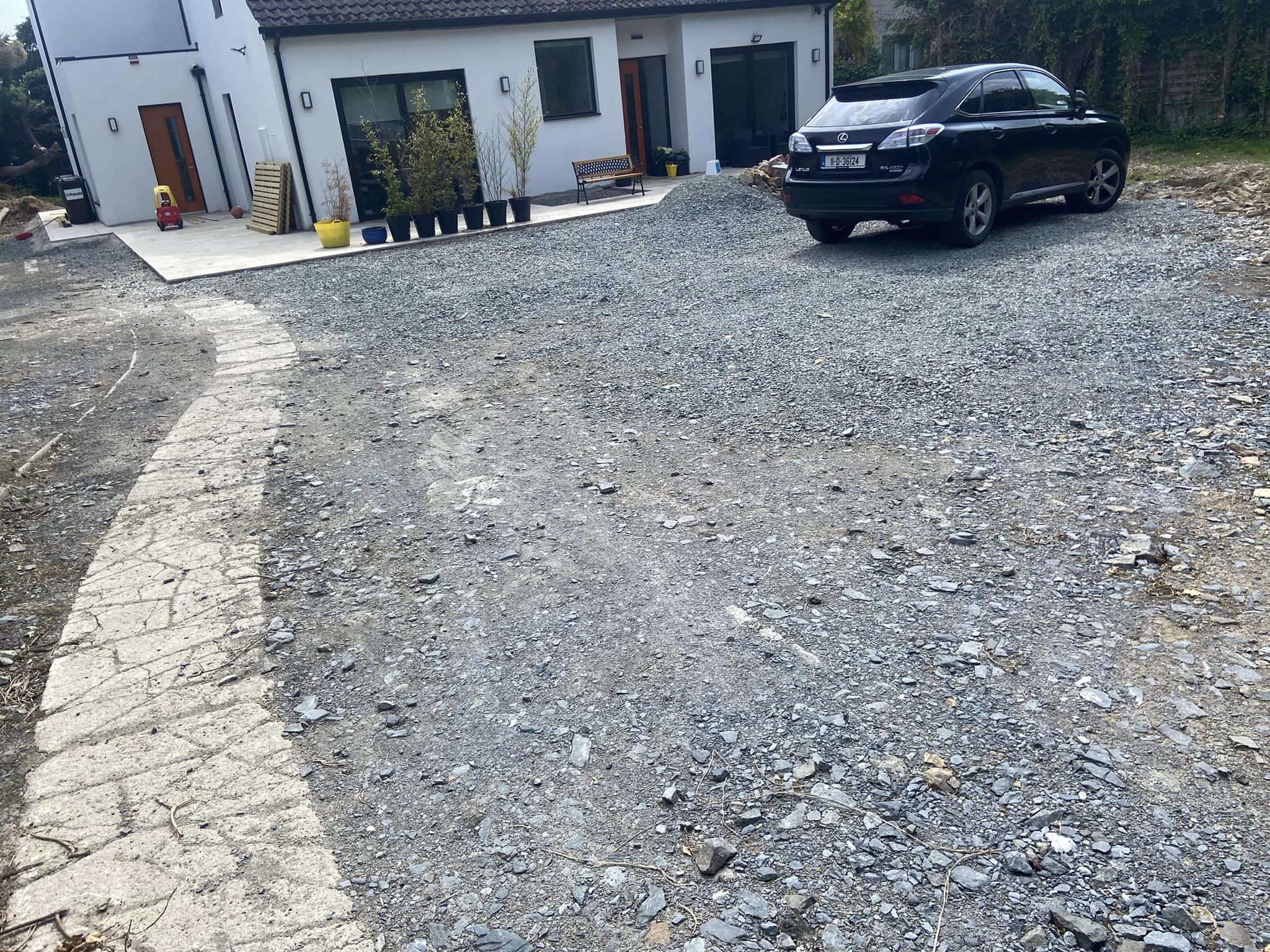
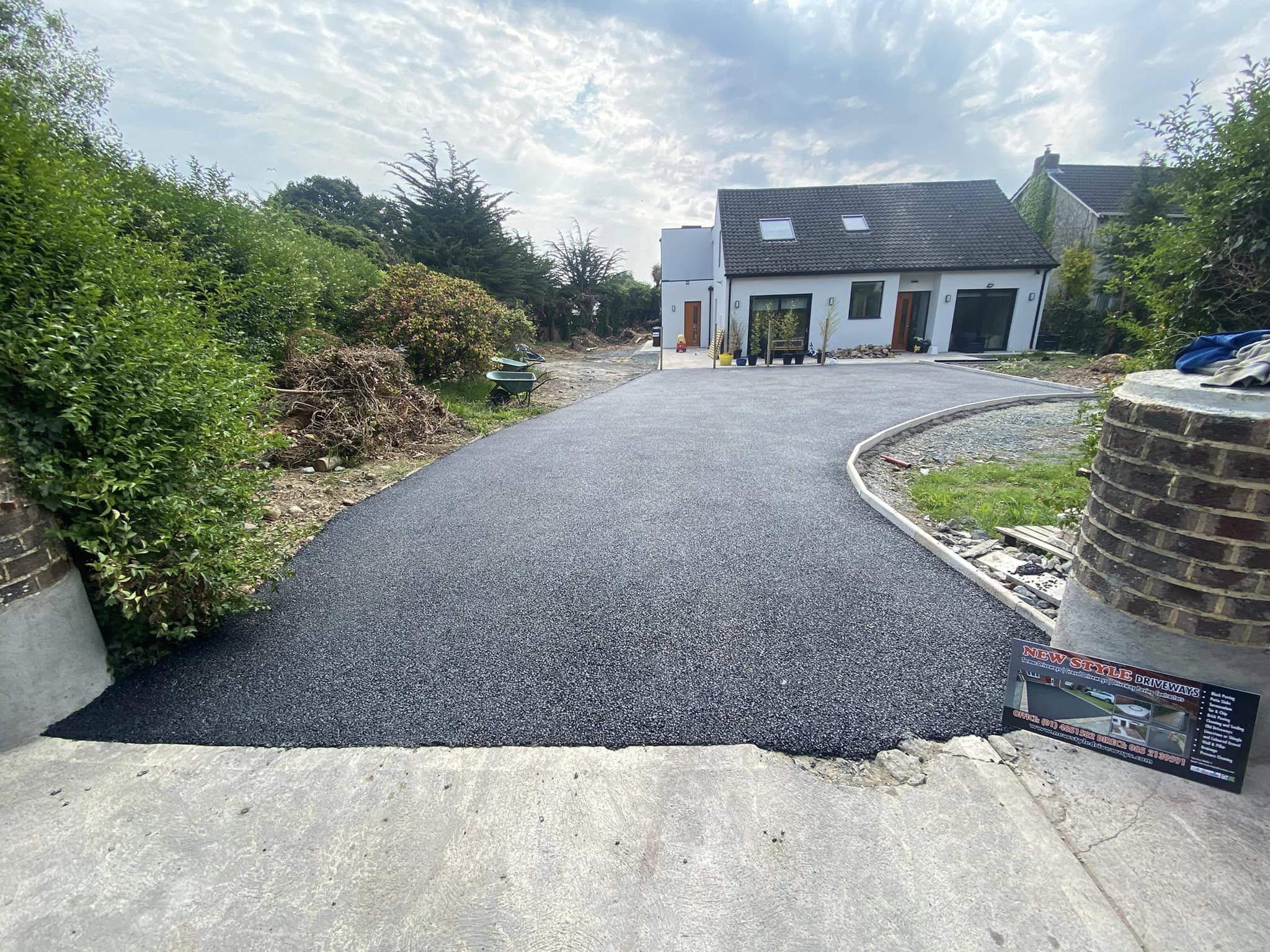
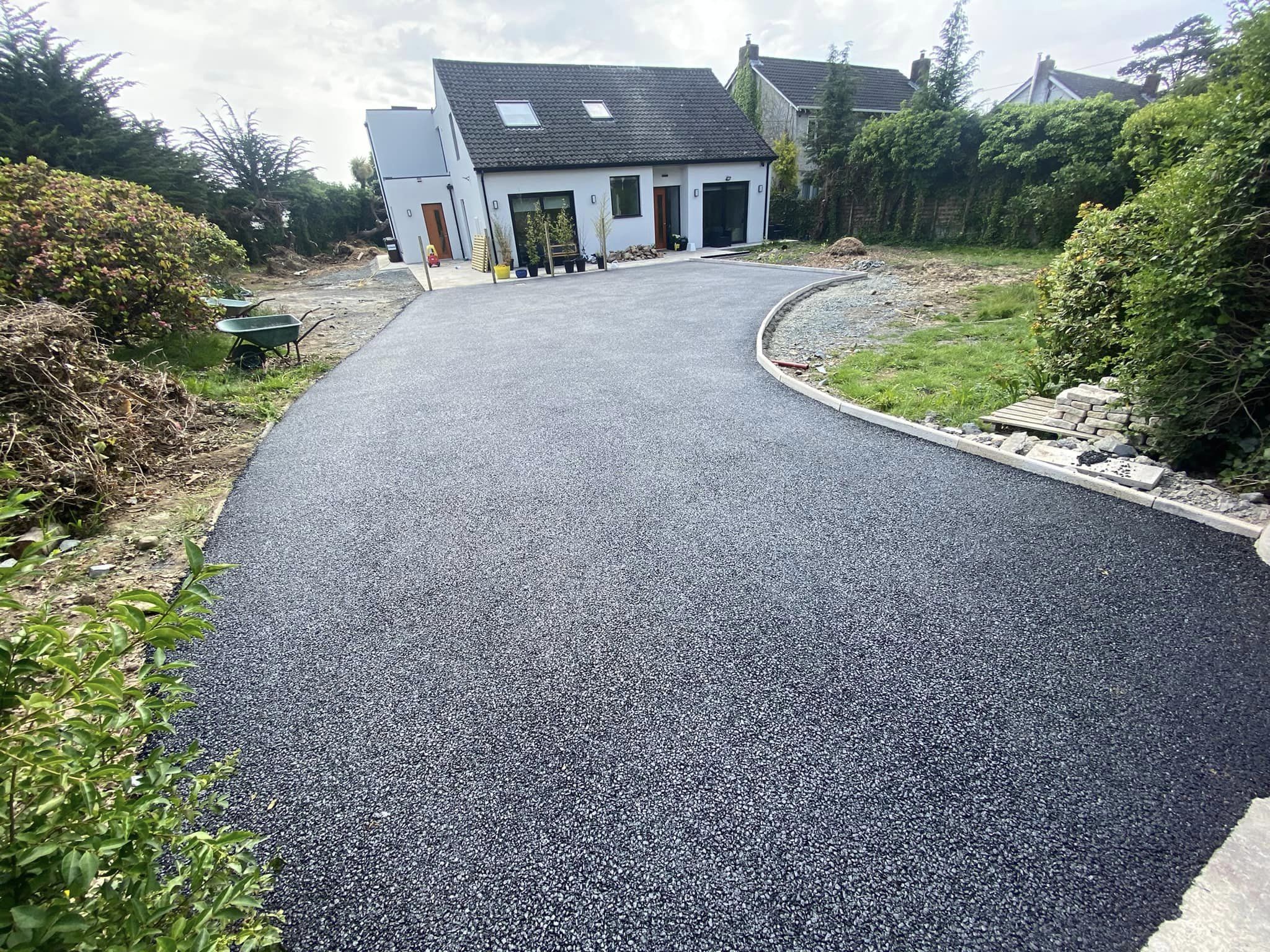
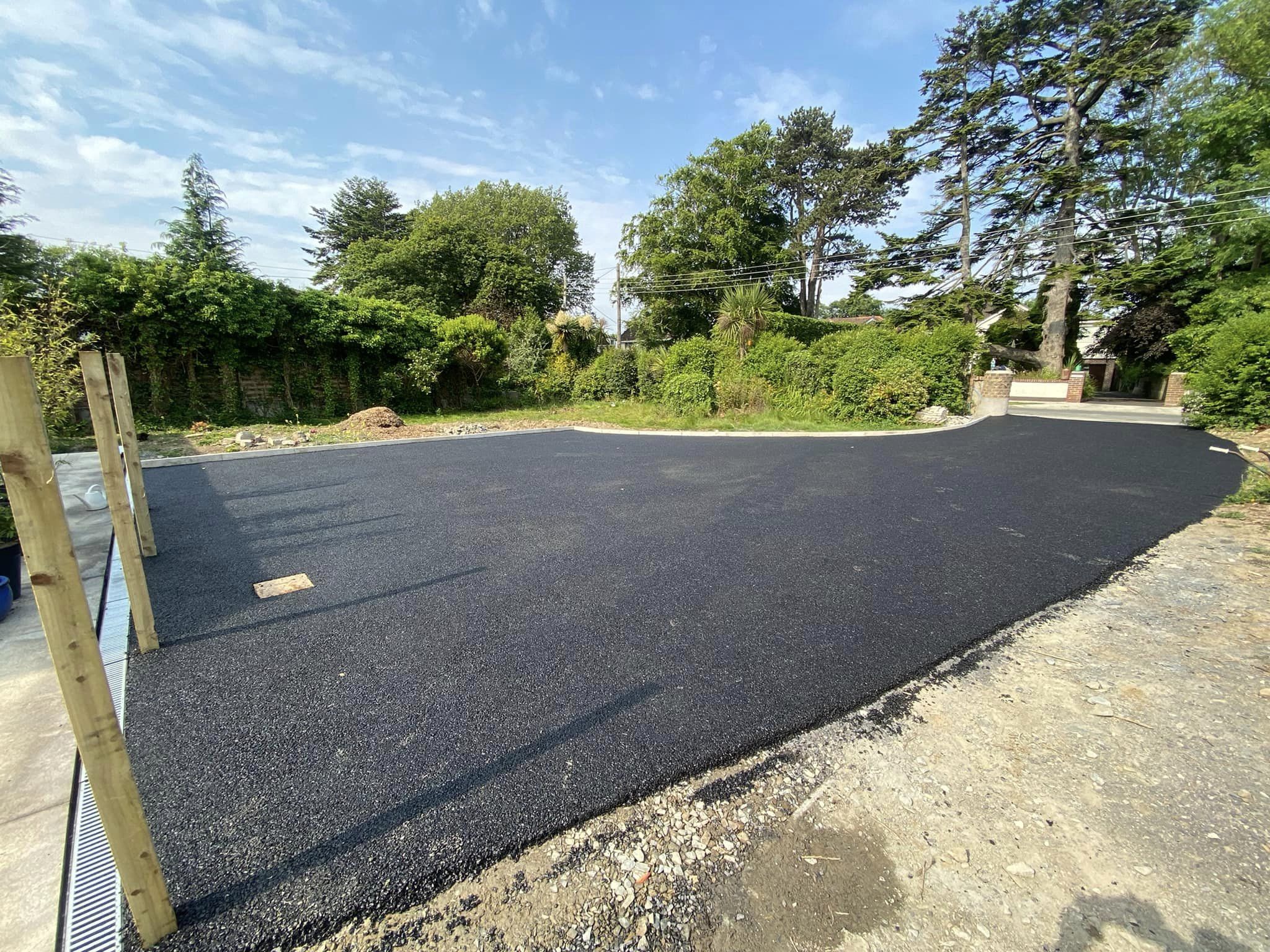
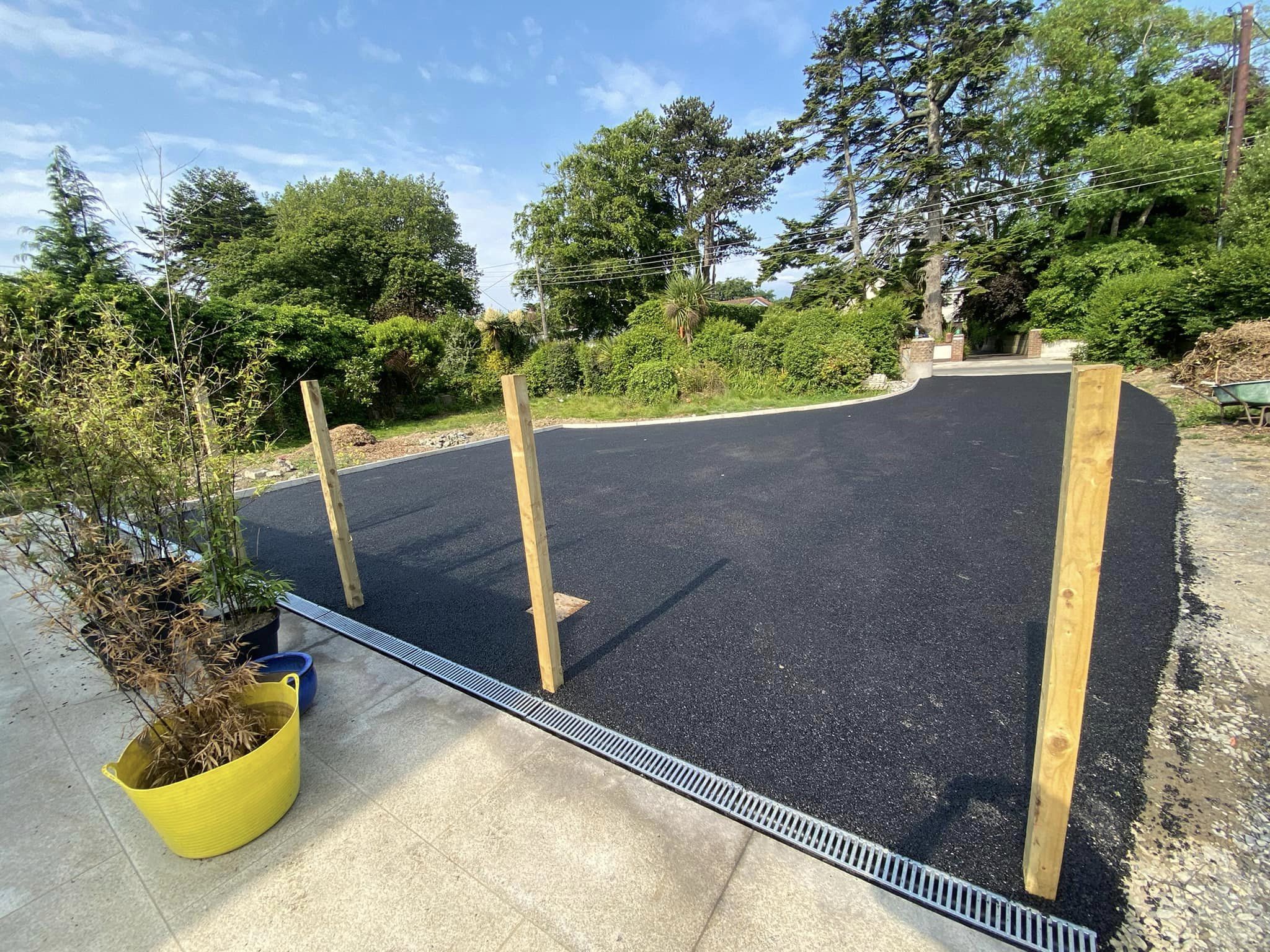
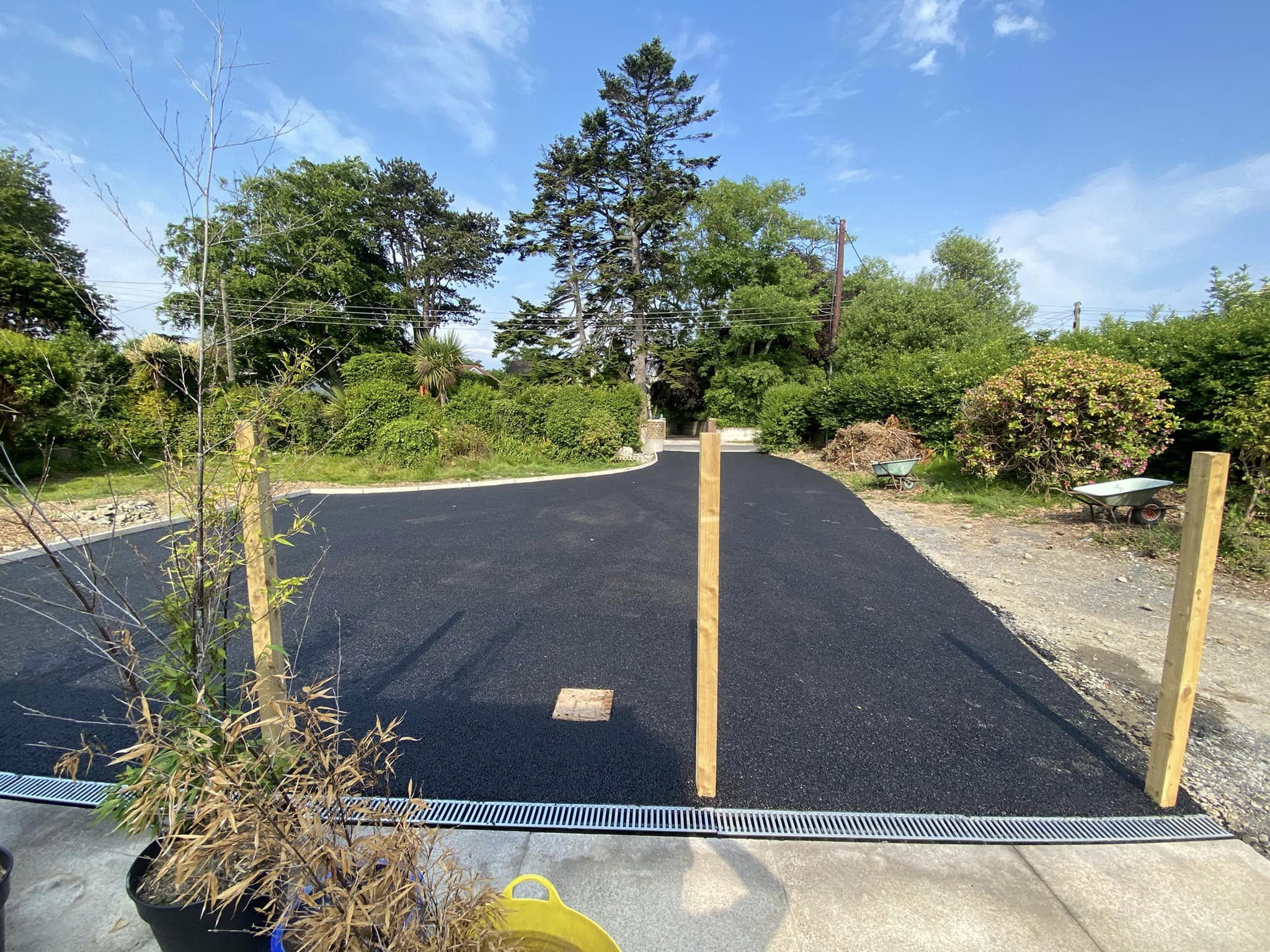
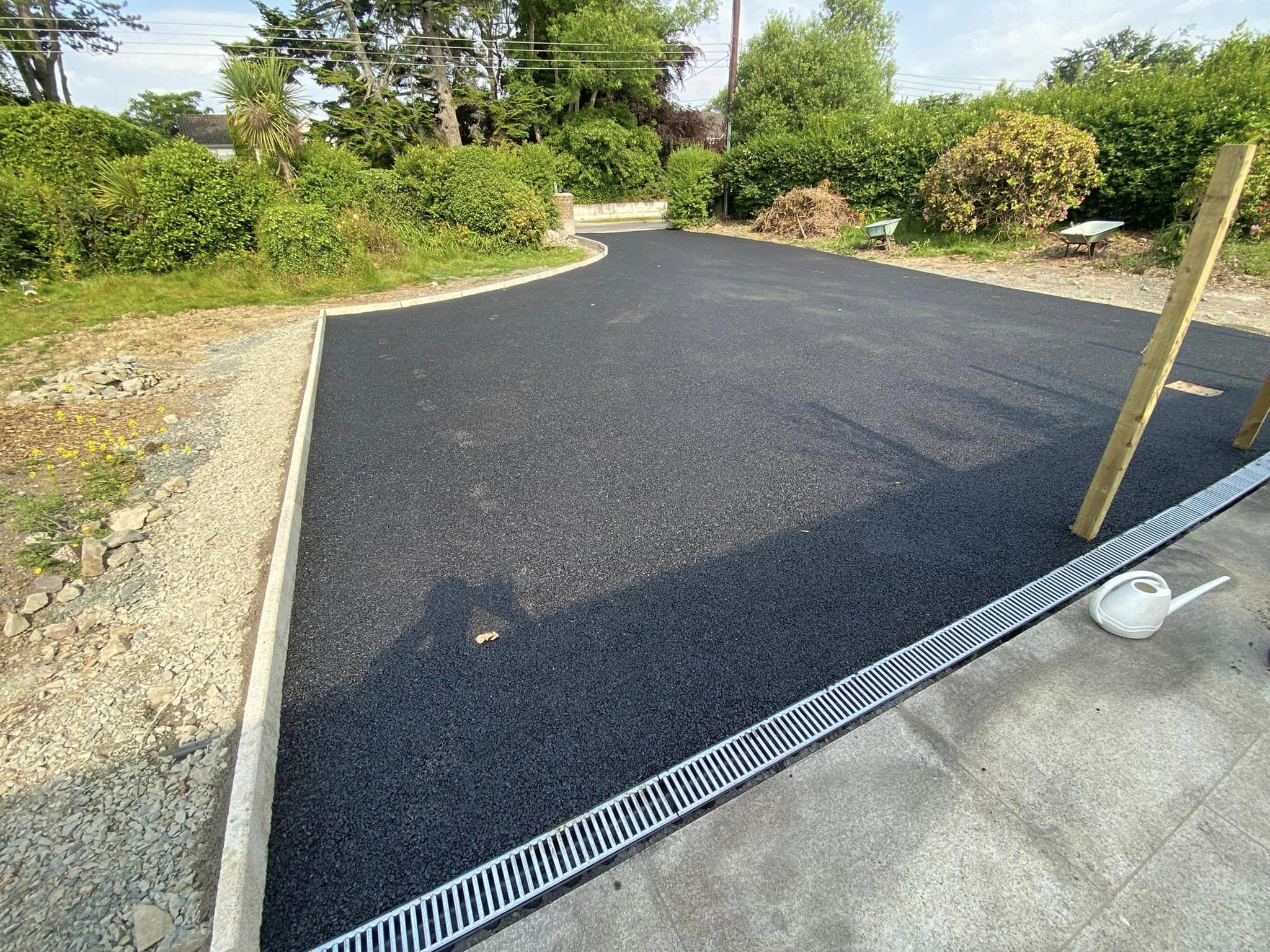
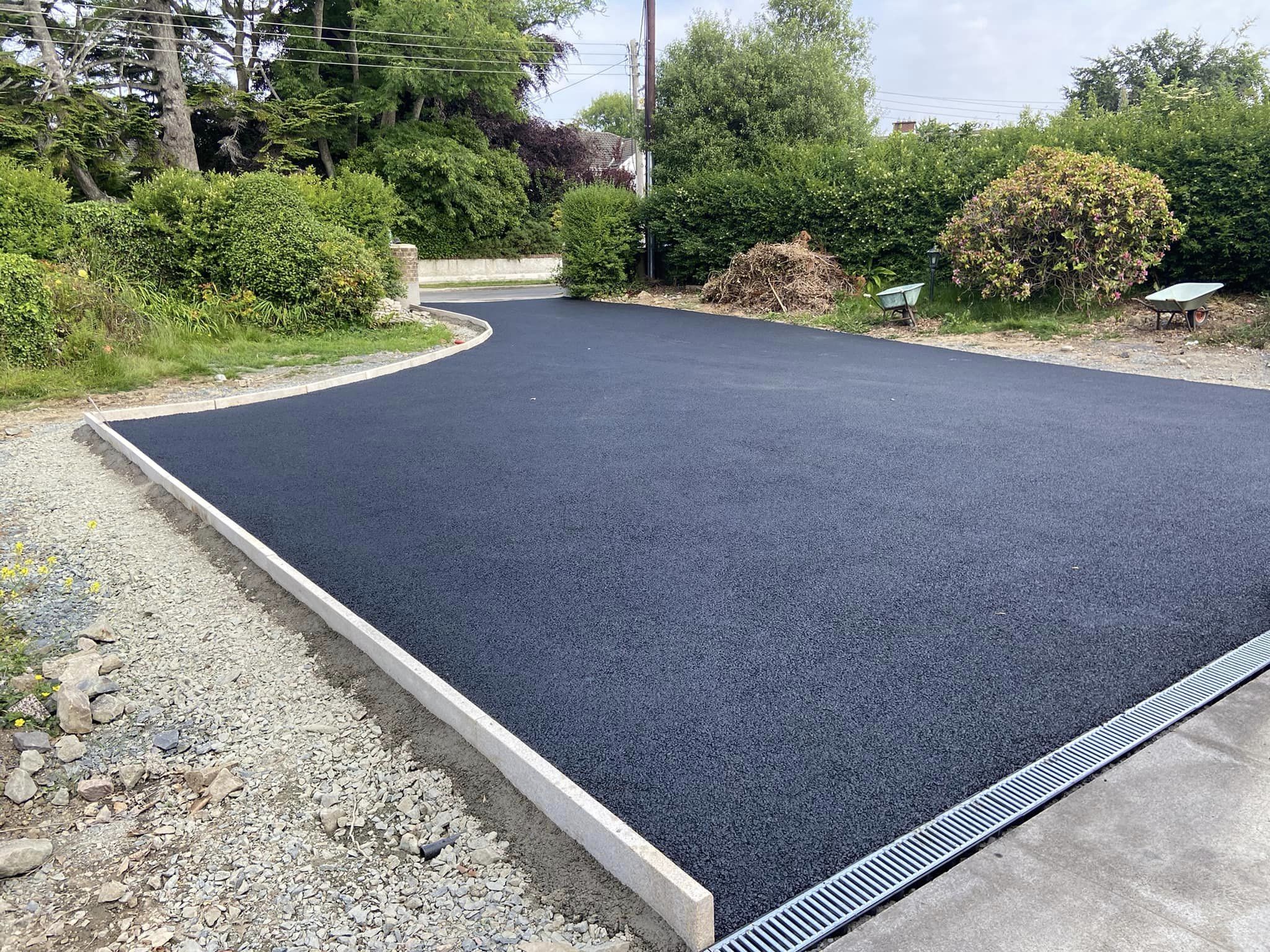
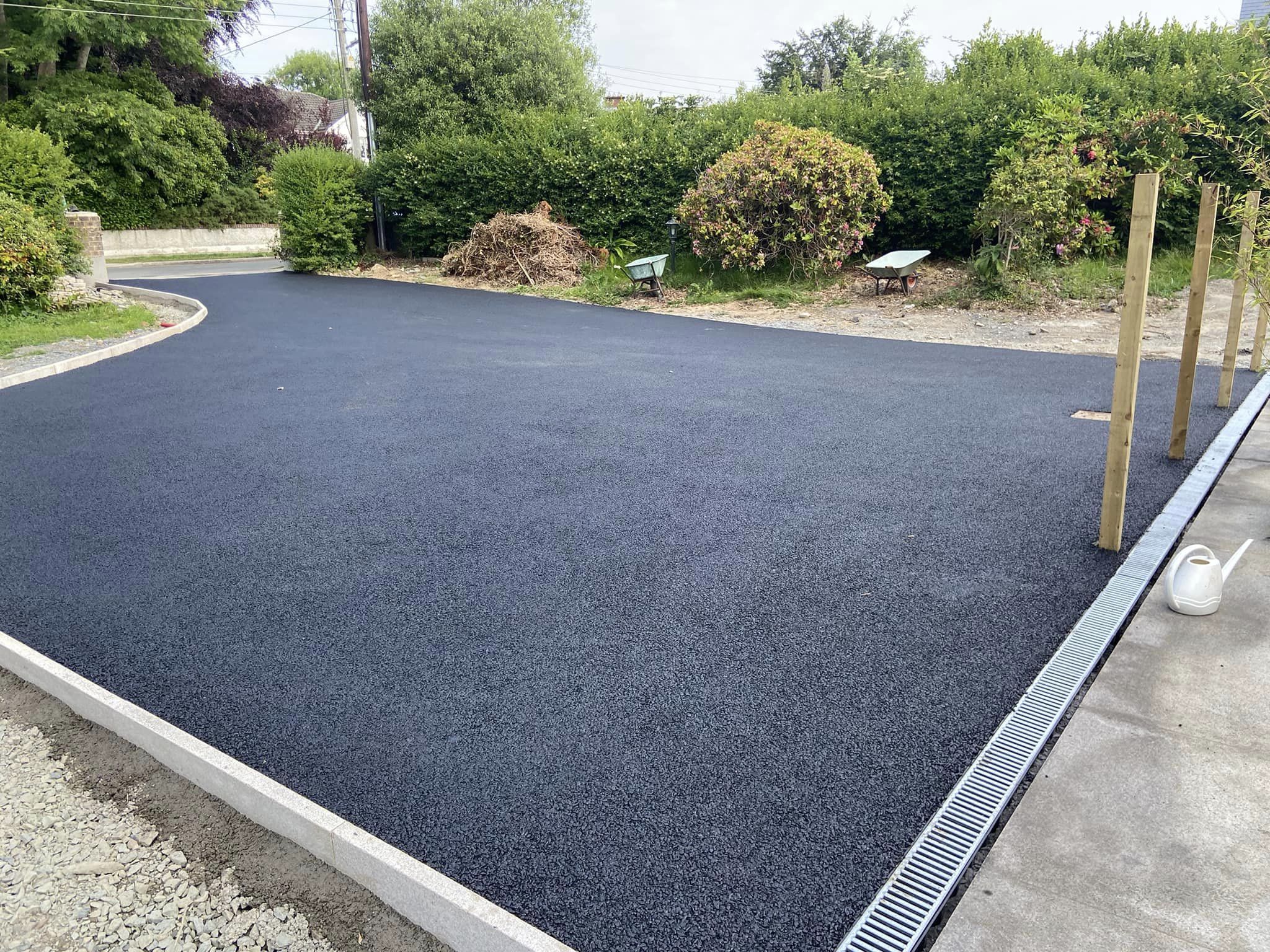
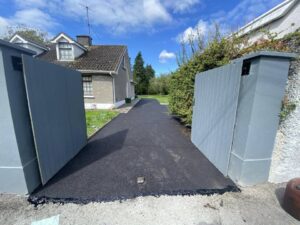
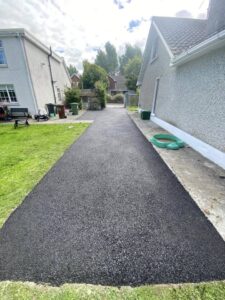
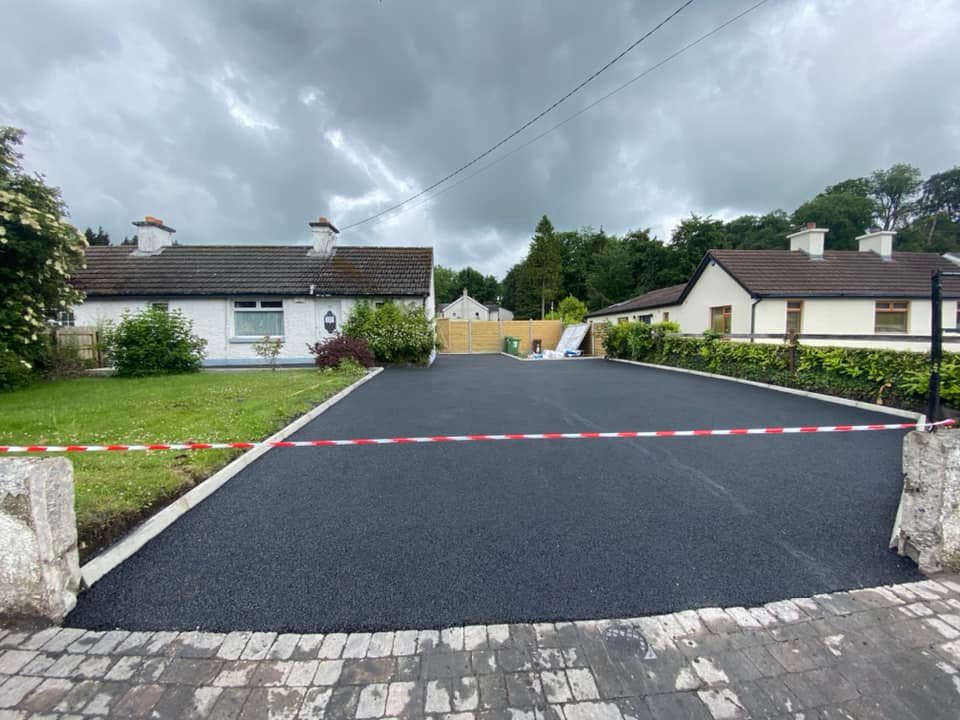
Tarmacadam driveway completed in Ardee county Louth free quotes all work fully guaranteed



Tarmac Driveways | Gravel Driveways | Driveway Paving Contractors Dublin
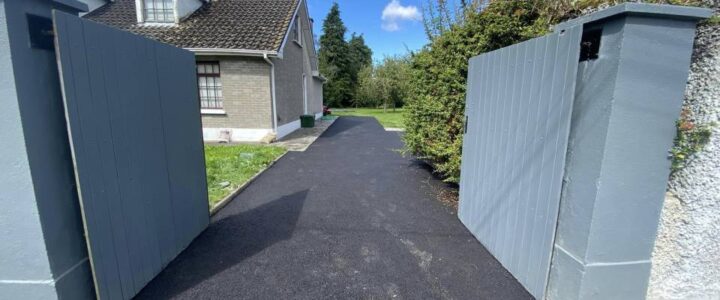
Tarmacadam driveway completed in Ardee county Louth free quotes all work fully guaranteed
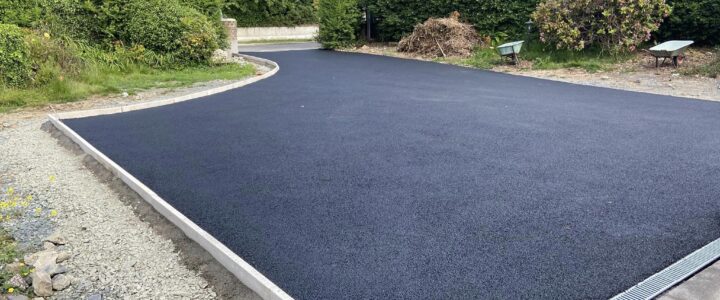
The path leading to your home is the first impression you offer to the world, and in the vibrant city of Dublin, where historical charm meets modern elegance, a tarmac driveway can be the perfect way to enhance the curb appeal of your property. Tarmac offers a sleek and durable surface that can complement various architectural styles. This article explores creative tarmac driveway ideas to elevate the look of your Dublin home, creating a welcoming and stylish entrance.
Embrace Dublin’s unique blend of tradition and modernity by opting for a classic tarmac driveway with a modern design twist. Consider incorporating borders or patterns using contrasting tarmac colours or materials like cobblestones or bricks. This fusion of old and new will capture the essence of Dublin’s architectural heritage while adding a contemporary touch.
For a sophisticated and timeless look, go monochromatic with your tarmac driveway. Choose a dark colour that complements the exterior of your home, creating an elegant and seamless transition from the road to your property. This sleek approach can enhance the overall aesthetic while maintaining a clean and polished appearance.
Dublin’s beauty doesn’t diminish after sunset, and neither should your home’s exterior. Incorporate lighting fixtures along the edges of your tarmac driveway to illuminate the path and highlight its features during the evening hours. These accents can create an inviting atmosphere and enhance the safety of your property.
Transform your tarmac driveway into a work of art by integrating intricate patterns or designs. Geometric shapes, curves, or even customised motifs can add a touch of personality to your driveway. Consult with professionals who specialise in creative tarmac designs to turn your driveway into a unique masterpiece.
Dublin is renowned for its lush green landscapes. Blend your tarmac driveway seamlessly with nature by incorporating green elements. Leave spaces between tarmac sections for small patches of grass, or create a tree-lined driveway that provides shade and a refreshing aesthetic.
If your Dublin home exudes rustic charm, complement it with a tarmac driveway featuring edging elements. Use natural stone, timber, or brick edging to add warmth and a distinct boundary to your driveway. This blend of textures can create a harmonious connection between your home’s style and the driveway’s design.
In Dublin’s environmentally conscious atmosphere, sustainability is key. Consider permeable tarmac solutions that allow rainwater to pass through, reducing water runoff and helping to prevent flooding. Permeable tarmac driveways can also contribute to a greener and more eco-friendly home environment.
A well-designed tarmac driveway has the potential to transform the look and feel of your Dublin home. By carefully considering the architectural style, surroundings, and personal preferences, you can create a driveway that seamlessly integrates with the essence of the city while showcasing your unique taste. From classic elegance to modern innovation, the possibilities are endless when it comes to elevating your Dublin home’s curb appeal with a beautifully designed tarmac driveway.
Are you searching for tarmac driveway ideas for your home? Our team of experts are available to address your queries and concerns. Call us at (01) 4851582 | 0852139591 or click here to reach us today!
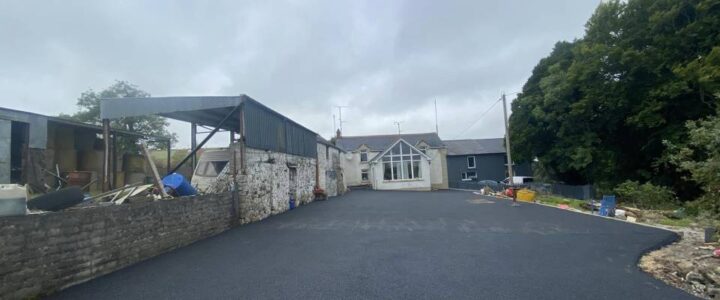
804 stone base and 3 inch SMA type tarmacadam completed in carrigmacross county Monaghan
Contact Us Now for a Free Quote!



Chances are you’ve spent a significant amount of time searching for the best driveway material for your home or commercial space. Like many property owners in Dublin, you probably want a charming driveway that not only stands up to the Irish weather but also adds a design element to your property. In this quest, many have found their answer in tarmac driveways.
But is it also the right choice for your property? Let’s help you make an informed decision that suits your needs and preferences. In this article, we explore everything you need to know about tarmac driveways in Dublin, including the factors you should consider to ensure you make the right choice for your beloved property.
Your driveway serves as a functional and appealing extension of your home, enhancing its overall value and kerb appeal. It’s, therefore, crucial to choose a driveway material that complements your property’s style, withstands the test of time, and fits within your budget.
Choosing the wrong paving solution can have several negative effects. For one, if the surface is poor quality – too soft or crumbles easily, it can cause damage to vehicles. Additionally, a badly chosen or poorly installed driveway can also lead to drainage issues, causing water build-up and potential dampness in adjacent areas.
Such mistakes diminish the value of your property and can lead to unnecessary extra costs. So, before deciding, it’s essential to carefully consider the available options, weigh the pros and cons of different materials, and consider the long-term implications. Research, consultation with professionals, and reviewing other homes with driveways that you admire can also be beneficial.
Ultimately, you should strive to balance aesthetics, functionality, durability, and cost when making this crucial decision.
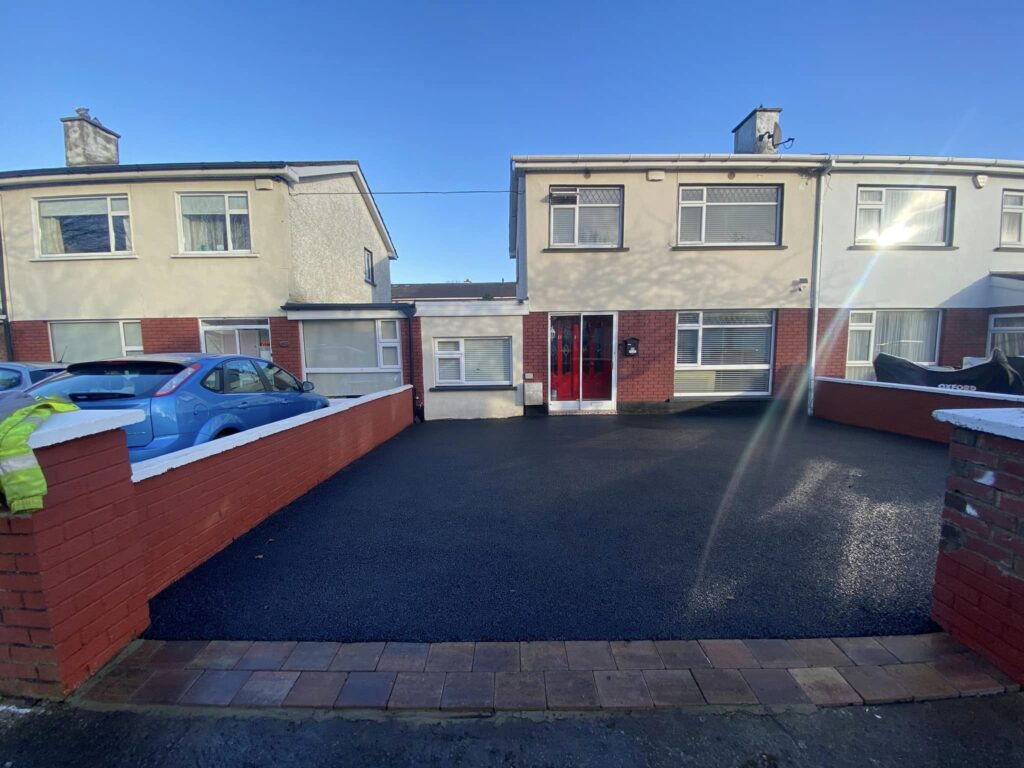
When picking a driveway material, tarmac is often a top choice for residential and commercial property owners in Dublin and all over Ireland. This is not surprising, given the numerous benefits of this driveway material.
Tarmac is known for its sturdy and long-lasting nature. It can withstand heavy loads and resist wear and tear from everyday use, making it a perfect choice for property owners who expect frequent vehicle movement.
Compared to other driveway materials like concrete, pavers, or gravel, tarmac is generally more cost-effective. Its easy installation process and lower material cost result in a wallet-friendly solution for property owners seeking an affordable yet durable driveway solution.
Click here to learn more about the tarmac driveways costs in Dublin.
Tarmac driveways offer a clean, sleek, modern appearance that enhances your property’s overall appeal. Plus, you can choose from various bordering materials, such as bricks, cobblestones, or flagstones, to create a distinct look that matches your home’s exterior. Additionally, coloured tarmac options and decorative patterns can further elevate your driveway’s appearance.
Tarmac driveways boast a faster installation time than other materials, such as concrete or pavers. Because tarmac sets quicker, you’ll have a functional driveway in no time, minimising disruption to your daily routine.
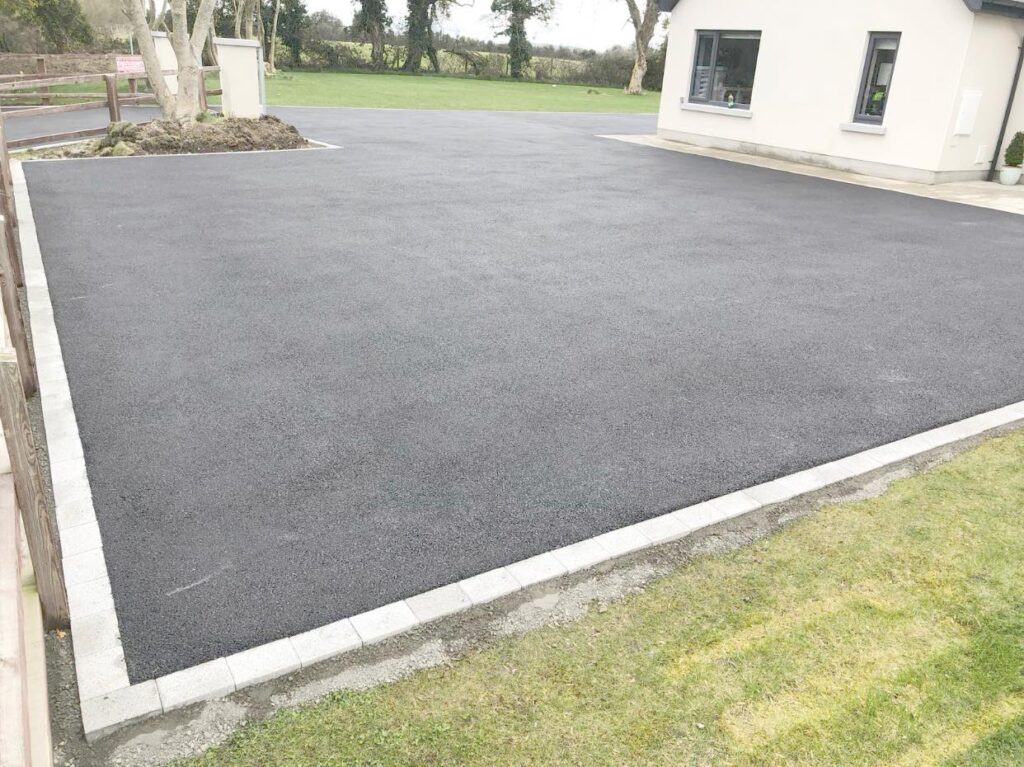
From the local climate to maintenance requirements, here are some of the essential elements you need to consider when installing a tarmacadam driveway:
Ireland’s climate, characterised by wet, mild, and sometimes unpredictable weather, can affect your driveway’s longevity. Tarmac can handle heavy rain, frost, and fluctuating temperatures well, making it an ideal option for Dublin property owners. Furthermore, tarmac’s dark colour can assist in melting snow and ice during the colder months.
When installing a tarmac driveway, discuss with your contractor the right tarmac mix for Dublin’s climate. The quality and proportions of the ingredients in the mix can influence durability and performance under various weather conditions. Look for tarmac mixes that have good water drainage properties and are designed to resist cracking during freezing temperatures.
When selecting a tarmac driveway design, consider the size of your property and how the driveway will fit into the existing landscape. Tarmac is an excellent choice for smaller properties since it can be easily shaped and customised to fit any area. For larger properties, you’ll want to ensure your driveway meets your usage needs and complements the surrounding landscape. Proper planning can also accommodate any future expansions or alterations you might have in mind.
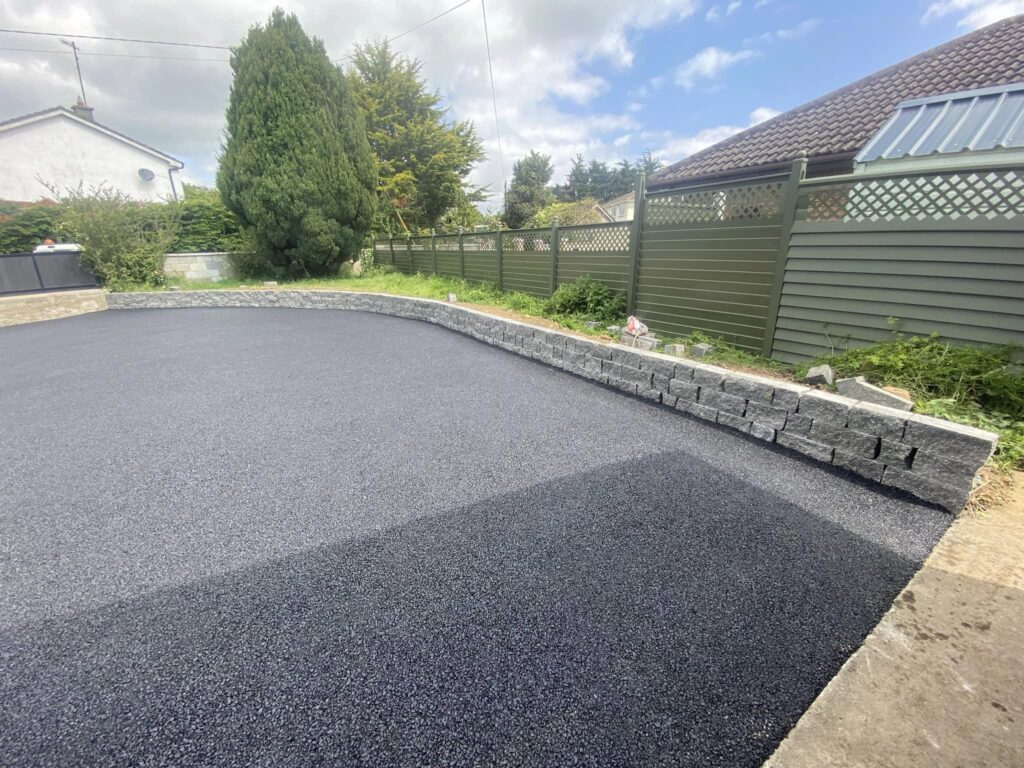
A professional tarmac driveway installation is crucial to ensure longevity and optimal performance. When selecting a paving contractor, make sure they have experience with tarmac driveways in Dublin, excellent reviews from previous clients, and are familiar with local regulations. It’s also helpful to visually inspect their previous work, if possible, as it can be reassuring to see first-hand the quality and workmanship they provide.
While tarmac driveways offer cost-effective solutions, you’ll still need to consider your budget and price range. Make sure to request quotes from multiple contractors and compare their rates, services, and quality of work.
Remember, cheaper doesn’t always mean better — investing in a quality installation will save you money in the long run. Also, consider any additional costs, such as decorative features, edgings, or advanced drainage systems, when planning your project.
Tarmac driveways are favoured for their durability and long lifespan. With proper installation and care, they can withstand heavy usage and severe weather conditions, lasting between 15 to 20 years on average. This longevity makes it a sound investment for your property.
Since quality installation can significantly impact the lifespan of your driveway, hire a professional tarmac driveway contractor in Dublin to ensure correct installation and optimal longevity. Choose a reputable company that uses a thick layer of tarmac and proper compaction techniques during installation.
A tarmac driveway can enhance the overall aesthetics of your property. The sleek black finish of a tarmac driveway offers a modern and clean look. Additionally, there’s scope for customisation, with the ability to incorporate decorative edging or other design elements for a tailored fit to your property’s style.
Consider accenting your tarmac driveway with blocks or bricks around the border to create a distinct and attractive look. Also, check the colour options available, as tarmac can come in various shades. Opt for a colour that complements the exterior of your Dublin property, creating a harmonious and visually appealing look.
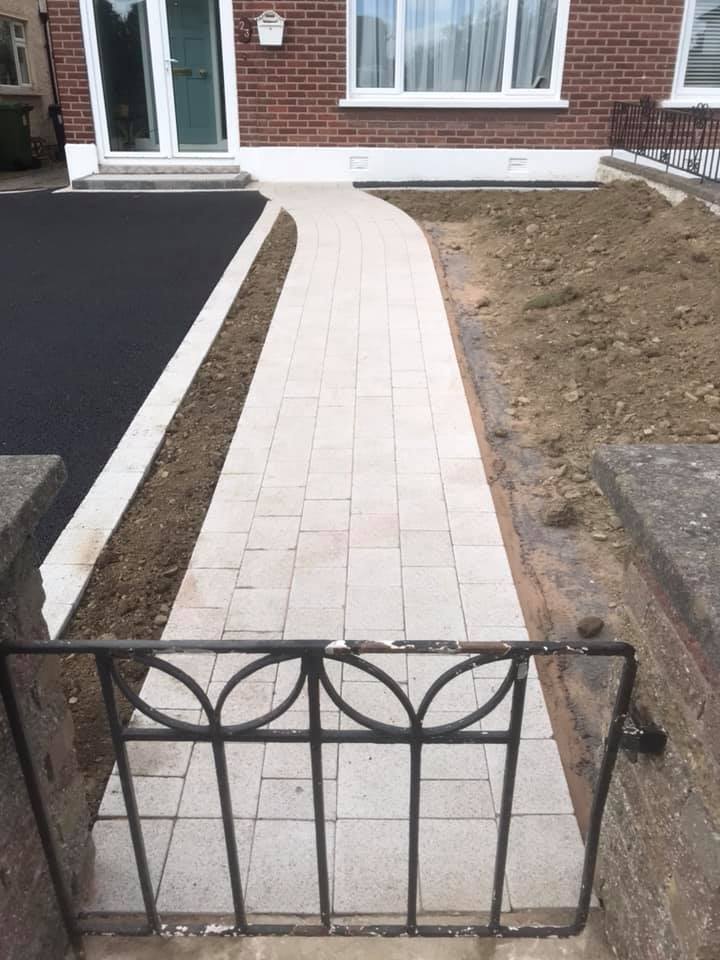
If you are eco-conscious, you’ll be glad to know that tarmac driveways have a lower environmental impact compared to some other driveway materials. Tarmac is recyclable, and the production and installation process is less energy-intensive.
Consider hiring a local driveway paving contractor to minimise carbon emissions associated with long-distance transportation. Also, ask your chosen paving company about using recycled tarmac for your driveway.
While tarmac driveways are relatively low maintenance, they require some upkeep. This could range from minor touch-ups to resealing every 3-5 years to maintain its sheen and avoid cracks.
Regular sweeping, occasional power washing, and promptly addressing any cracks or damage will help preserve its appearance and structural integrity. Discuss maintenance tips and schedules with your contractor to ensure you’re well-prepared to care for your new driveway.
Adequate drainage is essential to prevent water pooling, which can damage your driveway over time. When discussing your tarmac driveway installation with the contractor, ensure they incorporate proper drainage solutions. This might include grading the driveway to encourage water runoff or installing edge drains to channel excess water away from the surface.
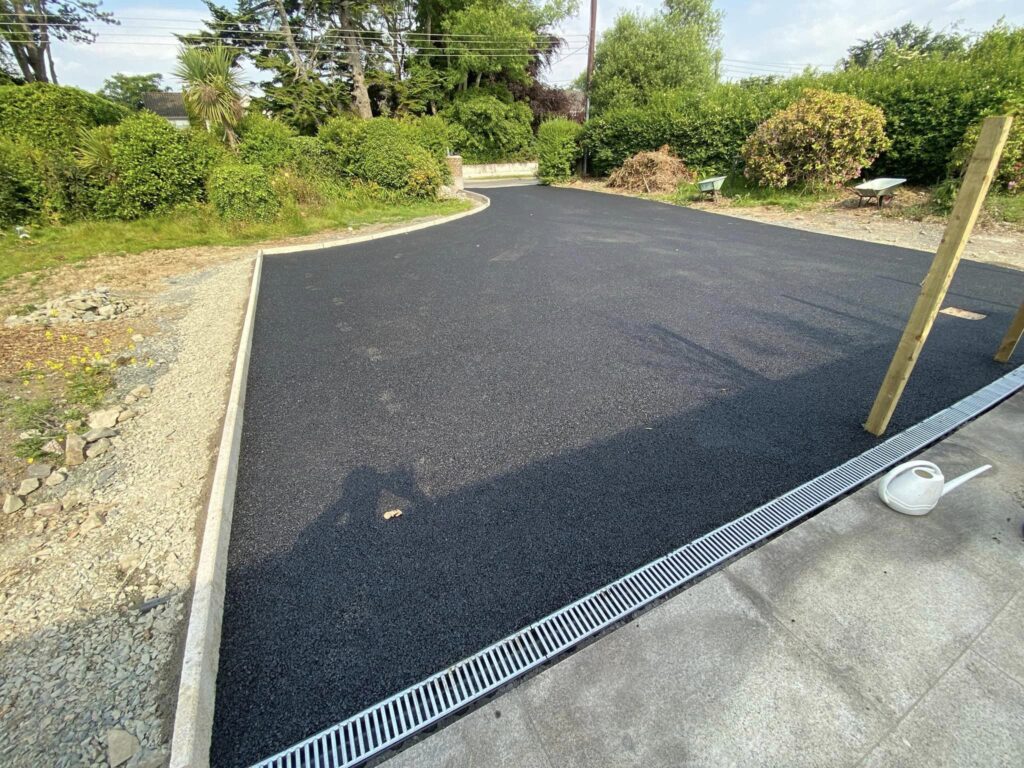
Before installing your tarmac driveway, it’s crucial to understand and adhere to all local regulations and acquire necessary planning permissions. Different areas might have different rules, and non-adherence can lead to fines or penalties. Hence, always make sure that your driveway meets all local guidelines and regulations.
Seek advice from your contractor, as they are likely to be well-versed in local regulations and best practices and can help ensure compliance. Always obtain written permission from relevant authorities before commencing any work to avoid violating local rules and incurring fines or penalties. Keep all documents related to permits and regulations secured and readily available for any inspections or inquiries.
As mentioned earlier, proper maintenance can significantly extend your tarmac driveway’s lifespan. They can stay in optimal condition and appearance through regular and appropriate care.
Here are some essential tips for maintaining tarmac driveways:
Keep your driveway free from any debris, dirt, moss, or algae by cleaning it often. Using a soft-bristled brush can be an excellent tool to clear it of any dry or loose materials. Additionally, a pressure washer on a low setting can aid in removing more stubborn stains or grime.
During the winter, refrain from using abrasive de-icing products. They can cause the surface to deteriorate and lead to premature weathering. Instead, use sand or salt-free alternatives to ensure safety without damaging the surface.
Even minor cracks or depressions can escalate if not addressed promptly. Getting professional tarmac driveway repair services in the early stages will not only prevent further damage but also maintain your driveway’s structural integrity and aesthetic appeal.
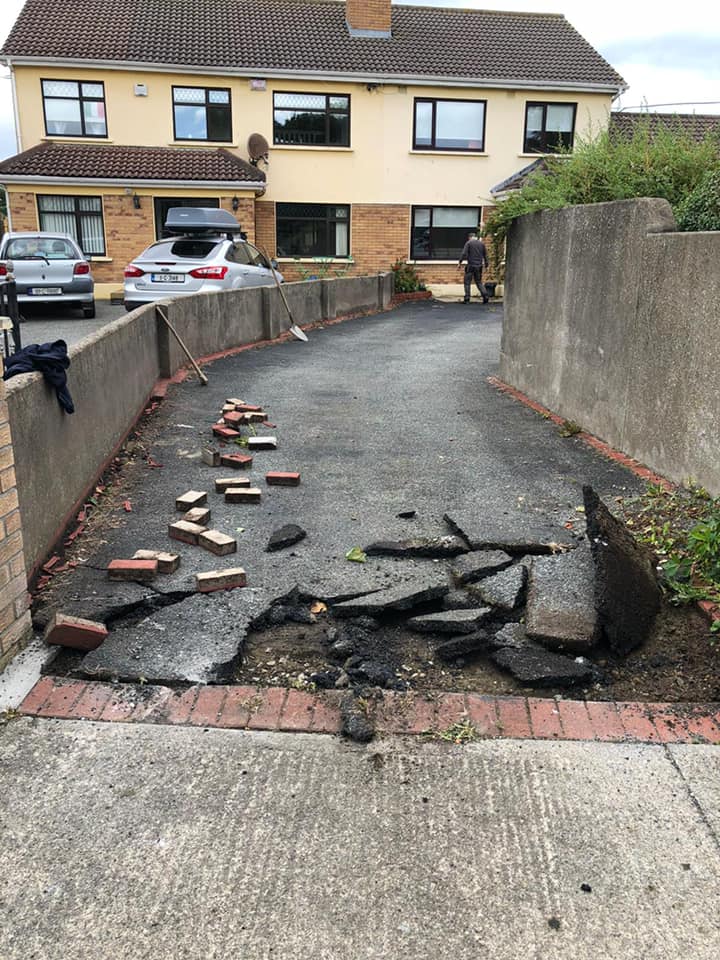
Pay attention to nearby tree roots or other encroaching vegetation. Tree roots can cause significant damage by breaking the surface and leading to cracks. So, it’s essential to remove them promptly. Maintain a buffer zone between the driveway and plantings to minimise problems.
Schedule professional inspections of your driveway from time to time. Trained eyes can identify potential issues that might be overlooked and provide necessary care instructions or repair services.
Tarmac driveways can soften under extreme heat, causing them to be susceptible to damage from heavy vehicles or equipment. Try to limit these from parking or being placed on the driveway, especially during hot summer days.
Keep the driveway edges well-supported and protected. Soil, a row of bricks, or landscape timber can help keep the sides strong and limit the risk of crumbling.
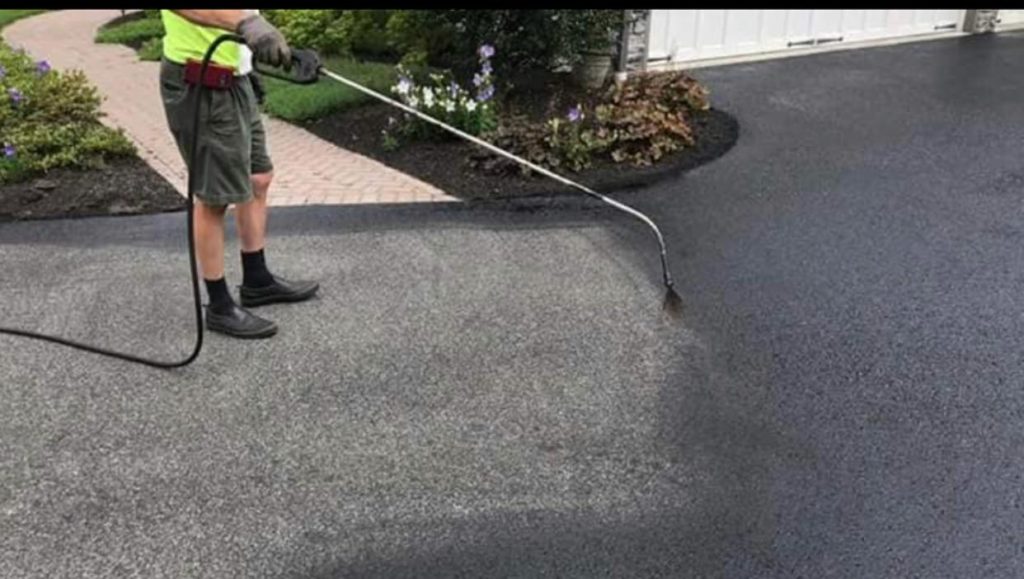
Over the years, tarmac driveways may fade due to exposure to sunlight and harsh weather conditions. So, it’s essential to apply a high-quality tarmac sealer every few years. The sealer acts as a protective layer guarding against harmful UV radiation, oil spills, and other forms of stains or damage. Moreover, reapplying a good quality tarmac sealant can restore the rich black finish and improve its overall appearance.
During winter, be careful when removing snow from the driveway’s surface. Always use a plastic shovel, as metal can scratch or damage the surface.
By following these tips, along with any additional recommendations suggested by the installation contractor, you can expect to enjoy a long-lasting, resilient, and aesthetically pleasing tarmac driveway.
As you plan your tarmac driveway project, keep the following common mistakes in mind to ensure a hassle-free installation process and a long-lasting driveway:
Don’t cut corners when choosing the tarmac mixture, bordering materials, or driveway contractor. Investing in top-notch materials and services will benefit you in the long run, ensuring a durable and visually appealing driveway.
Make sure your contractor maps out proper drainage systems to prevent standing water and keep your driveway functional. Remember, inadequate drainage can cause water pooling and damage your driveway over time.
It may seem time-consuming, but it is necessary to consult with local authorities to ensure compliance with building rules, permits, and zoning regulations. This process can save you from potential fines and complications down the line.

Your driveway should blend seamlessly with your property’s existing landscape design. Work with your paving contractor to ensure your new tarmac driveway complements your home’s exterior, garden, and other outdoor elements.
A sturdy and well-prepared subbase is crucial for a long-lasting tarmac driveway. Ensure that your contractor installs the proper depth and type of subbase and that it is adequately compacted.
Weather plays a vital role in a successful driveway installation. Avoid scheduling your project during months of heavy rain or freezing temperatures, as these conditions can negatively affect your tarmac driveway’s performance and longevity.
Regular maintenance is vital for preserving your driveway. However, improper or inconsistent upkeep can lead to premature damage. Follow maintenance best practices consistently, as recommended by professionals.
It’s essential to maintain open communication with your chosen contractor throughout your tarmac driveway project. Stay updated on progress, discuss concerns, and clarify expectations to minimise potential misunderstandings and delays.
Once your driveway is done, it’s vital to adhere to any post-installation care instructions provided by your contractor. For instance, avoid driving or parking on the newly installed surface for the recommended period, usually between 3 to 7 days. Following proper care guidelines helps maintain the driveway’s integrity and ensures optimal performance.
Keep track of your driveway’s warranty period and address any issues that may arise during this timeframe. Working closely with your contractor ensures a timely response to potential problems and protects you under the warranty agreement.
In conclusion, tarmac driveways are a sound investment for both practical and aesthetic reasons. They are resilient, cost-efficient, and capable of enhancing the overall look of your Dublin property. However, their longevity and appeal depend heavily on careful planning, quality installation, and regular maintenance.
From considering factors such as costs and property size to collaborating with a reputable contractor who understands the nuances of tarmac driveways, each step is integral in ensuring a smooth installation process and a stunning result for your Dublin property. Consistent maintenance is the final key to preserving its excellent condition for the coming years.
So, as you embark on this project, remember that each decision you make, from the preliminary planning to the final post-installation care, plays a significant role in shaping the result. All these factors come together to craft a durable, beautiful driveway that will serve as a statement piece for your property.
Transform your property’s facade with New Style Driveways — your trusted partner for top-quality tarmac driveways in Dublin. Together, let’s create a functional and durable driveway that stands out! Call us at (01) 4851582 | 0852139591 or click here to schedule a consultation.
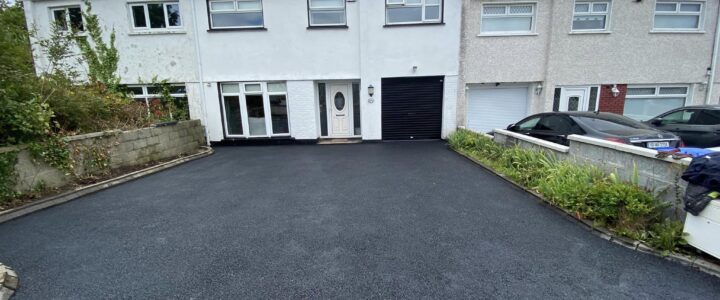
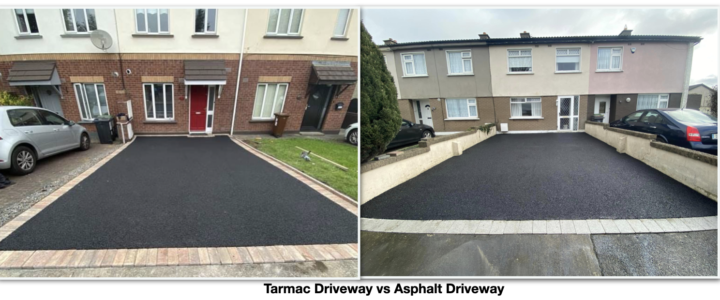
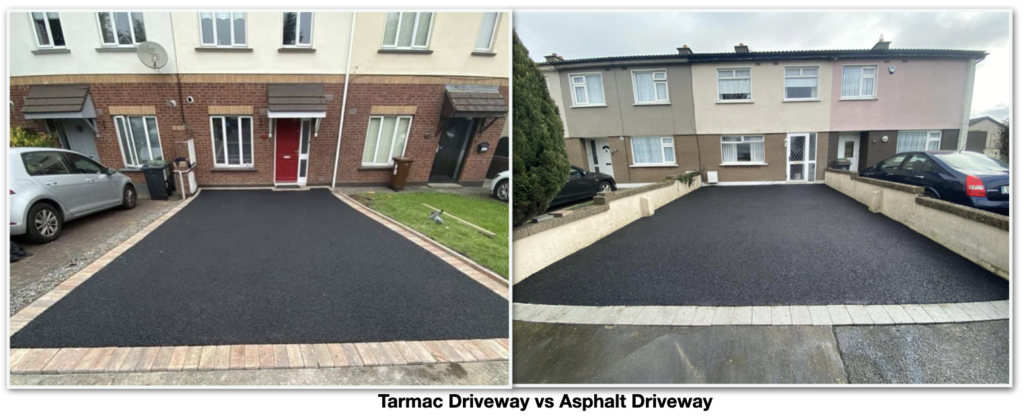
Your driveway is a crucial component of your home’s exterior. It serves as the pathway to your property and plays a significant role in creating a positive first impression. To add, a well-paved driveway not only improves the appearance of your home but also provides a safe and functional surface for walking and driving. In Ireland, where weather conditions can be challenging, choosing a driveway material that can withstand the elements is vital.
When it comes to driveway materials, two popular choices in Ireland are tarmac and asphalt. While these paving solutions are similar in some ways, they have distinct differences in terms of durability, cost, maintenance requirements, and aesthetic options. Understanding these differences can help homeowners in Ireland make an informed decision when choosing between tarmac and asphalt driveways.
Tarmac driveways, also called tarmacadam, are originally made up of tar and macadam. Nowadays, they are made by combining crushed stones and sand with liquid bitumen. The bitumen acts as a binder that holds the crushed stones and sand together.
Tarmac driveways offer several advantages that make them a popular choice in Ireland:
One of the most significant advantages of tarmac driveways is that they are relatively low-cost compared to other paving materials. The initial installation cost is lower, making them an attractive option for homeowners on a budget.
Tarmac driveways can cost anywhere from €40 to €75 per square meter, whereas concrete driveways can cost €75 to €100 per square meter. Similarly, block paving can also be more expensive than tarmac, with pavers costing €80 to €105 per square meter.
If you want to read more about the cost of tarmac driveways in Ireland, click here.
Tarmac driveways are highly resistant to the unpredictable Irish climate. They can withstand heavy rainfall and temperature fluctuations without significant damage, making them an excellent choice for areas with frequent rain and varying weather conditions.
They can be installed relatively quickly, minimising disruption to your daily routine. The efficient installation process ensures that your driveway is ready to use in a shorter timeframe.
Tarmacadam driveways require less maintenance compared to other materials. Regular sweeping and cleaning are needed to prevent the build-up of dirt and debris, but repairs may be necessary if the driveway shows any signs of damage.
Another advantage of tarmac driveways is that they are easy to repair. If your tarmac driveway sustains any damage, such as cracks or potholes, it can be fixed quickly and cost-effectively.
While tarmac driveways offer numerous benefits, it’s essential to consider their limitations:
Tarmac driveways can be slippery when wet, which can be a concern when it rains or snows. The smooth surface of tarmac, combined with water or ice, can create conditions that may affect traction for both vehicles and pedestrians.
Tarmac driveways may crack and get damaged over time. This can be prevented by ensuring proper installation through a reputable tarmac driveway contractor, regular maintenance, and taking steps to avoid heavy vehicle traffic or sharp objects on the surface.
Tarmac is susceptible to staining and deterioration when exposed to oil or petroleum-based substances. When vehicles leak oil or gasoline onto the tarmac driveway, the oil can penetrate the surface and cause discolouration and even structural damage over time.
Tarmac is a petroleum-based product, making it non-environmentally friendly. While some contractors offer recycled tarmac, not all do. So, it’s essential to ensure you work with an eco-conscious driveway paving company if this is a priority for you.
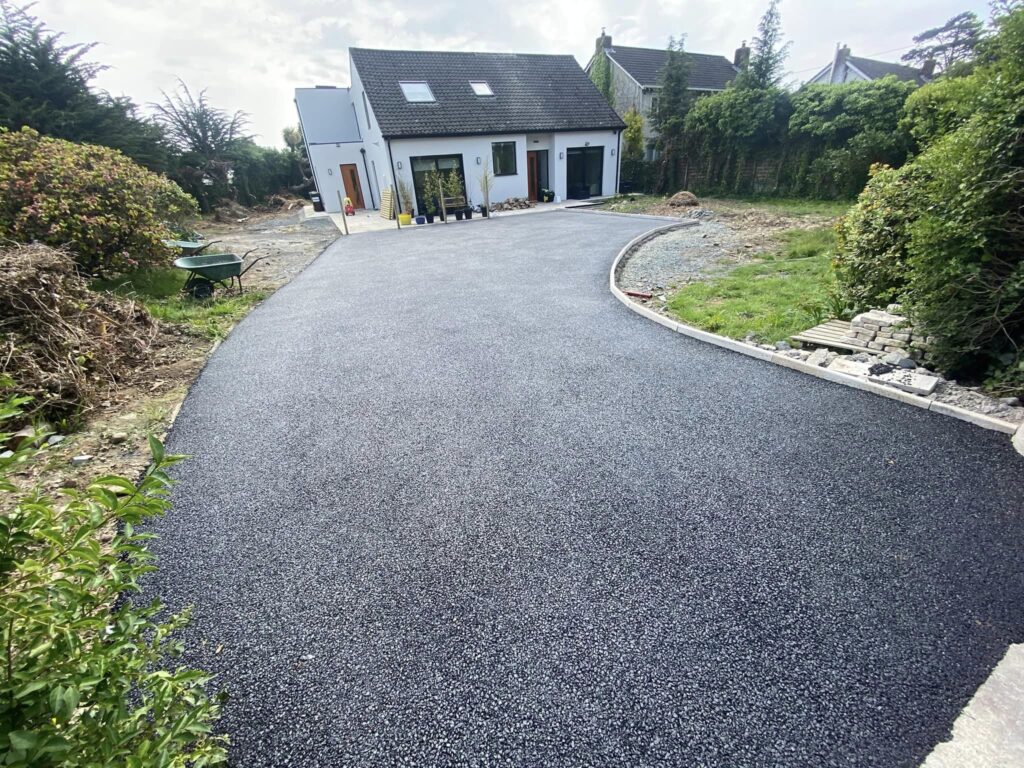
Asphalt driveways are primarily composed of crushed stones, rocks, sand, and bitumen. However, the bitumen in asphalt is typically a lighter colour than the bitumen in tarmac.
Asphalt driveways offer several advantages that make them a popular choice for homeowners in Ireland:
Compared to other paving materials, such as concrete or pavers, asphalt driveways tend to have a lower initial installation cost. This makes it an attractive option for homeowners on a budget.
Asphalt driveways can withstand heavy loads and regular vehicle traffic without easily cracking or crumbling. When properly maintained, an asphalt driveway can last for decades, providing a reliable and long-lasting surface for your vehicles.
Driveways made of asphalt provide a smooth and seamless surface, which can enhance the driving experience. The absence of joints or gaps makes it easier to navigate vehicles or even clear snow during winter.
Asphalt driveways offer a wide range of aesthetic options. Homeowners can choose from various decorative aggregates, patterns, colours, and finishes to create a customised look that complements their home’s design.
While asphalt driveways have several advantages, they also have some limitations:
While asphalt driveways are hard-wearing, they require regular maintenance to keep them in optimal condition. This includes periodic sealing to protect against moisture, UV rays, and other external factors. Without proper maintenance, the surface can deteriorate over time.
Extreme temperature fluctuations can affect the performance of asphalt driveways. In cold climates, freezing and thawing cycles can cause cracking and damage. In hotter regions, prolonged exposure to heat can lead to softening and rutting. Proper installation and regular maintenance are essential to mitigate these issues.
Like tarmac, asphalt driveways are susceptible to stains from oil, gasoline, and chemicals. Spills should be cleaned up promptly to avoid permanent discolouration. Sealcoating can provide an added layer of protection against these stains.
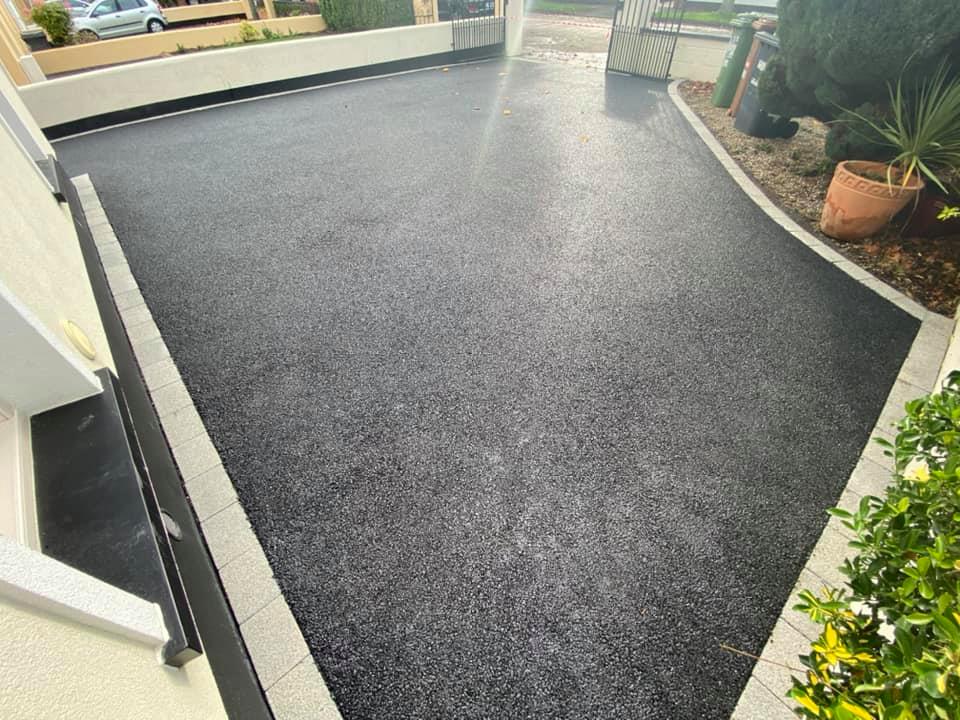
Here’s an overview of how tarmac and asphalt fare in various aspects:
|
Feature |
Tarmac |
Asphalt |
| Durability | Less durable | More durable |
| Cost | Less expensive | More expensive |
| Maintenance requirements | More maintenance | Less maintenance |
| Color and customization options | More flexible | Less flexible |
| Slip resistance | Less slip-resistant | More slip-resistant |
| Lifespan | 15-20 years | 20-25 years |
| Overall | Good option for budget-minded homeowners who want a driveway that can be customized | Good option for homeowners who want a durable driveway that requires less maintenance |
Both tarmac and asphalt driveways exhibit strong durability and excellent weather resistance. However, there are a few factors to consider when comparing their performance in Irish conditions.
Both tarmac and asphalt driveways are designed to resist heavy rainfall, temperature changes, and freezing conditions, ensuring their durability over time.
Both have good water resistance. Proper installation and maintenance, including ensuring efficient drainage, are essential for preventing water pooling and potential damage.
Asphalt driveways tend to have better frost resistance due to their flexibility. The expansion and contraction properties of asphalt help it withstand freezing temperatures without significant cracking or damage. Tarmac driveways are also resilient but may require extra care and maintenance during cold weather conditions.
Ultimately, both tarmac and asphalt driveways are durable and can withstand the changing weather conditions in Ireland. However, asphalt driveways are more flexible and resistant to cracking in extreme weather conditions like frost.
The flexibility of asphalt is due to its composition and ability to expand and contract with temperature changes. Additionally, asphalt driveways offer better resistance to water penetration, which can cause damage and surface deterioration over time.
The cost and installation process are crucial considerations for homeowners. So, let’s compare the two materials:
Tarmac driveways generally have a lower initial installation cost compared to asphalt driveways. The price varies based on factors such as driveway size, site preparation, and labour requirements.
While tarmac driveways have lower initial costs, asphalt driveways tend to have a longer lifespan and may require fewer repairs over time. Additionally, asphalt is recyclable, which can result in cost savings for the homeowner.
The duration of the installation process will depend on the driveway size and complexity. However, tarmac driveways are generally known for their quick installation process, allowing homeowners to enjoy their newly paved surface sooner. One reason for this is that tarmac driveways can be laid onto an existing surface, reducing the installation time and price. On the other hand, asphalt driveways require a more detailed installation process, including proper grading, compaction, and layering.
As mentioned earlier, the driveway installation cost may vary based on various factors, such as the driveway’s size, the property’s geography, and specific job requirements.
As a general estimate, the initial cost of installing a tarmac driveway in Ireland can range from €40-€75 per square meter. In contrast, the initial cost of installing an asphalt driveway can range from €60-€90 per square meter.
While tarmac driveways are generally less expensive to install initially, the long-term benefits and durability of asphalt driveways may offset this higher upfront cost. So, homeowners like you should consult with trusted contractors to get a more accurate estimate based on their specific project needs.
Regular maintenance is essential for preserving the quality and longevity of your driveway. Let’s examine the maintenance requirements for tarmac and asphalt driveways:
Properly maintaining tarmac driveways entail regular cleaning to remove debris and prevent surface deterioration. It’s important to promptly address any cracks or damages by filling them with suitable repair material. Applying a sealant every few years helps protect the surface and extend the driveway’s lifespan.
Like tarmac driveways, asphalt driveways need regular cleaning to prevent staining and maintain their appearance. Resealing the surface every few years helps protect against moisture penetration and UV radiation. Promptly addressing potholes and cracks through patching is crucial to prevent further damage.
Both tarmac and asphalt driveways may require repairs over time. Tarmac driveways may develop cracks or surface damage, which can be easily filled and sealed. Asphalt driveways may also require patching of potholes or cracks. The cost of repairs will vary based on the extent of the damage and the size of the affected area.
Preventative measures such as crack sealing and seal coating can help mitigate damage and extend the life of both types of driveways.
For many homeowners, aesthetics and customisation play a significant role in their decision-making process. If you are particular about your driveway’s design and appearance, read on to learn more:
Tarmac driveways are typically available in black or dark grey. But they can be dyed in a variety of colours, like red and brown. The range of colour options for tarmac is generally more limited compared to asphalt. Moreover, the colour tends to fade over time, so it is important to choose a hue that you are not too attached to.
Asphalt driveways are typically a uniform grey colour. However, through the use of pigments, they can be customised to match the preferences of property owners. The colour of the asphalt will not actually change, but the pigment will give it the appearance of being a different colour. The amount of pigment added will determine the intensity of the hue.
Yes, tarmac and asphalt driveways can be customised to match the aesthetics of your home in various ways:
As mentioned earlier, coloured tarmac and asphalt options are available to complement the overall look of your home. You can choose a colour that matches or complements the exterior of your house or any specific design scheme you have in mind.
You can also customise the surface finish of your tarmac or asphalt driveway. Different textures and patterns can be applied to create a unique look that suits your home’s style. For example, you can opt for a smooth finish or a textured surface that adds visual interest.
It is worth mentioning that adding texture creates a non-slip surface. This is a great option if your children or pets play in the driveway. The texture that you choose will depend on the amount of traffic that your driveway receives.
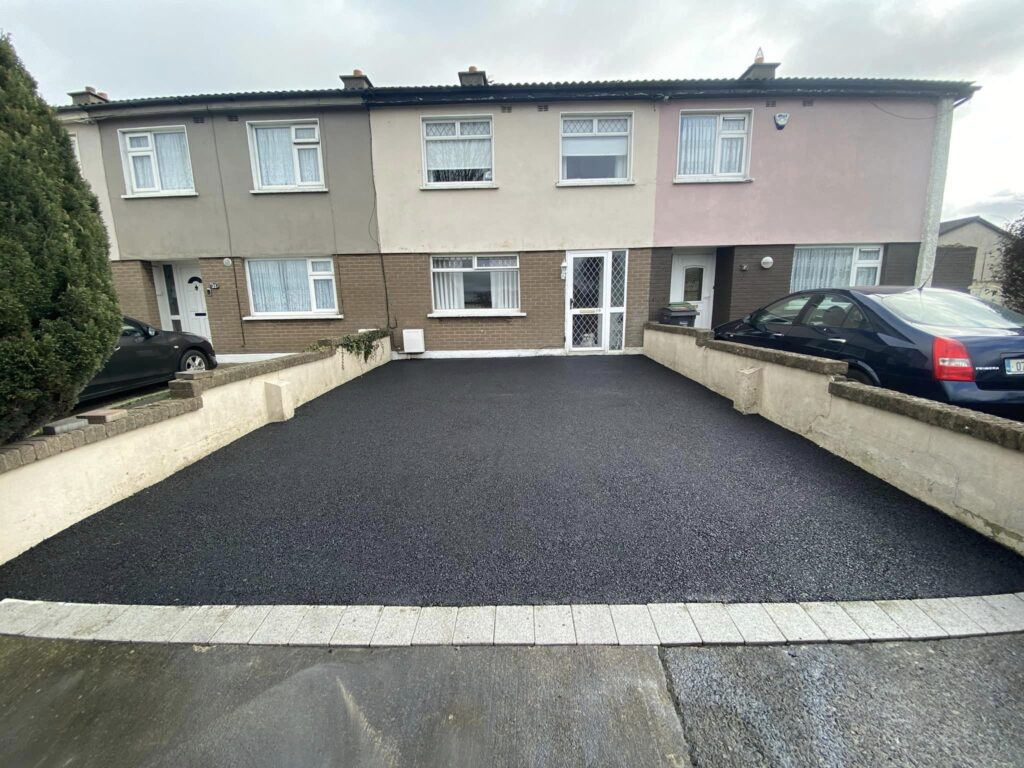
Edging and borders can be used to define the driveway’s space and add visual interest. You can choose from various materials, such as bricks, stones, or pavers, to create an attractive border that complements the overall aesthetics of your home.
Stamping is a process that uses a mould to create a specific pattern on the surface of the driveway. Textures and patterns can be applied to the driveway’s surface to create a unique and decorative look. This process allows you to mimic the appearance of other materials, such as brick, stone, or tile, without the cost and maintenance associated with those materials. Some popular stamped patterns for driveways include cobblestone, slate, and brick.
While tarmac can be stamped, it is not as common as stamping asphalt. This is because the gravel in the tarmac can make creating a clear and crisp stamp more difficult.
By considering the surrounding landscape, you can further personalise your driveway. Adding greenery, decorative lighting, or other landscaping features along the driveway can enhance its visual appeal and help integrate it seamlessly with your home’s exterior design.
Tarmac driveways are made from oil-based products, which can have an environmental impact due to the extraction and processing of crude oil. However, the tarmac industry has made efforts to improve sustainability by incorporating recycled materials into the production process. Using recycled aggregates, such as crushed concrete or asphalt, can help reduce the need for new raw materials and decrease the overall environmental footprint of tarmac driveways.
Asphalt driveways, on the other hand, are known for their recyclability and energy efficiency. Asphalt can be recycled and repurposed, which helps reduce the amount of construction waste and the demand for new materials. Incorporating recycled asphalt pavement (RAP) in the manufacturing process can lead to significant energy savings and reduced carbon emissions. Furthermore, the industry has been working towards utilising sustainable binder technologies, such as warm-mix asphalt, which reduces energy consumption during production.
Choosing between tarmac and asphalt driveways ultimately depends on your specific needs and priorities. Consider the following factors to determine which type of driveway is the right choice for you:
Asphalt driveways typically come at a higher price point compared to tarmac driveways. So, if budget is a primary concern, tarmac driveways are generally more cost-effective upfront. However, it’s essential to assess your budget and weigh the initial expenses against the long-term cost analysis before making a decision.
Asphalt may be the superior choice if you’re looking for a driveway that will last many years without significant deterioration. Their weather resistance and flexibility make them more durable in varying climate conditions, minimising the risk of cracking and damage. They have a longer lifespan, making them a solid investment for the long term.
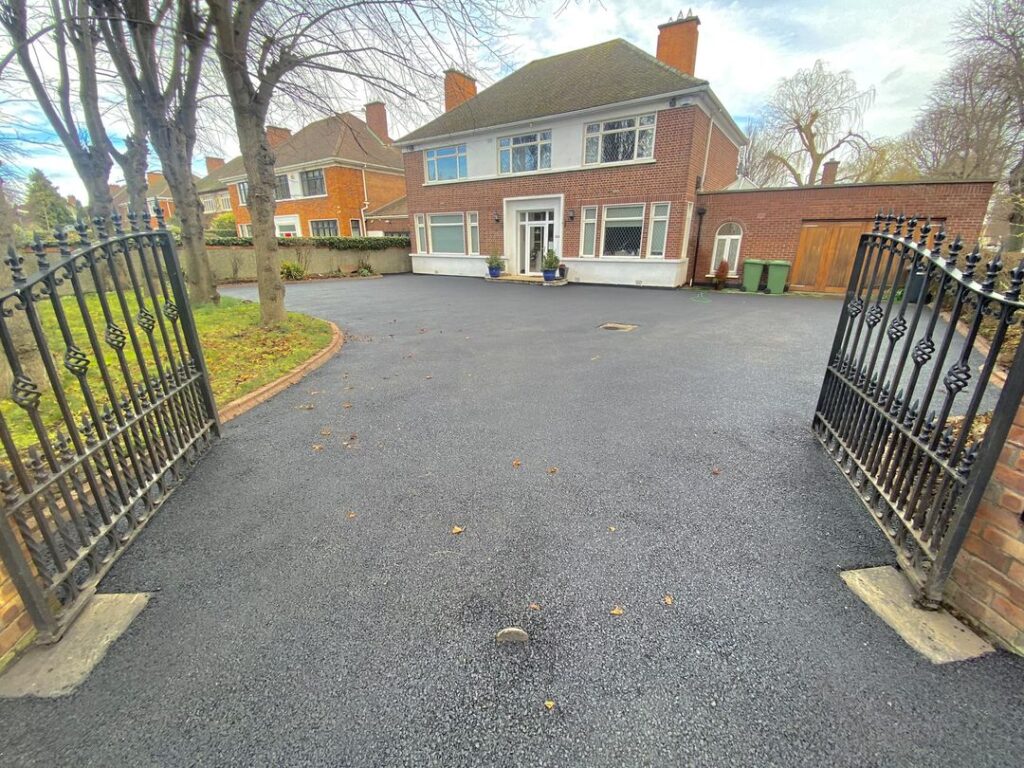
In Ireland, the wet and icy weather can be a safety hazard. That’s why it’s so important to have a slip-resistant driveway. With their smooth surface, asphalt driveways may offer better traction, reducing the risk of slips and falls compared to tarmac driveways.
But this is not to say that tarmac can’t be used in places that experience wet and icy conditions. Tarmac driveways can be made more slip-resistant by adding aggregate to the mix, which is why they remain a popular choice in Ireland.
As mentioned earlier, both tarmac and asphalt driveways can be customised to match the aesthetics of your home. You can choose from various colours, textures, and patterns to create a driveway that seamlessly integrates with your home’s exterior. For example, you can dye your driveway a colour that matches your home’s siding or stamp it with a pattern that mimics the look of brick or stone. You can also add edging or landscaping to further make your driveway unique.
Both tarmac and asphalt driveways require regular maintenance to ensure their longevity. This includes sealing the driveway surface to protect against cracks and potholes, as well as occasional repairs. However, tarmac driveways may require more frequent maintenance due to the potential for gravel migration or the need to address any loose stones.
Before choosing a paving material, you must check for any local regulations or homeowner association guidelines that may impact your choice of driveway material. Some areas may have specific requirements or restrictions regarding the use of tarmac or asphalt driveways.
By considering these factors, you can make an informed decision and choose the right type of driveway for your needs.
In conclusion, the decision between tarmac and asphalt driveways in Ireland should be carefully considered to ensure the best outcome for your home. Both options have advantages, and it’s important to determine the factors that matter most to you.
Remember, your driveway will impact your home’s overall appearance, safety, and maintenance needs. So, evaluate your needs, weigh the options, and get the opinion of an experienced driveway contractor in Ireland.
Working with a professional asphalt or tarmac driveway contractor can help you make the best decision for your property. They have the expertise and knowledge to assess your requirements, provide accurate cost estimates, and guide you through the available customisation options. They can also ensure proper installation, maintenance, and repair of your chosen driveway material, resulting in a long-lasting and aesthetically pleasing outcome.
Keep in mind, investing in a well-paved driveway not only enhances the curb appeal of your property but also adds value and functionality. By making an informed decision and collaborating with professionals, you can enjoy a driveway that meets your needs and complements the overall design of your home.
Can’t decide which driveway material is better for your home? Let our tarmac and asphalt driveway experts help you! Call us today on (01) 4851582 or 0852139591 to schedule a consultation!

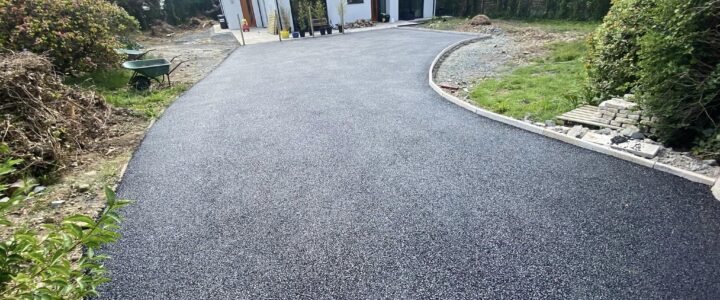
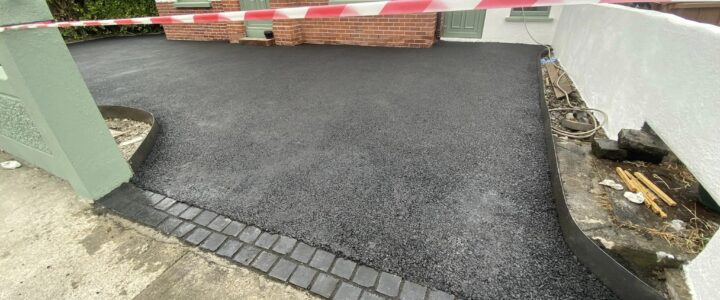
Tarmac driveway completed in Dolphins Barn Dublin with limestone border and steel edges for flower beds  low maintenance.
Contact us for a free quote