
Tarmac Driveways Special Offer

Choosing a Driveway That Suits Westmeath Homes, Weather and Lifestyles

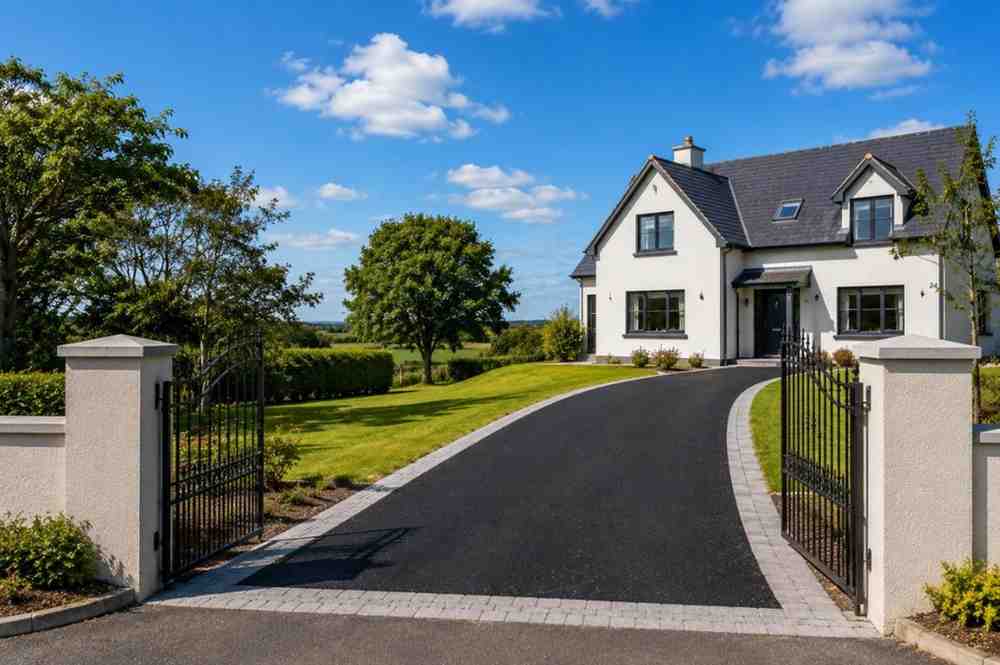
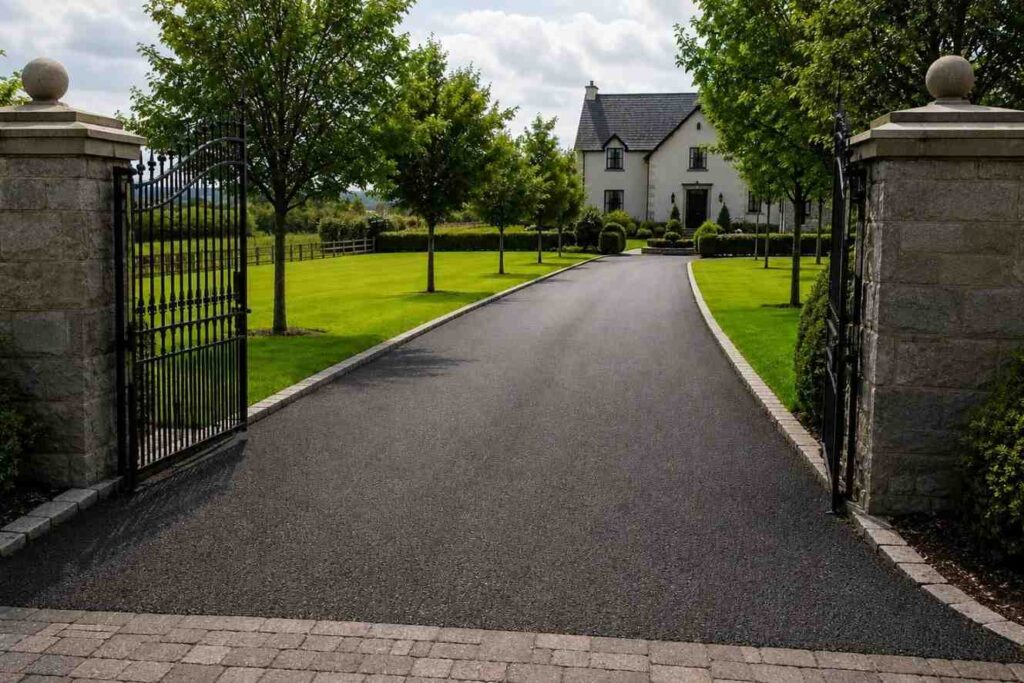
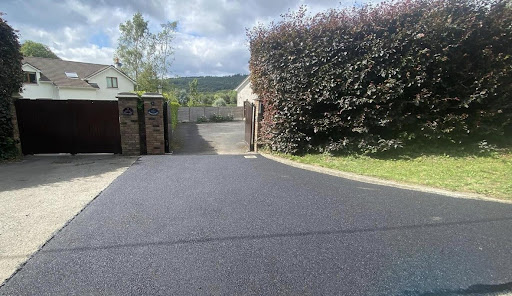
Newly installed black SMA tarmac driveway with silver-grey block paving borders leading through open wrought-iron gates to a detached home in Castlepollard, County Westmeath, with green lawns, mature trees and rolling countryside under a bright summer sky.

From Mullingar to Athlone, and from the quieter roads around Castlepollard to the villages near Delvin and Kinnegad, homes across County Westmeath come in every shape and size. Some have compact front gardens with room for two cars, while others sit at the end of long entrances bordered by hedgerows, stone walls or open fields. That variety is one of the reasons there is no single answer to the question of which driveway is best.

Newly installed black SMA tarmac driveway with silver-grey block paving borders leading through open wrought-iron gates to a detached home in Castlepollard, County Westmeath, with green lawns, mature trees and rolling countryside under a bright summer sky.

The recent spell of warm weather has prompted many homeowners to spend more time outdoors, and it doesn’t take long before an entrance that looked acceptable through the winter begins to stand out. Faded tarmac, loose gravel spreading into borders or puddle marks near the gate are easier to notice when the garden is looking its best. Summer is often when people plan improvements, but it is still the wet months that reveal whether a driveway has been built to suit the site.

The right surface should feel like it belongs with the property. It should suit the house, the amount of traffic it carries and the ground beneath it rather than simply reflecting the latest trend.

What Westmeath homeowners should know before resurfacing

  • Different properties need different driveway solutions.
  • SMA is a popular choice for busy family homes, while gravel still suits many rural entrances.
  • Drainage problems usually become obvious around gates, garages and low spots after heavy rain.
  • Preparation beneath the surface is just as important as the finish you choose.
  • Costs vary depending on excavation, drainage, access and the condition of the existing base.
  • A driveway that suits the property will usually age better than one chosen purely for appearance.

Every property asks something different of its entrance

County Westmeath includes modern estates, detached family homes, farmhouses, cottages and lakeside properties, each with its own challenges. A driveway outside Moate carrying tractors, trailers or horseboxes has very different demands to an entrance in a residential development in Mullingar. Likewise, a long approach to a rural home needs different planning from a shorter suburban driveway where vehicles turn in and out several times a day.

After a few years, patterns begin to emerge. Delivery vans often wear the same corner every week until the edge starts to crumble. Water settles beside gateposts where there isn’t enough fall. Older entrances patched over several times eventually become uneven because the original base underneath has deteriorated. These are the sorts of issues that usually prompt homeowners to consider resurfacing.

Choosing the right finish starts with understanding how the entrance is used, how the ground behaves in wet weather and what will sit comfortably alongside the property.

Why SMA suits many busy family homes

SMA has become one of the most common choices for family homes because it combines a tidy appearance with a surface that copes well with everyday traffic. It works particularly well on suburban properties in places such as Mullingar, Athlone and Kinnegad, where cars are coming and going throughout the day and homeowners want something that requires very little routine maintenance.

The finish is clean without looking overly formal, and it pairs well with simple granite edging or neat kerbs. It also suits many renovated homes where the owners want an entrance that complements the property rather than dominating it.

That doesn’t make it the right answer for every site, but where the base is sound and drainage has been planned properly, SMA provides a practical solution for many Westmeath homes.

Where gravel still works well

Gravel driveways remain a popular choice throughout rural Westmeath, particularly on longer approaches where a softer, more traditional look suits the surroundings. Around Castlepollard, Delvin and the quieter country roads beyond Lough Ennell, gravel often feels entirely at home beside mature trees, stone walls and older farmhouses.

It does come with maintenance. Stones gradually work their way into flowerbeds and lawns, steeper entrances often need occasional raking, and after periods of heavy rain some areas may require topping up or levelling again. For many homeowners that is a worthwhile trade-off, while others eventually decide they would prefer a more stable surface.

Tar and chip is another option that sits comfortably in rural settings. It offers a more fixed surface than loose gravel while retaining a natural appearance that suits country properties. Resin and decorative finishes can also work well, particularly around landscaped homes, although they are generally more expensive and tend to suit specific styles of property rather than every location.

Planning for Irish weather, not just summer viewing

A driveway can look perfect during a spell of dry weather, but rain quickly highlights problems that are easy to miss. Water collecting near gates, garages or other low points usually suggests that drainage needs attention. Frost then finds its way into small cracks, making them larger over time, while shaded areas beneath trees or beside high walls encourage moss to develop.

Soft edges are another common issue, especially where larger vehicles repeatedly turn in the same place. Over time the surface begins to break away, allowing water to reach the layers beneath.

These are the reasons preparation matters as much as the finished surface. The best results usually come from looking at the site as a whole, including the slope, existing drainage, access and the condition of the base, before deciding which material is most suitable.

What does a new driveway cost in Westmeath?

Every project is different, so prices should always be treated as a guide rather than a fixed figure.

Tar and chip typically ranges between €45 and €75 per m², while SMA and asphalt generally fall between €70 and €100 per m². Decorative resin systems often sit above that, depending on the specification and the amount of preparation required.

Overall, many projects fall somewhere between €45 and €110 per m² depending on site preparation, drainage, access conditions and the overall size of the entrance.

The condition of the existing base, drainage and edges can affect the final cost just as much as the surface finish itself. An entrance that looks tired may only need resurfacing, while another that appears similar could require excavation and repairs before new material can be laid.

Questions homeowners often ask

Is SMA the best choice for every property?

Not always. It suits many busy family homes and suburban entrances, but the right choice depends on the property, the existing base, drainage and how the entrance is used.

When do gravel driveways make the most sense?

Gravel works particularly well on longer rural approaches where its appearance suits the setting and the homeowner is comfortable with occasional maintenance.

Can an older driveway simply be resurfaced?

Sometimes it can. In other cases, the existing foundation has weakened over the years and needs repair before resurfacing begins. A site visit usually makes that clear.

Does drainage really make that much difference?

Yes. Most recurring problems start with water. If it cannot drain away properly, the surface above it is unlikely to perform as well as it should.

Choosing a driveway that still feels right years later

The best driveways in County Westmeath are not necessarily the most expensive or the most decorative. They are usually the ones that suit the property, the surrounding landscape and the way the entrance is used every day.

A compact family home in Mullingar, a farmhouse outside Moate or a lakeside property near Lough Ree may all require different solutions, but the same principles apply. Good preparation, sensible drainage and choosing a surface that matches the site will generally produce better results than following fashions.

New Style Driveways works with homeowners throughout County Westmeath on SMA, tar and chip, gravel, resin and decorative driveway projects. A site visit can help identify what surface, preparation and drainage work will suit the property best.

Which Type of Driveway Is Best for Homes in County Kildare in 2026?

Which Type of Driveway Is Best for Homes in County Kildare in 2026

If you spend enough time travelling around County Kildare, you start to notice how much an entrance contributes to a property’s character.

A long avenue outside Straffan lined with mature trees has different requirements to a family home in Celbridge. A farmhouse outside Athy deals with different traffic than a newer estate property in Maynooth. Yet the same signs tend to appear when a surface has reached the end of its useful life. Water sits where it shouldn’t. Edges begin to break away. Moss takes hold along walls that never quite catch the sun. Small problems that were easy to ignore a few years ago gradually become impossible not to notice.

The county itself is a mixture of old and new. There are established homes hidden behind stone walls, modern developments around Naas and Newbridge, equestrian properties with long approaches, and village homes where every square metre matters. It means there is no single answer when people ask which surface is best.

What works beautifully in one setting can feel completely wrong in another.


TL;DR — What Homeowners in Kildare Should Know Before Resurfacing

  • The best entrances usually suit the property rather than follow trends.
  • Long rural approaches often have different requirements to estate homes.
  • SMA remains one of the most popular options for everyday use.
  • Gravel driveways still suit many country properties when maintained properly.
  • Drainage issues often show up around gates, corners, and shaded areas first.
  • Preparation beneath the surface matters more than decorative finishes.
  • Costs vary considerably depending on the condition of the existing entrance.
  • Surfaces that look understated when first installed often age the best.

Looking Beyond First Impressions

Some entrances look impressive for the first year and steadily deteriorate afterwards. Others barely attract attention when they’re finished but still look well a decade later.

We’ve seen plenty of both.

Across Kildare, the entrances that tend to hold up best are rarely the most elaborate. They’re usually the ones where the surface suits the site and where practical considerations were given the same attention as appearance. That becomes obvious after a few winters.

The weak spots nearly always reveal themselves in familiar places. Water gathers beside gateposts. Delivery vans clip the same edge every week. A slight dip develops where vehicles turn into a garage. Once those areas start breaking down, the rest often follows.

Many resurfacing projects begin because homeowners are tired of dealing with those recurring issues rather than because they want a completely different look.


The Continued Appeal of Gravel

Despite the popularity of newer surfacing options, gravel driveways remain common throughout County Kildare, particularly around Clane, Kilcock, Athy and the smaller rural roads that connect them.

Part of the appeal is visual. Gravel suits older properties naturally. It sits comfortably alongside mature gardens, stone entrances and traditional farmhouses. There is a softness to it that many homeowners still prefer.

The downside tends to appear over time.

Anyone who has lived with gravel for long enough knows where it ends up. It spreads into flowerbeds, collects along lawn edges and gradually migrates towards the road. After heavy rain, some areas can become uneven. Steeper entrances often require ongoing attention.

That doesn’t mean gravel is the wrong choice. Far from it. For many properties it remains entirely appropriate. It simply requires a level of maintenance that some homeowners eventually decide they no longer want.


Why SMA Has Become So Popular

SMA driveways have become increasingly common throughout Kildare for a simple reason. It works well in a wide variety of settings.

Whether you’re looking at a detached home outside Naas or a family property in Leixlip, SMA tends to provide a neat, durable finish that doesn’t dominate the property. It feels settled rather than showy.

From a practical perspective, it also copes well with daily use. Family cars, deliveries, visitors and changing weather conditions are all part of normal life. Most homeowners want a surface that handles those demands without requiring constant attention.

That balance between appearance and practicality is probably why so many people now favour it.

Not because it is fashionable.

Because it quietly does the job.


Where Water Causes the Biggest Problems

One thing that becomes clear after working on entrances across County Kildare is that water rarely behaves exactly how homeowners expect.

A slight slope that seems harmless during summer can become a problem after several weeks of rain. A low point near a gate may hold water for days. Shaded areas beneath trees often remain damp long after the rest of the surface has dried.

Properties around Newbridge, Naas and Sallins can experience very different drainage challenges to homes further out in the countryside, but the outcome is usually the same when water isn’t managed properly.

Moss appears.

Surface deterioration accelerates.

Small defects become larger ones.

The visible finish often receives most of the attention, yet it is usually the movement of water that determines how well an entrance performs over time.


What Does a New Surface Cost in County Kildare?

There is no fixed answer because every site is different.

A straightforward entrance in a housing development may need very little preparation before resurfacing begins. A longer country approach could require excavation, drainage improvements, edge repairs and substantial groundwork before any new material is laid.

As a broad guide, gravel driveways generally remain among the more affordable options, while tar and chip, SMA and resin systems sit at different price points depending on specification and site conditions.

Most projects fall somewhere between €45 and €110 per square metre depending on site preparation, drainage, access conditions and overall project size.

The condition of the existing entrance often has more influence on cost than the finish selected at the end.


Questions We Hear Regularly

Is resin a good option for homes in Kildare?

For the right property, yes. Resin can look excellent around landscaped homes and shorter entrances. Sites with good drainage tend to achieve the best long-term results.

Are gravel driveways still worth considering?

They certainly can be. Many rural properties suit gravel perfectly. The decision often comes down to whether the homeowner is happy with the maintenance that comes with it.

Which surface lasts the longest?

There is no universal winner because traffic levels and site conditions vary so much. In general, well-installed SMA and asphalt surfaces tend to perform extremely well over long periods.

Can an older entrance simply be resurfaced?

Sometimes. Other times the existing base has deteriorated to the point where repairs underneath are necessary first. A site inspection usually makes the answer fairly obvious.


One of the advantages of working across County Kildare is seeing how different properties respond to different solutions. A long avenue outside Straffan presents one set of challenges. A compact suburban entrance in Maynooth presents another. Neither approach is automatically right or wrong.

The entrances that tend to age best aren’t necessarily the most expensive. They’re usually the ones that suit the property, handle the weather properly, and were designed with the site in mind from the beginning.

New Style Driveways works with homeowners throughout County Kildare on SMA, tar and chip, gravel, resin and decorative surfacing projects designed for Irish weather conditions.

Which Type of Driveway Is Best for Homes in County Meath in 2026?

Which Type of Driveway Is Best for Homes in County Meath in 2026

There is a particular moment familiar to anyone living in the Irish countryside. You turn in through the gates after a week of rain and immediately know whether the entrance was built properly or not.

Water gathers in the same hollow near the pillars. Gravel migrates into the lawn again. Moss thickens along the shaded wall. The left edge starts to soften where delivery vans insist on cutting the corner. By February, the whole thing feels slightly tired.

In County Meath, where homes range from long farm lanes outside Kells to neat suburban estates around Ashbourne and Dunboyne, entrances take a surprising amount of punishment. Irish weather sees to that quickly enough.

And yet, a well-finished approach changes a property entirely.

Not in the glossy brochure sense of the word. More quietly than that.

A good surface settles naturally into the house around it. It suits the walls, the gates, the garden, the age of the property. It survives wet winters without looking exhausted by spring. It manages water properly. It does not demand constant patching every few years.

That, increasingly, is what homeowners across Meath are looking for now — not simply something new, but something that feels suited to the property and capable of lasting in Irish conditions.


TL:DR – Things Homeowners in Meath Should Know Before Resurfacing an Entrance

  • Long entrances often need stronger preparation than homeowners expect, especially on softer rural ground.
  • Tar & chip remains one of the most practical choices for larger country properties.
  • SMA surfacing has become increasingly popular for homes that want a cleaner, quieter finish.
  • Resin can look beautiful in the right setting, though it tends to suit sheltered or shorter approaches best.
  • Drainage matters far more than most people realise — particularly near gates, slopes, and shaded areas.
  • Moss, standing water, and crumbling edges are usually signs of poor water management underneath rather than surface wear alone.
  • Costs vary hugely depending on excavation work, access, and how much preparation the existing ground needs.
  • The entrances that age best are rarely the most expensive ones. They are usually the ones designed properly from the beginning.

The Quiet Shift Happening Around County Meath Homes

Over the past few years, there has been a noticeable change in the kind of resurfacing work homeowners are asking for.

The older approach — laying something quickly over an uneven base and hoping for the best — has become harder to justify. Winters are wetter. Vehicles are heavier. Homes receive more deliveries than they did ten years ago. Many entrances now deal with vans, SUVs, trailers, horseboxes, and farm traffic regularly enough.

Even suburban properties around Navan or Ratoath see far more wear than they once did.

As a result, Meath driveway contractors are finding that homeowners ask different questions now. Less about appearances alone. More about drainage, lifespan, maintenance, and whether a surface will still look respectable after five or six Irish winters.

The answers often depend less on the visible finish and more on what sits underneath it.

Poor preparation nearly always reveals itself eventually. Usually beside gates first. Or where water naturally gathers after heavy rain.


Surfaces That Sit Naturally in the Irish Landscape

Some finishes simply belong more comfortably in Irish settings than others.

Tar & chip remains one of the most common choices for rural homes throughout County Meath, particularly on longer entrances where loose gravel would become a constant nuisance. It has a softer, settled appearance that works well beside stone walls, mature trees, and older properties. It also avoids the slightly harsh look that highly polished surfaces can sometimes create in the countryside.

And there is practicality to it too.

Anyone who has lived with loose gravel long enough knows the routine: stones dragged into the house, scattered into flowerbeds, gathering at the bottom of slopes after rain. Tar & chip keeps much of that character without the endless migration across the garden.

For many homes, particularly outside Trim, Athboy, or Oldcastle, it feels entirely appropriate.

SMA driveways, meanwhile, have become increasingly common around newer homes and renovated properties across Meath. The finish is cleaner and visually calmer than traditional tarmac, with a textured surface that handles wet weather particularly well.

It suits:

  • modern extensions
  • contemporary rural homes
  • suburban properties
  • entrances with electric gates
  • homes with more formal landscaping

Without feeling overly styled.

That balance matters.

The best entrances rarely dominate the property itself. They simply make the whole place feel more complete.


Choosing a Surface That Can Handle Irish Rain

Irish weather has a way of exposing weak spots quickly.

An entrance may appear perfectly finished in July, only for problems to emerge by the first difficult winter. Water begins sitting near the entrance after heavy rain. The edges soften. Fine cracks appear where freezing temperatures catch trapped moisture underneath.

This is particularly common on older resurfacing work where fresh material has simply been laid over unstable ground.

In County Meath, drainage tends to matter more than homeowners initially expect. Long country entrances often channel water downhill naturally, while suburban properties can struggle where paving meets footpaths or garage entrances.

The troublesome areas are usually predictable enough:

  • near gates
  • beside drains
  • at the bottom of slopes
  • under overhanging trees
  • along shaded walls where moss never fully dries

Resin surfacing can work beautifully here when conditions suit it. On shorter, well-drained approaches, particularly around landscaped gardens or newer homes, resin gives a clean finish that remains visually soft rather than stark.

But not every property needs resin.

Nor does every property suit it.

Long rural lanes with heavy trailer traffic may benefit far more from SMA or asphalt. Equally, some traditional farmhouses simply look better with a textured chip finish that feels more natural against the surrounding landscape.

The surface should suit the property, not compete with it.


What Homeowners Are Really Paying For

The visible surface is only part of the cost of resurfacing work.

What changes pricing dramatically in County Meath is usually the condition underneath.

A relatively straightforward entrance in a suburban estate may need minimal excavation and fresh edging only. A long rural access road outside Kells or Slane may require extensive drainage work, deeper stone foundations, and machinery access before the final surfacing even begins.

That is why prices vary so widely.

As a rough guide:

  • tar & chip often starts around €45 per m²
  • SMA and asphalt generally range from €70–€100 per m²
  • resin systems can rise beyond that depending on finish and preparation work

But those figures only tell part of the story.

A badly prepared entrance resurfaced cheaply often ends up costing more over time than a properly finished job completed once.

Most homeowners eventually learn that lesson around the third repair visit.


The Questions Homeowners Tend to Ask After a Few Winters

One question comes up repeatedly across both rural and suburban properties:

“How long should this realistically last?”

In Irish conditions, a properly prepared and professionally installed surface can last decades. But longevity depends heavily on water management and traffic levels. A quiet residential entrance behaves very differently from a long country lane carrying trailers, deliveries, livestock traffic, and daily family use.

Another common concern is maintenance.

In reality, most modern surfacing requires very little attention once installed correctly. Problems usually arise where water has been allowed settle repeatedly or where edges were left unsupported from the beginning.

Moss is another familiar issue in Meath gardens, especially near mature hedging or north-facing walls where winter sunlight barely reaches the ground. No surface completely escapes it. Some simply disguise it better than others.

And then there is gravel.

Nearly everyone who replaces loose gravel says the same thing afterwards:
they wish they had done it years earlier.


Why Some Entrances Always Look Better with Age

The entrances that hold up best in County Meath are rarely the flashiest.

Usually, they are the quieter ones.

The surfaces that suit the scale of the house. The finishes that sit naturally beside old stonework or newer planting. The entrances where water disappears properly after rain instead of lingering for days near the gateposts.

There is often restraint to good resurfacing work.

Too much contrast can look forced. Overly decorative finishes can date surprisingly quickly. Simpler materials, installed properly, tend to settle more comfortably into Irish properties over time.

That applies equally to village homes in Enfield, farmhouses outside Trim, or suburban estates around Navan.

The principles remain remarkably similar:
good drainage, solid preparation, suitable materials, and a finish that makes sense for the property itself.


New Style Driveways works with homeowners across County Meath on SMA, tar & chip, resin, asphalt, and decorative driveway projects designed for Irish weather conditions.

And in most cases, the entrances that age best are the ones built around proper preparation, sensible drainage, and materials suited to the house itself — not simply whichever finish looked best in the brochure.

So give us a call today and we’ll give you a quote.

What Are the Best Driveway Options in Dublin? Costs, Types and Expert Advice for 2026

What Are the Best Driveway Options in Dublin Costs, Types and Expert Advice for 2026

What Should Dublin Homeowners Know Before Installing a Driveway?

Choosing the right driveway in Dublin means balancing cost, drainage, space, and durability. Dublin homes often have limited front garden space, heavy rainfall exposure, and strict drainage rules, so selecting the right surface and installation method is essential for long-term performance.

What Are the Best Driveway Options in Dublin Costs, Types and Expert Advice for 2026

Unlike rural counties, Dublin properties typically deal with tighter access, parking pressure, and higher property values. That means a well-installed driveway isn’t just practical — it can significantly improve convenience, appearance, and resale value.

In this guide, you’ll learn:

  • The most popular driveway types in Dublin
  • Realistic Dublin driveway costs
  • Which surfaces suit urban homes
  • Planning and drainage requirements
  • How to choose the right contractor

TL;DR — Key Takeaways for Dublin Driveways

  • Most Dublin driveways cost €45–€120 per m², depending on material and groundwork
  • SMA tarmac, resin bonded, and tar & chip are the most common choices
  • Drainage is critical due to frequent rainfall
  • Smaller gardens require careful layout planning
  • Permeable driveways may help avoid planning permission
  • Professional groundwork determines lifespan more than surface choice
  • Dublin properties benefit greatly from professionally designed driveways

What Types of Driveways Are Most Popular in Dublin?

The most popular driveway types in Dublin include SMA tarmac, resin bonded, tar & chip, and pattern imprinted concrete. These materials are widely used because they offer durability, strong drainage performance, and attractive finishes suitable for urban homes and suburban estates.

Each material suits different property styles and budgets. In areas such as Tallaght, Lucan, and Blanchardstown, practical surfaces like SMA tarmac are common, while decorative finishes are popular in places like Dundrum and Malahide.

Understanding how each material performs helps homeowners avoid costly mistakes.

Why Is SMA Tarmac So Popular in Dublin?

SMA tarmac is popular in Dublin because it provides a smooth, durable, and low-maintenance surface that performs well in wet weather. Its strong structure makes it suitable for heavy vehicle use and frequent daily traffic.

SMA (Stone Mastic Asphalt) is commonly used on Irish roads, which means it’s well-tested under local conditions.

Key benefits include:

  • Smooth and professional appearance
  • Excellent durability
  • Low maintenance requirements
  • Good resistance to cracking

This makes it a strong choice for busy households.

Why Do Many Dublin Homes Choose Resin Bonded Driveways?

Resin bonded driveways are popular in Dublin because they offer decorative finishes while remaining durable and practical. They are particularly suited to modern homes and properties where kerb appeal matters.

Resin surfaces come in a wide range of colours and finishes, making them ideal for improving the look of smaller front gardens.

They are commonly used in areas such as:

  • Rathfarnham
  • Dundrum
  • Swords
  • Malahide

Where appearance plays a major role.

Where Are Tar & Chip Driveways Commonly Used in Dublin?

Tar & chip driveways are often used in suburban and semi-rural Dublin areas because they provide a durable and cost-effective alternative to traditional tarmac. They also blend naturally with countryside-style homes.

This surface is especially suitable for:

  • Larger driveways
  • Budget-conscious projects
  • Rural edges of Dublin

It provides strong value without sacrificing durability.


How Much Does a Driveway Cost in Dublin?

Driveway costs in Dublin typically range from €45 to €120 per m² depending on the chosen material, groundwork requirements, and drainage needs. Urban projects can cost slightly more due to access limitations and stricter installation standards.

Typical Dublin costs include:

  • Tar & Chip — €45–€65 per m²
  • Tarmac — €55–€75 per m²
  • SMA Tarmac — €65–€85 per m²
  • Resin Bonded — €80–€110 per m²
  • Imprint Concrete — €90–€120 per m²

Dublin pricing may be higher where:

  • Space is limited
  • Excavation is required
  • Drainage systems must be installed

Proper quotes should always include groundwork.

Why Can Driveway Costs Be Higher in Dublin Than Other Counties?

Driveway costs can be higher in Dublin because urban sites often require more groundwork, drainage planning, and labour time. Restricted access and limited working space can increase installation complexity.

Common cost factors include:

  • Limited machine access
  • Waste removal logistics
  • Drainage compliance
  • Underground services

These factors make professional planning essential.


Which Driveway Type Is Best for Dublin Homes?

The best driveway type for Dublin homes depends on available space, budget, and desired appearance. SMA tarmac is ideal for durability, while resin bonded suits decorative finishes and smaller properties.

Urban homes benefit from surfaces that maximise space while remaining durable.

Typical recommendations:

  • Small front gardens — Resin bonded
  • Busy households — SMA tarmac
  • Larger suburban properties — Tar & chip
  • Decorative entrances — Imprint concrete

Choosing based on property size helps avoid layout issues.

What Driveway Type Works Best for Small Dublin Gardens?

Resin bonded and SMA tarmac driveways work best for small Dublin gardens because they provide clean finishes that maximise usable parking space. Their smooth surfaces also allow easier vehicle movement.

Smaller gardens benefit from:

  • Minimal edging
  • Smart layout design
  • Space-efficient installation

This makes parking simpler and safer.


What Driveway Materials Work Best in Dublin Weather?

Driveway materials that resist water damage and temperature changes perform best in Dublin weather. SMA tarmac and resin bonded surfaces are particularly effective because they handle heavy rain and regular freeze-thaw cycles.

Dublin experiences:

  • Frequent rainfall
  • Occasional frost
  • High surface moisture

This makes proper installation more important than material alone.

Why Does Irish Rain Affect Driveway Performance?

Irish rainfall affects driveway performance because water penetration can weaken the surface and sub-base if drainage is poor. Over time, this leads to cracking, sinking, and potholes.

Well-designed driveways include:

  • Correct slopes
  • Drainage channels
  • Solid base layers

These features protect long-term durability.


Do Dublin Homes Need Special Drainage Solutions?

Most Dublin homes require proper driveway drainage because heavy rainfall can cause standing water, flooding, and surface damage. Installing drainage systems during construction prevents long-term structural issues.

Drainage options include:

  • Linear drainage channels
  • Soakaways
  • Permeable surfaces

Drainage is often the difference between a driveway lasting 5 years or 20 years.

What Happens If Driveway Drainage Is Ignored?

Ignoring driveway drainage can lead to water pooling, cracking, and sinking surfaces. Over time, this increases repair costs and shortens the driveway lifespan significantly.

Common problems include:

  • Potholes
  • Surface erosion
  • Flooding near entrances

Proper drainage avoids these risks.


Do You Need Planning Permission for a Driveway in Dublin?

Planning permission may be required in Dublin if the driveway changes drainage patterns or removes green space without adequate water management. However, many standard installations do not require permission when drainage is properly handled.

Generally, planning permission may be required if:

  • Surface water flows onto public roads
  • Large changes to entrances are made
  • Significant landscaping alterations occur

Using permeable materials can sometimes reduce planning requirements.

What Is a Permeable Driveway and Why Might It Be Required?

A permeable driveway allows water to pass through the surface into the ground instead of running into drains. This helps manage rainwater and reduces flooding risk.

Common permeable options include:

  • Resin-bound systems
  • Gravel-based designs
  • Porous surfaces

These systems help meet drainage regulations.


What Are the Most Popular Driveway Styles in Dublin?

Popular driveway styles in Dublin include modern resin finishes, traditional tarmac layouts, and decorative imprint concrete designs. Many homeowners combine functionality with visual appeal to improve kerb appeal.

Style trends include:

  • Contrasting borders
  • Decorative edging
  • Multi-colour resin finishes

These features enhance appearance without increasing maintenance.

Why Does Driveway Design Matter for Property Appearance?

Driveway design matters because it forms one of the first visible features of a property. A well-designed driveway improves kerb appeal and makes homes appear more modern and maintained.

Design considerations include:

  • Layout symmetry
  • Border styles
  • Colour matching

Small design improvements can make a noticeable difference.


How Long Does a Driveway Last in Dublin?

A properly installed driveway in Dublin typically lasts between 15 and 25 years depending on material choice, maintenance, and drainage quality. Strong groundwork significantly extends lifespan regardless of surface type.

Typical lifespan estimates:

  • Tar & Chip — 15–20 years
  • Tarmac — 20–25 years
  • Resin — 15–20 years
  • Imprint Concrete — 20–30 years

Regular maintenance improves longevity.

What Factors Affect Driveway Lifespan Most?

Driveway lifespan depends mainly on installation quality, drainage performance, and daily usage. Even premium materials fail early if groundwork is poor.

Important lifespan factors include:

  • Sub-base depth
  • Drainage design
  • Traffic load

Professional installation is critical.


How Do You Choose the Right Dublin Driveway Contractor?

Choosing the right Dublin driveway contractor requires reviewing previous work, verifying experience, and requesting detailed quotations. Reliable contractors provide clear timelines and explain groundwork requirements.

Look for contractors who:

  • Offer site surveys
  • Provide written quotations
  • Explain drainage plans
  • Show previous installations

Trust and experience matter more than the lowest price.

Why Is Ground Preparation the Most Important Step?

Ground preparation is the most important step because it supports the entire driveway structure. Poor groundwork causes sinking, cracking, and premature failure regardless of surface material.

A proper base includes:

  • Excavation
  • Compacted stone layers
  • Drainage installation

Skipping this stage creates long-term problems.


What Should Dublin Homeowners Remember When Planning a Driveway?

Installing a driveway in Dublin requires careful planning, proper drainage, and choosing materials suited to urban conditions. While costs vary depending on size and surface type, long-term performance depends heavily on installation quality.

Key takeaways:

  • Choose materials suited to Irish weather
  • Invest in strong groundwork
  • Plan drainage carefully
  • Select experienced installers
  • Focus on long-term durability

A well-built driveway adds both value and practicality.

Ready to Upgrade Your Dublin Driveway?

If you’re planning a new driveway in Dublin, getting professional advice early can save time, money, and stress. A proper site visit allows accurate pricing and ensures the right materials are chosen for your property.

Request a free quote or site visit today and get expert recommendations tailored to your home.

What if your new driveway could last 25 years with minimal maintenance?

Picture by Pixabay with content for New Style Dublin Driveways by 3R.

Wicklow Homeowners: Which Driveway Will Transform Your Property (and Survive Irish Weather)?

Wicklow Homeowners: Which Driveway Will Transform Your Property (and Survive Irish Weather)

“Driveways in County Wicklow must handle rural terrain, heavy rainfall, and sloped landscapes like those seen across the Wicklow Mountains.”

Wicklow Homeowners: Which Driveway Will Transform Your Property (and Survive Irish Weather)

If you’re upgrading your driveway in County Wicklow, you’re not just choosing a surface—you’re making a long-term investment in your home’s appearance, usability, and value.

From coastal homes in Bray to hillside properties in Greystones, and from Wicklow Town to Arklow, Blessington, Baltinglass, Rathdrum, Aughrim, Tinahely and Newtownmountkennedy, the right driveway must handle rain, slopes, and regular use.

Here’s how to choose wisely.

What Is the Best Driveway Option for Wicklow Properties?

The best driveway in Wicklow depends on drainage, slope, budget, and how much wear the surface will take. Resin suits modern homes, SMA handles heavy use, tarmac is cost-effective, while tar & chip and concrete offer different aesthetic and practical benefits.

With Wicklow’s mix of coastal moisture, hills, and rainfall, your driveway must:

  • Drain water effectively
  • Resist moss and algae growth
  • Handle gradients and runoff
  • Be properly installed on a solid base

A poor choice won’t last long in Wicklow conditions.

Is Tarmac a Reliable Driveway Choice in Wicklow?

Tarmac is widely used across Wicklow because it provides a strong, flexible surface that performs well in wet conditions. It’s particularly suited to suburban homes and straightforward driveway layouts.

What Are the Advantages of Tarmac Driveways in Wicklow?

  • Affordable and widely available
  • Quick installation
  • Handles temperature changes well
  • Smooth, practical finish

Tarmac is ideal for homeowners who want a no-fuss, dependable surface.

How Much Does a Tarmac Driveway Cost in Wicklow?

€45–€75 per m² depending on ground preparation, drainage requirements, access to the site, driveway size, and the thickness of the tarmac layer.

Steep or difficult-to-access sites in Wicklow may increase installation costs.

Are SMA Driveways a Better Long-Term Option in Wicklow?

SMA (Stone Mastic Asphalt) is a more advanced surface than standard tarmac, designed for durability and heavy use. It performs especially well in areas exposed to frequent rain and traffic.

What Are the Benefits of SMA Driveways?

  • Longer lifespan (20–30 years)
  • Excellent grip in wet conditions
  • Resists rutting and deformation
  • Suitable for heavy vehicles

SMA is ideal for sloped driveways or homes with frequent use.

How Much Does an SMA Driveway Cost in Wicklow?

€55–€85 per m² depending on base reinforcement, slope complexity, drainage setup, and site accessibility.

For hillside properties common in Wicklow, proper groundwork is essential.

Is a Resin Driveway Suitable for Wicklow Homes?

Resin driveways are increasingly popular in Wicklow due to their clean appearance and low maintenance. They’re especially suited to newer homes and landscaped properties.

What Are the Advantages of Resin Driveways in Wicklow?

  • Decorative, modern finish
  • Wide colour choices
  • Weed-resistant
  • Easy to maintain
  • Long-lasting surface

Resin adds instant kerb appeal and works well in residential developments.

How Much Does a Resin Driveway Cost in Wicklow?

€60–€100 per m² depending on the type of stone used, colour selection, base condition, drainage requirements, and overall design complexity.

Premium finishes and UV-stable resin increase the cost.

Why Are Tar & Chip Driveways Popular in Rural Wicklow?

Tar & chip Driveways are a practical and visually natural option, often used in rural Wicklow where long driveways and countryside settings are common.

What Are the Benefits of Tar & Chip Driveways?

  • Cost-effective for large areas
  • Excellent traction on slopes
  • Blends into natural surroundings
  • Durable under light to moderate use

Ideal for homes in areas like Tinahely or Aughrim.

How Much Does a Tar & Chip Driveway Cost in Wicklow?

€35–€60 per m² depending on driveway length, stone type, number of layers applied, and ground preparation.

Longer driveways often reduce cost per square metre.

Is Pattern Imprinted Concrete a Good Choice for Wicklow Driveways?

Pattern imprinted concrete Driveways offer a decorative finish that mimics stone or brick, making it popular for homeowners looking to enhance their property’s appearance.

What Are the Advantages of Imprint Concrete Driveways?

  • Decorative and customisable
  • No weeds between joints
  • Strong and long-lasting
  • Adds visual value

Perfect for feature entrances and high-end homes.

How Much Does Imprint Concrete Cost in Wicklow?

€70–€110 per m² depending on pattern detail, colour finish, sealing type, base preparation, and access conditions.

Complex designs and borders increase the price.

Do Wicklow Homeowners Need Planning Permission for a Driveway?

Most driveway installations in Wicklow do not require planning permission. However, drainage and runoff must comply with local regulations, especially in coastal or sloped areas.

You may need permission if:

  • The driveway affects public drainage
  • You are in a protected or listed property
  • Major ground changes are required

When in doubt, check with Wicklow County Council.

Which Driveway Type Adds the Most Value in Wicklow?

Resin and imprint concrete typically offer the highest visual impact, while SMA provides long-term durability and performance. Tarmac remains a solid budget-friendly option.

For example:

  • Coastal homes in Bray or Greystones often suit resin
  • Rural properties benefit from tar & chip or SMA
  • Premium homes favour imprint concrete finishes

The best choice balances style, cost, and longevity.

Frequently Asked Questions About Driveways in Wicklow

Choosing a driveway in Wicklow means considering weather, slope, and long-term value. These answers address the most common concerns homeowners have.

How much does a new driveway cost in Wicklow?

Driveway prices in Wicklow generally range from €35 to €110 per m² depending on the material, site conditions, drainage needs, and finish. Larger driveways often reduce the cost per square metre.

Which driveway surface lasts longest in Wicklow weather?

SMA and asphalt typically last the longest in Wicklow due to their resistance to rain and temperature changes. Resin and concrete also perform well when installed correctly.

What is the cheapest driveway option in Wicklow?

Tar & chip is usually the most affordable option, especially for longer rural driveways. Gravel may cost less initially but requires more ongoing maintenance.

Is resin better than tarmac for Wicklow homes?

Resin offers better aesthetics and lower maintenance, while tarmac is more affordable and practical. The better option depends on your priorities and budget.

Will a new driveway increase property value in Wicklow?

Yes. A well-installed driveway improves kerb appeal and usability, which can positively influence property value—especially in sought-after Wicklow locations.

Ready to Upgrade Your Driveway in County Wicklow?

Imagine a driveway that handles Wicklow’s rain, enhances your home’s look, and lasts for decades without constant repairs.

New Style Driveways installs tarmac, SMA, resin, tar & chip, and imprint concrete throughout County Wicklow.

What if this upgrade completely transformed your home’s first impression?

Book your free consultation and quote today.

Royalty free Image from PixaBay to support content Developed by 3R for New Style Driveways.

Cavan Homeowners: Which Driveway Type Adds the Most Value to Your Property in 2026?

Best Driveway Cavan - Which Adds Most Property Value In 2026

Thinking about upgrading your driveway in County Cavan? The right surface can transform kerb appeal, reduce maintenance, and increase property value. From tarmac to resin and imprint concrete, here’s everything Cavan homeowners need to know before investing.

Best Driveway Cavan - Which Adds Most Property Value In 2026

Whether you’re in Cavan town or further afield in Bailieborough, Virginia, Kingscourt, Cootehill, Belturbet, Ballyconnell, Killeshandra, Shercock, Arva or Blacklion, choosing the right driveway surface matters.

Let’s break it down clearly.


What Is the Best Driveway Type for Homes in County Cavan?

The best driveway for Cavan homes depends on budget, drainage, traffic levels, and desired appearance. Tarmac and SMA handle wet weather well, resin offers modern kerb appeal, tar & chip suits rural properties, and imprint concrete delivers decorative durability.

Cavan’s climate means heavy rainfall, frost cycles, and rural access lanes must all be considered. A driveway here needs:

  • Strong base preparation
  • Proper drainage planning
  • Weather-resistant materials
  • Professional installation

Cut corners and you’ll pay for it later.


Is Tarmac a Good Driveway Choice in Cavan?

Tarmac is one of the most popular driveway surfaces in Cavan due to its durability, affordability, and ability to withstand wet and cold Irish weather. It offers a smooth, traditional finish and suits both urban and rural properties.

What Are the Pros of Installing a Tarmac Driveway in Cavan?

  • Cost-effective installation
  • Quick to lay
  • Flexible in frost conditions
  • Clean, classic appearance

Tarmac is a reliable, practical solution for homeowners who want performance without stretching their budget.

What Are the Cons of a Tarmac Driveway in Irish Weather?

  • Requires resealing over time
  • Not permeable
  • Can fade with UV exposure

While dependable, tarmac does need periodic maintenance to keep it looking sharp and prevent surface wear.

How Much Does a Tarmac Driveway Cost in Cavan?

€45–€75 per m² depending on site preparation, excavation depth, drainage requirements, driveway size, edging finishes, and overall thickness of the surface layer.

Larger driveways typically reduce the per-square-metre cost, while complex access or poor ground conditions may increase it.


Are SMA Driveways Worth the Extra Investment in Cavan?

SMA (Stone Mastic Asphalt) is a premium version of asphalt that lasts longer and resists rutting better than standard tarmac. It is ideal for high-use driveways and rural Cavan homes exposed to harsh weather.

What Are the Advantages of Choosing an SMA Driveway?

  • 20–30 year lifespan
  • Superior grip in wet conditions
  • More resistant to cracking
  • Stronger under heavy vehicles

SMA is designed for durability and performs exceptionally well in Ireland’s wet and cold climate.

What Are the Potential Drawbacks of SMA Driveways?

  • Higher upfront cost
  • Requires skilled installation

Although the initial investment is higher, many homeowners find the reduced repair costs worthwhile.

What Does an SMA Driveway Cost in County Cavan?

€55–€85 per m² depending on the depth of base preparation, reinforcement required, traffic load expectations, edging detail, and the condition of the existing ground.

Because SMA is a premium material, proper installation and base preparation are critical to maximise its lifespan.


Is Resin a Smart Choice for Cavan Homeowners?

Resin driveways offer a decorative, modern finish with excellent durability and low maintenance. They are particularly popular in Cavan estates and newly built homes.

What Are the Benefits of Resin Driveways in Cavan?

  • Wide range of colours
  • Smooth, attractive finish
  • Weed-resistant
  • Long lifespan (20+ years)

Resin enhances kerb appeal and provides a premium aesthetic that stands out.

What Are the Disadvantages of Resin Driveways?

  • Higher upfront cost
  • Needs solid base
  • Not ideal over weak foundations

Professional installation and a strong sub-base are essential for longevity.

How Much Does a Resin Driveway Cost in Cavan?

€60–€100 per m² depending on aggregate choice, colour blend, base condition, drainage work required, and whether the existing surface can be reused.

Premium UV-stable resins and decorative stone blends sit at the higher end of the pricing scale.


Why Do Rural Cavan Homes Choose Tar & Chip Driveways?

Tar and chip driveways are affordable, textured, and blend naturally with countryside properties. They are especially common in long rural lanes across West and North Cavan.

What Are the Advantages of Tar & Chip Driveways?

  • Budget-friendly
  • Excellent traction
  • Rustic appearance
  • Great for long driveways

Tar & chip is particularly suited to agricultural and countryside settings.

What Are the Downsides of Tar & Chip Driveways?

  • Shorter lifespan (10–15 years)
  • Less smooth finish
  • May require occasional re-chipping

While economical, it may not suit homeowners seeking a polished finish.

How Much Does a Tar & Chip Driveway Cost in Cavan?

€35–€60 per m² depending on lane length, stone chip selection, number of layers applied, access conditions, and the stability of the base.

Long rural driveways often benefit most from tar & chip due to its cost efficiency over larger areas.


Is Pattern Imprinted Concrete Suitable for Cavan Weather?

Pattern imprinted concrete provides the look of cobble or brick with the strength of a single poured slab. When properly sealed, it performs well in Ireland’s wet climate.

What Are the Benefits of Imprint Concrete Driveways?

  • Decorative finish
  • No weeds between joints
  • Very durable
  • Low maintenance

It delivers high-end kerb appeal with structural strength.

What Are the Drawbacks of Imprint Concrete Driveways?

  • Can be slippery without anti-slip seal
  • Requires resealing every few years
  • Higher repair cost if cracked

Maintenance sealing is important for longevity and safety.

How Much Does Pattern Imprinted Concrete Cost in Cavan?

€70–€110 per m² depending on pattern complexity, colour hardener choice, excavation depth, reinforcement needs, and site access.

Decorative borders, multi-colour finishes, and anti-slip sealers can increase overall project cost.


Do You Need Planning Permission for a New Driveway in County Cavan?

In most cases, you do not need planning permission for a new or replacement driveway in County Cavan. However, drainage regulations and permeable surface requirements may apply.

You may need permission if:

  • Your home is a listed building
  • You are in a conservation area
  • Drainage impacts public roads

Always check with Cavan County Council if unsure.


Which Driveway Adds the Most Value to a Cavan Home?

Resin and imprint concrete typically add the most visual value, while SMA adds practical long-term value. The best return depends on your property style and location.

For example:

  • Estate homes in Cavan town often suit Resin, Tarmac or SMA.
  • Rural homes near Belturbet or Ballyconnell benefit from tar & chip or SMA.
  • High-end properties may favour imprint concrete.

The key is matching the driveway to the property style.


Frequently Asked Questions About Driveways in County Cavan

Choosing the right driveway in Cavan involves balancing cost, durability, and appearance. These answers help homeowners make confident, informed decisions.

How much does a new driveway cost in Cavan?

Driveway costs in Cavan typically range from €35 to €110 per m² depending on the material. Tar & chip is the most affordable, while resin and imprint concrete sit at the premium end due to finish and longevity.

Which driveway lasts the longest in Irish weather?

SMA and asphalt driveways tend to last the longest in Irish conditions, often reaching 25–30 years with proper maintenance. Resin and imprint concrete also offer strong durability when installed correctly.

What is the cheapest driveway option in Cavan?

Tar and chip is usually the most cost-effective driveway solution in Cavan, especially for long rural lanes. Gravel can be cheaper initially but requires more ongoing maintenance.

Is resin better than tarmac in Cavan?

Resin is better for appearance and low maintenance, while tarmac is more budget-friendly and durable for heavy use. The better option depends on your budget and design preference.

Does a new driveway increase property value?

Yes. A professionally installed driveway improves kerb appeal, functionality, and buyer perception, often increasing resale value—especially in competitive Cavan property markets.


Ready to Upgrade Your Driveway in County Cavan?

Imagine pulling into a driveway that looks flawless, drains properly, and stands up to Irish winters without cracking.

New Style Driveways installs tarmac, SMA, resin, tar & chip, and imprint concrete throughout County Cavan.

What if this was the last driveway you ever needed?

Get your free site visit and quote today.

Royalty free Image from Pexels to support content Developed by  3R 

Which Type of Driveway Is Best for Irish Homes in 2026?

Which Type of Driveway Is Best for Irish Homes in 2026

Which Type of Driveway Is Best for Irish Homes in 2026Choosing the right driveway material for your Irish home in 2026 depends on durability, cost, maintenance, and appearance. Resin and SMA offer long-term value and modern finishes, while asphalt and tarmac provide quicker, more affordable installation.
If you’re resurfacing or building a new driveway, this comprehensive guide will help you compare your options clearly and confidently. We’ll walk you through the essential differences in materials, expected lifespan, drainage performance, eco-friendliness, and aesthetics—so you can make a decision that fits your home, your budget, and your long-term goals.

What Is the Difference Between Tarmac and Asphalt Driveways?

Tarmac and asphalt use different binders: tar for tarmac and bitumen for asphalt. Asphalt is more flexible, durable, and weather-resistant. Tarmac is cheaper and quicker to lay but less robust over time.

Quick comparison:

  • Asphalt: Longer-lasting (20–30 years), weather-resistant, low maintenance
  • Tarmac: Cheaper upfront, easier to install, ideal for light traffic

Asphalt’s durability makes it a favourite for roads and commercial sites, while tarmac remains a go-to for quick domestic installations. However, if your driveway handles multiple vehicles or is exposed to water run-off, asphalt may provide better resilience.

Is Resin Better Than Tarmac for Driveways?

Resin driveways offer a more attractive finish, better drainage, and lower maintenance than tarmac. Tarmac is more affordable but less durable and prone to cracking.

Resin is also weed-resistant, UV-stable, and available in a wide range of colours. It’s ideal for homes focused on aesthetics and sustainability.

Resin driveways can also help reduce the risk of surface flooding. Thanks to their permeability, rainwater passes through to the ground below, meeting SuDS (Sustainable Drainage System) guidelines. Tarmac, in contrast, requires proper slopes and drainage channels.

What Are the Benefits of SMA Driveways Compared to Asphalt?

SMA (Stone Mastic Asphalt) lasts longer and offers better skid resistance than regular asphalt. It’s perfect for driveways exposed to heavy use and wet weather.

SMA forms a dense stone skeleton bound by polymer-modified bitumen, making it incredibly strong, resistant to rutting, and visually appealing.

Compared to standard asphalt, SMA performs better in wet and cold climates—ideal for Irish conditions. It also has a quieter, more textured finish that reduces road noise and improves traction.

How Much Does Each Driveway Type Cost in Ireland?

Costs vary based on materials, installation, and area size. Tarmac is the cheapest, while resin and SMA are premium options with better long-term performance.

2026 Irish driveway price ranges:

  • Tarmac: €20–€35/m²
  • Asphalt: €30–€50/m²
  • SMA: €40–€60/m²
  • Resin: €50–€80/m²

Installation costs can also vary based on site preparation, accessibility, and edge finishes. Always get multiple quotes from trusted local installers to ensure value.

Which Driveway Material Lasts the Longest?

SMA and asphalt offer the longest lifespans—up to 30 years with proper care. Resin can last 20+ years if professionally installed. Tarmac may need replacement after 15–20 years.

Lifespan overview:

  • SMA/Asphalt: 20–30 years
  • Resin: 20–25 years
  • Tarmac: 15–20 years

Longevity also depends on installation quality, ground preparation, and whether drainage and sealing have been properly addressed.

Which Driveway Surface Is Best for Irish Weather?

Asphalt and SMA are best for coping with Ireland’s wet, cold, and variable weather. Resin also performs well thanks to its permeability. Tarmac can soften in heat or crack in frost.

The ideal material depends on your location and exposure. Rural homes might benefit from the extra strength of SMA, while suburban driveways might suit the aesthetics and drainage of resin.

Which Driveway Needs the Least Maintenance?

Resin requires the least upkeep—no weeds, cracks, or sealing. Asphalt and SMA are next, needing occasional resealing. Tarmac demands more frequent care and is more vulnerable to stains and wear.

Resin’s low-maintenance appeal makes it ideal for homeowners who want to avoid pressure washing, moss treatment, or annual repairs. With a UV-resistant top layer, resin also retains its colour and finish for years.

Which Driveway Surface Offers the Best Appearance?

Resin delivers the most attractive finish, with various colours and a polished look. SMA offers a premium black surface with texture. Asphalt looks clean but basic. Tarmac can fade and stain over time.

Many homeowners choose resin to complement their landscaping and match contemporary architectural styles. SMA, while less decorative, offers a refined, uniform appearance perfect for modern homes.

What If You Want an Eco-Friendly Driveway?

Asphalt and resin are more sustainable. Asphalt is 100% recyclable, and many resin systems use natural aggregates. Tarmac is less eco-friendly due to the tar binder and energy-intensive production.

For even greater sustainability, ask your contractor about recycled asphalt or eco-resin options. Resin bound driveways can also contribute to biodiversity by allowing water to reach surrounding soil and plant roots.

FAQs: Choosing the Best Driveway in Ireland

Choosing the right driveway raises common questions. Here are the most frequent queries answered simply.

Which is cheaper: tarmac or asphalt?

Tarmac is cheaper to install, but asphalt lasts longer and needs less maintenance.

Does resin last longer than tarmac?

Yes. Resin can last 20–25 years with minimal upkeep, compared to tarmac’s 15–20 years.

Is SMA worth the extra cost?

Yes. SMA lasts longer and resists wear better than standard asphalt or tarmac—ideal for high-use areas.

Can water drain through resin or tarmac?

Resin is permeable; tarmac is not. You’ll need added drainage for tarmac.

Is asphalt or SMA better for Irish weather?

Both are great. SMA offers superior skid resistance, while asphalt provides excellent durability.

What’s the most low-maintenance driveway surface?

Resin. No weeds, no sealing, no fuss.

Can SMA be used for residential driveways?

Absolutely. Although designed for roads, SMA is perfect for driveways that see high traffic or heavy vehicles.

What colour options are available for resin driveways?

Resin driveways can be customised in dozens of colours and finishes—from natural stone to bold contemporary blends.

Do any of these driveways add value to a home?

Yes. Resin and SMA in particular can boost kerb appeal and long-term value thanks to their durability and finish.

Are these materials safe for children and pets?

Yes. All four surfaces are safe when professionally installed. Resin and SMA offer superior traction and smooth finishes, ideal for bikes, prams, and foot traffic.

Still Unsure Which Driveway Material to Choose?

At New Style Driveways, we install resin, SMA, asphalt, and tarmac across Ireland. Whether you’re prioritising cost, kerb appeal, or long-term performance, our team will help you make the right choice.

Book your free consultation today and let’s design the perfect driveway for your home.

Royalty free Image from PixaBay to support content Developed by 3R.

Is a Resin Bonded Driveway Better Than Tarmac? The Truth Might Surprise You

Is a Resin Bonded Driveway Better Than Tarmac? The Truth Might Surprise You

Is a Resin Bonded Driveway Better Than Tarmac? The Truth Might Surprise YouIf you’re planning a new driveway, you’re probably torn between resin and tarmac. One promises style and low maintenance, the other delivers affordability and simplicity. But which is actually better for Irish homes in the long run?

Spoiler: It’s not as obvious as you might think.

What Are the Advantages of a Resin Bonded Driveway?

A resin bonded driveway offers a sleek, modern look with great grip and drainage. It’s low maintenance, weed-resistant, and available in many colours—ideal for kerb appeal.

A resin bonded surface uses decorative stone bound to a resin layer, creating a gravel-look finish that stays firmly in place. Unlike loose gravel, it doesn’t shift or spread.

Top benefits of Resin Bonded Driveways include:

  • Stylish finishes in a wide range of colours
  • Excellent grip and skid resistance
  • Permeable surface reduces puddles and meets SuDS requirements
  • Resistant to weeds, cracks, and UV fading

Resin Bonded Driveways are Ideal for:

  • Homes seeking a modern, high-end look
  • Driveways on a slope or prone to pooling water
  • Busy households looking for a low-maintenance surface

With the right installer, resin can transform the entire look of your property while saving time on upkeep.

What Are the Disadvantages of Resin Driveways?

Resin driveways require dry weather to install and cost more upfront than tarmac. Moisture during installation can cause long-term problems.

While the surface looks fantastic and performs well, there are a few limitations to be aware of:

  • Must be laid in completely dry conditions
  • Higher upfront cost than standard options
  • Poor installation can lead to surface failure

Pro tip: Always hire an experienced installer who understands the local climate and drainage needs.

Why Do Some People Still Choose Tarmac?

Tarmac is still popular for its low cost and traditional appearance. It’s fast to install and suits larger driveways or rural properties well.

Tarmac—also called asphalt—remains a reliable, no-frills solution. It creates a simple black surface that suits older homes or those on a tighter budget.

Strengths of tarmac:

  • Cheaper to install
  • Durable with proper maintenance
  • Clean, classic aesthetic

However, it’s not without issues. Over time, tarmac can fade, crack, or develop potholes, especially in wet Irish conditions.

Considering tarmac for Your Driveway?

It’s great for basic driveways but expect more frequent maintenance to keep it looking its best.

Which Lasts Longer: Resin or Tarmac?

Resin often outlasts tarmac due to its resistance to fading, cracking, and weed growth. With proper care, both can last 15–20 years, but resin typically requires less maintenance.

Tarmac’s lifespan depends heavily on how well it’s sealed and maintained. Without upkeep, it may degrade faster than resin.

Longevity verdict:

  • Resin: More durable, especially with UV-stable resin
  • Tarmac: Lower initial cost, but higher maintenance needs

Want peace of mind? Resin is the better bet for long-term performance.

Is a Resin Driveway Worth the Extra Cost?

While resin driveways cost more to install, their longevity, appearance, and lower maintenance often make them better value in the long run.

Typical Irish Driveway Costs (2026):

  • Tarmac: €20–€35/m²
  • Resin bonded: €50–€80/m²

Over two decades, the reduced need for repairs or resealing means resin can save money despite the higher upfront cost.

Thinking long-term? Resin might cost more now but pays off over time.

What Are the Downsides of Tarmac?

Tarmac is not permeable and requires regular maintenance. It fades with UV exposure, is prone to oil stains, and can crack over time.

Tarmac driveways may start strong, but Irish rain and freeze-thaw cycles can quickly take their toll.

Common issues:

  • Water pooling or runoff problems
  • Oil stains and surface discolouration
  • Weeds and cracks if not sealed regularly

If you want a set-it-and-forget-it driveway, tarmac might not be the best choice.

Which Driveway Surface Is Best Overall?

Resin is best for appearance, drainage, and ease of care. Tarmac wins for budget-friendliness and speed of installation.

Choose resin Driveway if you want:

  • Modern kerb appeal
  • Lower upkeep
  • Better water management

Choose tarmac Driveway if you need:

  • Budget-friendly surfacing
  • Quick turnaround
  • Simple aesthetics

What if your driveway could be both stunning and stress-free? Resin makes it possible.

Need Help Choosing the Right Driveway for Your Home?

At New Style Driveways, we specialise in both resin and tarmac installations across Ireland. We’ll help you compare options and choose what’s best for your home, lifestyle, and budget.

Call today for a free site visit and expert quote.

Frequently Asked Questions About Resin vs Tarmac Driveways

Choosing the right driveway surface raises many common questions about cost, durability, and practicality. Here are concise, expert answers to help Irish homeowners decide between resin and tarmac.

Which is better, resin or tarmac driveway?

Resin is better for aesthetics, drainage, and low maintenance. Tarmac is more affordable upfront but needs more upkeep.

How much are resin driveways compared to tarmac?

Resin driveways cost around €50–€80/m², while tarmac typically ranges from €20–€35/m².

What are the downsides of resin driveways?

Higher cost and weather-sensitive installation. Moisture or poor prep can cause issues.

What is the best surface for driveways?

Resin is best for modern looks and low maintenance. Tarmac is ideal for budget-friendly, functional driveways.

What If Your Next Driveway Was the Last One You Ever Needed?

Resin might cost more now, but the long-term savings and stunning appearance often make it the better choice.

Book your free driveway consultation today and let’s bring your vision to life.

Content Developed by 3R.

Before & After: Two Stunning Driveway Extensions in Tyrellstown, Dublin

Before & After: Two Stunning Driveway Extensions in Tyrellstown, Dublin

Before & After: Two Stunning Driveway Extensions in Tyrellstown, DublinAt New Style Driveways, we’ve just completed two beautiful driveway extensions in Tyrellstown, Dublin, transforming the properties with a durable and stylish finish. Our expert team handled the project from start to finish, ensuring a high-quality result that’s built to last.

First, we dug out and removed the old surfaces, preparing the area for a solid, long-lasting foundation. A new 804 sub-base was installed and carefully compacted to create maximum stability and strength. Finally, we laid premium Marshall asphalt, delivering a hardwearing and smooth finish that will withstand heavy use and changing weather conditions. To complete the job, all edges were sealed with a high-quality bitumen compound, providing additional durability and a sleek, clean look.

The result? A complete transformation that instantly improves the kerb appeal and overall value of the properties.


Quality Driveway Solutions You Can Trust

From driveway installations and extensions to patios, paving, and landscaping, New Style Driveways has built a reputation for quality, reliability, and outstanding results across Dublin and surrounding areas.

Whether you want a tarmac driveway, gravel finish, block paving, or a complete patio redesign, we use only premium materials and proven techniques to deliver projects that look great and stand the test of time. Every job is managed by our experienced team, ensuring attention to detail and flawless results, no matter the size of the project.


Get 20% Off – Limited-Time Offer

Ready to upgrade your driveway? Call us today on (01) 4851582 for a FREE, no-obligation quote.

For a limited time, enjoy 20% OFF all new driveway installations and give your property the high-quality finish it deserves with New Style Driveways. Contact us today itself.

What Dublin Gravel Driveway Contractors Wish You Knew Before Getting a Quote

Dublin Gravel Driveways

Dublin Gravel Driveways

Getting a gravel driveway quote in Dublin might seem straightforward, but many homeowners are surprised by what’s not included. They expect a quick price and a fast install, only to encounter unexpected costs, confusing line items, or mismatched expectations down the road.

The truth is, Dublin gravel driveway contractors deal with these misunderstandings all the time. And they would love it if homeowners had a clearer picture before requesting quotes. In this blog, you’ll discover the key factors that affect your driveway price—and how to ask the right questions before committing to a contractor.

1. Site Prep Isn’t Included in Every Quote

Why Dublin Gravel Driveway Contractors Emphasise Site Conditions

One of the most common surprises for homeowners is that basic site preparation isn’t always included in the initial quote. Removing old materials, clearing vegetation, levelling uneven ground, and compacting the sub-base are often priced separately.

Gravel driveway contractors consider the current condition of your site before determining the full cost. If your property has slopes, poor drainage, or remnants of an old driveway, expect additional prep work. The better your contractor understands the site, the more accurate and realistic the quote will be.

Common Site Prep Tasks That Impact Your Quote

Site preparation might involve breaking up and removing old concrete or tarmac, clearing tree roots and overgrowth, levelling uneven ground, or stabilising soft soil through compaction. Each of these tasks adds labour time and requires machinery, and is often not included in a base estimate. This is why site inspection is critical before expecting a firm quote—what lies beneath the surface matters as much as what goes on top.

2. Not All Gravel Is Equal (and It Affects Cost and Longevity)

Gravel Driveway Installers Consider Material Type a Key Factor

It’s easy to think of gravel as one-size-fits-all, but contractors know that your choice of material can make or break your driveway. Options like pea gravel, crushed stone, and granite chips each have different drainage capabilities, visual appeal, and levels of durability.

For example, crushed stone creates a firmer surface for vehicles, while rounded pea gravel shifts more easily and may need frequent top-ups. Your contractor will guide you based on your driveway’s intended use. However, understanding the material choices upfront can help avoid mismatched expectations and early repairs.

Choosing the Right Gravel for Your Property

If you want a clean, polished look, decorative granite chips may be the way to go. For high-performance needs, crushed stone is typically better at handling vehicle traffic due to its compactable texture. If you’re aiming for a softer feel underfoot, such as in garden paths, pea gravel might suit you, although it does come with higher maintenance.

Each choice comes with different pros, cons, and cost implications. So, it’s worth discussing options early with your contractor.

3. Drainage Planning Can Make or Break Your Driveway

How Driveway Contractors Prevent Washouts and Potholes

One of the biggest hidden factors in any gravel driveway quote is drainage. Without proper planning, your beautiful new driveway could develop potholes, sinkholes, or water erosion within months.

Trusted gravel driveway contractors in Dublin will assess slope, soil composition, and runoff flow to ensure water drains away from your drive, not into it. This may involve grading, installing trenches, or adding geotextile layers. These aren’t “extras”—they are critical for protecting your investment.

Drainage Features That May Add to Your Cost

You may need surface grading to direct water away from the driveway or install trench drains, soakaways, or permeable base layers. In some cases, contractors might recommend perforated pipe systems or French drains to control runoff. Though often left out of base quotes, these solutions are crucial for preventing costly structural damage later.

4. Edging Adds Cost—But It Also Adds Stability

Why Professional Gravel Driveway Contractors Recommend Edging

Edging might seem like a finishing touch, but it plays a massive role in the long-term integrity of your driveway. It keeps gravel in place, prevents erosion, and creates clean, defined borders.

Contractors often quote edging separately because not every client requests it, but most professionals highly recommend it. Whether timber, stone, concrete, or metal, a good edging solution helps reduce future maintenance and keeps your driveway looking sharp.

Types of Edging and What They Cost

Timber edging is often the most budget-friendly option but may need more frequent maintenance. Concrete kerbs offer a strong, clean border, while stone or brick options add a premium feel. Though modern and sleek, steel edging is usually priced higher but excels in durability and minimal visual impact.

5. Cheap Quotes Often Skip Long-Term Durability

Gravel Driveway Contractors Warn Against Cutting Corners

Low quotes can be tempting, primarily if you work within a tight budget. But reputable driveway contractors know that cheap often means compromises—fewer sub-base layers, lower-grade materials, or rushed installations.

What looks like a bargain may lead to early potholes, poor drainage, or complete resurfacing within a year or two. Always ask what’s beneath the surface: How many layers will be installed? What materials are being used? A solid base and careful construction are what truly determine your driveway’s lifespan.

What a Proper Gravel Driveway Should Include

A well-constructed gravel driveway should start with a geotextile membrane to suppress weeds, followed by a deep layer of compacted hardcore for stability. On top of this, contractors often add an intermediate gravel layer for added structure, finishing with a decorative or high-performance top layer. The quote may also cover drainage work and edging, all contributing to long-term value.

6. Size and Access Can Change the Final Price

Why Professional Gravel Driveway Contractors Ask About Driveway Access Early

If your driveway is down a narrow lane, slopes steeply, or has limited access for machinery, expect this to affect your quote. Labour may increase, equipment may need to be smaller or more manual, and timelines can be longer.

Driveway contractors for gravel always evaluate access first because it impacts logistics, crew size, and delivery. Letting them know about tricky entrances, low-hanging wires, or tight turns early on avoids re-quotes and delays later.

Other Factors That Influence Cost Beyond Size

The overall shape of your driveway (such as curves versus straight lines), proximity to main roads, and available space for equipment staging can all affect your project cost. Contractors also consider boundary issues, shared access with neighbours, or limited working hours, especially in dense residential areas.

7. It’s Okay to Ask Questions—Here’s What to Ask

Questions to Ask Gravel Driveway Contractors Before You Commit

Many homeowners feel awkward questioning contractors, but professionals welcome it. It shows you’re serious about quality and transparency.

Not sure what to ask? Start here: Is site preparation included? What type of gravel do you recommend and why? How do you handle drainage issues? What does the base structure consist of? Is edging included in the quote?

Use These Questions to Spot the Right Fit

The best gravel driveway contractors in Dublin won’t just give short answers. They will explain their process, provide photos of previous work, and offer clear documentation. If someone avoids your questions or rushes the quoting process, consider that a red flag.

In conclusion, gravel driveway quotes can be tricky to compare if you don’t know what affects the final cost. Factors like site prep, gravel type, drainage planning, edging, access, and base layers play a role, yet many aren’t detailed in surface-level estimates.

By understanding the behind-the-scenes work gravel driveway contractors deal with, you can approach quotes with confidence. You’ll know what to ask, what to expect, and how to spot a quality-focused contractor offering real value, not just a low number.

Thinking about getting a gravel driveway quote? Talk to Dublin gravel driveway contractors you can trust—New Style Driveways delivers transparent pricing, durable results, and no surprises. Call (01) 4851582 or 085 213 9591 now and take the first step toward a driveway built to last.