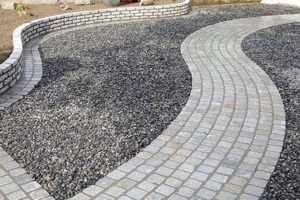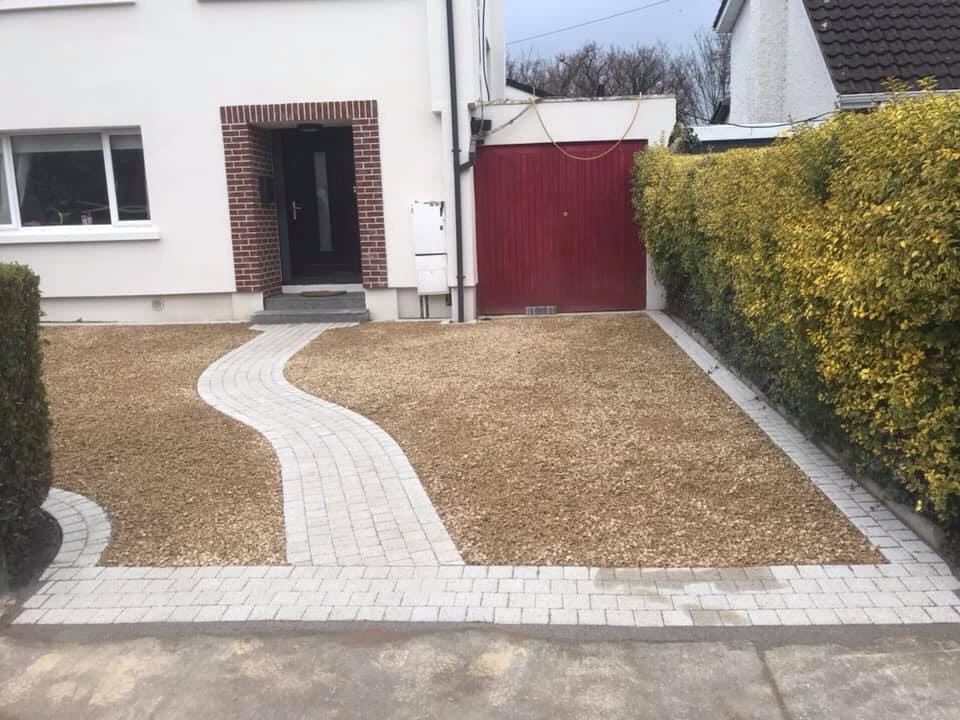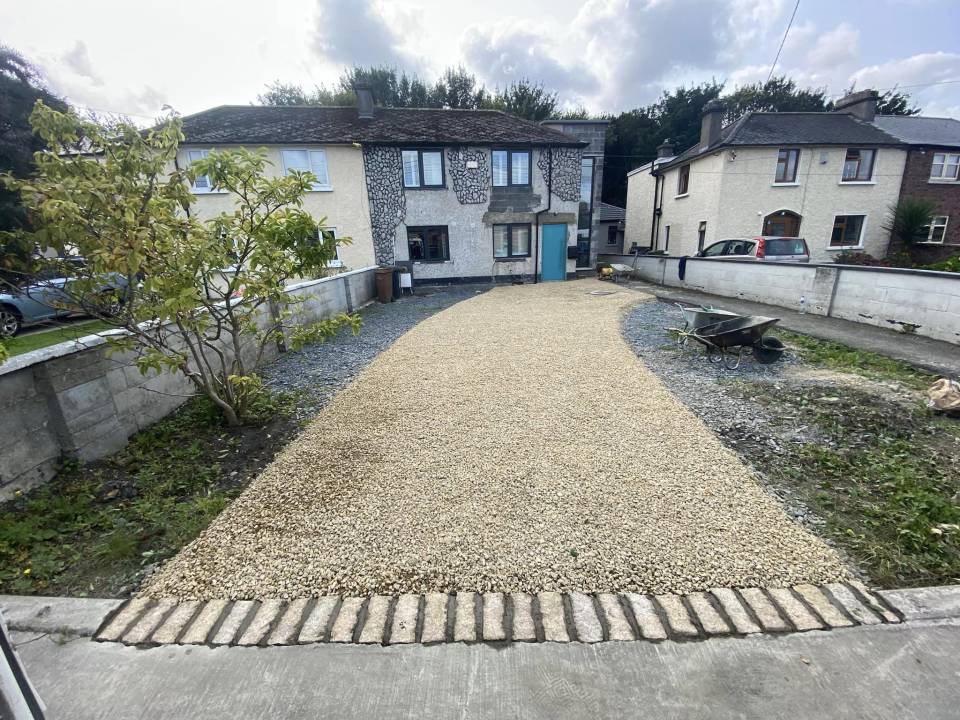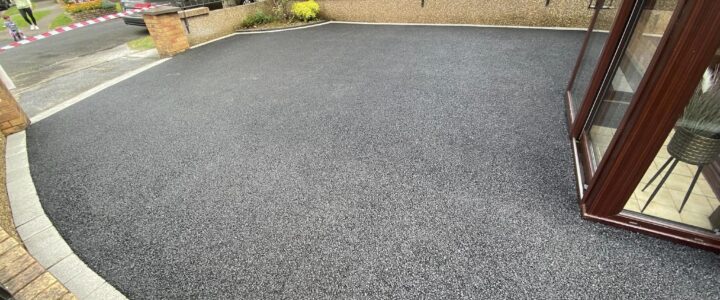

Tarmac Driveways Special Offer

7 Signs You Need Professional Tarmac Driveway Dublin Repair Services

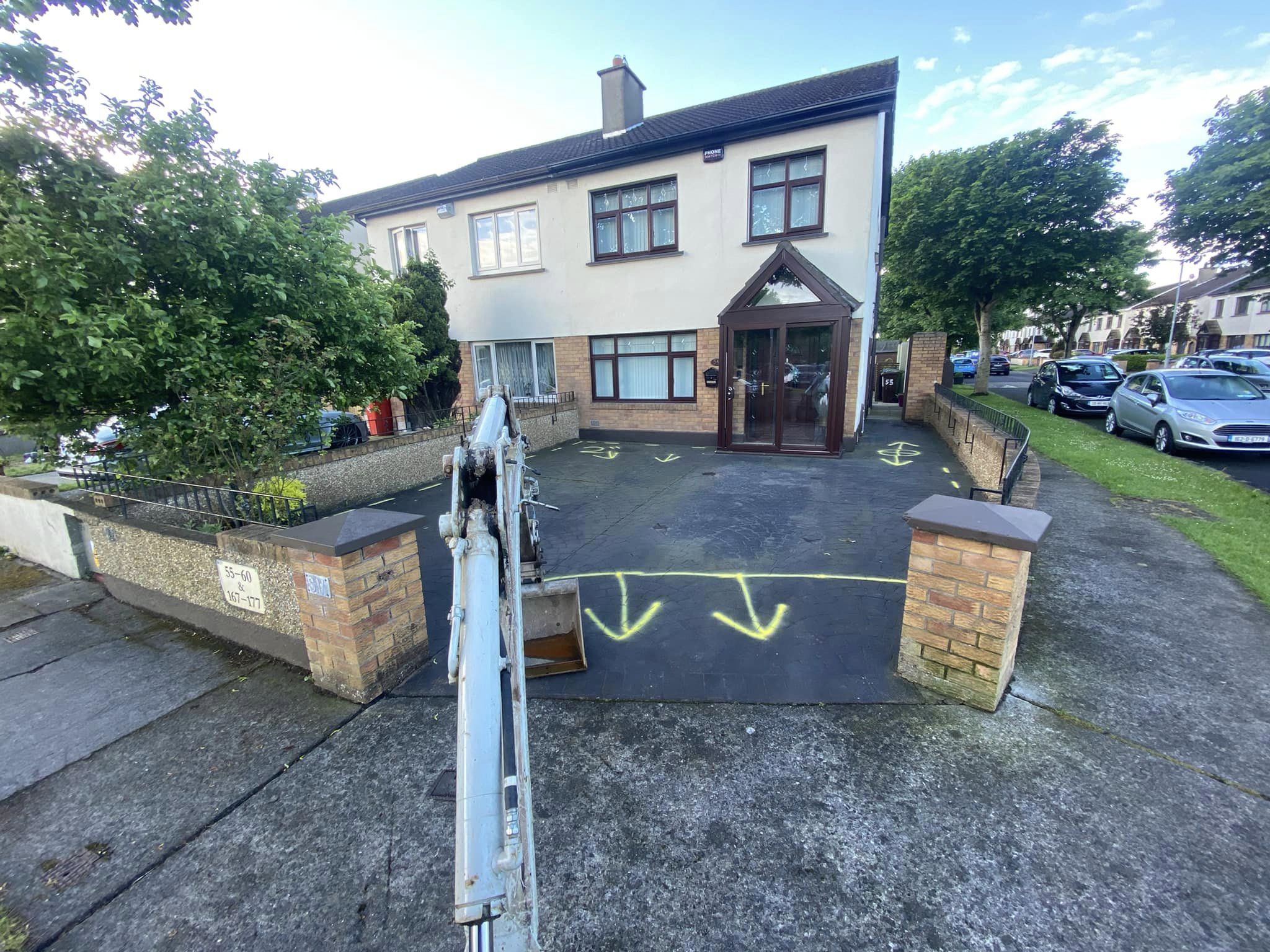
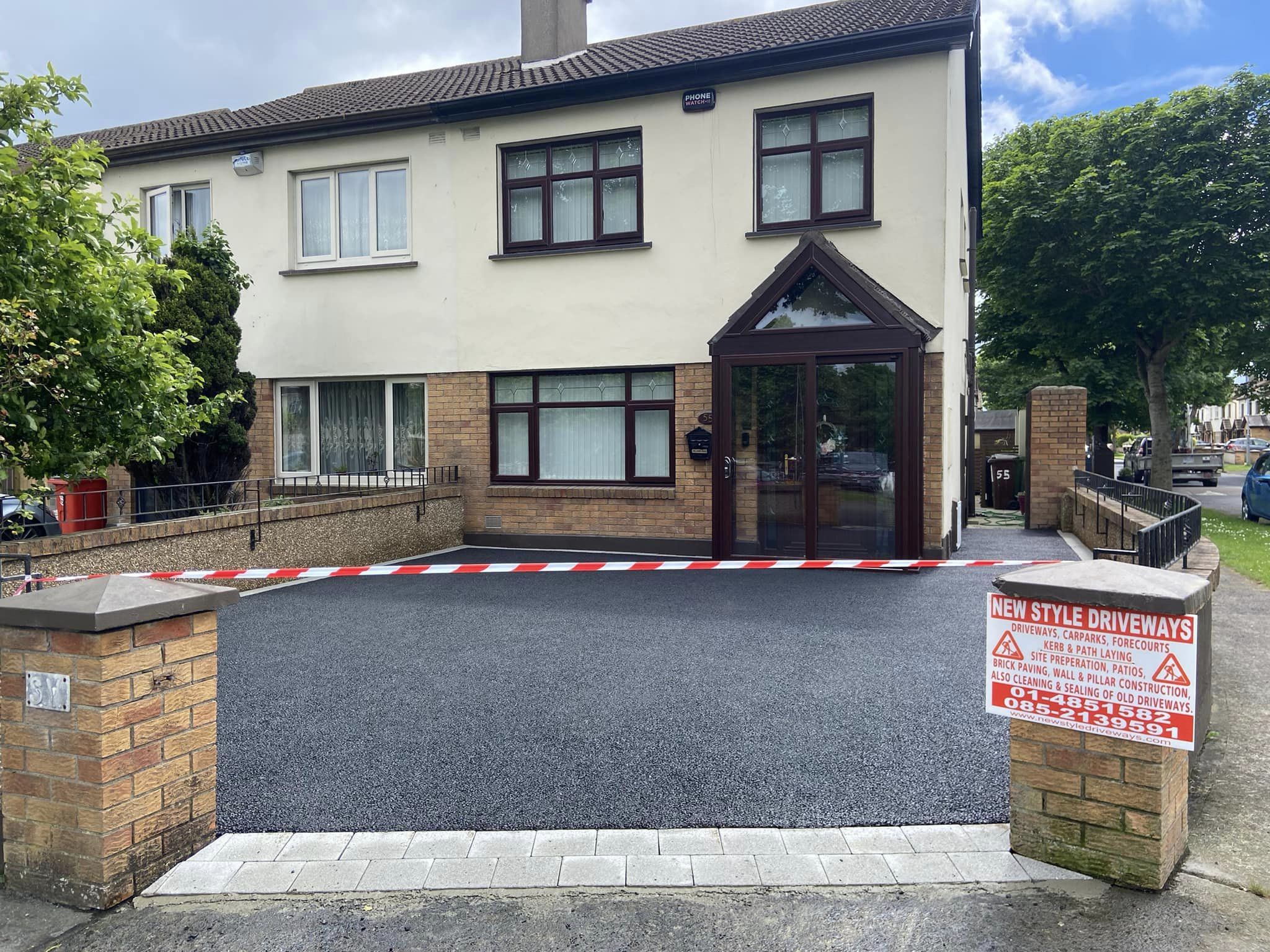
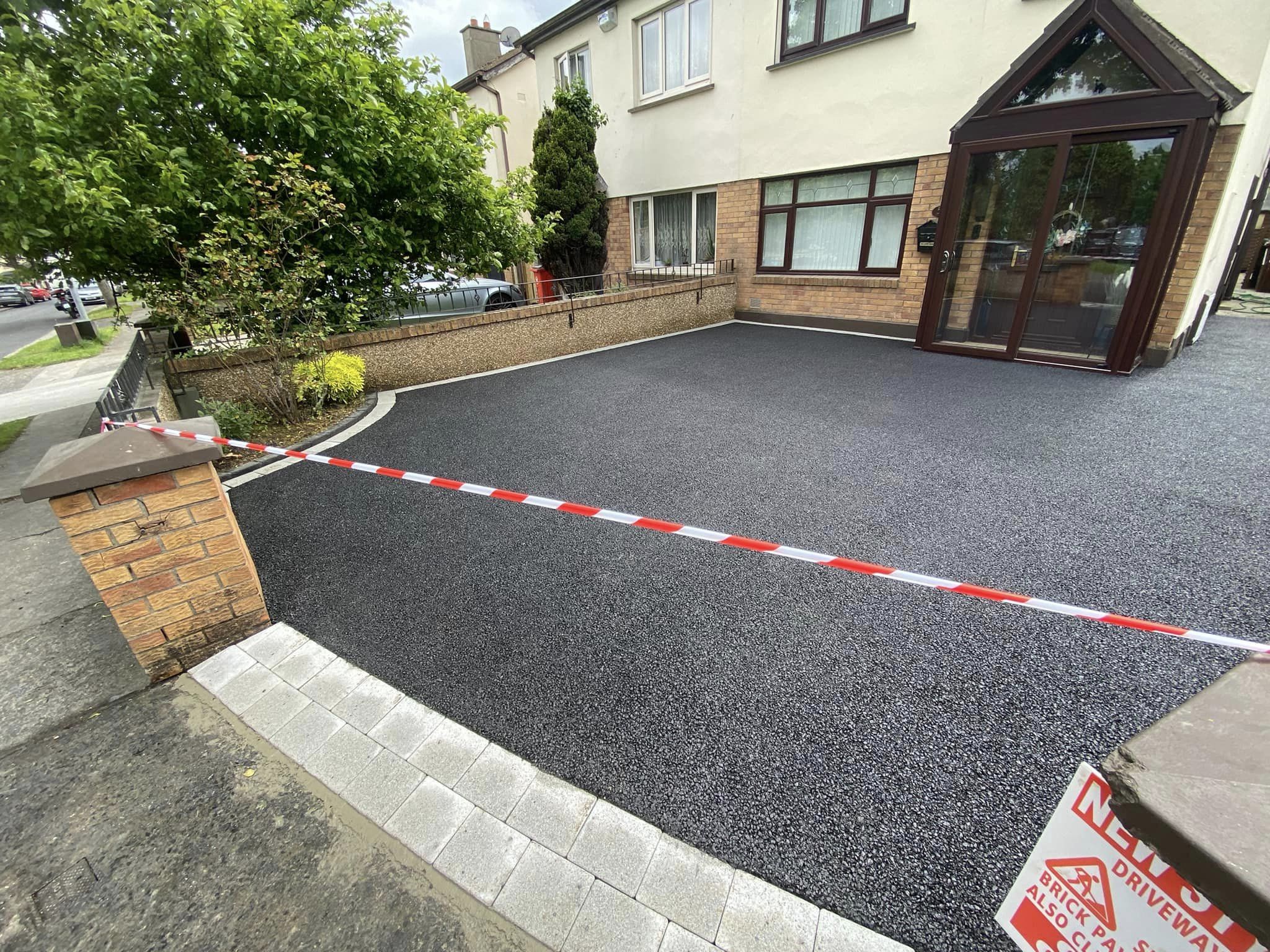
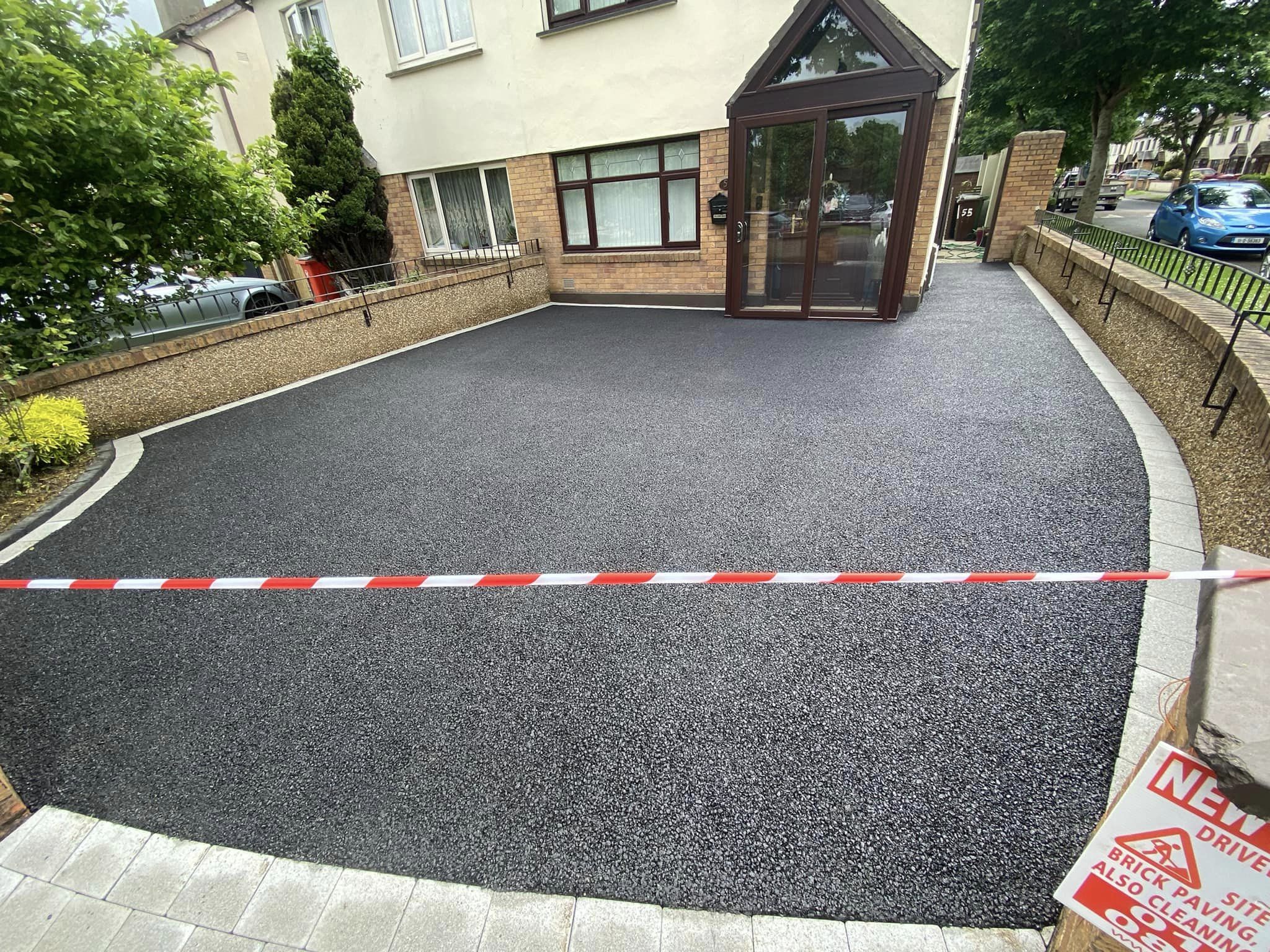
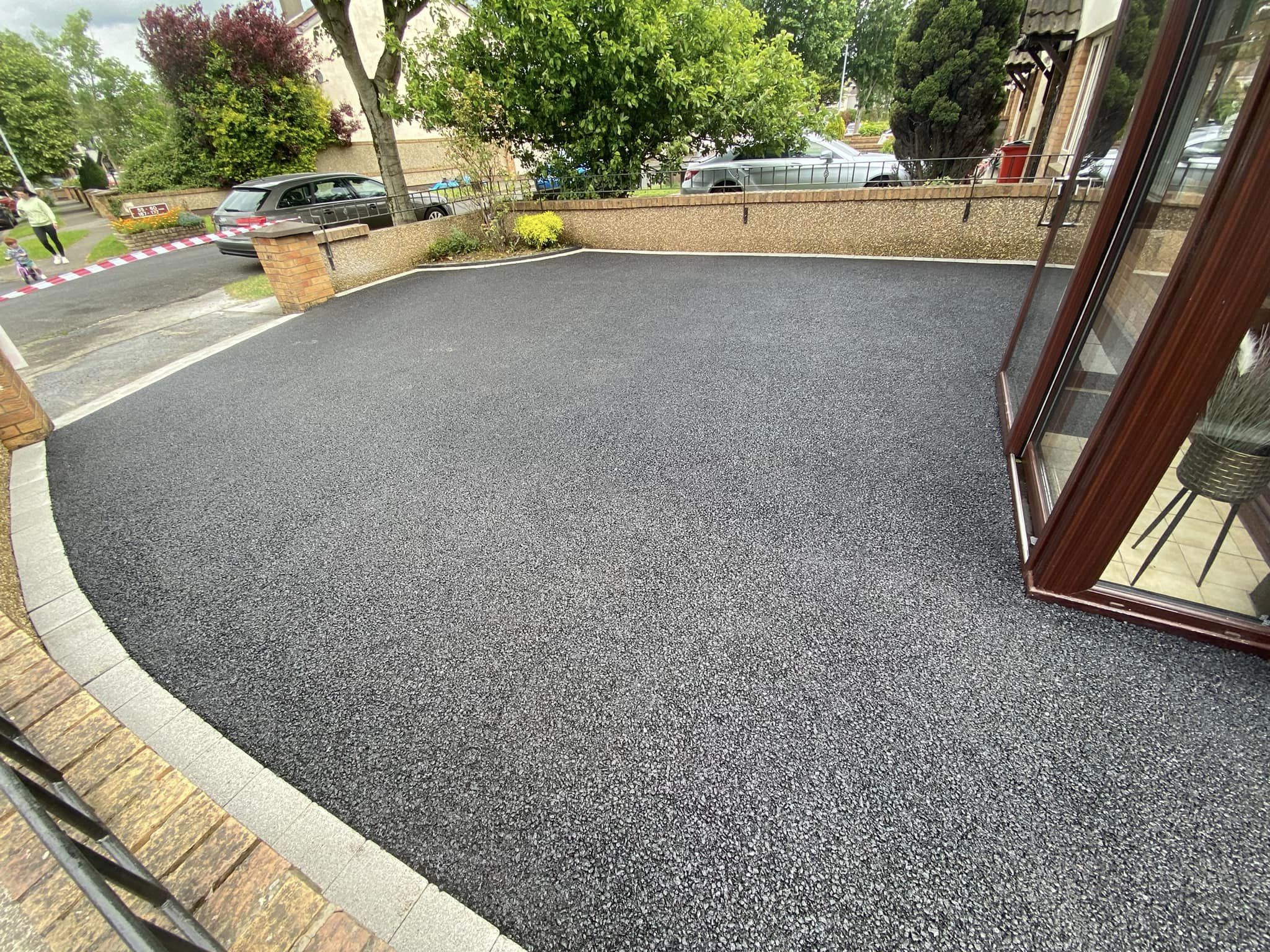
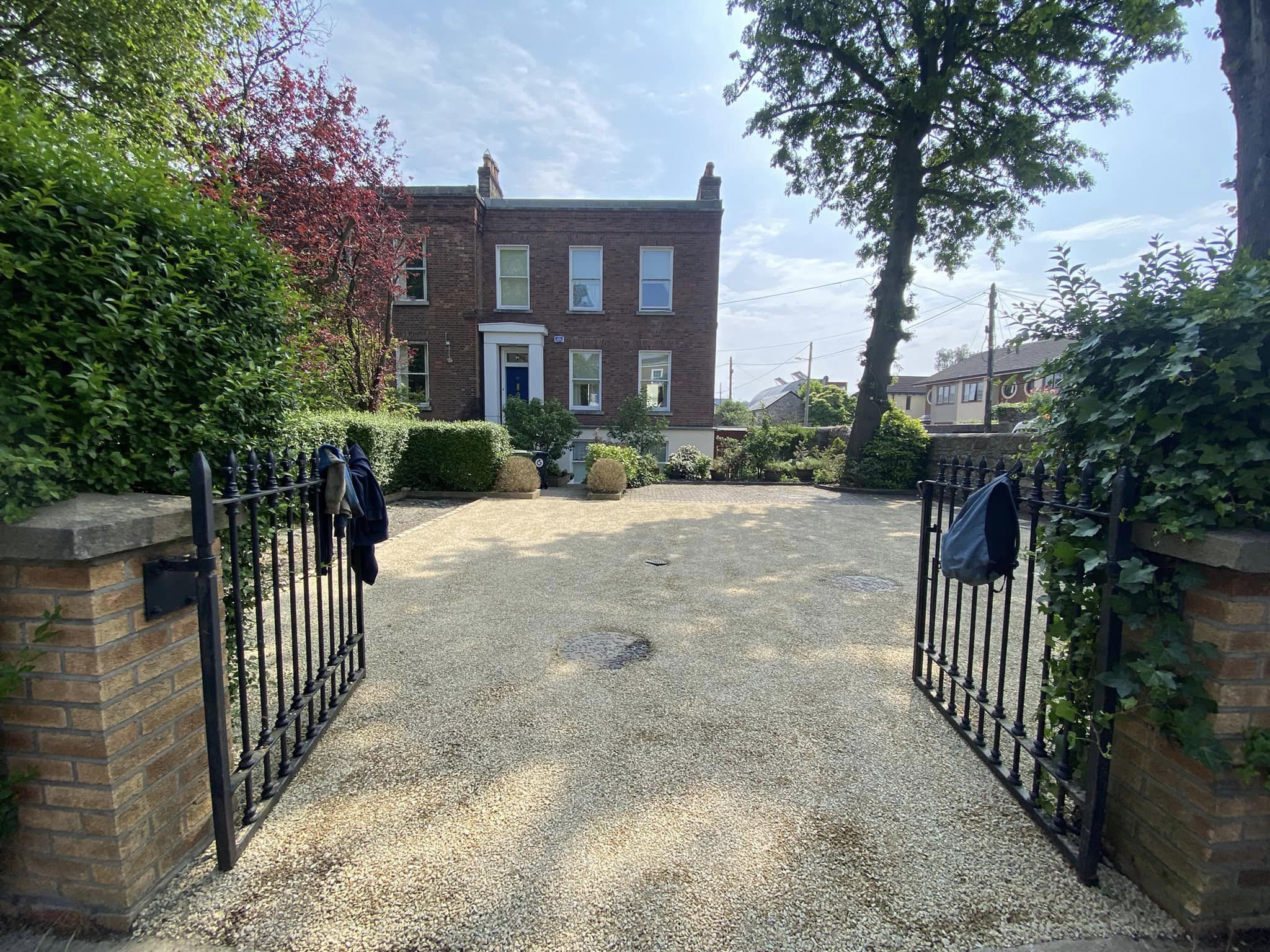
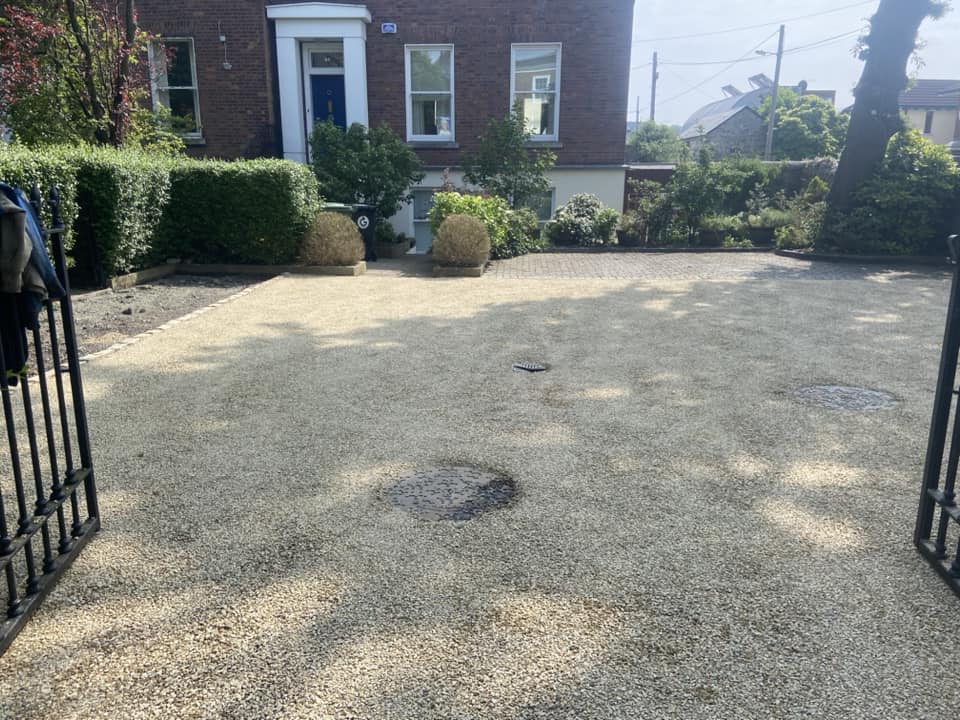
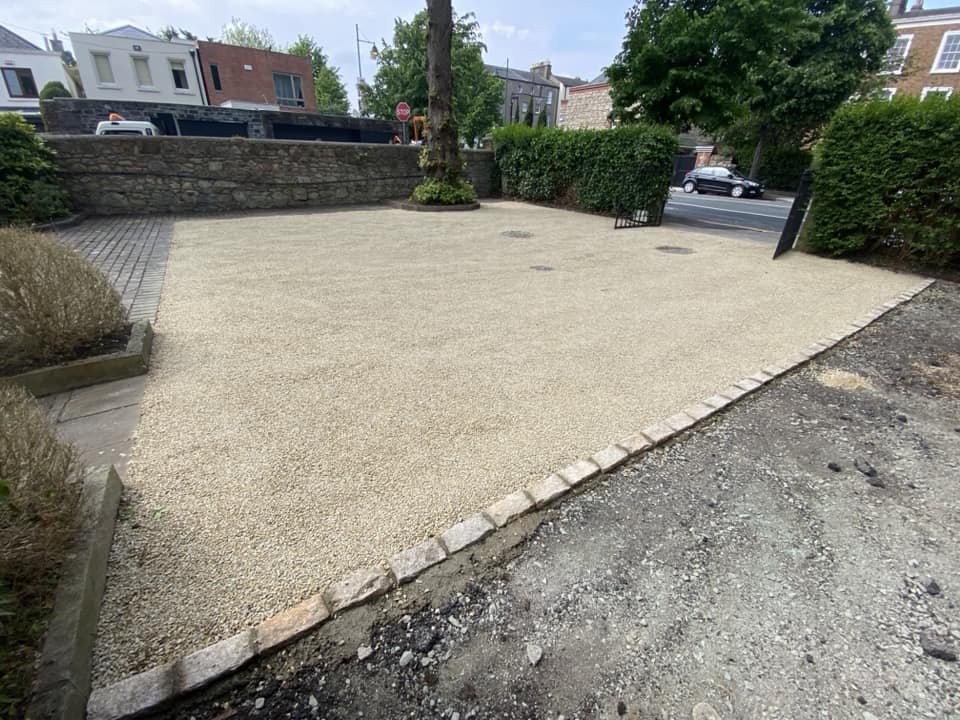
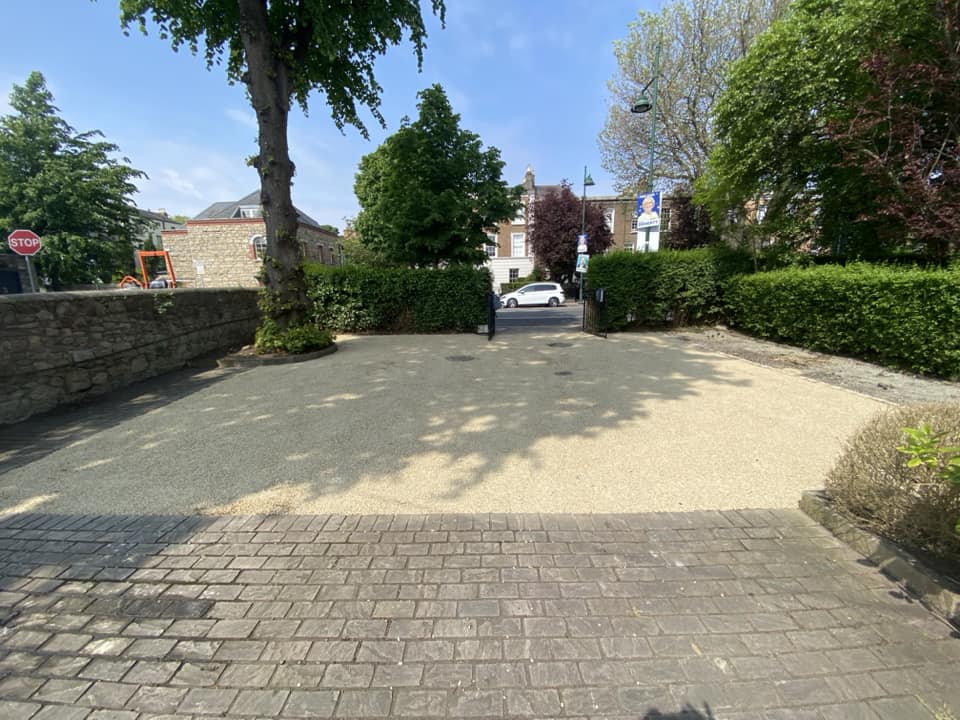
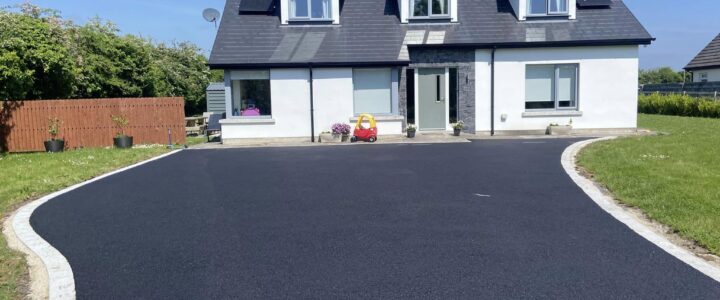
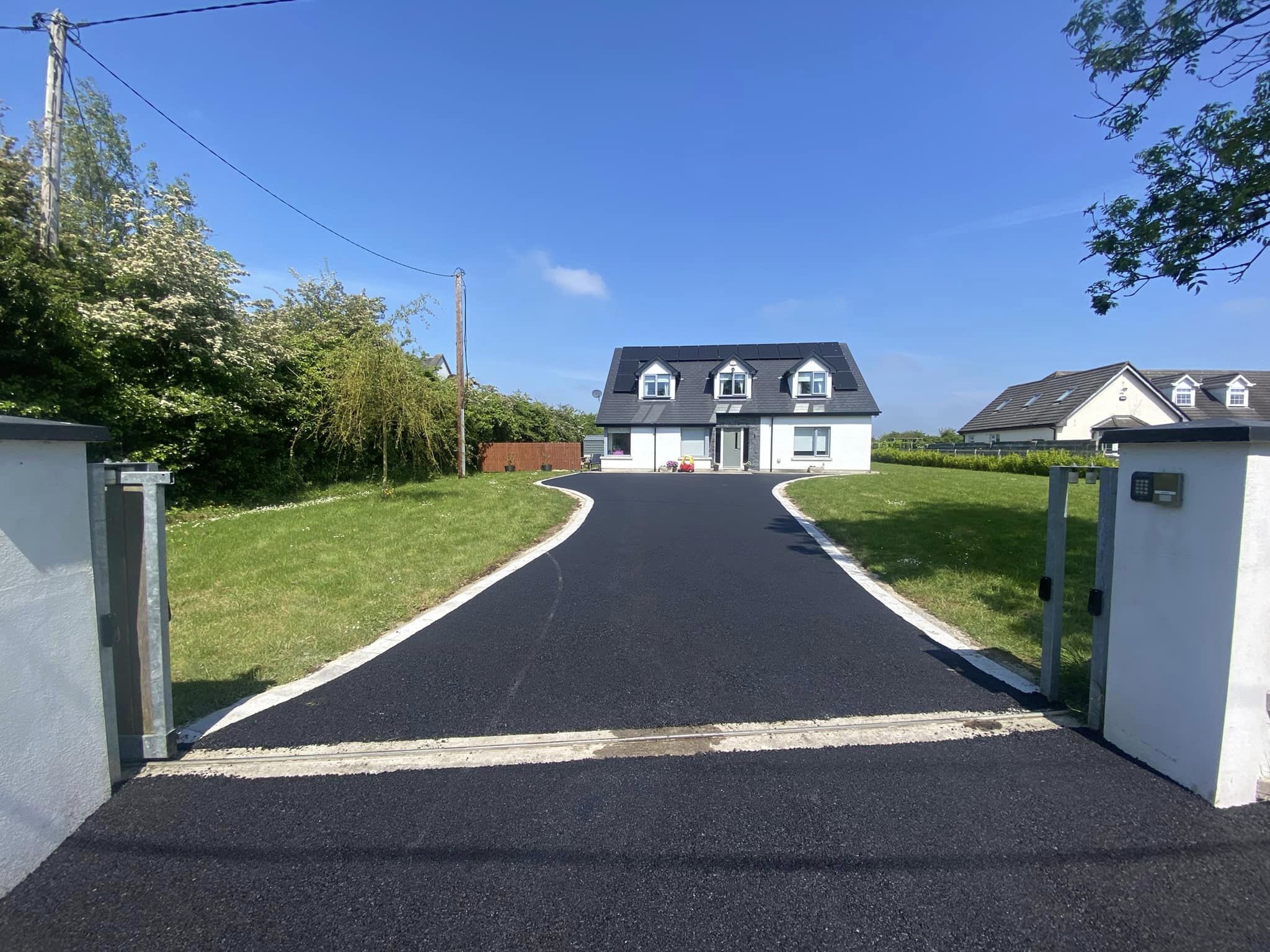
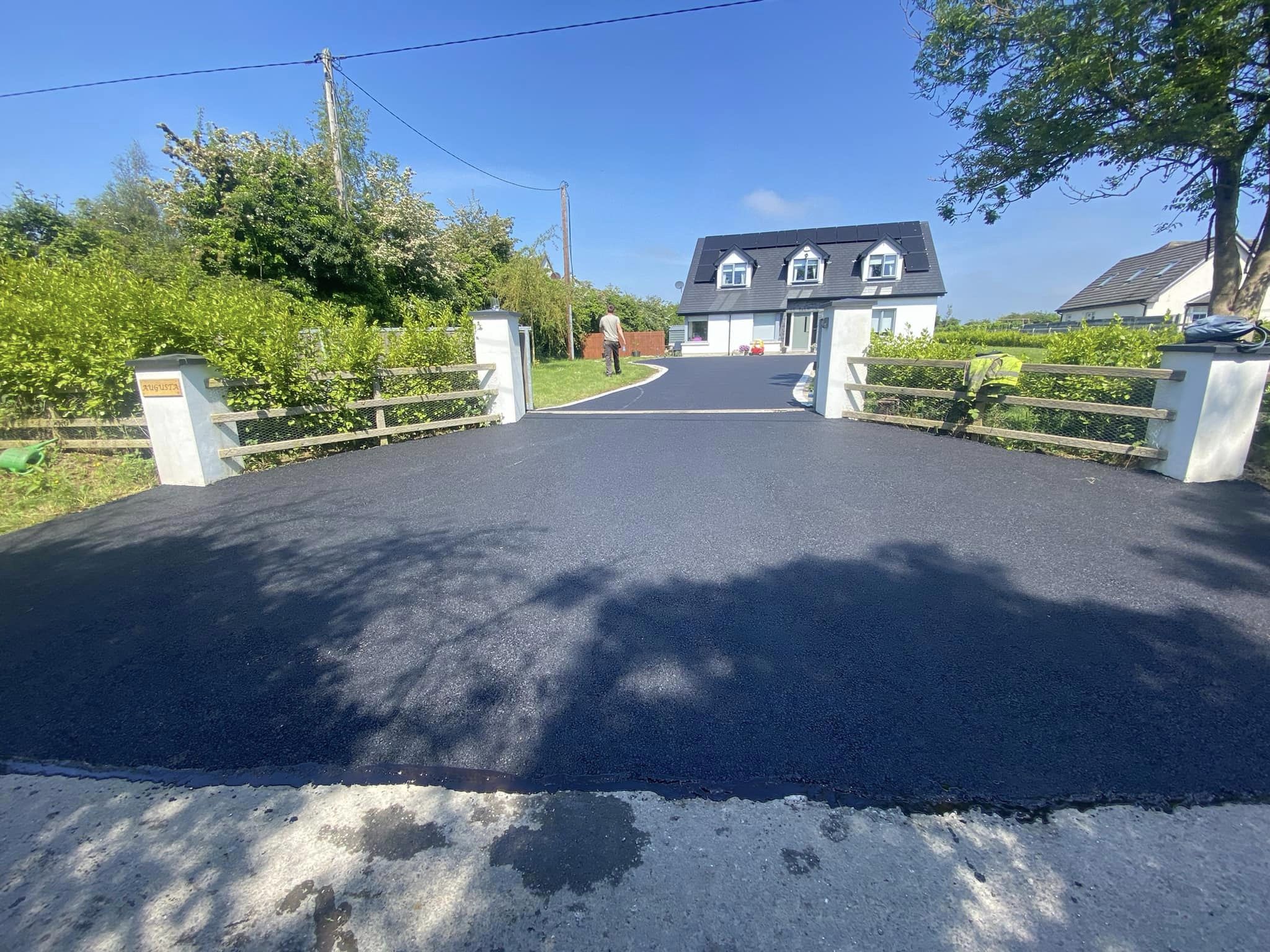
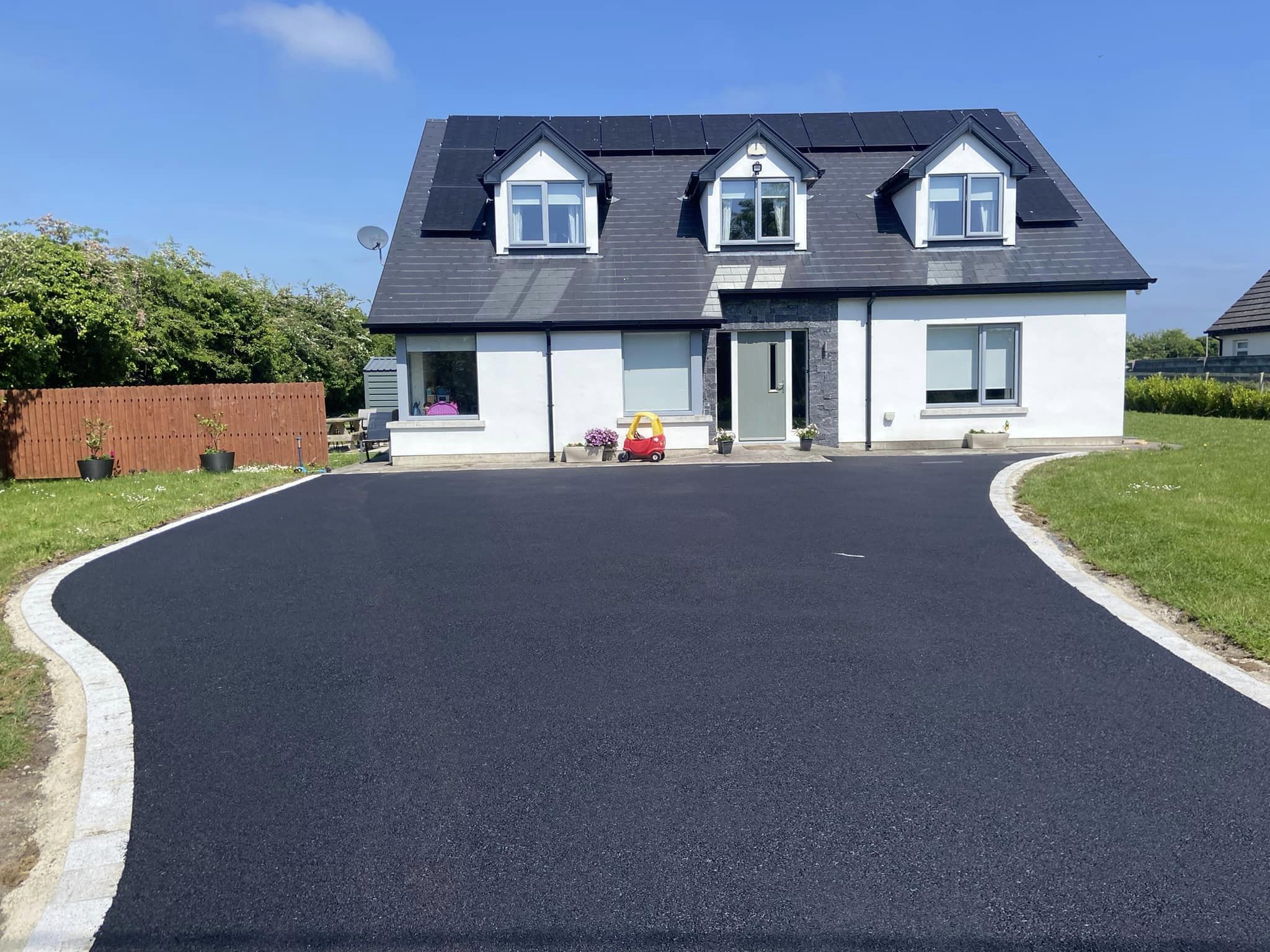
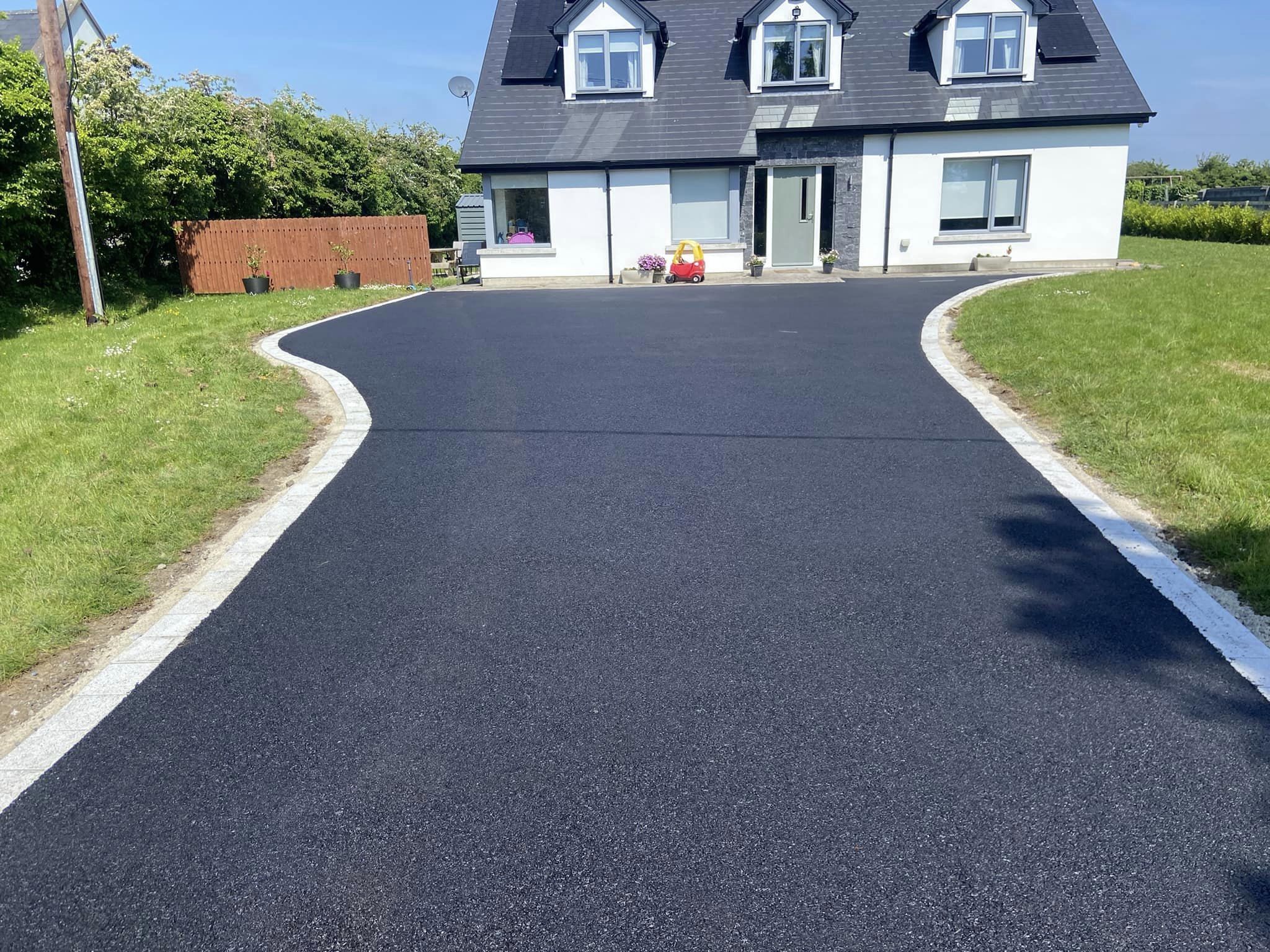
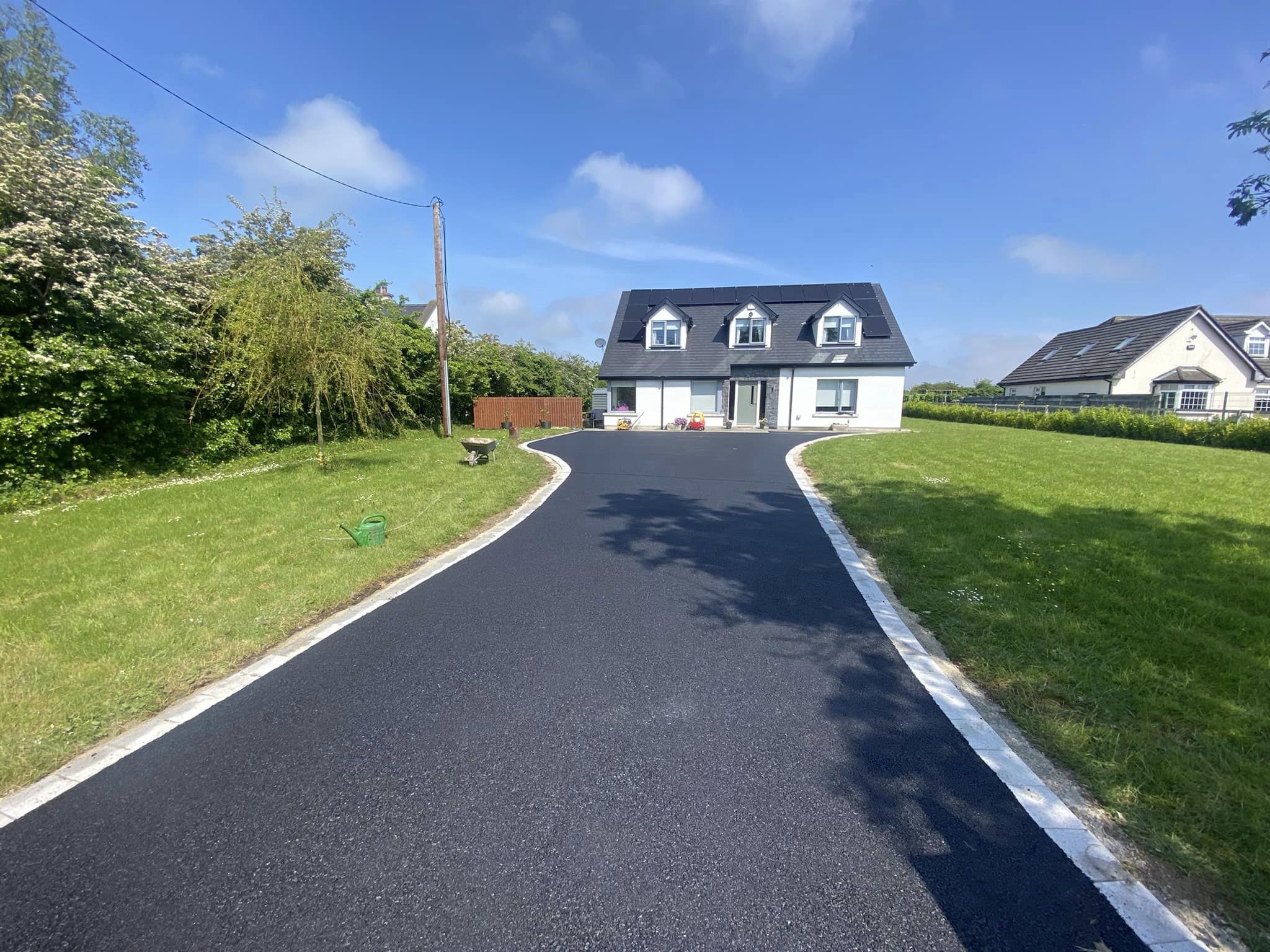
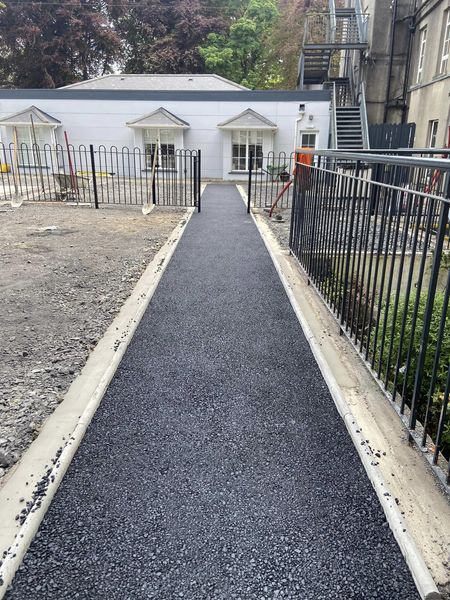
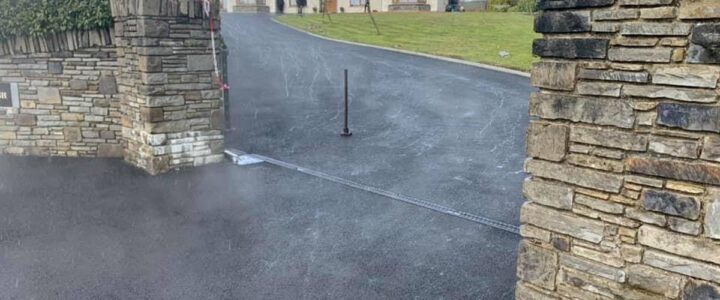
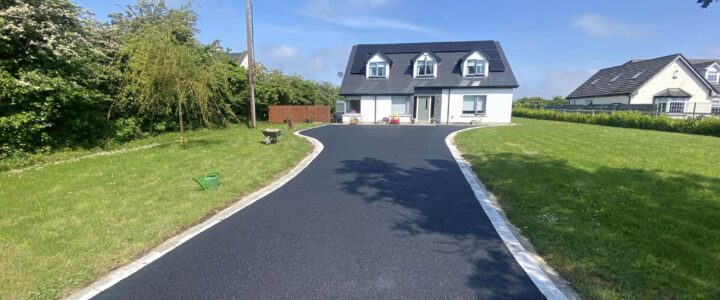
Tarmac driveway with silver granite borders

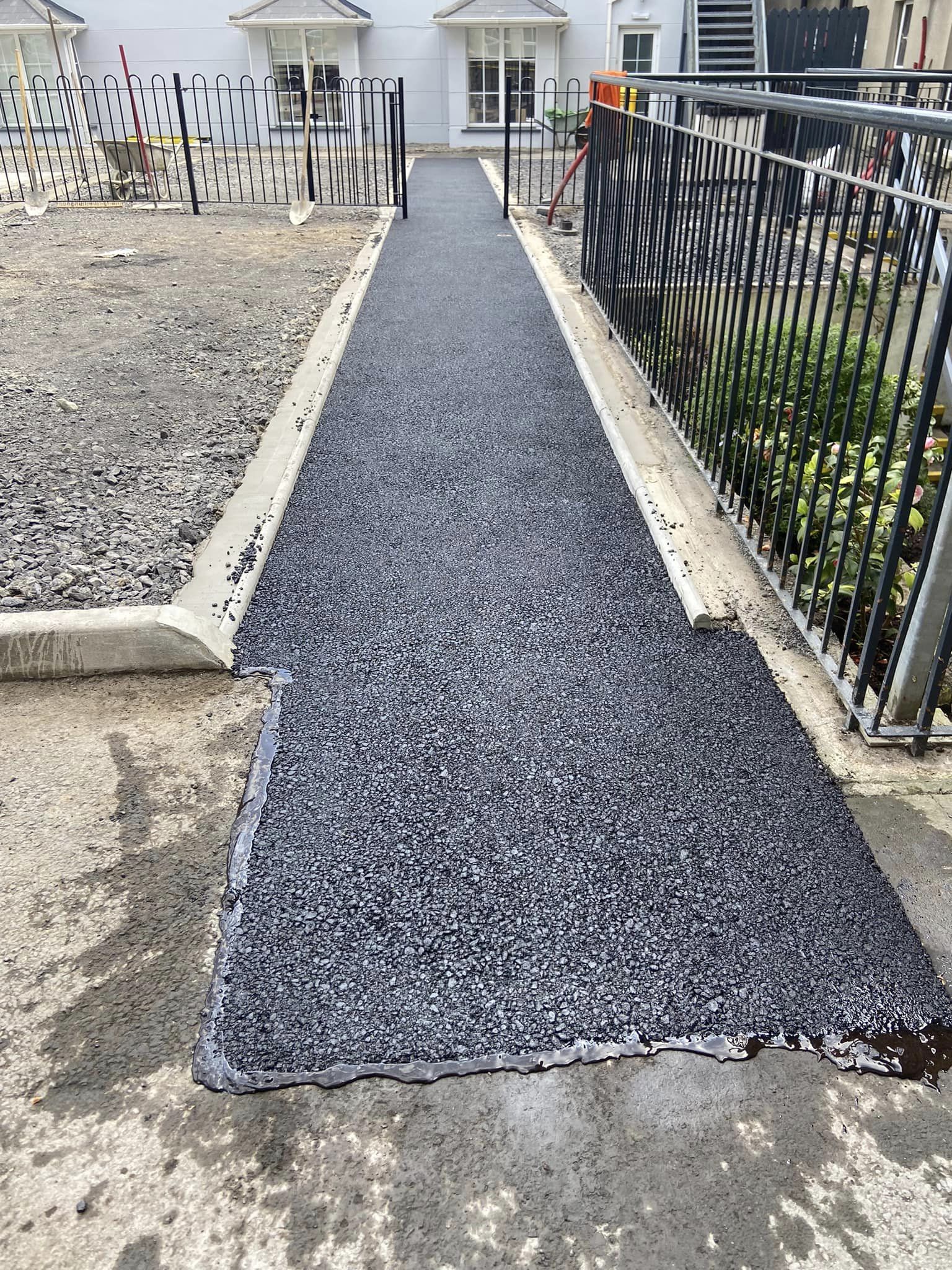
Tarmac driveway with silver granite borders4

Maintaining the integrity and appearance of your tarmac driveway is key to preserving the curb appeal and value of your property in Dublin. While tarmac is known for its durability and longevity, it still requires ongoing attention and occasional repair to stay in prime condition.

Often, property owners overlook minor issues due to a lack of awareness. Left unchecked, these minor issues can worsen, leading to costly repairs and potential safety hazards. Avoid being in this situation! Read this guide to learn about the telltale signs that you already need to get professional tarmac driveway Dublin repair services. Also, find out the numerous benefits of hiring driveway experts and how you can find reputable repair services in Dublin.

When to Call Experts to Repair Your Tarmac Driveway in Dublin

When it comes to driveway maintenance, staying vigilant is crucial. By identifying problems early on, you not only ensure that your driveway remains functional and safe but also avoid the costly investment of a complete overhaul. Let’s explore the specific indicators that suggest it’s time to call in professional tarmac driveway repair services.

Visible Cracks and Potholes

Cracking and pothole formation are hard-to-miss signs that your driveway is crying for help. These imperfections are often the result of environmental stressors such as temperature fluctuations, which cause the tarmac to expand and contract, leading to cracks. If left unattended, these cracks can deepen, allowing water to seep in and exacerbate the damage, particularly during freeze and thaw cycles. Potholes, aside from being a tripping hazard, can cause damage to vehicles and need to be addressed promptly. Professionals in the field can fill and seal these crevices with precision, using high-quality materials that prevent the reappearance of the same issues in the near future.

Fading and Discoloration

While your tarmac driveway might start as a rich, dark canvas, over time, the relentless beating of the sun’s ultraviolet rays can lead to noticeable fading and discoloration. This not only affects the overall aesthetics of your driveway but may also be indicative of surface weakening, which could precede further structural problems. Applying a sealant can protect your driveway from UV rays, slow the fading process, and extend the lifespan of the tarmac. Repair professionals are adept at carrying out this process efficiently, ensuring your driveway regains and retains its pristine look.

Drainage Issues

Proper drainage is a fundamental consideration for any driveway. When you notice water pooling on the surface of your tarmac, it’s a sign that your drainage is inadequate. This can stem from uneven surfaces or a lack of proper gradient. Continuous water accumulation can soften the tarmac, leading to breakdown and, ultimately, the formation of potholes. Professional contractors can address these issues by resurfacing the affected area or implementing additional drainage solutions to redirect the water, fortifying your driveway against the risk of water damage.

Loose Stones and Tarmac Breakdown

As your driveway ages, you may find loose stones or areas where the tarmac seems to be crumbling. This is often due to the binder within the tarmac losing its adhesive properties, which can be aggravated by heavy vehicular traffic or the use of harsh chemicals, like de-icers. Repair services can remove the affected layer and apply a new one, ensuring the structural stability of your driveway and reinstating its smooth surface.

Warping and Uneven Surfaces

Have you observed areas on your driveway that seem uneven or warped? Heavily weighted vehicles or even natural ground movement beneath the driveway can lead to these irregularities over time. Left unrectified, a warped driveway can lead to difficulties in maneuvering vehicles and water pooling, which in itself presents yet another set of problems. Through the skilled actions of leveling and applying a new tarmac layer, professional repairers can address these issues, restoring a level and functional driveway.

Edging Deterioration

The edging of your driveway plays a vital role in maintaining the structural integrity of your tarmac. If you notice crumbling or damaged edges, it’s time to seek professional repairs. Not only does this deterioration diminish the driveway’s strength and appearance, but it can also lead to encroachment of grass and weeds, which can exacerbate the damage by dislodging the tarmac. Repair specialists have the expertise to reconstruct the edges and secure your driveway against future erosion.

Increased Maintenance Efforts

If you find yourself patching up your driveway more frequently than before, it’s a strong indication that a professional evaluation is required. Regular maintenance is to be expected, but when the need for repairs becomes incessant, it suggests underlying issues that only professional servicing can resolve. This, in turn, may reduce the repetitive short-term fixes and thereby any associated long-term costs.

Benefits of Hiring Professional Tarmac Driveway Dublin Repair Services

Acknowledging the problems with your tarmac driveway is the first step. The next is understanding why you should entrust its repair to professionals.

Expert Assessments

Determining the extent of driveway damage isn’t always straightforward. Professionals in tarmac repair are not only trained to detect all levels of damage, from superficial to deep structural issues, but they are also equipped to devise the best action plan. This prevents you from underestimating or overestimating the required repairs, ensuring a comprehensive solution is implemented.

Quality Materials and Equipment

One of the primary benefits of hiring professional services is their access to high-quality materials and the latest equipment. This ensures the repairs are performed to a higher standard, which is not often achievable with DIY methods. From proper grade tarmac to industry-specific tools, professionals have everything at their disposal to deliver a driveway that will endure the tests of time and weather.

Efficient Procedures

Time is a valuable commodity, and professional repair teams understand this. They have the proficiency to complete repairs swiftly and efficiently, minimizing disruption to your daily routine. Their streamlined procedures have been honed over many projects, cutting down the time your driveway is under repair compared to attempting a DIY fix.

Longevity and Durability

When you invest in professional repair services, you’re not just paying for an immediate fix; you’re investing in the durability and longevity of your driveway. Skilled practitioners don’t just address the superficial issues; they enhance the structural integrity of the driveway, which can significantly extend its lifespan.

Value for Money

While the upfront cost of professional repair services may seem high compared to DIY, the long-term savings are notable. By addressing all issues thoroughly and using quality materials, the frequency of required repairs drops, saving you money in the long run.

Guarantees and Assurance

Lastly, reputable repair services often offer warranties for their work, giving you peace of mind. This assurance means that should anything go astray post-repair, you have a safety net, which is seldom the case when you manage repairs independently.

Where to Get Tarmac Driveway Dublin Repair Services

Now that you’re aware of the signs and benefits of obtaining professional services, the question is where to find these professionals. Here are some steps to get you started in securing the expertise within Dublin.

Local Expertise

Looking locally is beneficial. Dublin-based contractors, like New Style Driveways, are familiar with the climate and typical driveway issues in the area. This local insight can be invaluable in providing tailored solutions. Moreover, supporting local businesses often means more personalized service and quicker response times.

Criteria for Choosing a Service

When selecting a tarmac driveway repair service, prioritize their experience, reputation, and the quality of materials they use. Opt for a contractor with a solid track record and who is accredited by reputable industry associations to ensure adherence to high standards of quality and safety. Additionally, the company should offer warranties on both workmanship and materials, which signals reliability and confidence in their services. The ability to provide clear communication and transparency about costs and timelines further underscores their dependability as a service provider.

Arranging an Assessment

Once you’ve identified potential service providers, it’s time to arrange assessments. Professionals should be willing to inspect your driveway and provide a detailed quotation. By comparing various professionals, you can gauge who offers the best value for services that meet your requirements.

Remember, when it comes to tarmac driveway repairs, choosing the right contractor is vital. While lower-cost providers may be tempting, they may use inferior materials or lack the proper experience and expertise to deliver long-lasting repairs. This can lead to a cycle of repeat repairs and ultimately cost you more money in the long run.

In conclusion, your driveway is an extension of your home—the first impression for visitors. As such, it deserves the same care and attention to detail that you would invest in your home’s interior. This includes recognising signs of wear and tear in your driveway. Keep in mind, early detection is key to preventing minor tarmac driveway issues from escalating into major problems.

When it comes to tarmac issues, getting professional repair services is the smart choice. They will not only identify and fix the current problems but also ensure the repairs are completed to the highest standards, using top-quality materials. This translates to a longer lifespan for your driveway, saving you money on future repairs and replacements.

Are you ready to give your driveway the care it deserves? Get expert tarmac driveway repair services tailored to meet your needs! Call us today on 01485158 for a consultation and discover why countless Dublin homeowners who trust us to keep their driveways in perfect condition.

 

Get Your Dublin Tarmac Driveway Approved: A Guide on Regulations & Permits

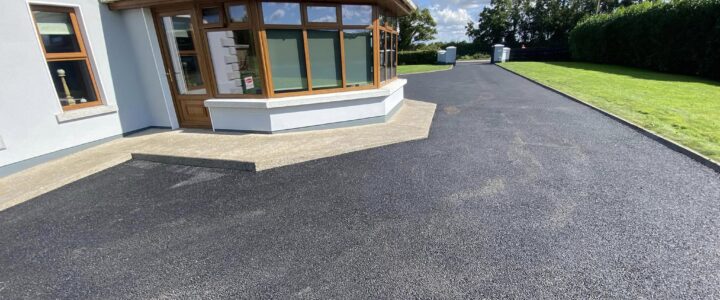
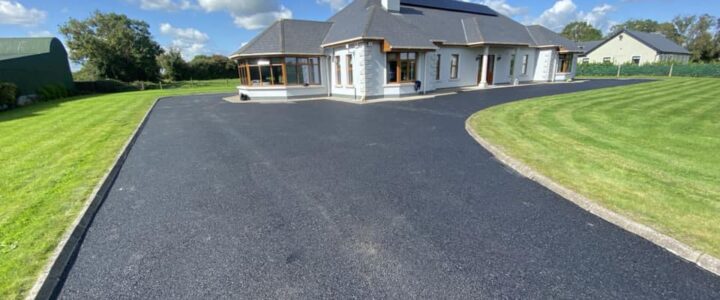
Tarmacadam driveway completed in county Meath 05

Tarmacadam driveway completed in county Meath 05

Installing a new tarmac driveway can be an exciting upgrade for any Dublin property, enhancing both functionality and kerb appeal. However, before laying down fresh tarmac, it’s essential to understand the local regulations and permit requirements.

For many homeowners, the permitting process may seem complex or unnecessary. But taking the time to understand the necessary steps can save you both time and money. This guide breaks down everything you need to know to get your Dublin tarmac driveway approved to enjoy a hassle-free installation that meets all legal requirements.

Do You Need Permission for a Tarmac Driveway in Dublin?

 Not all driveway projects require formal approval, but in many cases, new installations or significant modifications will. Generally, if you resurface an existing driveway without altering its size, structure, or drainage, you may not need planning permission. However, if the project involves creating a new driveway, expanding its dimensions, or altering the entry point to your property, a permit is usually required.

For example, if your driveway connects directly to a public path or road, Dublin City Council may require you to obtain permission, as the alteration could impact public property or traffic flow. Understanding these requirements upfront is crucial because failure to comply can result in fines or even a demand to remove the newly-installed driveway.

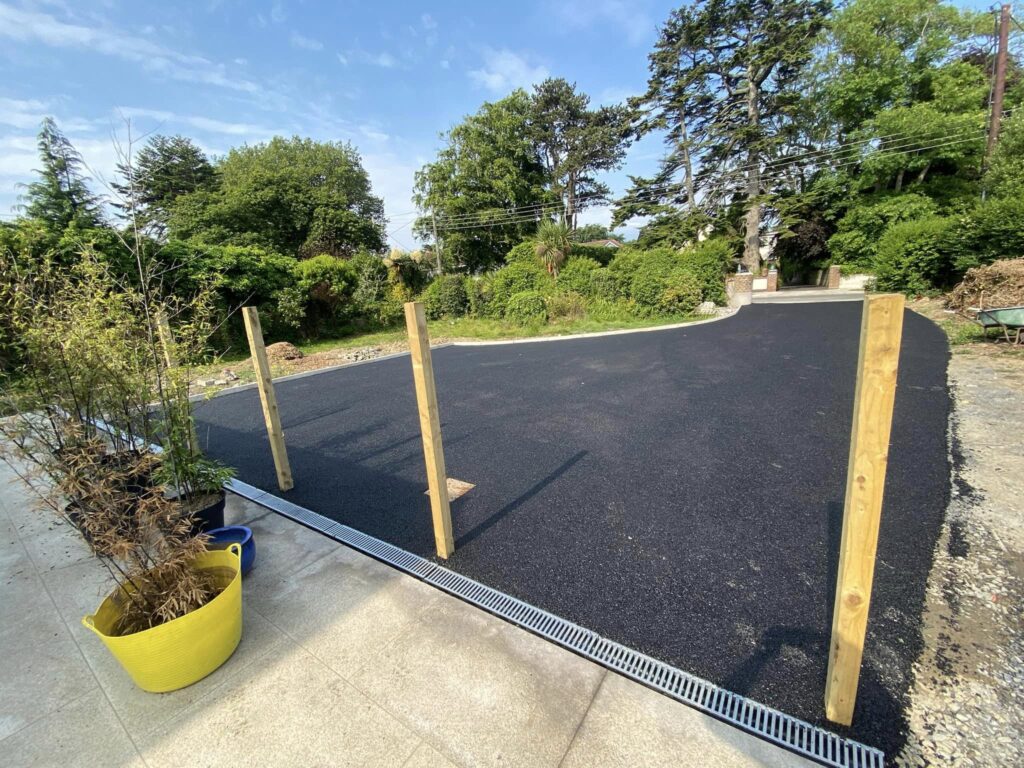
Tarmacadam driveway with kerbing and drainage6

Dublin Tarmac Driveway: What are the Installation Guidelines?

Dublin City Council has set clear guidelines regarding driveway installation to ensure public safety, maintain environmental standards, and preserve the aesthetic quality of neighbourhoods. First and foremost, the council requires that driveways meet specific minimum dimensions established to provide sufficient space for safe vehicle access and parking.

Additionally, environmental considerations are an essential part of these regulations. For instance, Dublin driveways are generally expected to comply with Sustainable Urban Drainage Systems (SUDS). SUDS are designed to manage rainwater runoff efficiently, helping to prevent local flooding and water pollution. By following SUDS guidelines, homeowners can ensure their driveways contribute positively to the environment, reducing excess water runoff that can otherwise overwhelm local drainage systems.

These are some of the core guidelines, but it’s essential to remember that additional requirements may apply based on specific property conditions and local council updates. For the most comprehensive information, consulting Dublin City Council’s complete guidelines or a professional contractor is always recommended.

Essential Drainage and Environmental Tips for Dublin Driveways

Proper drainage is a core requirement for any new driveway in Dublin, and it’s especially relevant in the context of SUDS compliance. The main aim of SUDS is to reduce excessive rainwater runoff, which can overwhelm local drainage systems and lead to flooding. Tarmac driveways, if installed without proper drainage, can contribute to these issues due to the impermeable nature of the material.

To create a compliant driveway, consider incorporating drainage solutions such as permeable paving, linear drains, or a graded slope that directs water to designated drainage areas. These solutions allow water to flow naturally into the ground or designated drainage systems without causing harmful run-off. Installing a drainage system might add a bit to the driveway cost but will ensure that you meet the council’s standards and avoid issues down the line.

By following these guidelines, you not only stay compliant with council regulations but also create a driveway that functions better and lasts longer, even during heavy rain.

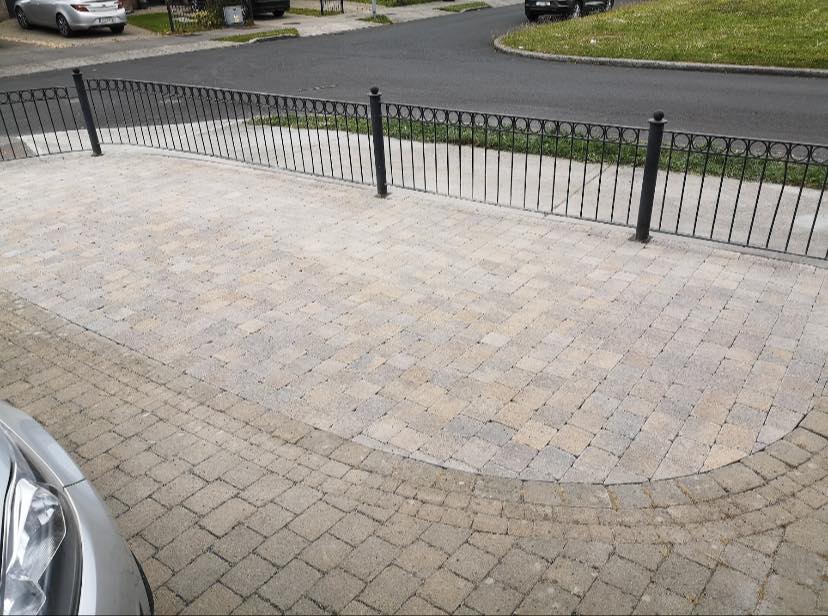
Paving driveway extension 2

Applying for Driveway Permits in Dublin: Step-by-Step

 The permit application process for a tarmac driveway can feel daunting, but breaking it down into clear steps makes it much more manageable. Here’s how to go about it:

1. Consult with the Dublin City Council Planning Department

Start by reaching out to the planning department at Dublin City Council. They can confirm if you need a permit and provide details on the specific requirements for your property and project. This initial step helps avoid unnecessary applications and gives you a clear understanding of what’s expected for your unique situation.

2. Prepare Necessary Documentation

When you’re ready to apply, gather all necessary documents, which typically include a scaled site plan of your property, proposed dimensions of the driveway, drainage plans, and any relevant environmental compliance information. These documents are essential as they give the council a comprehensive overview of the project and its potential impact on the surrounding area.

3. Submit Your Application

Applications can be submitted either online or in person at the council office. Be prepared to pay an application fee, which varies depending on the project’s scope. Double-check that all documents are complete before submitting, as incomplete applications can lead to delays.

4. Await Approval

The approval timeline varies, but it’s common for the process to take several weeks. During this period, the council may request additional information or clarification, so be prepared to provide these details promptly. Staying responsive to these requests can help prevent unnecessary delays.

By following these steps carefully, you can avoid common pitfalls in the permit process and keep your driveway project moving forward without unnecessary setbacks.

Common Mistakes to Avoid in Dublin Driveway Permit Applications

One of the most frequent mistakes homeowners make is underestimating the importance of strict compliance with local regulations. For instance, overlooking the need for an environmental assessment or not fully understanding how the driveway may affect public access can lead to swift rejection of an application. These errors not only waste time but may also require costly revisions to the project.

Another potential pitfall is failing to engage with the community or neighbours early on in the planning process. Significant changes to a property can sometimes prompt concerns from neighbours, who may worry about increased traffic or alterations to shared access points. By communicating openly with neighbours about the intended project, you can often mitigate objections and avoid resistance that might otherwise impact council approval.

It’s important to remember that a rejection from the council is not the end of the road. In many cases, it’s simply a matter of revising your plans to address the council’s concerns. This might mean adjusting your driveway’s size, materials, or layout or providing additional documentation to clarify your proposal. Viewing objections as an opportunity for dialogue and refinement can turn the tide in your favour and improve the chances of receiving a swift approval upon resubmission.


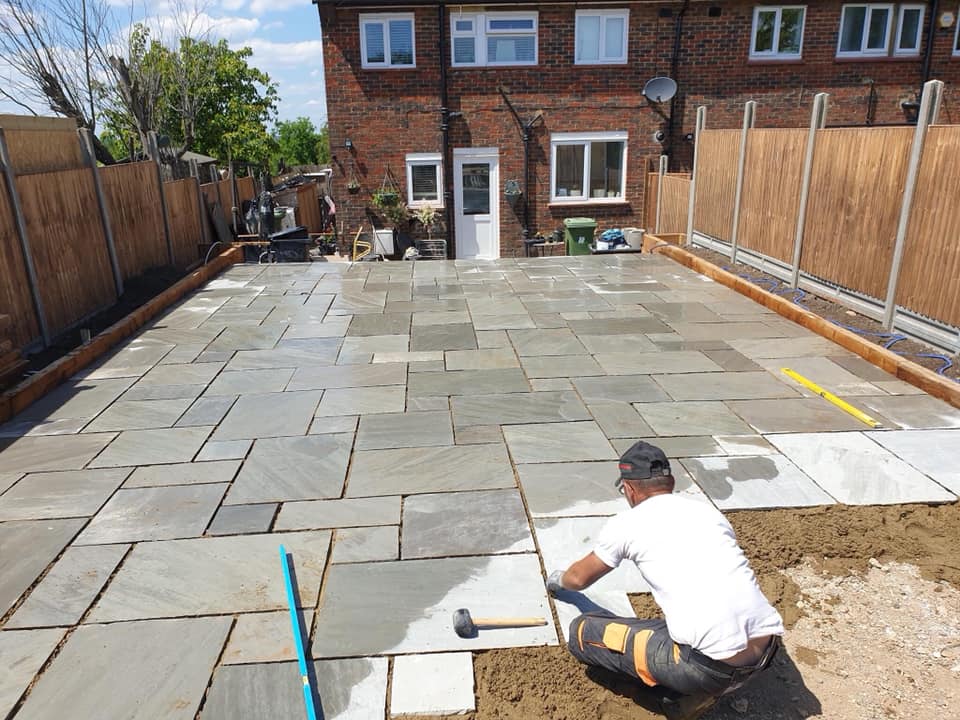
Indian Sandstone Finglas Dublin

Why Work With Experienced Dublin Tarmac Driveway Contractors

Going through the application process and ensuring all requirements are met can be challenging, especially if you’re unfamiliar with local regulations. This is where working with experienced paving contractors in Dublin, like New Style Driveways, can make all the difference. These professionals thoroughly understand Dublin City Council’s requirements and can guide you through each step of the process, from initial consultations to final approval.

Experienced contractors are also familiar with best practices in driveway design, ensuring that the finished product not only looks great but also complies with drainage and environmental regulations. A qualified contractor can anticipate potential issues and offer solutions, saving you from possible setbacks during both the application process and the installation.

Hiring a professional can ultimately streamline the process, reducing the stress and time investment required to get your driveway approved. For Dublin residents looking to install a tarmac driveway, partnering with a reliable contractor is an investment in both peace of mind and quality.

Final Tips for a Hassle-Free Driveway Installation Approval Process

To make the driveway approval process as smooth as possible, keep these final tips in mind. First, start planning early. Gathering documents, consulting with the council, and preparing an application can take time. So, it’s best to start well in advance. This way, if there are any issues or unexpected requirements, you have time to address them without delaying the project.

Next, stay organised and keep all project-related documents in one place, from initial consultations to final approval letters. This can be particularly helpful if you need to provide additional information or check back on specific details. Clear communication with both the council and your contractor also ensures everyone stays on the same page, reducing the chance of misunderstandings or errors.

Finally, budget extra time for potential delays, especially if your driveway project is during peak seasons. Approval timelines can vary, and allowing for a cushion of extra time can help keep your project on track without feeling rushed.

In conclusion, obtaining approval for a tarmac driveway in Dublin doesn’t have to be an intimidating process. By following the steps outlined here and keeping Dublin City Council’s driveway requirements in mind, you can confidently approach the application process. Compliance with local regulations protects you from fines and future issues and ensures your driveway meets the city’s environmental and safety standards.

Whether installing a new driveway or upgrading an existing one, taking the time to get approval is a valuable step. For homeowners who want peace of mind throughout this process, consulting a trusted driveway contractor can provide the guidance needed to achieve a beautiful, compliant, and durable driveway. So, as you plan your driveway project in Dublin, don’t overlook the importance of getting it approved the right way.

Looking to install a Dublin tarmac driveway that’s fully compliant with local regulations? Our experienced team can guide you through every step, ensuring a smooth and hassle-free process. Call us today on (01) 4851582 or 0852139591 to get a free quotation!

Gravel Driveway Dublin: Top Tips for Installation and Maintenance

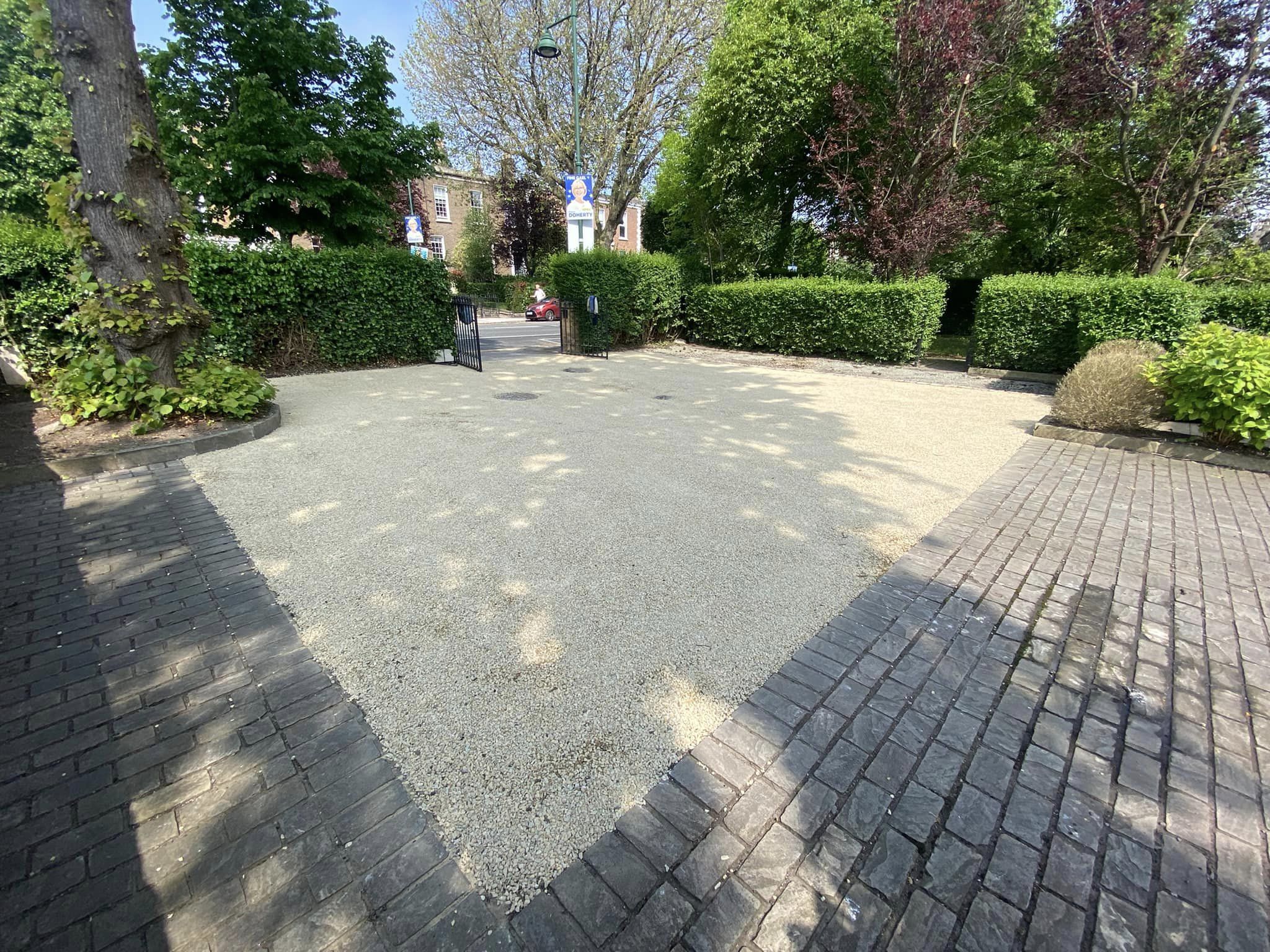
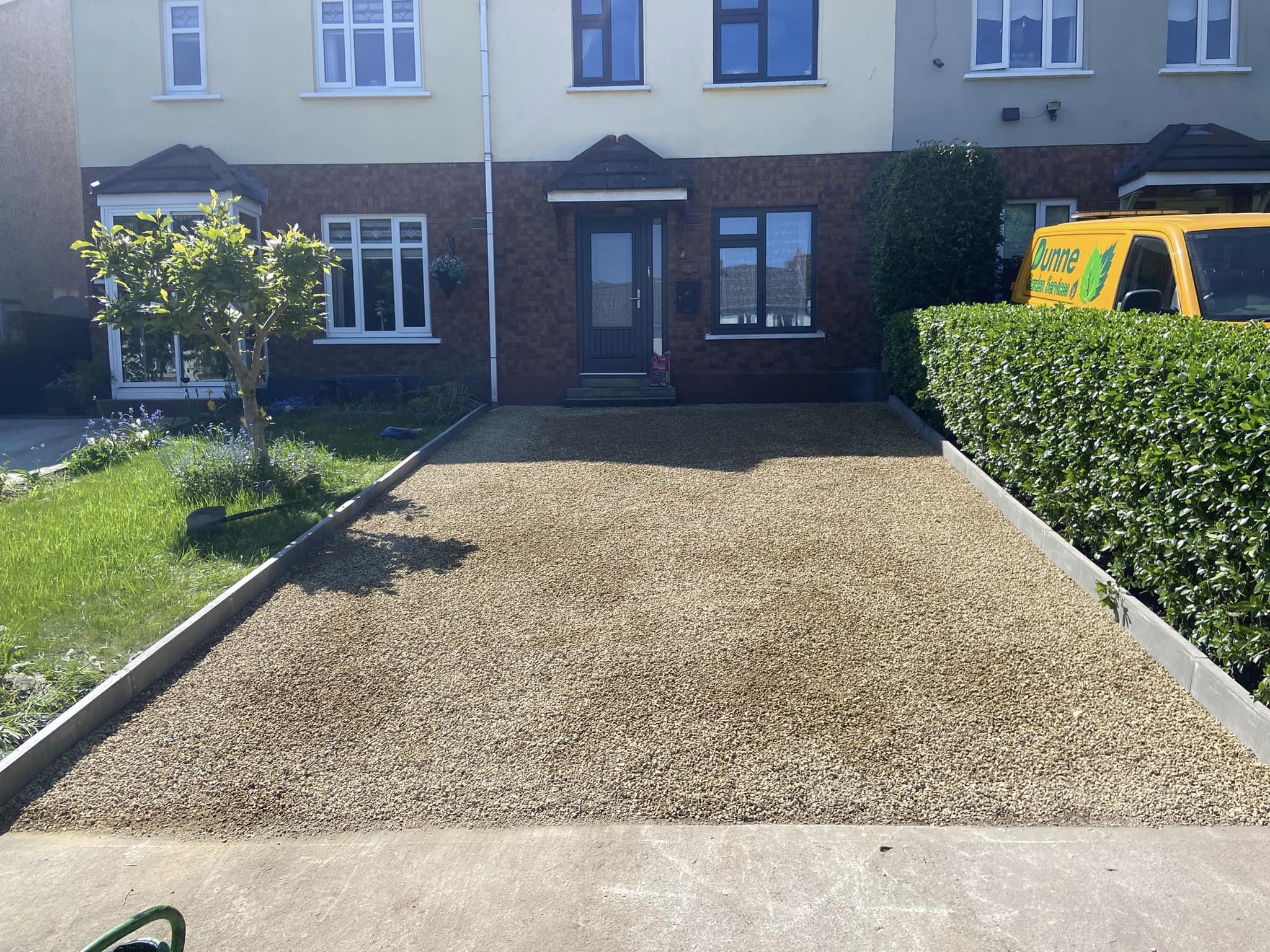
gravel dublin

gravel dublin

Streetscapes in Dublin are witnessing a surge in a particular driveway trend: gravel. It’s not merely the rustic charm captivating homeowners but a winning combination of practicality and aesthetics that gravel driveway Dublin installations offer. Whether you live in a classic Georgian townhouse or a modern development, gravel driveways can complement various architectural styles.

Compared to other paving options, gravel reigns supreme in cost-effectiveness, low maintenance requirements, and exceptional water drainage. This makes it a practical choice for both urban and rural settings. However, the advantages extend beyond the initial installation. Homeowners appreciate the natural beauty gravel brings to their properties, along with the design flexibility and colour options it affords. Plus, the inherent drainage capabilities of gravel play a vital role in managing Dublin’s well-known rainfall, making it an environmentally friendly solution for the eco-conscious homeowner.

Planning Your Dublin Gravel Driveway

Like any home improvement project, a little planning goes a long way. Here are some key aspects to consider:

Permits and Regulations

As with any construction project, it’s crucial to check with Dublin City Council to determine if permits are required for installing a gravel driveway. The council website provides a handy search tool for planning applications and permits, ensuring your project complies with local regulations. This preliminary step can save you from potential setbacks or fines, laying the groundwork for a smooth project execution.

Choosing the Right Gravel

The type of gravel you select significantly impacts the aesthetics and functionality of your driveway. Popular options in Dublin include crushed stone, pea gravel, and granite chippings. Consider factors like size, colour, and material.

Smaller-sized gravel (pea gravel) creates a smoother walking surface but may require more frequent top-ups. Meanwhile, apart from providing better vehicle stability and drainage, larger crushed stones offer a more natural look and better drainage. Colour and material type can complement your home’s exterior, creating a cohesive landscape design. Granite chippings, for instance, come in a variety of colours, allowing you to customise the look of your driveway and achieve a unique aesthetic that matches your property.

Additional Considerations

Beyond the gravel itself, there are other crucial elements to consider during the planning stage. Drainage is a key factor, particularly in the rainy Dublin climate. You may need to incorporate a drainage system to prevent water from pooling on the surface.

Edging is another vital aspect. Installing edging materials like timber or plastic helps contain the gravel and prevents it from migrating onto surrounding areas. Weed control is also essential. Laying a weed control fabric beneath the gravel significantly reduces weed growth, saving you time and effort in the long run.

Estimating Gravel Needs

Once you have selected your gravel type and included elements such as edging, calculating the required amount of gravel for your driveway involves simple math. First, measure the length and width of the driveway area, then decide on your gravel depth, which generally ranges between 50-100mm in Ireland. Multiply these three figures together to get the volume in cubic metres. It is also advised to include an additional 5-10% of gravel to account for possible wastage during installation.

Gravel Driveways Dublin

Gravel Driveway Dublin: Installation Guide

When installing a new driveway or replacing an old one, you have two options: hire a professional driveway paving company or do it yourself.

Hiring Professional Gravel Driveway Pavers

The value of getting professional gravel driveway pavers in Dublin cannot be underestimated. Here’s why:

Expertise

Professional pavers possess the knowledge and experience to handle every aspect of the installation process, from site preparation and base layer creation to proper gravel laying. They ensure your driveway is built to last and adhere to best practices for drainage and stability.

High-Quality Materials and Equipment

Professional paving companies typically have access to high-quality gravel materials and specialised equipment for excavation, compaction, and levelling. This guarantees a professional finish and reduces the risk of errors during installation.

Time-Saving and Efficiency

Hiring professionals can significantly save you time and effort. They can complete the project efficiently, allowing you to enjoy your new driveway sooner.

The DIY Approach

Embarking on a DIY gravel driveway installation can be a cost-effective and rewarding project. It allows you the flexibility to work at your own pace and the satisfaction of personal accomplishment upon completion. If you’re a confident DIY enthusiast, here’s a breakdown of the key steps in installing a gravel driveway:

1. Site Preparation

This is the groundwork for a successful driveway. Start by marking out the desired area and excavating the soil to the required depth, ensuring a slight slope for drainage. Install edging materials like timber or plastic along the perimetre to contain the gravel. Don’t forget to lay weed control fabric to prevent unwanted plant growth.

2. Base Layer

Creating a stable base layer is crucial for a long-lasting driveway. Use crushed stone (around 40mm in size) for this layer. Spread it evenly across the prepared area and compact it thoroughly using a plate compactor. This ensures a solid foundation for the gravel.

3. Laying the Gravel

Finally, it’s time for the star of the show – the gravel! Carefully spread the chosen gravel over the compacted base layer. Use a rake to achieve a level surface and ensure the desired depth throughout the driveway.

The decision to DIY or hire professionals depends on your comfort level, skills, and budget. However, it is worth mentioning that laying a gravel driveway is a complex and labour-intensive project that requires precise planning, physical labour, and knowledge of materials and construction methods.

While a DIY approach may seem cost-effective, it often becomes overwhelming due to the expertise needed for proper grading, compaction, and drainage. This is why hiring professionals is frequently the best choice. Additionally, the cost of gravel driveway installation in Dublin isn’t that expensive compared to other paving solutions.

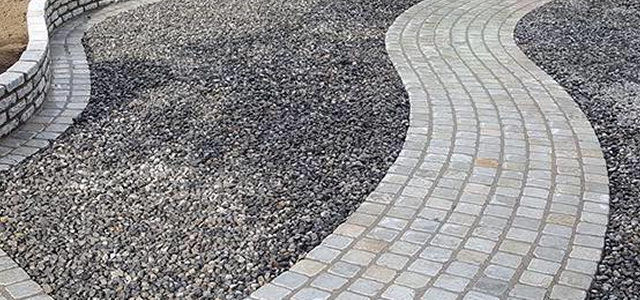
Gravel driveway with border completed in Ringsend Dublin 02

Gravel Driveway Dublin Maintenance Tips

Even the most expertly installed gravel driveway requires some maintenance to keep it looking its best and functioning properly. Here’s what you need to know:

Regular Top-Ups

Over time, gravel can become displaced through use and weather. To maintain the desired depth and level surface, plan on topping up the gravel every few years.

Weed Control

While weed control fabric helps significantly, some persistent weeds may still emerge through the gravel. Regularly hand-pulling weeds or applying a safe herbicide designed explicitly for gravel driveways will keep them at bay.

Edging Maintenance

Over time, edging materials like timber can deteriorate or become loose. Inspect your edging regularly and replace or repair damaged sections to ensure the gravel remains contained.

Drainage Solutions

Heavy rainfall can sometimes cause puddles to form on your gravel driveway. If this becomes a recurring issue, consider implementing additional drainage solutions, like installing a French drain system.

Winter Maintenance

Dublin experiences mild winters with occasional frost or sleet. Consider using pet-safe de-icing solutions to ensure a safe and functional drive if you encounter icy conditions.

Additional Considerations for Gravel Driveways in Dublin

Beyond the core installation and maintenance aspects, there are a few other factors to keep in mind:

Security Considerations

Gravel driveways can be slightly noisier underfoot than other paving materials like tarmac. This might be a security concern, especially if you value a discreet entrance.

Accessibility

While generally accessible, gravel driveways can be slightly uneven underfoot. Discuss alternative driveway materials with a professional if you or someone in your household has mobility concerns.

Adding Decorative Features

Gravel driveways offer a blank canvas for adding decorative elements. To enhance the visual appeal of your driveway, consider incorporating stepping stones, edging with contrasting colours, or low-maintenance plants along the borders.

So, is a gravel driveway the perfect choice for your home? You’re well-equipped to make an informed decision by carefully considering the information presented here.

Ultimately, gravel driveways present an appealing solution if you are seeking a balance of economy, beauty, and ease of upkeep. By ensuring diligent planning, careful installation and consistent maintenance, a gravel driveway can significantly enhance your property’s value and utility over the long term. This choice not only meets practical paving needs but also enriches the aesthetic character of your home environment, making it a wise investment for the future.

Ready to transform your driveway into a beautiful, functional gravel pathway? Elevate your home with our gravel driveway Dublin solutions. Quality installations and unique designs enhance curb appeal and property value. Call us today on 014851582 or click here to request a free quote.


Tarmac Sealer Dublin – Restore Your Driveway’s Beauty and Value

Tarmacadam driveway completed in county Meath 18

Tarmacadam driveway completed in county Meath 18

Driveways are the gateways to homes and commercial spaces, laying the very first impression on visitors and passersby. In places like Dublin, where the weather can be harsh and unpredictable, maintaining these surfaces, including the ever-durable tarmac driveways, is not just a matter of aesthetics but also a prudent investment in the property.

In case you didn’t know, hiring a professional tarmac sealer Dublin service is an effective solution to restore your driveway’s beauty, prevent long-term damage, and extend its lifespan. But why exactly is tarmac sealing essential? Read on as we answer this question and discuss the sealing process and why this affordable, effective method is vital to keeping your driveway in top condition.
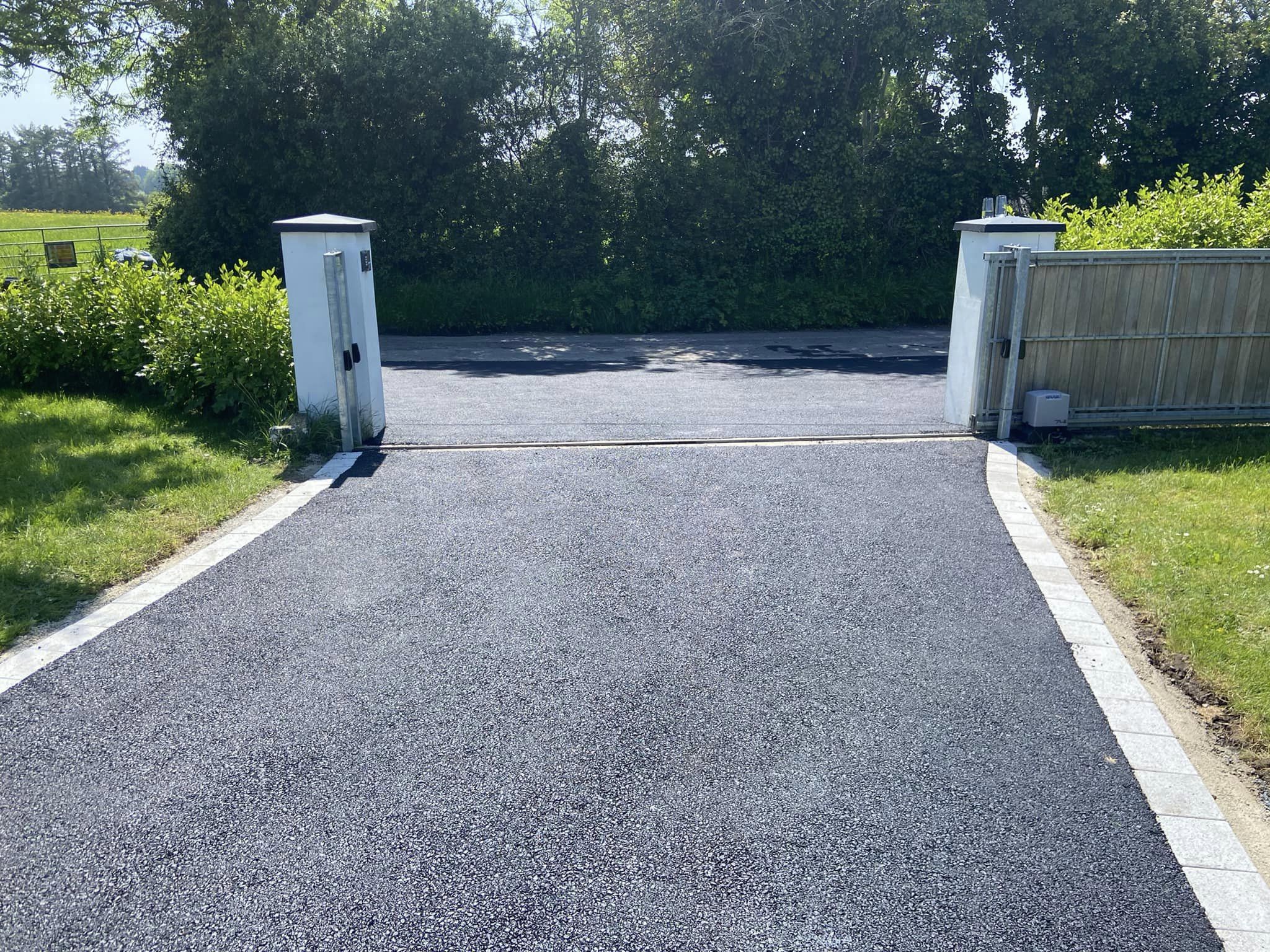
The Importance of Tarmac Driveway Sealing in Dublin

Tarmac driveways are a popular choice for Dublin properties. They are known for their durability and ease of maintenance. However, even the toughest surfaces can wear down over time, especially with Dublin’s fluctuating weather conditions. UV rays, rain, and oil spills can lead to cracks and fading, diminishing your driveway’s original appearance. That’s why a regular maintenance routine, including sealing every 3-5 years, is essential for preserving your driveway’s look and longevity.

Sealing your tarmac not only restores its appearance but also provides a protective barrier that extends its lifespan. By repelling water, oil, and dirt, a sealed tarmac surface is easier to clean, reduces the risk of damage from freeze-thaw cycles, and minimises the occurrence of cracks. In the long term, regular sealing saves you from costly repairs or even complete resurfacing, making it a wise financial decision for any property owner.

Beyond longevity, a well-sealed driveway enhances kerb appeal and adds tangible value to your property. For homeowners, a pristine driveway can enhance the property’s appearance, potentially increasing its market value by up to 10%. For commercial properties, a spotless, professional-looking driveway enhances customer perception.
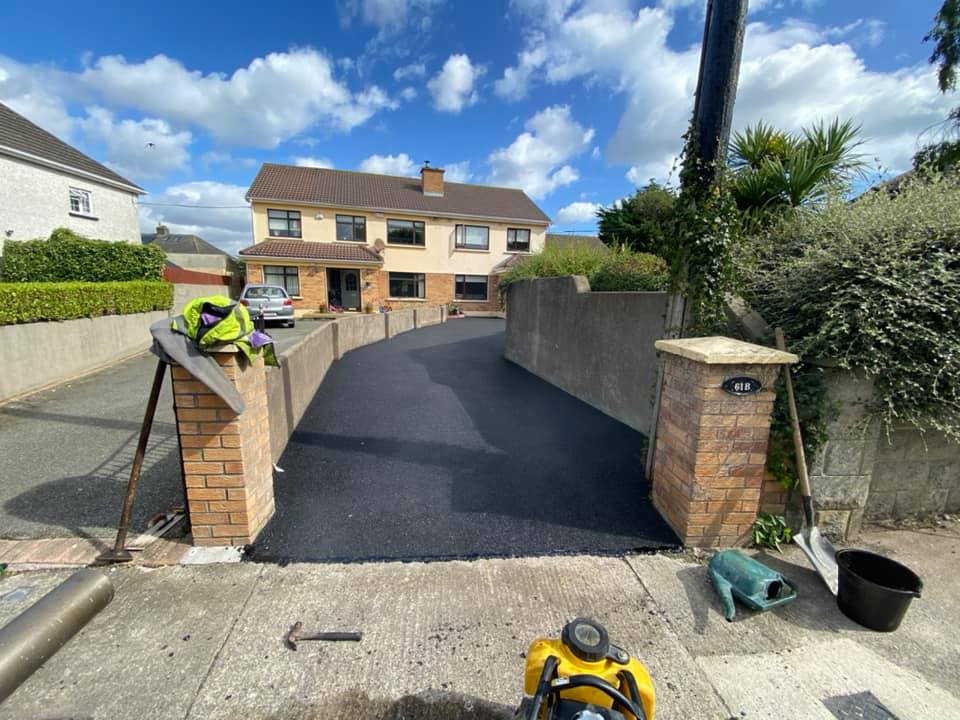
Additionally, a smooth, even surface reduces the risk of trips, falls, and vehicle damage from potholes, ensuring both safety and aesthetics for years to come. This proactive approach to maintenance not only safeguards those using your driveway but also demonstrates a commitment to quality and care for your property.

Tarmac Driveway Repair 3

What Are the Signs Your Tarmacadam Driveway Needs Sealing?

Remember, even the strongest tarmac surfaces will deteriorate without proper care. Here are a few signs it might be time to seal your driveway:

  • Cracks and Surface Damage: Small cracks can grow over time, leading to more significant issues if left untreated.
  • Fading Colour: Exposure to UV rays and harsh weather can fade the tarmac’s rich, black colour, making it look worn and aged.
  • Increased Dirt and Stains: As the tarmac loses its protective layer, oil, dirt, and other substances can seep in, making it harder to clean and maintain.
  • Water Pooling: If you notice water pooling in certain areas, it may indicate surface wear and a loss of proper drainage, which can accelerate deterioration.
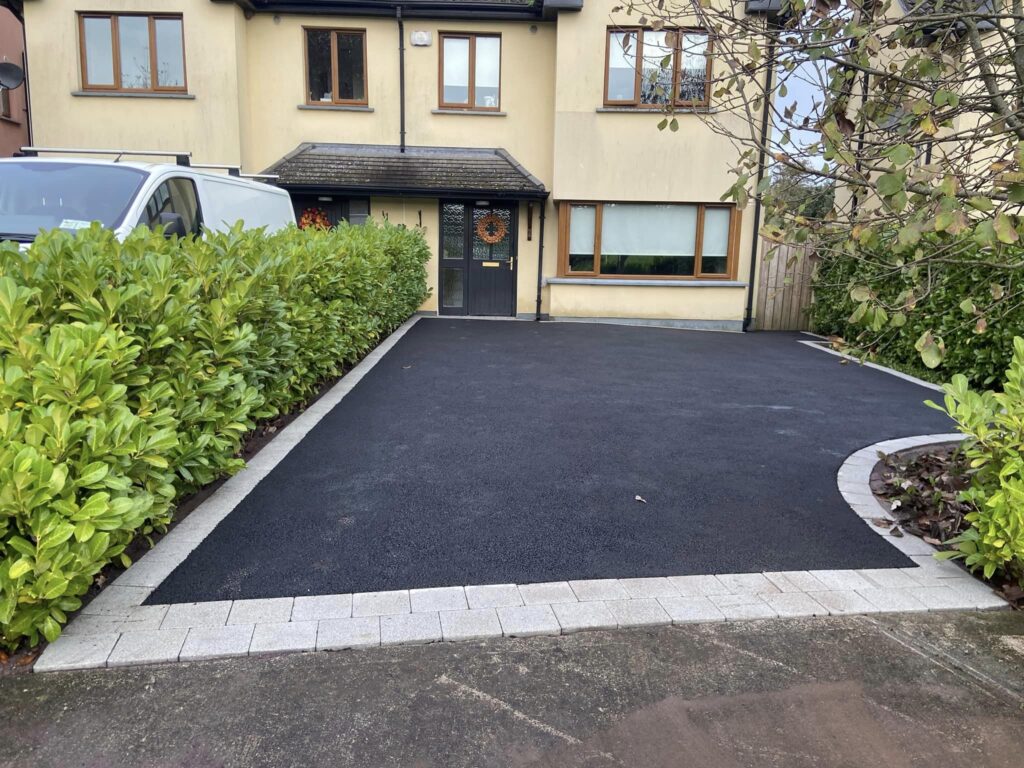
By sealing at the first signs of these issues, you can maintain your driveway’s appearance and function while preventing further damage.

What Is a Tarmac Sealer?

Tarmac sealer is a specially formulated product designed to create a protective barrier over your driveway’s surface. This barrier offers multiple benefits:

  • Enhanced Colour: Restores and deepens the tarmac’s rich, black hue, giving it a freshly laid look.
  • Protection Against Damage: Shields the tarmac from UV rays, water, oil, and other substances that can cause cracking and deterioration.
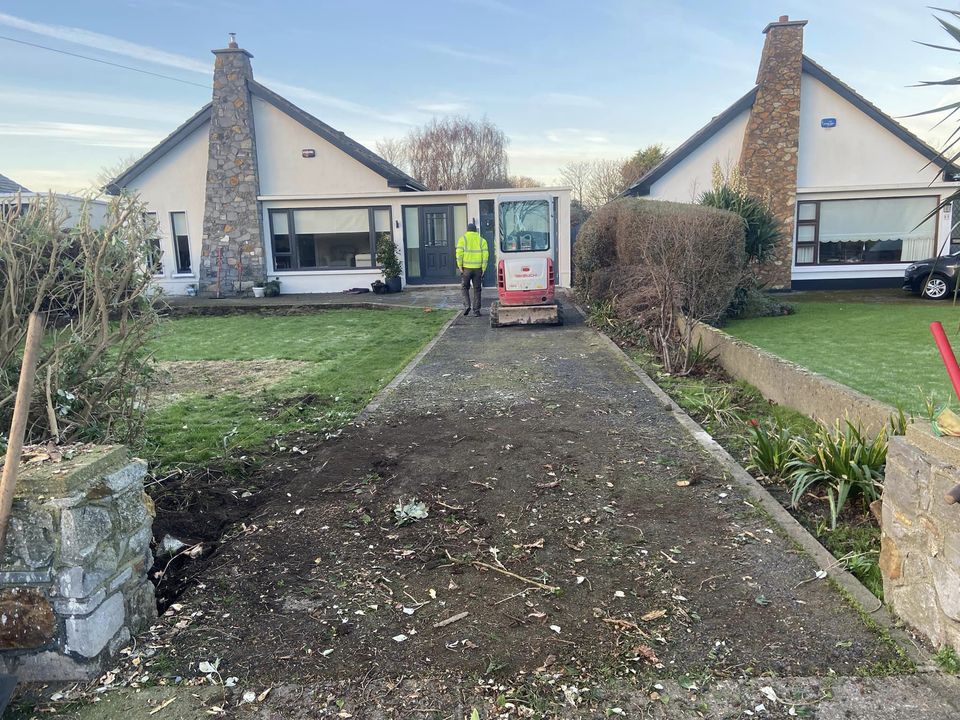
Different types of tarmac sealers are available, each tailored for specific needs—some focus on enhancing durability, while others are optimised for colour restoration. Choosing the right product is critical to achieving the results you’re looking for, and professional guidance can help you make the best choice. Experts recommend sealing during mild, dry weather, usually in spring or summer, to allow the sealer to set correctly.
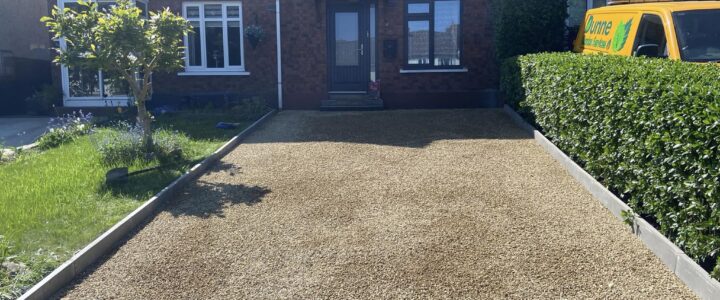
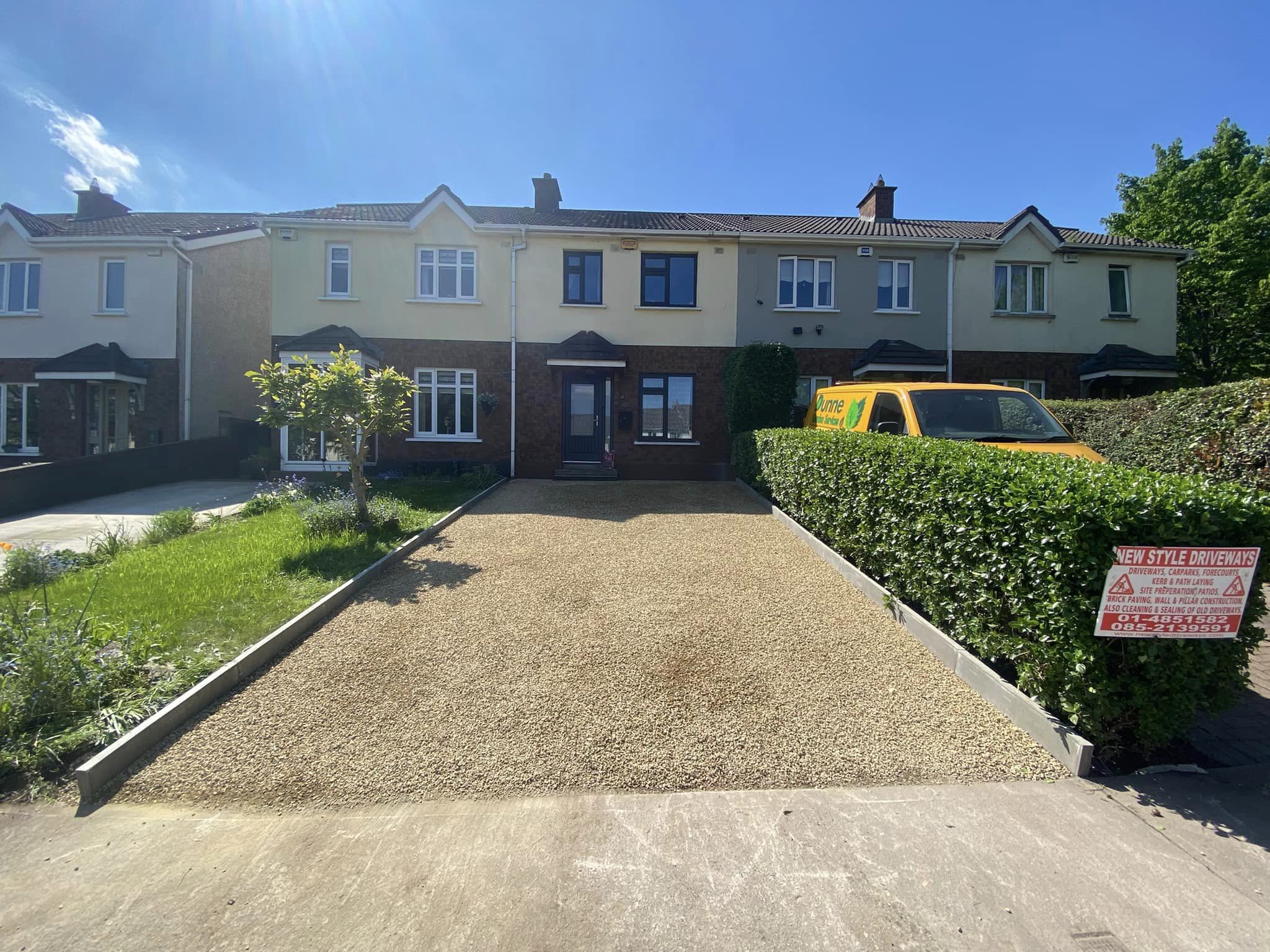
Tarmacadam driveway completed in Kilmessan Meath 02

The Professional Tarmac Sealing Process in Dublin

Tarmac sealing is not a task to be taken lightly. It requires precision, skill, and the right equipment. Professional tarmac sealer Dublin service providers use a meticulous process to ensure quality results:

  1. Inspection: Experts inspect the driveway to identify any cracks or damage that must be repaired before sealing.
  2. Thorough Cleaning: Dirt and debris are cleared to ensure the sealer adheres properly.
  3. Precision Application: The right amount of sealer is crucial. Too little will not provide sufficient protection, and too much can make the surface slippery. Professionals use the right amount and apply it evenly, guaranteeing lasting results.

 DIY vs. Professional Sealing: Why Choose the Pros?

 You might be tempted to turn tarmac sealing into a DIY project, but the benefits of professional application are undeniable. Professionals bring years of experience and access to high-quality materials not readily available to the public. They ensure a uniform application, avoid common mistakes, and guarantee the longevity of the sealing job.

Moreover, professional tarmac maintenance services often come with warranties or guarantees, providing peace of mind that the job is done right. And when you consider the cost of purchasing the necessary equipment and materials yourself, hiring professionals can be surprisingly cost-effective.

Tarmacadam Driveway Completed in Sutton Dublin 01

How to Choose the Right Tarmac Sealer Dublin Service Provider

 With multiple service providers available, selecting a reputable tarmac sealing service is essential. Look for:

  • Experience and Expertise: Choose a company with a solid track record and skilled professionals.
  • Customer Reviews: Positive feedback from clients indicates quality results and service.
  • Transparency: A trustworthy company provides transparent pricing and explains the process in detail.
  • Quality Materials: High-quality sealers produce long-lasting, reliable results.

Remember, the lowest price isn’t always the best value. Look at the overall service quality, including the professionalism of the staff and any warranties or aftercare support offered.

How to Maintain Your Newly Sealed Tarmac Driveway

 After your driveway is sealed, a few simple maintenance steps can help extend its life:

  • Regular Cleaning: Sweep away dirt and debris. Rinse the surface to prevent build-up.
  • Address Spills Promptly: Clean oil or other spills immediately to avoid staining.
  • Avoid Heavy Loads: Avoid parking heavy machinery or vehicles in the same spot for extended periods, as this can wear down the sealing layer.

By following these essential tips, you can keep your driveway looking pristine and maximise the lifespan of your tarmac sealer.

In conclusion, the condition of your driveway speaks volumes about your property. Tarmac sealing is a wise investment that not only restores your driveway’s beauty and value but also protects it for the future. With a professional sealing service, you can prevent damage from harsh weather, heavy use, and common contaminants like oil and dirt, keeping your driveway in prime condition for years.

By sealing your tarmac, you’re investing in a long-lasting solution that saves on costly repairs and enhances curb appeal. Whether for a home or commercial space, a well-maintained driveway reflects pride in ownership and care for those who visit. Don’t wait until issues arise—reach out to a trusted tarmac sealing service in Dublin today to safeguard the durability and aesthetics of your property’s entrance.

Ready to elevate your property’s kerb appeal? Contact New Style Drives – the trusted tarmac sealer Dublin service provider! Call us now call us at (01) 4851582 | 085213959 or click here for to request a tarmac driveway sealing quote!

Asphalt vs. Concrete: The Best Paving Choice for Dublin Properties

Asphalt Driveway Contractor Ireland Dublin

Asphalt Driveway Contractor Ireland Dublin

Choosing the right paving material for your Dublin property is an important decision. After all, a well-paved driveway, patio, or path not only enhances the functionality and visual appeal of your outdoor space but also adds value to your home.

In Dublin, where the climate, local regulations, and urban landscape play significant roles, property owners and real estate developers often end up comparing two primary paving options: asphalt vs. concrete. Both offer distinct advantages and disadvantages, and understanding these differences is crucial for making an informed selection. This comprehensive guide will delve into the world of asphalt and concrete paving in Dublin, equipping you with the knowledge to choose the perfect option for your needs.

Asphalt Paving: A Smooth and Cost-Effective Choice

Asphalt paving is a mixture of aggregate stone, sand, and asphalt binder, which is a petroleum product. This combination is heated and laid down on the designated area and then compacted to create a smooth, solid surface.

What Are the Advantages of Asphalt?

Asphalt offers several attractive benefits for Dublin property owners. Perhaps the most significant advantage is its cost-effectiveness. Compared to concrete, asphalt is generally cheaper to install, making it a budget-friendly paving option.

Additionally, its quick setting time and durability make it a preferred choice for many, especially for high-traffic areas like driveways and roadways. Since asphalt installation is typically quicker, minimal disruption to property and daily routine can be expected.

Asphalt also boasts a smooth, seamless finish that provides excellent driving and walking experiences. Its flexibility also contributes to some degree of crack resistance, especially when compared to concrete.

Another advantage of asphalt paving is its relative ease of repair. Patching minor cracks or potholes in asphalt is a simpler and less labour-intensive process compared to concrete repairs. Furthermore, asphalt installation is typically quicker than concrete, minimising disruption to your property and daily routine.

What Are the Disadvantages of Asphalt?

One key drawback is the need for more frequent maintenance. Unlike concrete, asphalt requires periodic resealing, usually every 4-7 years, to maintain its flexibility and prevent cracks. This resealing process incurs additional costs throughout the lifespan of the pavement.

Another disadvantage of asphalt is its shorter lifespan compared to concrete. While properly installed and maintained asphalt pavements can last 15-20 years, concrete can often surpass 30 years.

Additionally, asphalt can soften during periods of extreme heat, potentially leading to surface deformation. Finally, some may find the classic black colour of asphalt less visually appealing than some of the design options available with concrete.

Concrete Paving: Durable and Aesthetically Versatile

Concrete is a widely used construction material composed of cement, sand, gravel, and water. When mixed, these elements form a rigid and durable material ideal for a variety of applications, including paving driveways.

What Are the Advantages of Concrete?

The primary advantage of concrete paving is its exceptional durability. Concrete pavements are known to last significantly long, often exceeding 30 years with proper care. Its durability makes it a robust option for a variety of applications beyond driveways, including patios, paths, and even interior floors. While it may come with a higher upfront cost, its minimal maintenance needs make it a cost-effective solution over its lifespan.

Another major benefit of concrete is its design versatility. Unlike the classic black asphalt, concrete offers a wider range of aesthetic possibilities. Coloured concrete can be used to create visually striking driveways and patios that complement the style of your property. Additionally, stamped concrete allows for the creation of unique patterns and textures that mimic the look of natural stone or cobblestones. This design flexibility allows you to personalise your outdoor space and enhance its curb appeal.

In terms of maintenance requirements, concrete generally only needs occasional cleaning and minor crack repairs. Its minimal maintenance needs make it a cost-effective solution over its lifespan

What Are the Disadvantages of Concrete?

Concrete, while popular for its strength and durability, does have its set of disadvantages when compared to other driveway materials. One significant drawback is its susceptibility to cracking, which occurs not only from improper installation but also from external factors such as excessive weight, movement in the ground, or even natural weather conditions like freeze-thaw cycles. These cracks can be challenging and costly to repair, often requiring extensive work to ensure the structural integrity and aesthetic appeal of the concrete surface are restored.

Another area where concrete might not be the ideal choice relates to its installation process. Unlike asphalt and tarmac, which can be laid and ready for use in a considerably shorter timeframe, concrete paving demands a longer and more disruptive installation process. This includes a curing period that can extend up to a week or more during which the surface cannot be used. This extended downtime may not be convenient for everyone, posing a significant inconvenience compared to other quicker-to-install materials.

Moreover, safety concerns with concrete surfaces are not to be overlooked. They can become extremely slippery in wet conditions, posing a hazard to vehicles and pedestrians alike. Although this risk can be mitigated by applying a textured finish or incorporating non-slip additives into the concrete mix, these solutions add to the overall cost and maintenance of a concrete driveway. Such additional measures, while effective in reducing the risk of slips and falls, underscore the need for careful consideration when choosing concrete for areas frequently exposed to water or ice.

Asphalt vs. Concrete: Comparative Analysis

As shown above, both driveway materials come with their own sets of advantages and drawbacks, impacting cost, maintenance, durability, and aesthetic appeal. In this section, we’ll provide more details to help you make an informed decision.

Installation Time and Costs

Each material’s installation time and costs are significant factors that weigh heavily on your decision based on immediate budget constraints and long-term financial planning.

The initial cost of asphalt paving is generally lower than that of concrete, due to the lower material and labour costs. Asphalt can also be installed relatively quickly, often within a day for a standard-sized driveway, and is ready for use much sooner than concrete, which can take up to a week to cure.

Although concrete is more expensive to install than other materials, it offers a better return on investment over time. The infrequent need for repairs and its longevity (30 years or more with proper maintenance) may offset the initial investment over time.

Durability and Longevity

When it comes to durability, both materials offer considerable strengths. Asphalt is flexible, which makes it less susceptible to cracking under pressure or due to ground movements. However, its lifespan is shorter, typically between 15 to 20 years, requiring more frequent resurfacing or replacement.

Concrete shines in longevity and resistance to wear and tear, easily lasting 30 years or more when properly maintained. It stands up well to heavy use but can be prone to cracking with extreme temperature fluctuations. For Dublin’s climate, where freeze-thaw cycles are common, this can be a consideration worth noting.

Maintenance and Repair

Maintenance is where asphalt and concrete significantly differ. Asphalt driveways need to be seal-coated every two to five years to protect against water penetration and to maintain its appearance. This maintenance can add to the total cost of ownership over its lifespan.

Meanwhile, concrete requires less frequent upkeep. It does not need sealing as often as asphalt, especially in mild climates. But any stains or fluids must be cleaned promptly to avoid permanent discolouration. Furthermore, cracks, when they occur, can be more challenging and costlier to repair than those in an asphalt surface.

Environmental Considerations

Sustainability is increasingly becoming a critical factor in choosing building materials. Asphalt paving, though not usually praised for its environmental benefits, can be recycled effectively, potentially reducing the need for new raw materials and lowering greenhouse gas emissions associated with its production.

Concrete is noted for its reflectivity, which reduces the need for lighting at night and can lower temperatures in urban areas. However, the cement production process is energy-intensive and contributes significantly to carbon dioxide emissions. Newer, more environmentally friendly cement mixtures are being developed, which may help mitigate these concerns.

Aesthetics and Customisation

Aesthetics play a pivotal role in the selection process for many property owners. Asphalt offers a classic, uniform look that blends well with most property styles. Its options for customisation are limited, though creative bordering and the introduction of aggregate for texture can enhance its appearance.

Concrete’s versatility in aesthetics is unmatched. It can be stamped, coloured, and finished in numerous ways to mimic other materials such as brick, natural stone, or even wood. This flexibility allows property owners to tailor the paving to complement their property’s architectural style and landscape design, making concrete a popular choice for those prioritizing curb appeal.

Asphalt vs. Concrete: Cost Comparison

The initial cost of your project is likely a major deciding factor when choosing between asphalt and concrete for your Dublin property. Here’s a breakdown of the cost considerations for both materials, using figures specific to the Dublin market:

Material Cost

In Dublin, expect to pay around €50 to €80 per square metre for asphalt and €75 to €110 per square metre for concrete. This price difference can be significant, especially for larger paved areas like driveways or parking lots.

Installation Cost

Asphalt installation in Dublin is typically faster and less labour-intensive compared to concrete. This translates to lower labour costs. Asphalt installation costs generally range from €20 to €35 per square metre, whereas concrete installation can cost €30 to €45 per square metre.

Maintenance Costs

Asphalt requires more frequent maintenance than concrete. Regular resealing, typically every 4-7 years, is necessary to maintain its flexibility and prevent cracks. In Dublin, expect to pay €15 to €25 per square metre for asphalt resealing. These resealing costs add up over the lifespan of the pavement.

If you are considering using these materials for your driveway, here’s what you can expect to spend:

Asphalt Driveway Costs Dublin

The cost of installing an asphalt driveway typically ranges from about €50 to €100 per square meter in urban areas like Dublin. This price includes both material and labour costs. The lower end of this range may apply to more straightforward projects with minimal preparation work required. Meanwhile, the higher end of the range aplly to larger, complex projects involving features like custom edging, extensive excavation, or thicker asphalt layers for heavy traffic loads.

Concrete Driveway Costs Dublin

In contrast, concrete driveways usually cost between €80 to €120 per square meter. This price range recognizes concrete’s higher material cost and the additional labour required for its installation. The variances in price can also reflect the choice of finish or the addition of decorative elements, which can elevate the aesthetic appeal and the cost.

It’s crucial to note that these figures are indicative and can vary based on several factors, including the scale of the project, geographical location within Dublin, and the choice of contractor. Additionally, while asphalt might be more affordable initially, concrete driveways typically offer a longer lifespan and may require less maintenance over time, potentially leading to cost savings in the long run.

Decision-Making Table for Choosing Between Asphalt and Concrete

Choosing between asphalt and concrete for your Dublin driveway can be a tough call. As such, we’ve created the table below to provide a quick reference to key factors that can help you make an informed decision:

Factor Asphalt Concrete
Budget More cost-effective upfront Higher initial cost but fewer maintenance costs
Intended Use Suitable for driveways and high-traffic areas Ideal for patios, paths, and where aesthetics are key
Aesthetics Limited customisation High customisation and versatility
Maintenance Requires regular maintenance Less maintenance but harder to repair
Climate Resilience Suitable for colder climates; quick to show wear Susceptible to cracking in freeze-thaw conditions

Asphalt vs. Concrete: Top Tips from Professional Paving Contractors in Dublin

Still can’t decide which paving material to use? Here are some insights from experienced Dublin pavers to help you make the best choice:

Budget Considerations

Asphalt’s lower upfront cost can be very attractive, especially for budget-conscious homeowners. However, remember to factor in the recurring costs of resealing every 4-7 years, which can add up over the lifespan of the pavement (resealing typically costs €15-€25 per square metre in Dublin).

Long-Term Investment

If you prioritise a long-term solution and a lower overall cost over time, concrete might be the better choice. While the initial installation is more expensive, concrete’s extended lifespan (often exceeding 30 years) and lower maintenance requirements can translate to significant savings compared to asphalt’s shorter lifespan (typically 15-20 years) and need for resealing.

Project Size Matters

The cost difference between asphalt and concrete becomes more significant for larger projects like driveways or parking lots. For smaller pathways or patios, the price gap might be less noticeable. In these cases, you can prioritize your preferred material based on aesthetics or other factors.

Seek Professional Advice

Consult with reputable Dublin paving contractors. They can assess your specific needs, property, and budget to recommend the most suitable option for your driveway or pavement project.

Consider the Look

Do you prioritise a clean black look or prefer the design flexibility offered by coloured or patterned concrete?

Think About Maintenance

Asphalt requires more frequent maintenance, while concrete repairs can be more extensive. Consider your tolerance for upkeep when making your decision.

In conclusion, the choice between asphalt and concrete for your Dublin property entails a careful consideration of your immediate and long-term needs. Budget, intended use, desired aesthetics, maintenance, and local climate are critical factors to weigh.

Asphalt may suit those looking for a cost-effective, quick solution, particularly for driveways that need to withstand heavy use. Concrete, with its durability, low maintenance, and aesthetic versatility, can be the ideal choice for those planning for the long term, offering a premium finish that enhances property value.

Exploring your paving options with a professional can provide tailored advice and insights specific to your property’s requirements. Whether asphalt or concrete, the right choice will enhance your Dublin property’s functionality, appeal, and overall value for years to come.

Ready to transform your Dublin driveway or patio with a stunning and durable surface? Don’t get stuck in the asphalt vs. concrete dilemma! Let our experienced paving contractors guide you through the pros and cons of each, ensuring you make an informed decision tailored to your property’s needs and aesthetics. Call us now at (01) 4851582 or 0852139591 to schedule a consultation!