Tarmac Driveways Special Offer

How to Choose the Perfect Tarmac Driveway Edging for Your Dublin Property

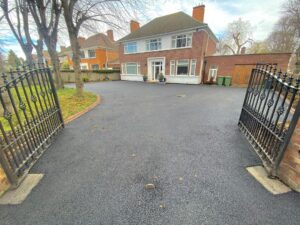
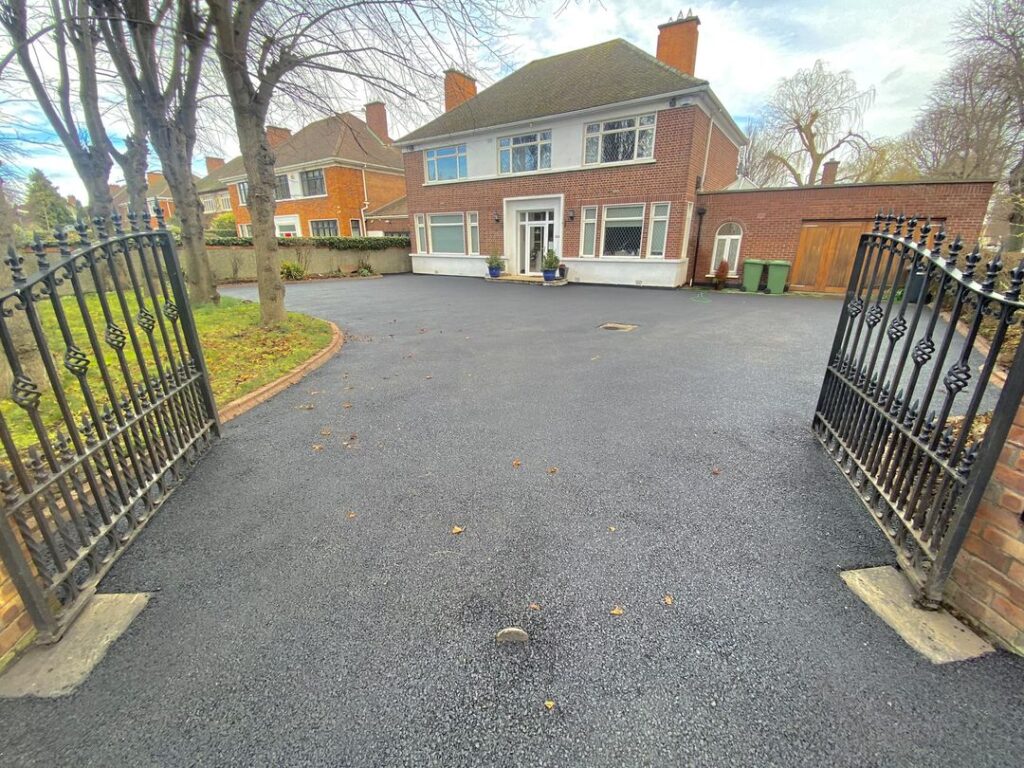
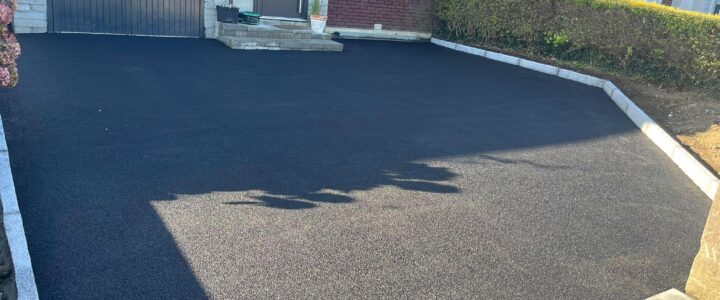
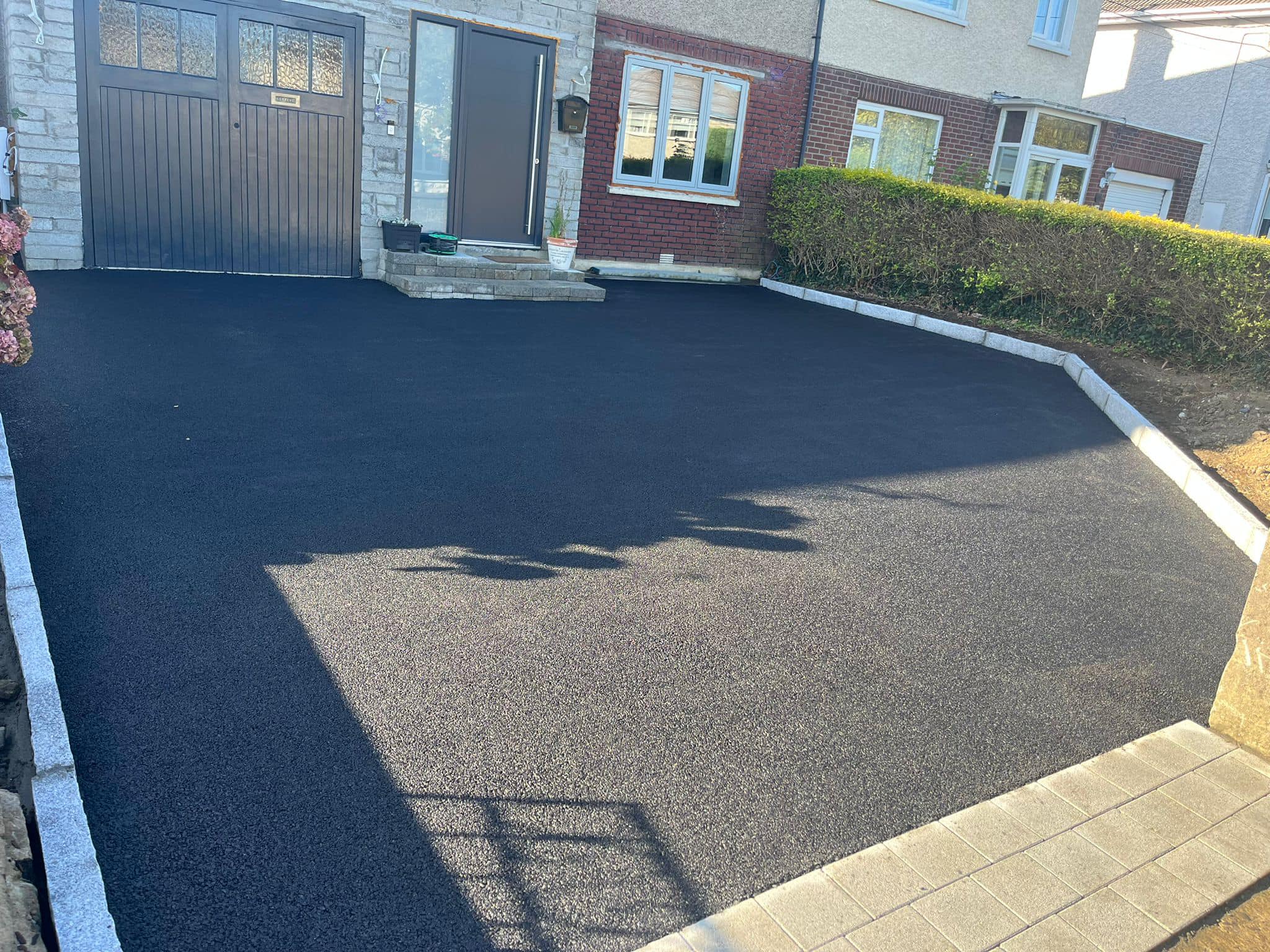
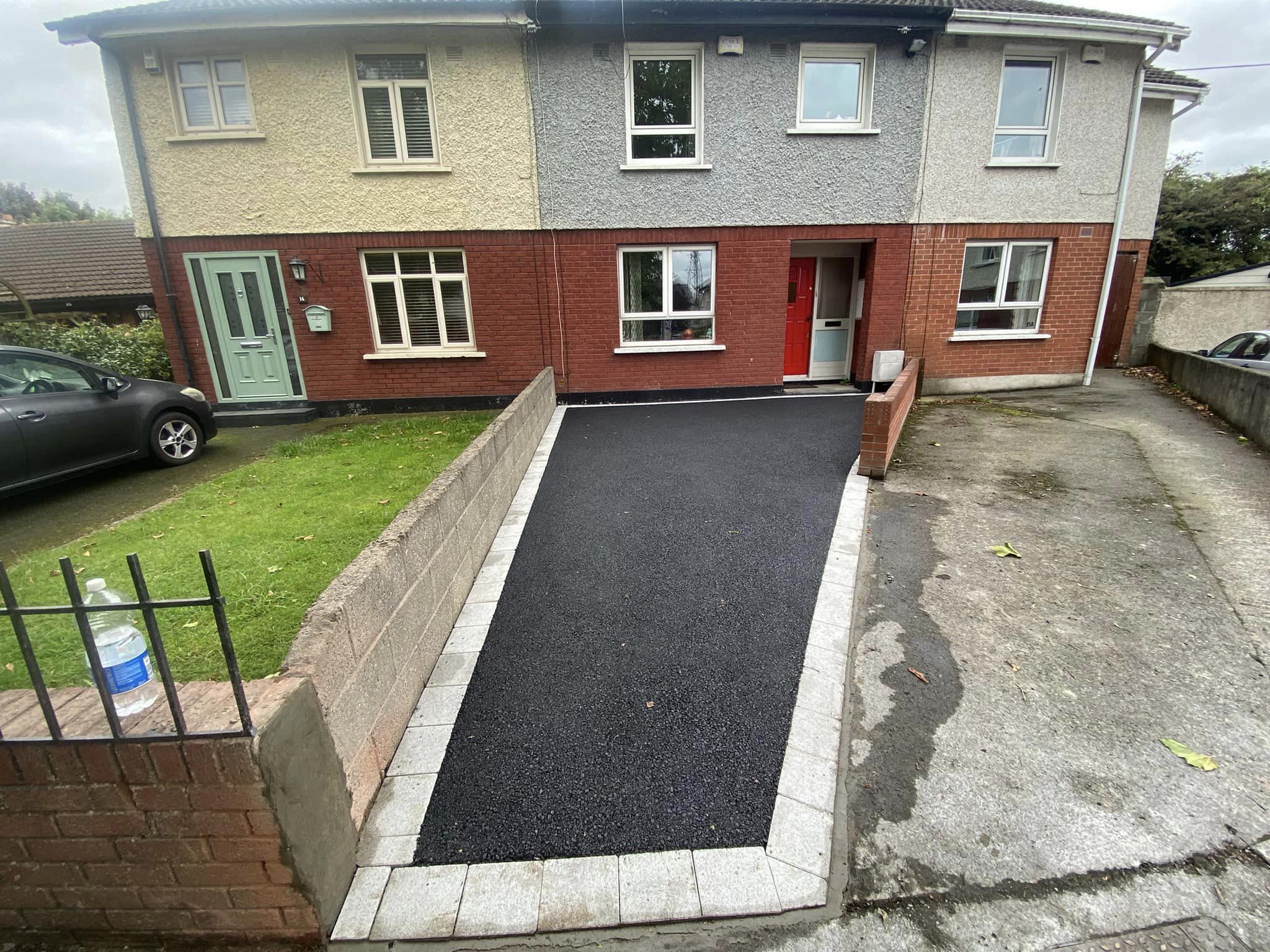
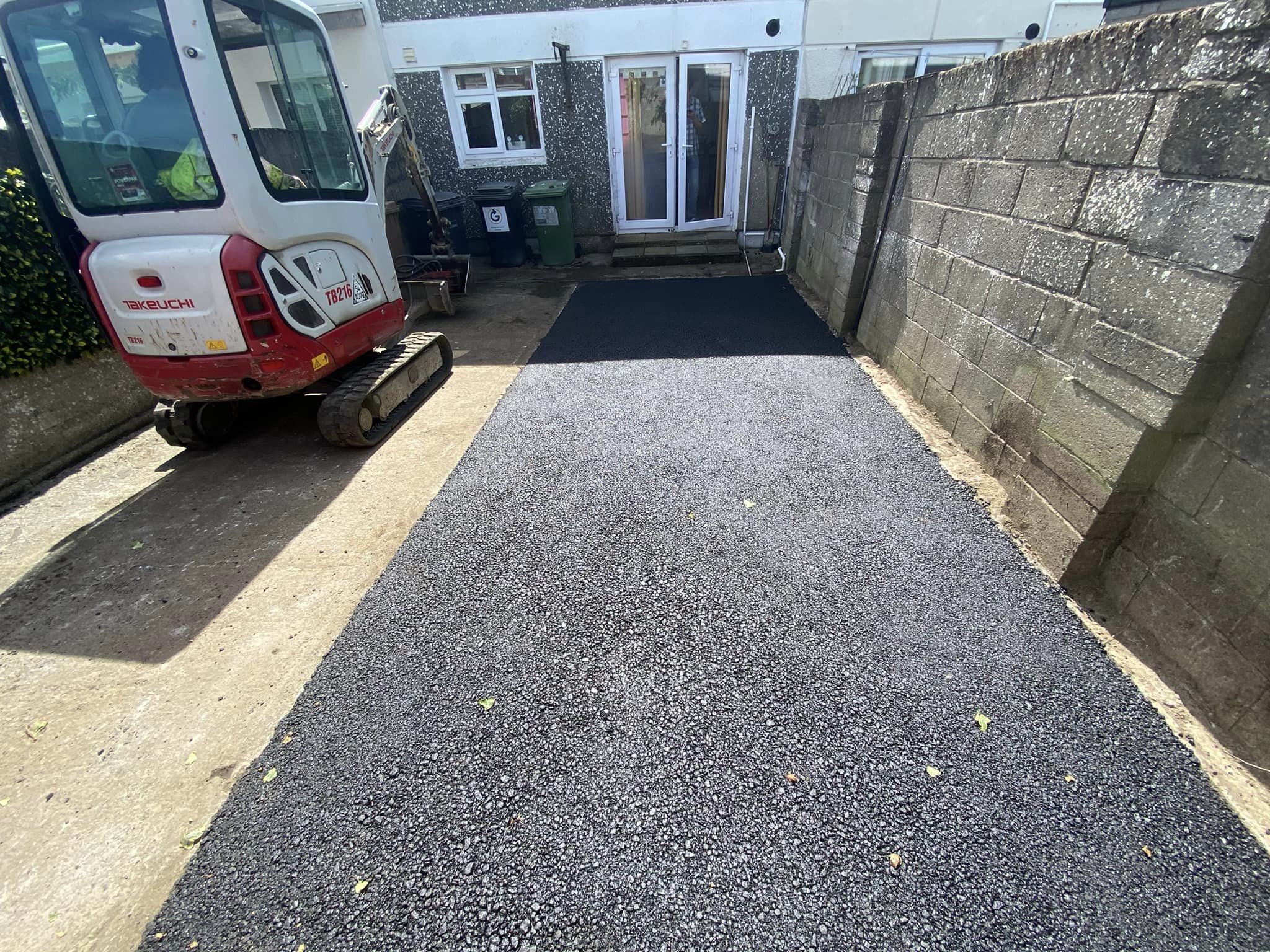
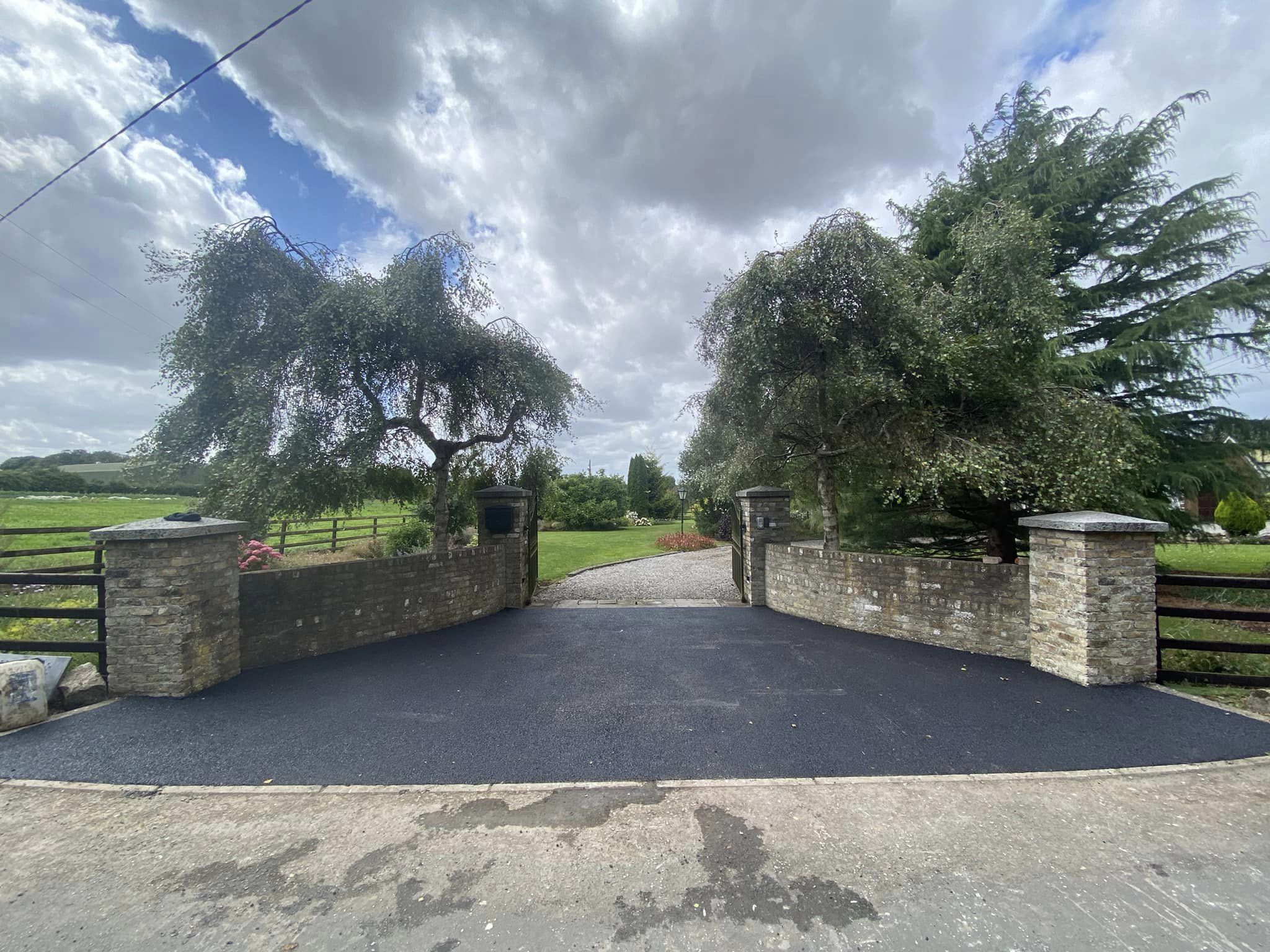
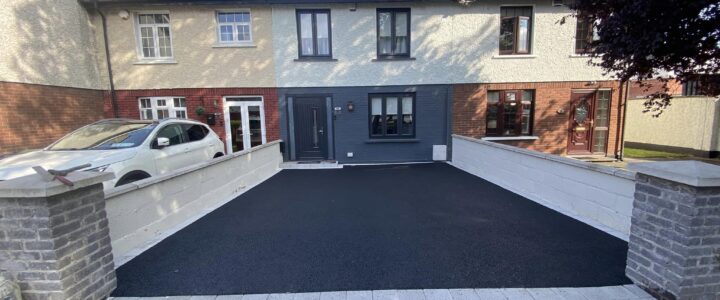
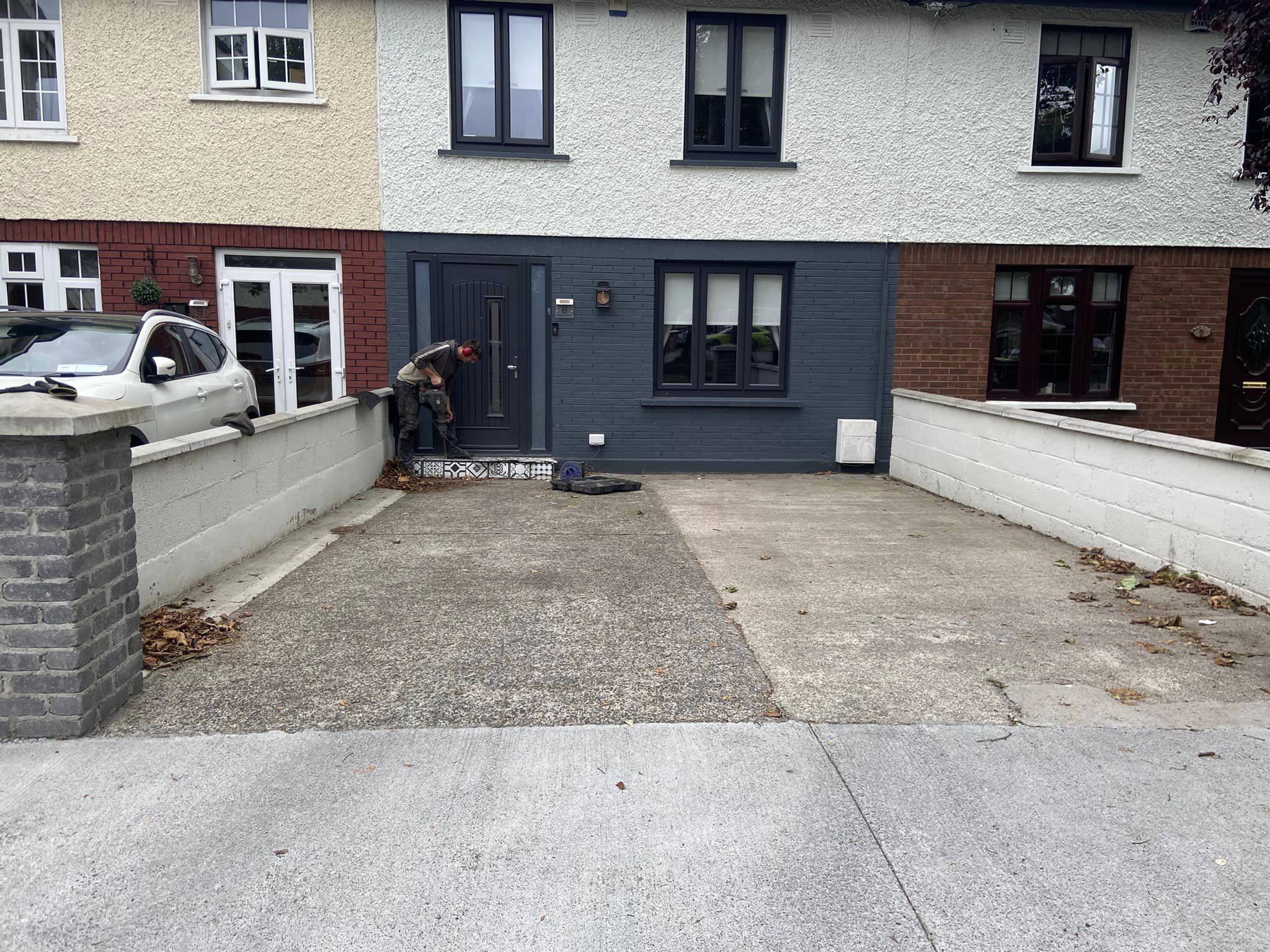
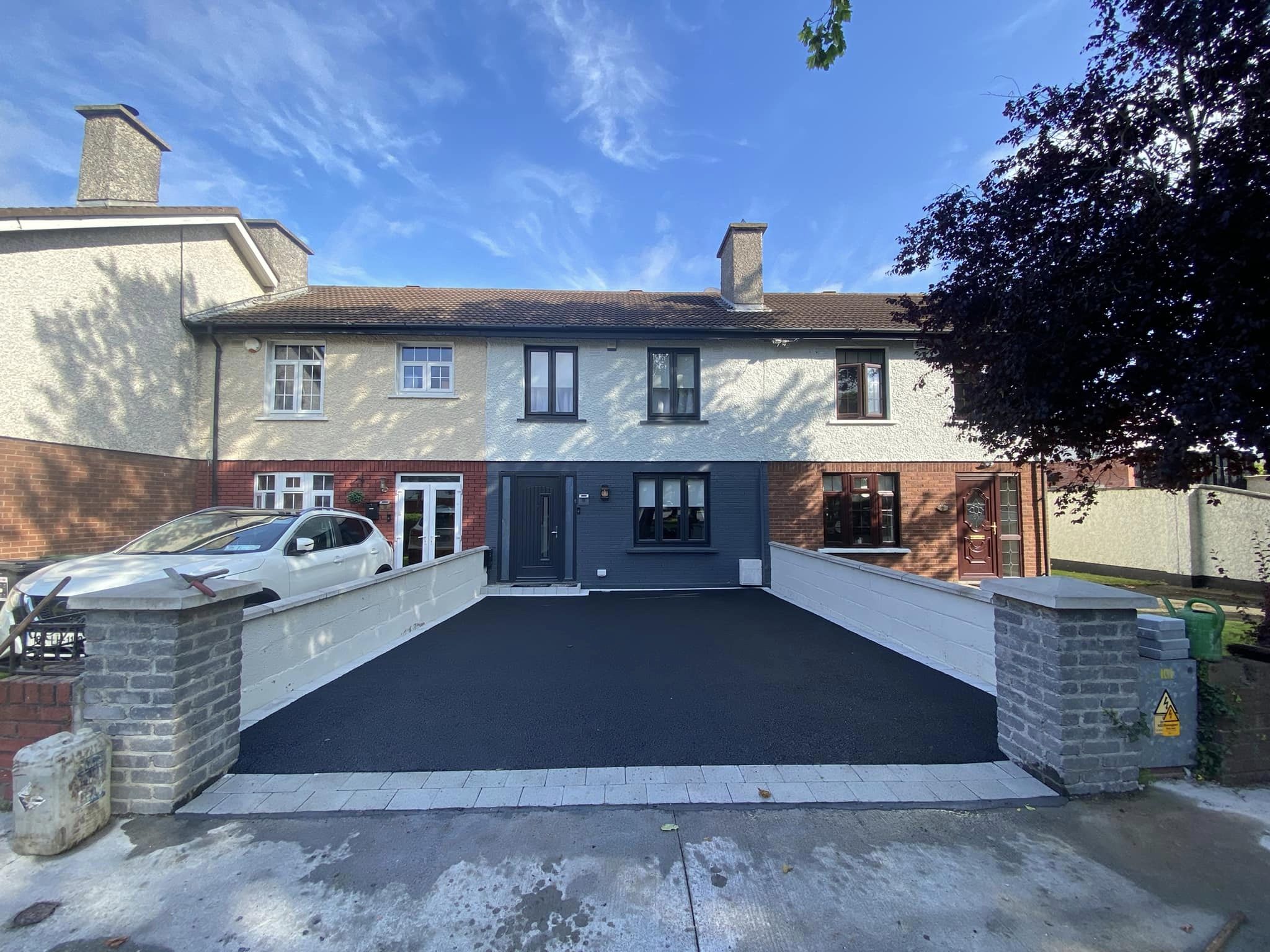
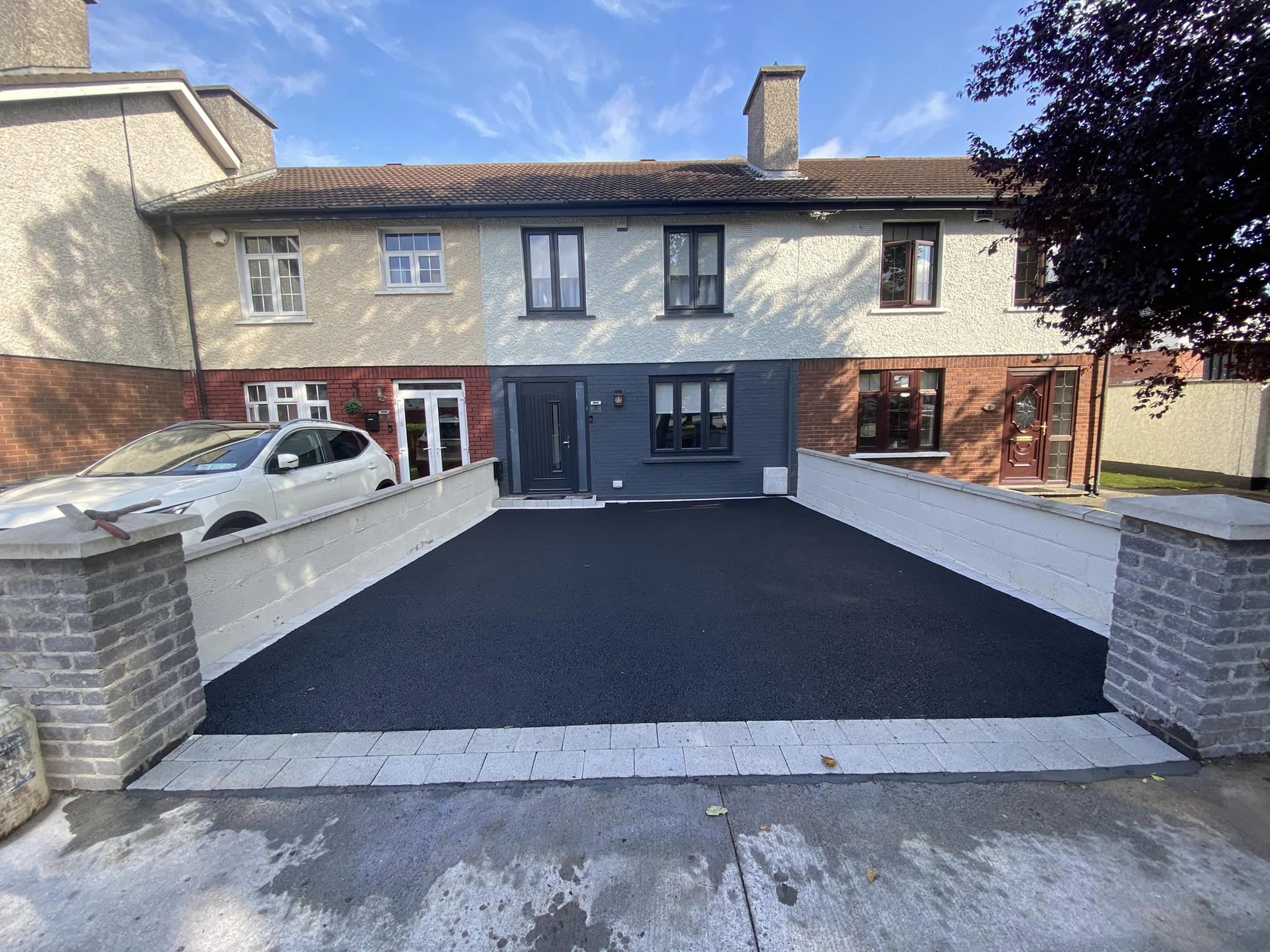
Tarmac Driveway with Silver Granite Edging Portmarnock 4

Tarmac Driveway with Silver Granite Edging Portmarnock 4

Dublin’s weather is notoriously unpredictable, and your driveway often bears the brunt of it. Relentless, drizzling rain seeps into every crevice. Sharp, biting frosts crack and crumble even the sturdiest surfaces. The edges of your tarmac are constantly under attack. This daily wear leads to unsightly deterioration, leaving your driveway looking worn and neglected — and potentially requiring costly repairs. It’s a common problem for property owners across Dublin, who struggle to maintain their driveways amidst the ever-changing climate.

However, this doesn’t have to be your reality. The right tarmac driveway edging acts as a robust shield. It can protect your driveway from the elements while simultaneously adding a touch of sophistication to your property. It’s about combining practicality with aesthetic appeal, ensuring your driveway remains both functional and visually appealing, regardless of what the Irish weather throws at it. So, how do you choose the perfect tarmac driveway edging for your Dublin property? Let’s break it down.

Why Tarmac Driveway Edging Matters

Tarmac driveway edging plays a much larger role than just looking neat. It acts as a barrier that strengthens the outer boundary of your driveway, preventing the edges from cracking, crumbling, or eroding over time.

In a climate like Dublin’s, with consistent rainfall and the occasional freeze, edging provides crucial structural support. It preserves the integrity of the tarmac, especially along the edges where wear and tear tend to appear first.

Equally important is how edging contributes to overall driveway performance. It reinforces the base layers and helps prevent movement caused by pressure or shifting soil. When paired with proper drainage, it also supports your overall driveway design by guiding surface water away.

On the aesthetic side, edging adds definition and a polished finish to your property’s exterior. It creates a clear boundary that enhances visual appeal and gives your driveway a finished, professional look. Without it, even a freshly laid tarmac surface can look incomplete—and start failing sooner than expected.

In short, edging is both a protective and visual asset that no quality driveway should be without. It’s a small detail that delivers significant long-term benefits in terms of durability, appearance, and property value.

Popular Tarmac Driveway Edging Materials in Dublin

With so many materials to choose from, it’s important to understand what each one offers in terms of appearance, performance, and maintenance. Your chosen edging material will shape not just how your driveway looks. It will also impact how well your driveway holds up over time—especially in Dublin’s demanding climate.

Brick Edging

Brick edging is a timeless option that brings both colour and texture to your driveway. Known for its classic appeal, it suits properties with traditional or period-style architecture and blends well with red-toned or black tarmac. Patterns like herringbone or stretcher bond can add extra visual interest and a refined finish.

In addition to its charm, brick edging offers long-term durability, with a lifespan of 15 to 25 years when properly maintained. Individual bricks are relatively easy to replace if damaged, making it a practical choice for driveways that experience occasional wear and tear.

However, brick edging requires a solid subbase to ensure structural integrity. Over time, you may need to repoint the joints or apply sealant to prevent weed growth between bricks. With a bit of occasional upkeep, brick edging can retain its crisp appearance and continue enhancing your driveway’s kerb appeal for years to come.

Stone Edging

Stone edging brings a natural, high-end finish that works especially well on properties with stone façades or mature landscaping. Materials like Wicklow granite and Irish limestone are popular choices. Thanks to their distinctive textures—granite offering a more rugged, speckled look, and limestone providing a smooth, subtle aesthetic.

Stone is not only visually impressive but also incredibly durable. When properly installed, it can last for several decades, making it one of the most robust edging materials available. It’s ideal for properties that aim for long-term performance and elevated visual appeal.

That said, stone edging comes with a higher upfront cost and typically requires skilled installation, particularly on sloped or curved driveways. But for those seeking a premium finish that withstands the elements beautifully, stone is a solid investment.

Concrete Edging

Concrete edging offers a practical, cost-effective solution with a clean and contemporary appearance. It’s highly versatile—available in precast units for uniformity or poured on-site for custom shapes and finishes. Coloured or stamped options can even replicate the look of brick or stone, providing a budget-friendly alternative to more expensive materials.

Performance-wise, concrete is reliable and long-lasting, particularly when installed over a compacted base. It offers strong resistance to weathering and is less prone to shifting compared to lighter materials.

However, concrete can lack the warmth or organic character of natural materials unless it’s carefully designed. And while it’s one of the most affordable options, it does carry a higher environmental footprint due to cement production. This is something environmentally conscious property owners may want to factor into their decision.

Timber Edging

Timber edging offers a softer, more natural look that blends seamlessly with gardens or informal landscaping. It’s often chosen for properties with a rural or cottage-style feel and provides a relaxed, organic border for tarmac driveways.

Its biggest advantages are affordability and ease of installation, making it a great choice for those seeking a low-cost or temporary solution. Timber can be installed quickly and adjusted to suit a range of layouts.

On the downside, timber is highly vulnerable to moisture and rot, particularly in damp environments like Dublin. Even when treated, it typically needs reapplication of preservatives annually and may only last five to ten years. For this reason, timber edging is best suited to low-traffic areas or short-term driveway improvements.

Steel or Metal Edging

For a sharp, architectural finish, steel or aluminium edging offers a clean and modern alternative to traditional materials. Galvanised or powder-coated metals are designed to resist rust and corrosion, making them especially durable in Dublin’s wet conditions.

Metal edging is ideal for properties with minimalist or contemporary design. Its sleek profile creates a defined boundary without distracting from the surrounding hardscape or garden features. It also requires very little maintenance, offering long-term reliability with minimal upkeep.

While more expensive than timber or concrete, metal edging delivers excellent performance over time. Just note that it may not suit properties with classic or rustic design elements, as the industrial aesthetic can feel out of place in more traditional settings.

How Much Does Tarmac Driveway Edging Cost in Dublin?

The cost of tarmac driveway edging in Ireland can vary significantly depending on the materials chosen, the size and shape of your driveway, and the complexity of the installation. On average, you can expect to pay between €40 and €60 per metre for brick edging, while natural stone such as Wicklow granite or Irish limestone can range from €60 to €90 per metre when professionally installed.

Concrete edging is a practical and budget-conscious option, with prices typically ranging from €30 to €50 per metre. Basic material-only costs for standard precast kerbs can be as low as €10 to €20 per linear metre.

Timber edging remains the least expensive overall, often falling between €20 and €35 per metre. Meanwhile, steel or galvanised metal edging can range from €50 to €80 per metre, depending on the finish and thickness.

Labour costs in Dublin typically range from €20 to €40 per hour and may increase during peak construction seasons or when working with more intricate designs. Installation becomes more costly if your driveway layout involves curves, gradients, tight access, or requires additional excavation and drainage work. It’s also important to factor in site preparation, waste disposal, and any custom detailing, which can add to the overall budget.

If you’re considering a more hands-on approach, DIY installation can reduce labour costs. But it does require the right tools, a well-prepared sub-base, and an understanding of drainage.

For most homeowners, professional tarmac edging installation is worth the investment, as it ensures proper placement, structural integrity, and long-term durability. Ultimately, this saves you money on future repairs and maintenance.

To manage your budget wisely, request written quotes from at least two contractors, making sure the estimates include labour, materials, and site prep. While choosing cheaper materials might lower your initial spend, high-quality edging can prevent costly issues like crumbling tarmac, poor water runoff, or frequent reinstallation. This makes it the smarter financial choice in the long run.

How to Choose the Right Edging Material for Your Tarmac Driveway

With so many options available, choosing the right edging can feel overwhelming. But when you focus on a few key factors, the decision becomes much easier. Here are the core factors to guide your choice:

Match Your Home’s Style

Your driveway is one of the first things people see when they arrive at your home. So, it should complement the property’s existing character.

If your house features red brick walls, traditional sash windows, or decorative landscaping, brick edging can offer a harmonious, heritage-inspired look. For cottages or homes with stone façades, granite or limestone edging helps tie everything together. On the other hand, clean-lined homes with render finishes or glass frontages might be better matched with poured or pre-cast concrete edging or sleek steel edges in black or grey tones.

Account for Driveway Usage

Consider how your driveway is used on a daily basis. Do you have multiple cars? A campervan? Are delivery drivers regularly reversing in?

In those cases, you’ll need edging that can withstand heavy weights and repeated movement. Concrete, stone, or steel are ideal here because of their strength and structural integrity. Brick can work, too. But it may show wear more quickly at pressure points like turning areas.

For lighter-use driveways—such as a one-car home or a short driveway primarily used for foot traffic—brick or timber may still be a smart, cost-effective choice. Think about load-bearing needs as well as whether edging is likely to double as a parking boundary, garden divider, or wheel guide.

Drainage and Ground Conditions

Edging doesn’t just sit on the surface—it interacts with what’s below it. Dublin’s wet weather and clay-rich soils mean drainage is often an issue. Edging should work with your driveway’s gradient to allow proper water runoff, guiding water into suitable channels or soakaways.

On properties with a sloped gradient, improper edging can actually trap water or send it pooling in unwanted places. In low-lying areas with soft ground, materials like timber can rot more quickly or shift over time. In these cases, stone, concrete, or metal—paired with a professionally installed sub-base—offers a more resilient long-term solution.

Maintenance Preferences

Not all homeowners have the time (or interest) to maintain their driveway edging regularly. If you’re someone who prefers a low-maintenance garden, choose materials that require little upkeep. Stone, concrete, and galvanised metal typically stay in place for years with minimal care. Occasionally pressure washing or brushing away debris is all that’s needed.

If you don’t mind doing a bit of upkeep for a more decorative look, brick might be a great option—but expect to repoint joints or treat weeds occasionally. Timber edging, while the most affordable, needs the most maintenance. It should be treated annually to prevent rot and is more likely to need replacing every few years.

Ultimately, the right edging should do more than just frame your driveway. It should enhance your property’s appearance while supporting the structure beneath. Remember, you’re not just picking a material. You’re making a long-term investment in how your driveway performs, how it looks, and how much it will cost to maintain over time.

Tarmac Edging: Professional Installation and Long-Term Maintenance Tips

Even the best materials will fail if not installed correctly. Tarmac driveway edging requires a stable sub-base, level placement, and proper sealing to ensure long-term performance. Skimping on installation could result in loose sections, poor drainage, or even undermined tarmac.

So, choosing the right Dublin driveway contractor is essential. Look for professionals with strong local reviews, insurance, and a portfolio of previous driveway projects. Ask how they will handle soil preparation, drainage solutions, and whether they offer guarantees on workmanship. These are good indicators of a quality job that won’t cause problems down the road.

Many homeowners make common mistakes when they opt for DIY installation or hire inexperienced contractors. These include using inappropriate garden edging, skipping foundational layers, or installing edging after the tarmac is laid. These errors can lead to uneven surfaces, water damage, and premature wear.

Once installed, your edging will require basic seasonal care. Check for movement or cracks, especially after winter. Remove moss or debris that may weaken the joints. Some materials may benefit from resealing every few years. With professional installation and routine care, you can expect your edging to last 10 to 20 years or more.

In conclusion, tarmac driveway edging might seem like a finishing touch. But it plays a vital role in extending the life of your driveway and enhancing your home’s exterior. Whether you’re drawn to the classic elegance of brick, the timeless strength of stone, or the sleek edge of metal, your choice should align with your property’s needs and style.

In a city like Dublin, where rain, frost, and traffic can all take a toll on your driveway, well-chosen and professionally installed edging is an investment that pays for itself. Think of it not just as a boundary—but as a barrier against costly repairs and a boost to your home’s first impression.

Ready to upgrade your driveway? Protect your investment with the right tarmac driveway edging and elevate your property’s kerb appeal. Call us today (01) 4851582 | 0852139591 or click here to get expert advice and a quote tailored to your needs!


Tarmac Driveway Resurfacing: A Cost-Effective Alternative to Full Replacement in Dublin

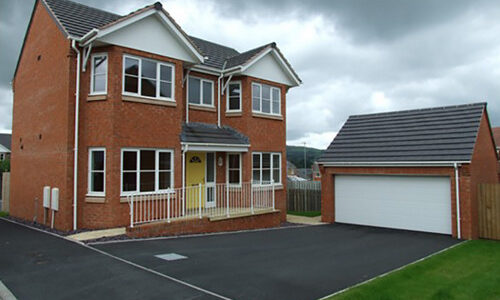
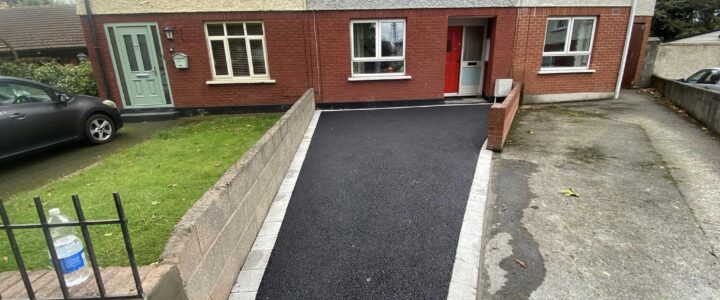
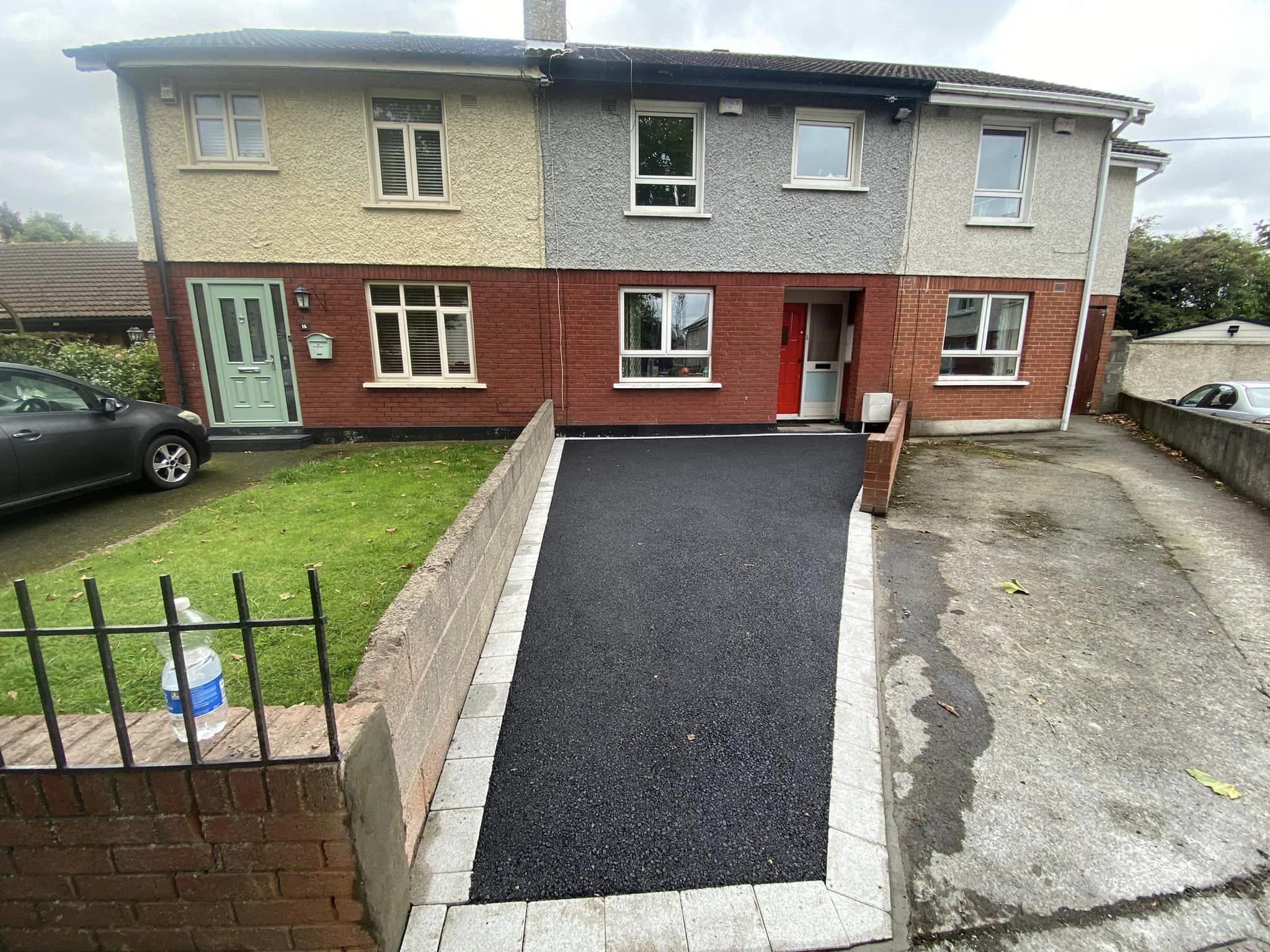
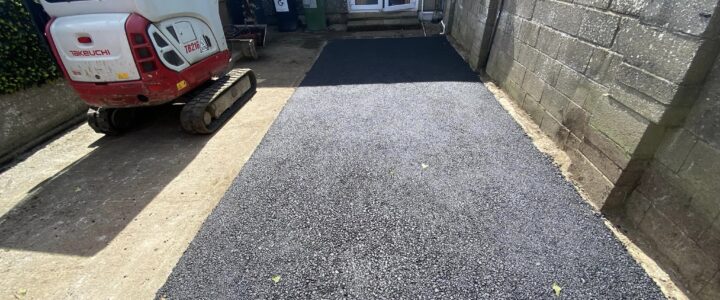
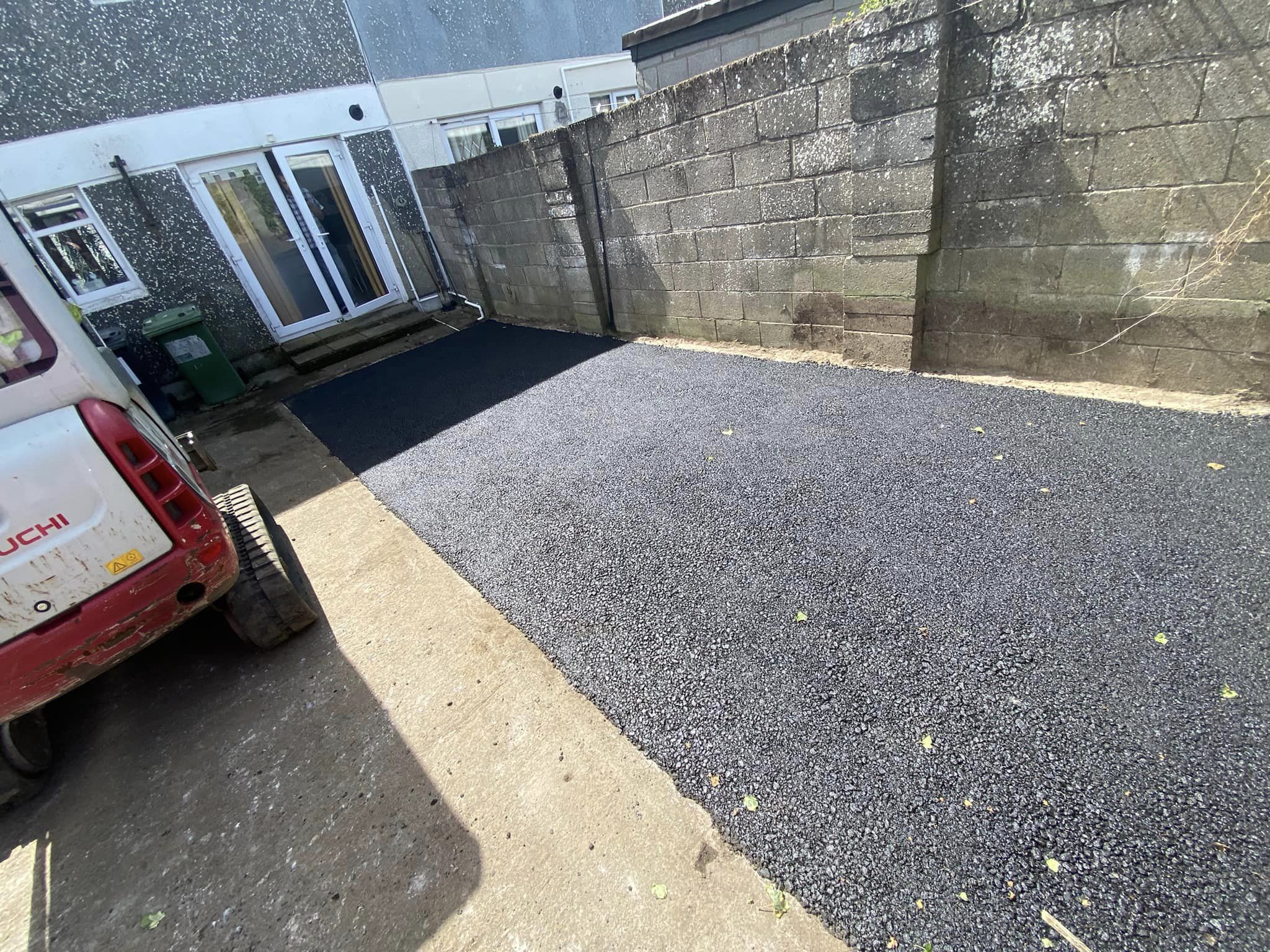
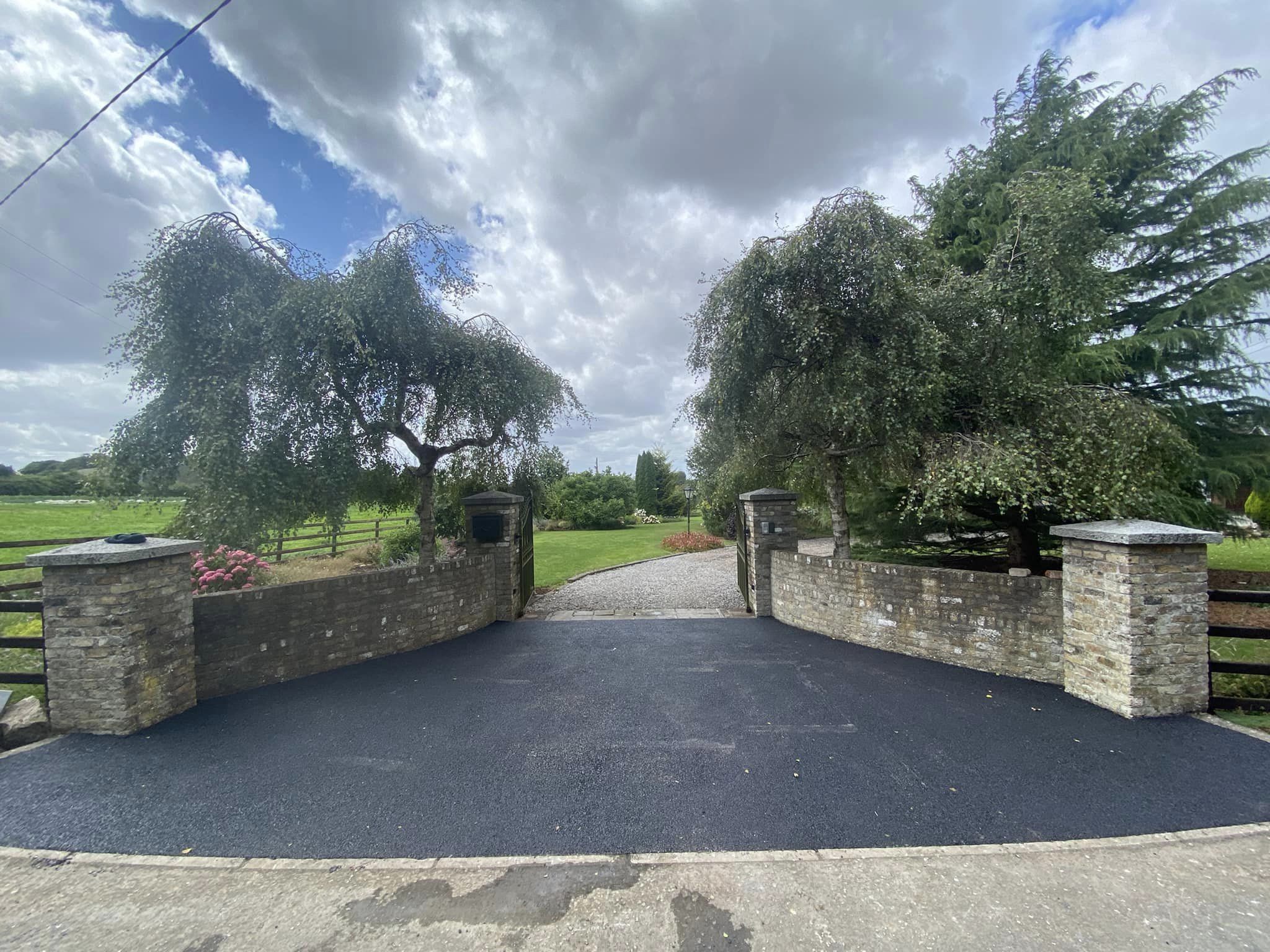
Large Driveway Resurfaced with Sma Tarmac

Large Driveway Resurfaced with Sma Tarmac

Cracks, fading, and potholes can make your driveway look worn and unkempt, but a full replacement isn’t always necessary. With Dublin’s unpredictable weather and constant use, tarmac driveways naturally deteriorate over time. The good news? Tarmac driveway resurfacing offers a cost-effective way to restore its smooth finish and durability—without the expense and hassle of a complete replacement.

In this guide, we’ll explore why resurfacing could be the smartest choice for giving your Dublin driveway a fresh new look.

What Is Tarmac Driveway Resurfacing?

Tarmac driveway resurfacing involves adding a new layer of tarmac over your existing driveway to restore its condition and extend its lifespan. Unlike a full replacement, which requires digging up the old driveway and laying a completely new base, resurfacing works with your existing surface, making it a quicker and more cost-effective solution.

The resurfacing process typically includes:

• Cleaning and preparing the existing driveway.

• Repairing minor cracks and holes.

• Applying a fresh layer of tarmac.

• Compacting and sealing the surface for longevity.

If your driveway is structurally sound but looking worn, resurfacing can provide a fresh, durable finish at a fraction of the cost of full replacement.

Cost Comparison: Resurfacing vs. Full Replacement

For many Dublin homeowners, cost is a significant factor when considering driveway repairs.

Tarmac driveway resurfacing costs between €45 and €80 per square metre, depending on factors like driveway size, current condition, and additional repairs required.

• Full driveway replacement can range from €60 to €120 per square metre, as it involves excavation, removal of old materials, and a completely new foundation.

By choosing resurfacing, you could save up to 50% compared to a full replacement, making it a more budget-friendly option.

Key Benefits of Tarmac Driveway Resurfacing

1. More Affordable Than Full Replacement

Since resurfacing uses your existing base, you avoid the high costs associated with excavation, new materials, and extensive labour. This makes it one of the most cost-effective ways to improve your driveway’s appearance and functionality.

2. Faster Installation with Minimal Disruption

Replacing a driveway can take several days or even weeks, depending on its size and complexity. Tarmac resurfacing, on the other hand, can often be completed within a day or two, allowing you to use your driveway again much sooner.

This is particularly beneficial in Dublin, where frequent rain can delay outdoor projects. A quicker resurfacing job means less risk of weather-related disruptions.

3. Environmentally Friendly Solution

Tarmac resurfacing is a sustainable choice because it reduces waste. By keeping the existing base intact and adding a new layer, you minimise the amount of old materials that end up in landfills. Additionally, tarmac itself is recyclable, further reducing its environmental impact.

4. Improves Aesthetic Appeal and Property Value

A worn or cracked driveway can make your home look neglected. Resurfacing restores your driveway’s smooth, black finish, instantly improving kerb appeal. A well-maintained driveway can also increase your property’s value, making it a smart investment if you plan to sell in the future.

5. Extends the Lifespan of Your Driveway

Regular maintenance and resurfacing can add another 10–15 years to your driveway’s lifespan. Applying a fresh layer of tarmac protects the underlying surface from further damage, preventing the need for more costly repairs down the line.

How to Know If Your Driveway Is Suitable for Resurfacing

Resurfacing a tarmac driveway is an excellent solution in many cases, but it’s not suitable for every situation. Here’s how to tell if it’s the right option for you:

Resurfacing is ideal if:

• Your driveway has minor cracks and surface wear.

• The base foundation is still solid and stable.

• You want a cost-effective way to refresh the look of your driveway.

Full replacement may be necessary if:

• Your driveway has deep potholes or widespread cracks that go through the base layer.

• The foundation has weakened due to poor drainage or heavy load damage.

• The surface has become uneven due to subsidence or shifting ground.

If you’re unsure, consulting a professional can help determine whether resurfacing or full replacement is the best choice for your driveway.

Maintaining Your Resurfaced Tarmac Driveway

To ensure your newly resurfaced driveway stays in top condition, follow these maintenance tips:

Keep It Clean: Remove dirt, debris, and oil spills regularly.

Apply a Sealant: Sealing your tarmac every 3–5 years helps protect it from water damage and UV exposure.

Avoid Heavy Loads: Large, heavy vehicles can cause indentations or cracks over time.

Fix Small Issues Quickly: If cracks or holes appear, address them promptly to prevent further damage.

Why Hire a Professional for Tarmac Driveway Resurfacing in Dublin?

While some homeowners may consider DIY resurfacing, hiring a professional ensures a durable, high-quality finish. Here’s why:

Proper Surface Preparation: Professionals assess your driveway’s condition and make necessary repairs before resurfacing.

High-Quality Materials: Experts use top-grade tarmac and sealants for long-lasting results.

Precision and Efficiency: A skilled contractor ensures even application, proper drainage, and a smooth finish.

When choosing a contractor, look for one with experience in Dublin, positive customer reviews, and a clear breakdown of costs and services.

In conclusion, if your driveway is showing signs of wear but still has a solid foundation, tarmac driveway resurfacing is a cost-effective, quick, and environmentally friendly solution. It provides a fresh, durable surface without the expense and hassle of a full replacement.

Beyond aesthetics, resurfacing also protects your driveway from further damage caused by Dublin’s unpredictable weather and daily wear and tear. Investing in resurfacing now can prevent more costly repairs in the future, ensuring your driveway remains in excellent condition for years to come.

Is your driveway due for a refresh? Tarmac driveway resurfacing can restore its look and durability without the cost of a full replacement. Get in touch with a trusted professional today for an assessment and quote. Call us at (01) 4851582 | 0852139591 or click here to reach us!


Tarmac Driveways for Commercial Properties: A Smart Investment for Your Dublin Businesses

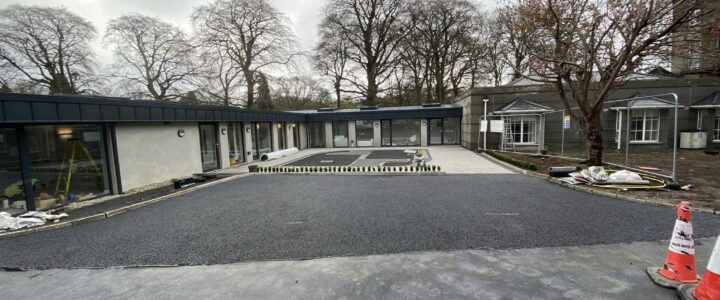
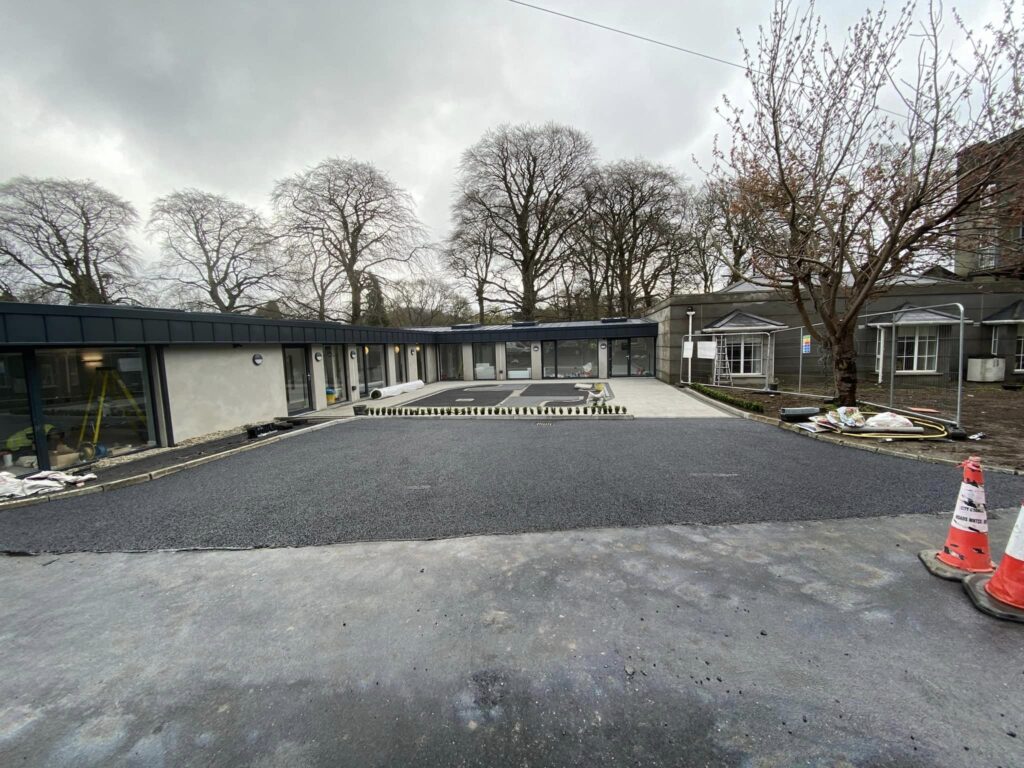
Tarmac car park completed in Dublin

Tarmac car park completed in Dublin

When it comes to running a successful business in Dublin, first impressions count. The exterior of your property, including the driveway, is often the first thing your customers, clients, and employees notice. If your driveway is worn, uneven, or simply outdated, it might be time for an upgrade. Tarmac driveways for commercial properties are a smart investment that combines durability, cost-effectiveness, and visual appeal to elevate your business.

Why Your Driveway Matters for Your Business

Your driveway does more than provide access to your property—it sets the tone for your business. A clean, well-maintained driveway enhances curb appeal, making your business look professional and inviting. This can directly influence a customer’s perception of your brand and even increase foot traffic.

From a practical standpoint, a smooth tarmac driveway ensures vehicles can enter and exit with ease, whether they’re delivery trucks or customer cars. For businesses like retail outlets, office parks, or warehouses, a functional driveway reduces bottlenecks and keeps operations running smoothly. It also boosts your property’s resale value—a win-win for your business.

A polished driveway also signals attention to detail and care—qualities that customers and clients often associate with the services or products your business provides. A poorly maintained driveway, on the other hand, can create a negative impression, potentially deterring customers from even stepping through your doors.

What Makes Tarmac Driveways a Smart Choice for Commercial Properties?

Tarmac driveways are a popular choice for commercial properties, and for good reason:

  • Durability: Tarmac is designed to withstand heavy loads and frequent use, making it ideal for areas with high traffic. Whether you manage a bustling retail space or a busy logistics centre, tarmac can handle the pressure.
  • Affordability: Compared to alternatives like concrete or paving stones, tarmac is cost-effective both in terms of installation and maintenance. This makes it a practical choice for businesses looking to maximise their budget.
  • Weather Resistance: Dublin’s unpredictable weather, from rain to frost, can be tough on driveways. Tarmac’s flexibility and resilience help it endure these conditions without cracking or deteriorating.
  • Quick Installation: Tarmac can be laid and set relatively quickly, reducing downtime for your business. Professional contractors can often complete projects within days, depending on the size of the area.
  • Aesthetics: A sleek black tarmac driveway provides a professional and polished look, instantly elevating your property’s appearance.

Planning and Installing Commercial Tarmac Driveways

The key to a successful tarmac driveway project lies in proper planning and professional installation. Here’s what you need to consider:

  1. Assess Your Needs: Consider the size of your property, expected traffic, and specific requirements like drainage systems. For example, a retail car park will have different needs compared to a warehouse loading area.
  2. Choose the Right Contractor: Hire experienced professionals who specialise in tarmac driveways. They will ensure the project is completed to a high standard. Look for contractors with positive reviews and a portfolio of commercial projects.
  3. Minimise Disruption: Schedule the installation during off-peak hours or slower business periods to avoid disrupting your operations. Most contractors can work around your schedule to keep your business running smoothly.
  4. Compliance with Regulations: Ensure your driveway meets local planning and safety regulations. A professional contractor can help you navigate these requirements.

During installation, the contractor will likely prepare the ground by clearing debris and ensuring a stable foundation. This step is crucial for preventing future issues like uneven surfaces or drainage problems. Once the base is ready, layers of tarmac are applied and compacted, creating a smooth and durable finish.

Long-Term Maintenance Tips for Tarmac Driveways

A well-maintained tarmac driveway can last for decades, making it a sound investment. Follow these tips to keep it in top condition:

  • Regular Cleaning: Remove debris, leaves, and dirt to prevent them from settling into the surface. Cleaning also prevents the growth of moss and weeds, which can weaken the tarmac.
  • Inspect for Damage: Check for cracks or potholes regularly and repair them promptly to avoid further deterioration. Addressing small issues early can save you from costly repairs later.
  • Sealcoating: Applying a sealant every few years protects the tarmac from UV damage and water infiltration. Sealcoating also enhances the driveway’s appearance, keeping it looking fresh and new.
  • Prevent Heavy Loads: While tarmac is durable, distributing heavy loads evenly can prevent indentations or weakening over time. Encourage delivery drivers to use designated parking areas.
  • Winter Care: During icy conditions, use salt sparingly to avoid damage to the tarmac. Instead, opt for grit or sand to improve traction without compromising the surface.

How Tarmac Driveways Support Sustainability

In addition to being practical, tarmac driveways offer environmental benefits:

  • Recyclable Material: Tarmac can be recycled, reducing waste and conserving resources. When old tarmac driveways are removed, the material is often repurposed for new projects.
  • Porous Options: Opting for porous tarmac enhances water drainage, helping to manage rainwater sustainably and reduce flooding risks. This is particularly beneficial in Dublin, where heavy rains are common.
  • Longevity: A properly installed and maintained tarmac driveway requires fewer repairs, minimising waste and energy consumption over its lifespan. This long-term durability also translates to cost savings for your business.

By choosing tarmac, you’re making an environmentally conscious decision that aligns with modern sustainability goals—an attractive feature for eco-minded customers and partners.

Investing in a tarmac driveway for your commercial property in Dublin is more than just a practical decision—it’s a strategic move to enhance your business’s image, functionality, and sustainability. A properly maintained driveway not only boosts curb appeal but also ensures smooth operations, making it an invaluable asset for your property.

Whether you’re welcoming customers to a retail store, managing deliveries at a warehouse, or creating a professional environment at an office park, a tarmac driveway is a reliable and cost-effective solution. Plus, with its environmental benefits and long lifespan, it’s an investment that pays off for years to come.

Ready to take the next step? Consult with a trusted tarmac contractor in Dublin today and see the difference a professional driveway can make for your business. Our team is available to address your queries and concerns. Call us at (01) 4851582 | 0852139591 or click here to reach us today. Your journey to a better driveway starts here!

Save Money: Expert Tips on Managing Tarmac Contractor Costs in Dublin

driveways dublin cost

driveways dublin cost

When planning a tarmac driveway project in Dublin, managing costs effectively can feel challenging, especially with rising prices for materials and labour. However, with some foresight and the right approach, creating a high-quality, durable driveway is possible without breaking the bank.

The key lies in understanding where your money goes and knowing which factors you can control to maximise value. By breaking down the components of tarmac contractor costs in Dublin, you can spot areas to save without sacrificing quality.

Understanding Tarmac Contractor Costs in Dublin

 Before diving into savings, it helps to understand what drives tarmac contractor prices. Materials, labour, site preparation, and project size are core components of the final cost. For instance, quality materials like high-grade tarmac may be pricier upfront but often reduce maintenance costs in the long run. The type of aggregate, binder, and additives used can also affect durability, with higher-quality options offering better resistance to weather and wear.

Labour expenses are another significant factor, as contractors in Dublin typically price work based on the project’s complexity and scale. Larger driveways or those with intricate designs may require additional time and resources, leading to higher labour costs. Furthermore, site preparation—such as clearing, levelling, or adding a base layer—can increase the price, especially if the area is difficult to access or has specific drainage requirements.

Additionally, Dublin-specific regulations and fees can impact your budget. Some areas may require permits, particularly for larger projects or if the driveway connects to public pathways or streets. Compliance with these rules may add to the timeline and budget, as may the need for specialised drainage solutions in areas prone to flooding.

Understanding these cost elements puts you in a better position to assess quotes, ask relevant questions, and manage expectations from the outset. A well-informed approach not only gives you control over the budget but also ensures a durable and functional driveway that meets regulatory standards and your personal preferences.

Large Driveway Resurfaced with Sma Tarmac

Common Mistakes to Avoid in Driveway Cost Management

Many homeowners unintentionally increase costs by making common mistakes, often due to a lack of clear project planning. One frequent error is skipping detailed estimates. A thorough estimate should cover materials, labour, waste disposal, and extras. Without a clear breakdown, you risk hidden costs or unexpected charges once work begins.

Another common pitfall is overlooking permit requirements. As mentioned, permits are essential for driveway construction in some Dublin areas. This is particularly true for projects that impact public areas or require specific drainage solutions. Failing to secure permits can lead to fines or even project delays. Discussing these requirements with your contractor beforehand can prevent costly surprises down the line.

Choosing the lowest bid without considering quality is another common mistake. While a low quote may seem appealing, it can often mean compromises on workmanship or materials, leading to higher maintenance and repair costs over time. Selecting a contractor with a fair price and a solid reputation ensures better value and a durable driveway that requires fewer repairs in the future.

By avoiding these common mistakes—prioritising detailed estimates, addressing permits early, and choosing quality over the lowest price—you can prevent unexpected costs and ensure a smoother, more cost-effective driveway project that stands the test of time.

Tarmac car park completed in Dublin

Expert Tips on Managing Tarmac Contractor Costs in Dublin

Define Your Project Scope

 A clearly defined project scope helps you avoid unnecessary expenses. Start by measuring your driveway area and deciding on specific features or requirements. For instance, let your contractor know if you only need a basic driveway without intricate borders or patterns. Detailed specifications help contractors offer accurate estimates and avoid surprises once work begins.

Additionally, knowing exactly what you want can prevent changes during the project, which often incur additional costs. By being transparent and upfront, you save money and give your contractor the best chance to deliver the results you expect within budget.

Choose the Right Contractor

Selecting the right driveway paving contractor is one of the most impactful cost management decisions. Researching and comparing contractors is time well spent. Read reviews, ask for references, and check their credentials. Reputable contractors may cost more initially but often provide better results and fewer issues, which saves you money on repairs in the long term.

It’s also wise to request multiple quotes. Getting a range of prices allows you to see the average cost in Dublin for your project and better identify contractors who offer value for money. Remember, a quality contractor can make the difference between a durable driveway and one that requires constant maintenance.

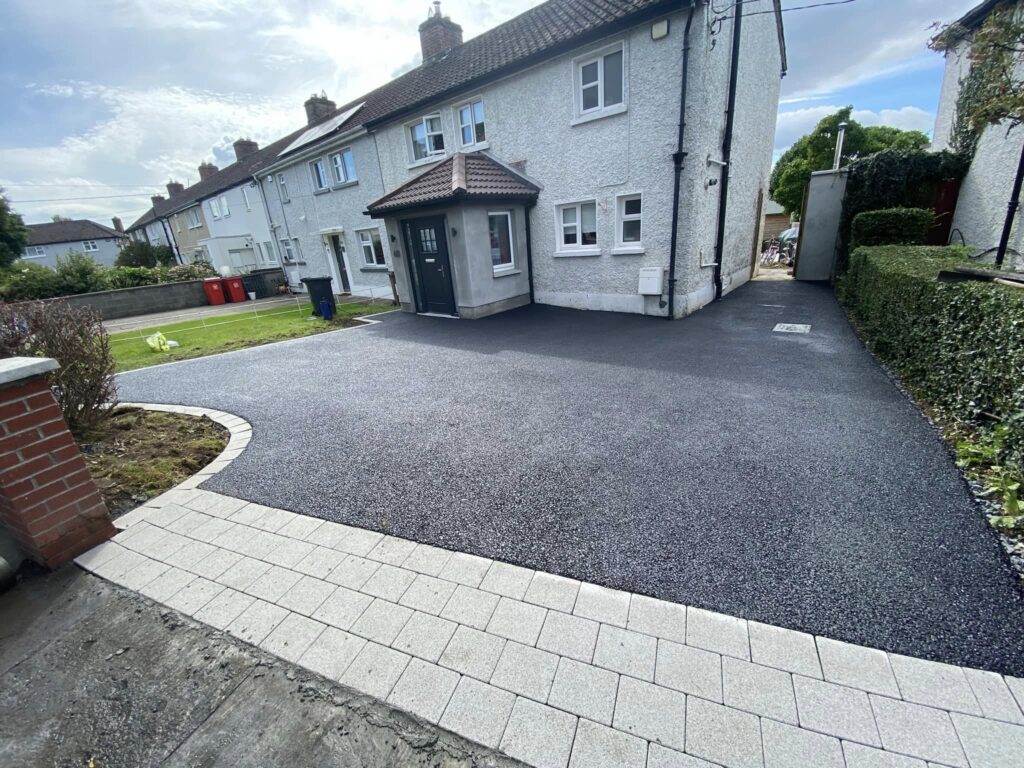
Tarmac driveway completed in Ballymun North Dublin with granite border 02

Set a Realistic Budget with a Contingency

Budgeting is essential for keeping your project manageable and stress-free. Set a realistic budget based on the quotes you receive and factor in a contingency—usually around 10-15%—to cover unexpected expenses. This buffer can help you handle unforeseen costs, such as additional materials, minor site adjustments, or weather-related delays, without straining your finances.

Explore Financing Options

For larger projects, consider exploring financing options. Some contractors offer payment plans, allowing you to spread the cost over time, and local banks or credit unions may provide low-interest loans for home improvement projects. Financing can make your tarmac project more affordable, giving you flexibility and reducing the need for an upfront lump-sum payment.

Opt for Cost-Effective Material Choices

When choosing materials, consider options that offer durability without inflating costs. Recycled tarmac is an eco-friendly, cost-effective choice that can help reduce overall expenses. It has similar durability to new tarmac but often comes at a lower price, making it a smart choice for budget-conscious projects.

However, don’t compromise too much on quality. Low-quality materials might save you upfront but could lead to higher maintenance or replacement costs in the future. Consult with your contractor to balance cost with quality and select materials that suit both your budget and your driveway’s needs.

Plan for Off-Peak Seasons

 Timing your project can have a significant impact on cost. Tarmac contractors in Dublin tend to be busier in spring and summer when demand is higher, which often increases prices. By scheduling your project for an off-peak season, like late autumn or early winter, you may secure a better rate as contractors look to fill their schedules.

Additionally, choosing a quieter time means contractors can spend more time and attention on your project. This can lead to higher-quality work and fewer issues, helping you save on immediate and long-term costs.

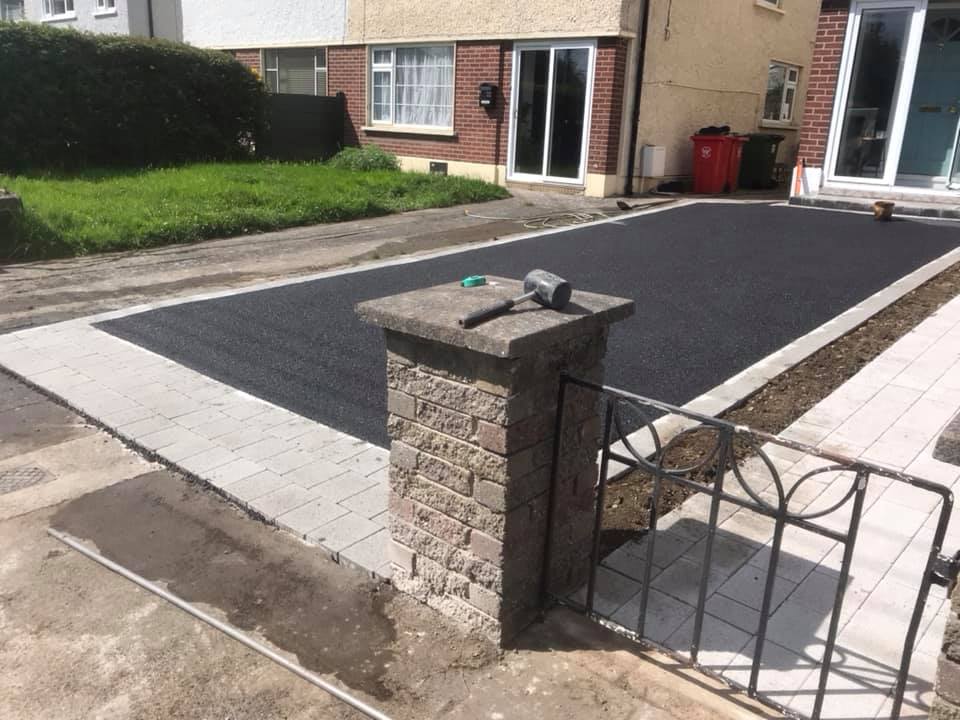
Tarmac Driveway with Silver Granite Border 4

Commit to Regular Maintenance

Routine maintenance keeps your tarmac driveway in good shape, reducing the need for expensive repairs. Sealing the tarmac every few years prevents water from seeping into cracks, a leading cause of damage during freeze-thaw cycles. Regular cleaning, particularly in high-traffic areas, also helps by removing dirt and debris that can wear down the surface.

Addressing minor issues as they arise is far cheaper than waiting until significant repairs are needed. By committing to regular maintenance, you prolong the life of your driveway, ensuring your investment provides value over the long term.

Avoid Unnecessary Add-Ons

While decorative borders, colour tints, or intricate patterns can enhance your driveway’s appearance, they often add considerable expense. If your primary goal is functionality, consider skipping extras that may not add practical value. Your contractor may suggest add-ons to improve the look but don’t feel obligated to say yes, especially if you’re working within a strict budget.

Discuss your priorities with your contractor and clarify any optional features to ensure they align with your goals. Sticking to your project’s essential requirements helps prevent cost overruns and ensures you stay within budget.

In conclusion, managing tarmac contractor costs in Dublin doesn’t have to be complicated. By understanding project costs, choosing the right contractor, and following these expert tips, you can keep your expenses under control without sacrificing quality. From budgeting and material choices to timing and maintenance, each step plays a role in ensuring a durable, cost-effective driveway that enhances your home for years.

Take time to research, plan, and ask questions. With a bit of preparation, you can make confident, budget-friendly decisions that meet your needs and create a beautiful, lasting tarmac driveway.

Ready to get started on your driveway project while keeping tarmac contractor costs in Dublin under control? With these expert tips and the right contractor, you can achieve a durable, budget-friendly driveway. Call us on 014851582 to discuss your project and receive a tailored quote that meets your needs and budget!