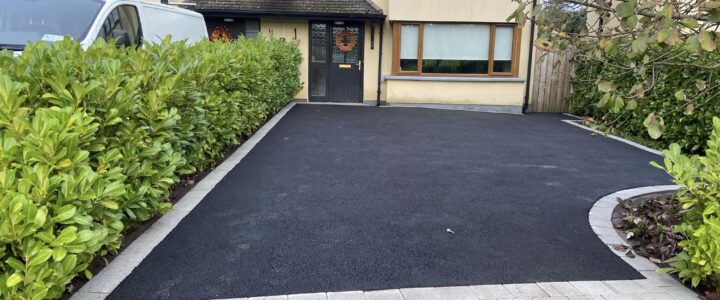
Thinking about upgrading your driveway in County Cavan? The right surface can transform kerb appeal, reduce maintenance, and increase property value. From tarmac to resin and imprint concrete, here’s everything Cavan homeowners need to know before investing.
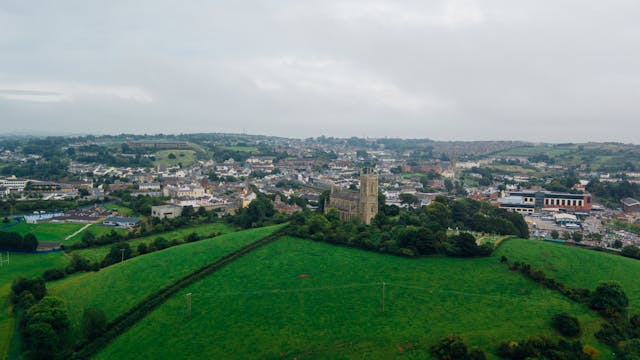
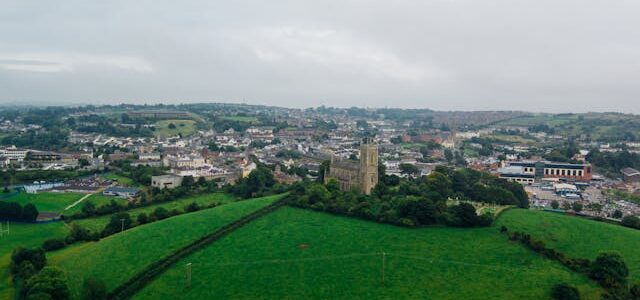
Whether you’re in Cavan town or further afield in Bailieborough, Virginia, Kingscourt, Cootehill, Belturbet, Ballyconnell, Killeshandra, Shercock, Arva or Blacklion, choosing the right driveway surface matters.
Let’s break it down clearly.
What Is the Best Driveway Type for Homes in County Cavan?
The best driveway for Cavan homes depends on budget, drainage, traffic levels, and desired appearance. Tarmac and SMA handle wet weather well, resin offers modern kerb appeal, tar & chip suits rural properties, and imprint concrete delivers decorative durability.
Cavan’s climate means heavy rainfall, frost cycles, and rural access lanes must all be considered. A driveway here needs:
- Strong base preparation
- Proper drainage planning
- Weather-resistant materials
- Professional installation
Cut corners and you’ll pay for it later.
Is Tarmac a Good Driveway Choice in Cavan?
Tarmac is one of the most popular driveway surfaces in Cavan due to its durability, affordability, and ability to withstand wet and cold Irish weather. It offers a smooth, traditional finish and suits both urban and rural properties.
What Are the Pros of Installing a Tarmac Driveway in Cavan?
- Cost-effective installation
- Quick to lay
- Flexible in frost conditions
- Clean, classic appearance
Tarmac is a reliable, practical solution for homeowners who want performance without stretching their budget.
What Are the Cons of a Tarmac Driveway in Irish Weather?
- Requires resealing over time
- Not permeable
- Can fade with UV exposure
While dependable, tarmac does need periodic maintenance to keep it looking sharp and prevent surface wear.
How Much Does a Tarmac Driveway Cost in Cavan?
€45–€75 per m² depending on site preparation, excavation depth, drainage requirements, driveway size, edging finishes, and overall thickness of the surface layer.
Larger driveways typically reduce the per-square-metre cost, while complex access or poor ground conditions may increase it.
Are SMA Driveways Worth the Extra Investment in Cavan?
SMA (Stone Mastic Asphalt) is a premium version of asphalt that lasts longer and resists rutting better than standard tarmac. It is ideal for high-use driveways and rural Cavan homes exposed to harsh weather.
What Are the Advantages of Choosing an SMA Driveway?
- 20–30 year lifespan
- Superior grip in wet conditions
- More resistant to cracking
- Stronger under heavy vehicles
SMA is designed for durability and performs exceptionally well in Ireland’s wet and cold climate.
What Are the Potential Drawbacks of SMA Driveways?
- Higher upfront cost
- Requires skilled installation
Although the initial investment is higher, many homeowners find the reduced repair costs worthwhile.
What Does an SMA Driveway Cost in County Cavan?
€55–€85 per m² depending on the depth of base preparation, reinforcement required, traffic load expectations, edging detail, and the condition of the existing ground.
Because SMA is a premium material, proper installation and base preparation are critical to maximise its lifespan.
Is Resin a Smart Choice for Cavan Homeowners?
Resin driveways offer a decorative, modern finish with excellent durability and low maintenance. They are particularly popular in Cavan estates and newly built homes.
What Are the Benefits of Resin Driveways in Cavan?
- Wide range of colours
- Smooth, attractive finish
- Weed-resistant
- Long lifespan (20+ years)
Resin enhances kerb appeal and provides a premium aesthetic that stands out.
What Are the Disadvantages of Resin Driveways?
- Higher upfront cost
- Needs solid base
- Not ideal over weak foundations
Professional installation and a strong sub-base are essential for longevity.
How Much Does a Resin Driveway Cost in Cavan?
€60–€100 per m² depending on aggregate choice, colour blend, base condition, drainage work required, and whether the existing surface can be reused.
Premium UV-stable resins and decorative stone blends sit at the higher end of the pricing scale.
Why Do Rural Cavan Homes Choose Tar & Chip Driveways?
Tar and chip driveways are affordable, textured, and blend naturally with countryside properties. They are especially common in long rural lanes across West and North Cavan.
What Are the Advantages of Tar & Chip Driveways?
- Budget-friendly
- Excellent traction
- Rustic appearance
- Great for long driveways
Tar & chip is particularly suited to agricultural and countryside settings.
What Are the Downsides of Tar & Chip Driveways?
- Shorter lifespan (10–15 years)
- Less smooth finish
- May require occasional re-chipping
While economical, it may not suit homeowners seeking a polished finish.
How Much Does a Tar & Chip Driveway Cost in Cavan?
€35–€60 per m² depending on lane length, stone chip selection, number of layers applied, access conditions, and the stability of the base.
Long rural driveways often benefit most from tar & chip due to its cost efficiency over larger areas.
Is Pattern Imprinted Concrete Suitable for Cavan Weather?
Pattern imprinted concrete provides the look of cobble or brick with the strength of a single poured slab. When properly sealed, it performs well in Ireland’s wet climate.
What Are the Benefits of Imprint Concrete Driveways?
- Decorative finish
- No weeds between joints
- Very durable
- Low maintenance
It delivers high-end kerb appeal with structural strength.
What Are the Drawbacks of Imprint Concrete Driveways?
- Can be slippery without anti-slip seal
- Requires resealing every few years
- Higher repair cost if cracked
Maintenance sealing is important for longevity and safety.
How Much Does Pattern Imprinted Concrete Cost in Cavan?
€70–€110 per m² depending on pattern complexity, colour hardener choice, excavation depth, reinforcement needs, and site access.
Decorative borders, multi-colour finishes, and anti-slip sealers can increase overall project cost.
Do You Need Planning Permission for a New Driveway in County Cavan?
In most cases, you do not need planning permission for a new or replacement driveway in County Cavan. However, drainage regulations and permeable surface requirements may apply.
You may need permission if:
- Your home is a listed building
- You are in a conservation area
- Drainage impacts public roads
Always check with Cavan County Council if unsure.
Which Driveway Adds the Most Value to a Cavan Home?
Resin and imprint concrete typically add the most visual value, while SMA adds practical long-term value. The best return depends on your property style and location.
For example:
- Estate homes in Cavan town often suit Resin, Tarmac or SMA.
- Rural homes near Belturbet or Ballyconnell benefit from tar & chip or SMA.
- High-end properties may favour imprint concrete.
The key is matching the driveway to the property style.
Frequently Asked Questions About Driveways in County Cavan
Choosing the right driveway in Cavan involves balancing cost, durability, and appearance. These answers help homeowners make confident, informed decisions.
How much does a new driveway cost in Cavan?
Driveway costs in Cavan typically range from €35 to €110 per m² depending on the material. Tar & chip is the most affordable, while resin and imprint concrete sit at the premium end due to finish and longevity.
Which driveway lasts the longest in Irish weather?
SMA and asphalt driveways tend to last the longest in Irish conditions, often reaching 25–30 years with proper maintenance. Resin and imprint concrete also offer strong durability when installed correctly.
What is the cheapest driveway option in Cavan?
Tar and chip is usually the most cost-effective driveway solution in Cavan, especially for long rural lanes. Gravel can be cheaper initially but requires more ongoing maintenance.
Is resin better than tarmac in Cavan?
Resin is better for appearance and low maintenance, while tarmac is more budget-friendly and durable for heavy use. The better option depends on your budget and design preference.
Does a new driveway increase property value?
Yes. A professionally installed driveway improves kerb appeal, functionality, and buyer perception, often increasing resale value—especially in competitive Cavan property markets.
Ready to Upgrade Your Driveway in County Cavan?
Imagine pulling into a driveway that looks flawless, drains properly, and stands up to Irish winters without cracking.
New Style Driveways installs tarmac, SMA, resin, tar & chip, and imprint concrete throughout County Cavan.
What if this was the last driveway you ever needed?
Get your free site visit and quote today.
Royalty free Image from Pexels to support content Developed by 3R

 Yes, there is a cost difference between asphalt and tarmac driveways. Tarmac is generally cheaper to install, especially for smaller areas, while asphalt costs more upfront but offers better long-term value due to its durability and lower maintenance needs.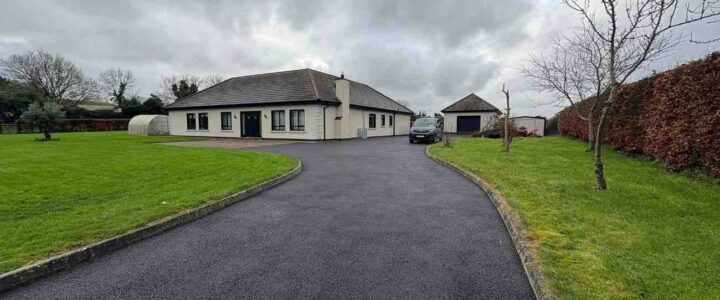
 Choosing the right driveway material for your Irish home in 2026 depends on durability, cost, maintenance, and appearance. Resin and SMA offer long-term value and modern finishes, while asphalt and tarmac provide quicker, more affordable installation.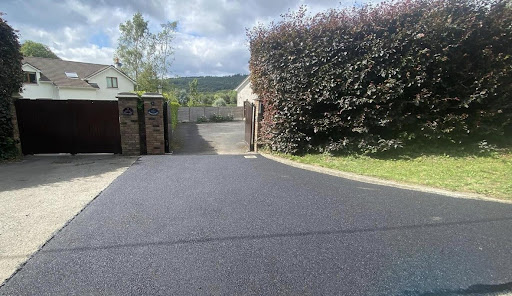
 If you’re planning a new driveway, you’re probably torn between resin and tarmac. One promises style and low maintenance, the other delivers affordability and simplicity. But which is actually better for Irish homes in the long run?
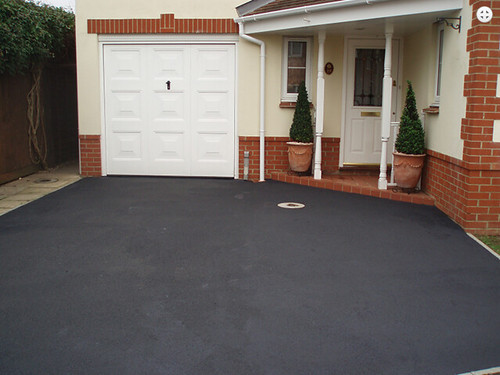
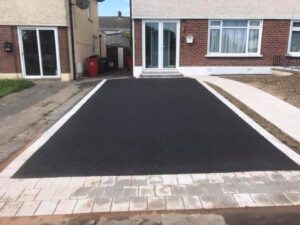
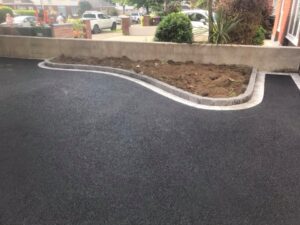
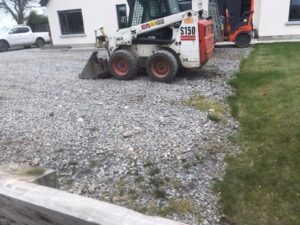
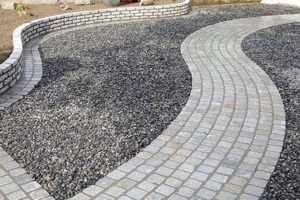
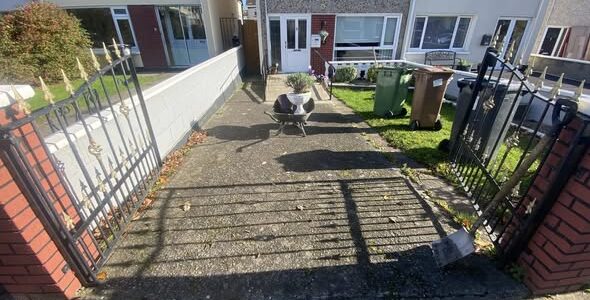
 A new Tarmacadam Driveway Installation Dublin project has just been completed, showcasing high-quality workmanship and durable surfacing. For homeowners looking to upgrade the entrance to their property, a tarmac driveway remains one of the most practical and visually appealing options. Designed to offer long-term strength, a smooth finish, and improved kerb appeal, this latest installation highlights the standards and attention to detail we bring to every job across Dublin and surrounding areas.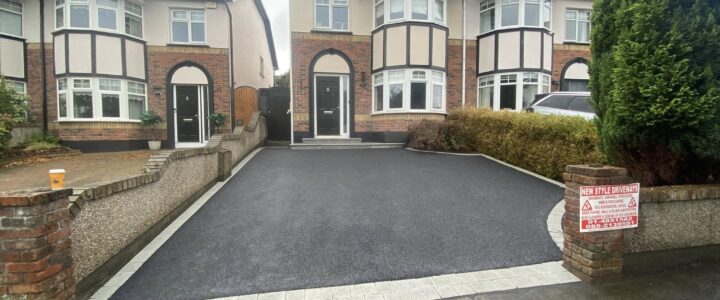
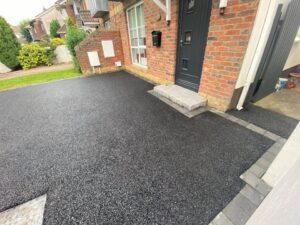
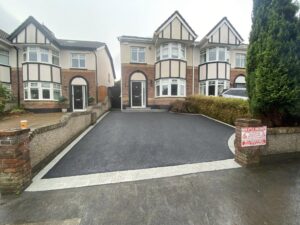 See the incredible transformation of our latest project in Rathfarnham, where we installed a brand-new SMA tarmacadam driveway designed for durability and style. To complete the look, we added a bullnose granite step and a perfectly matching granite border, giving the property an elegant, modern finish. The result? Instant kerb appeal that enhances both aesthetics and property value.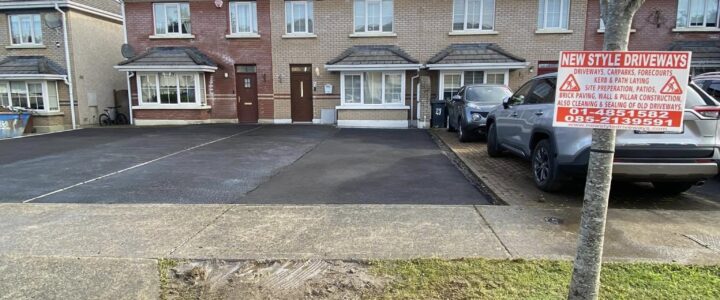
 At New Style Driveways, we’ve just completed two beautiful driveway extensions in Tyrellstown, Dublin, transforming the properties with a durable and stylish finish. Our expert team handled the project from start to finish, ensuring a high-quality result that’s built to last.