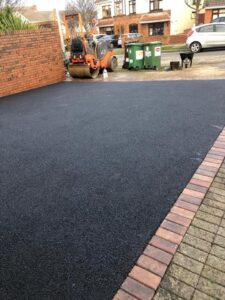
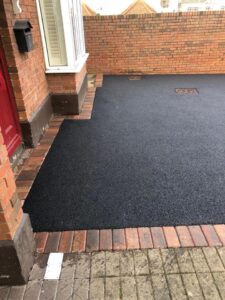
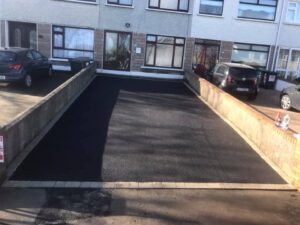
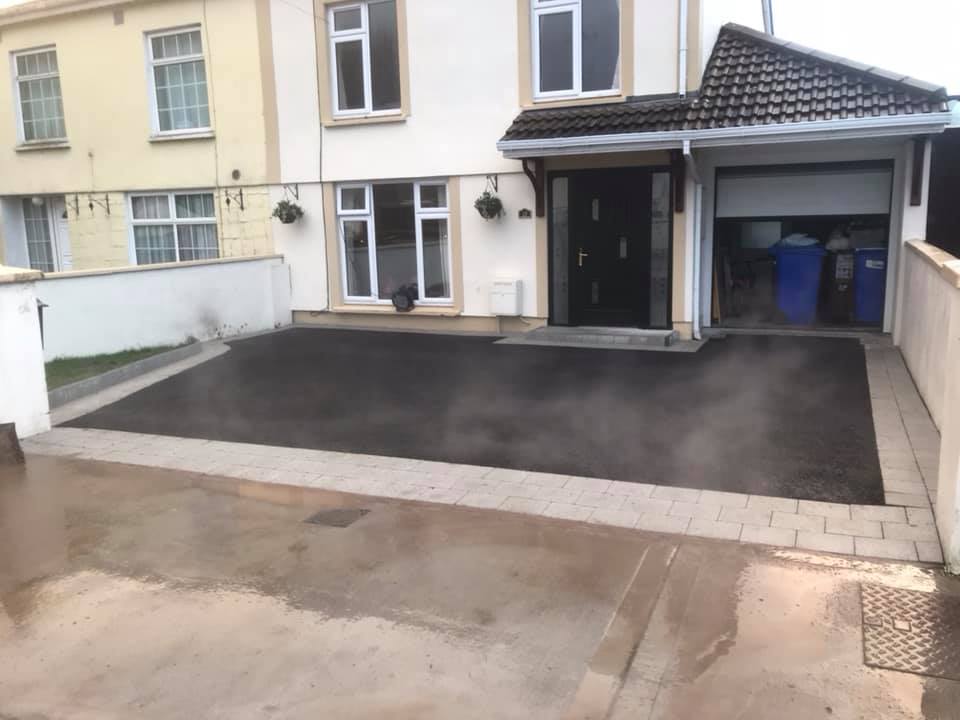
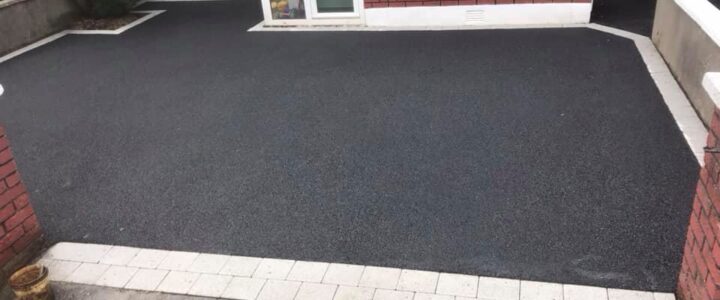
Tarmac driveway completed by our team with Grey border. Sale now on


Tarmac Driveways | Gravel Driveways | Driveway Paving Contractors Dublin
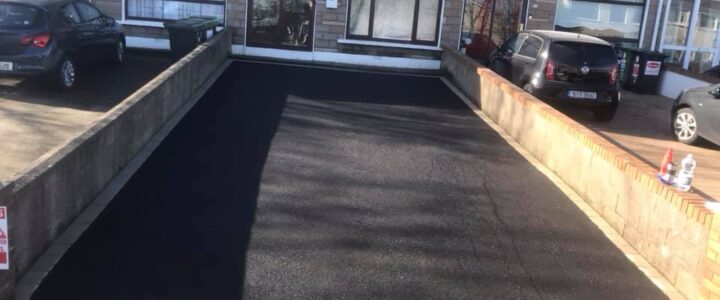
Tarmac driveway completed by our team with Grey border. Sale now on
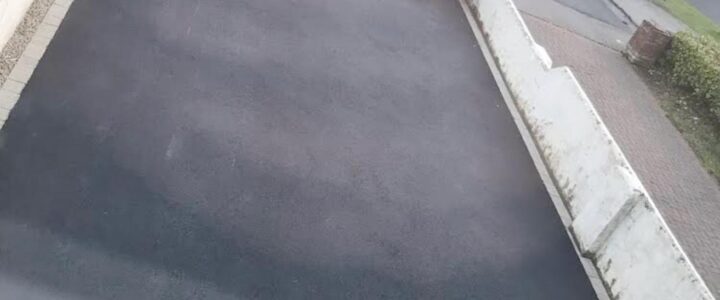
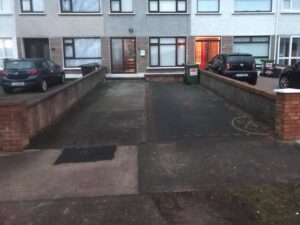
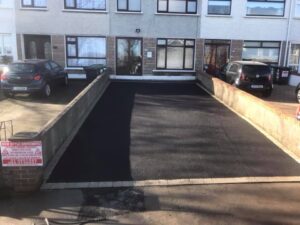
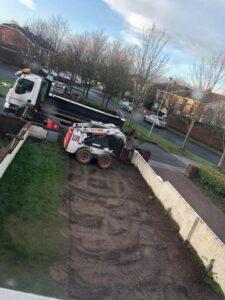
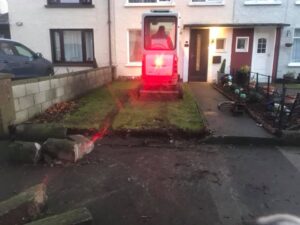
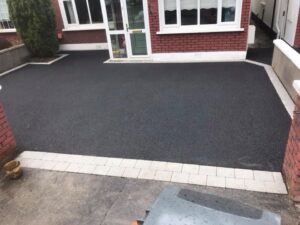
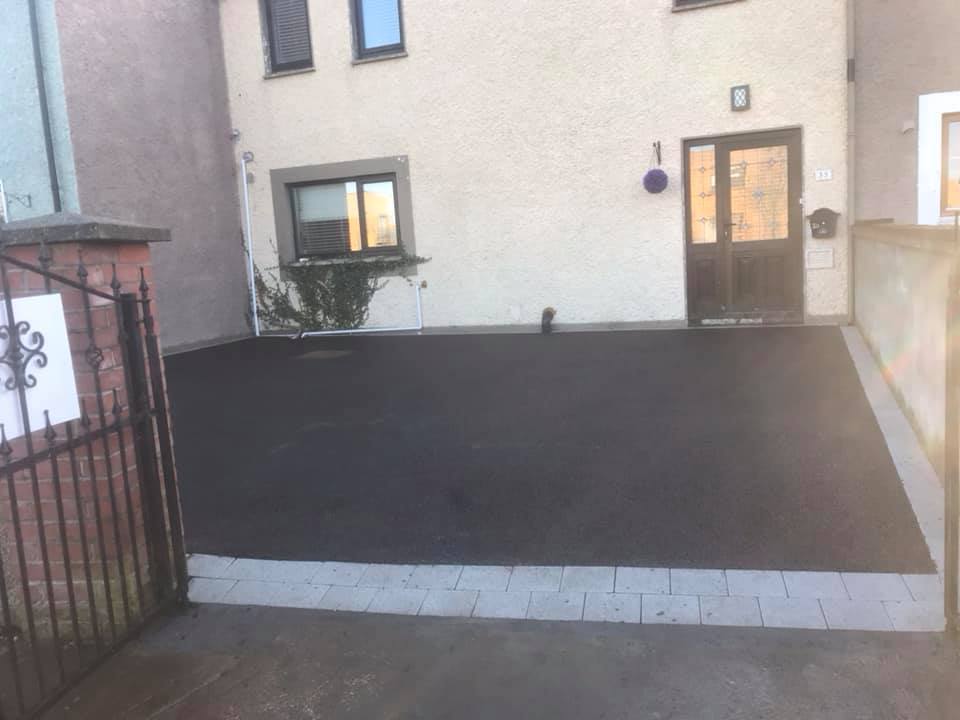
Before and after photos of a tarmac driveway we completed in Lucan Dublin, we removed grass and rubble and put in a new 804 base and a granite border set in concrete and 3 inch sma tarmac and power roller finish ALL WORK FULLY GUARANTEED 
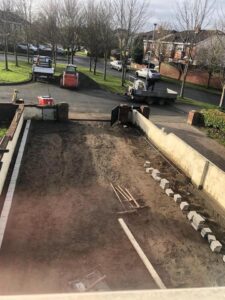
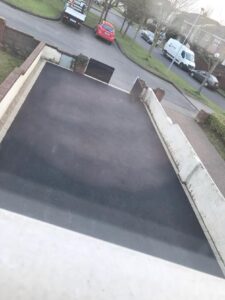
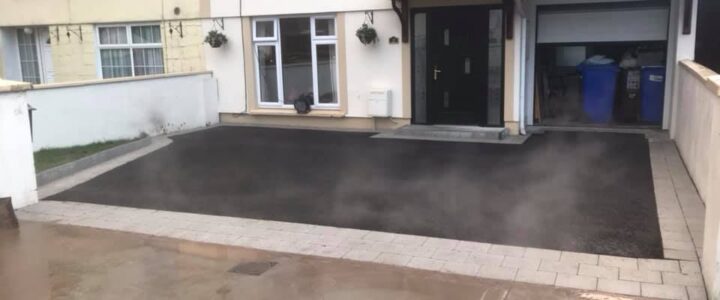
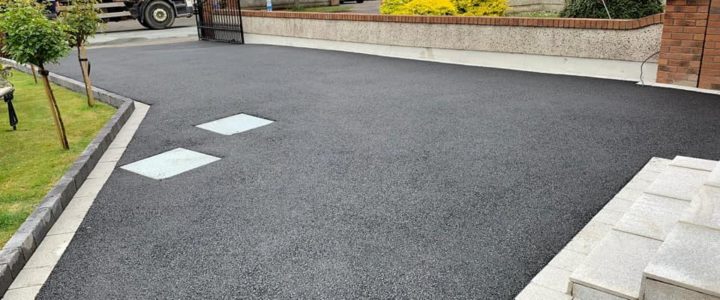
 New tarmac driveway completed with granite border and granite step zero maintenance option
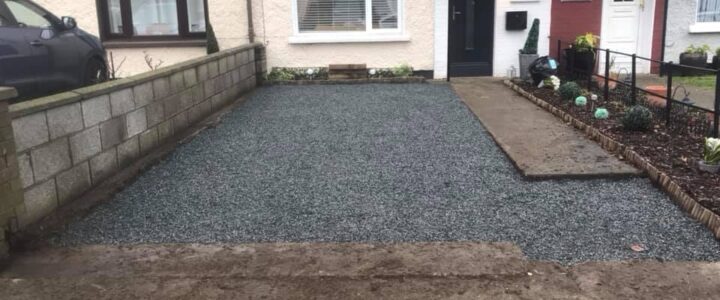
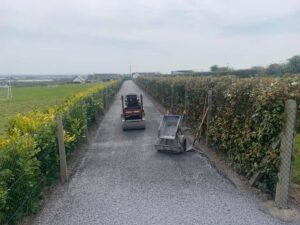
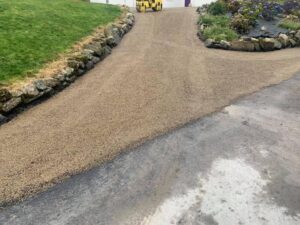
?Small garden taking away and new gravel area for offstreet parking installed cheaper option. Contact us for a free quote ?

A tarmac driveway, like all other types of driveways, gets damaged and worn out over time. To ensure your drive’s longevity, you have to be diligent when it comes to its maintenance. A well-maintained tarmacadam driveway can last 15 to 20 years.
Proper and regular maintenance does not just keep your driveway pristine but also minimises your expenses. It allows you to detect problems before they become severe and more expensive to repair.
If you are unsure on how to keep it in excellent condition, here are some tips on how to maintain tarmac driveways in Dublin.
A good practical solution to maintain this type of driveway is to apply a coat of sealant regularly. It is recommended that you initially apply the sealant a year after it is installed. Then, a new coat should be applied every 1 to 2 years.
What’s the sealant for? It helps your driveway become resistant to damage caused by foreign elements like water, oil, fuel, other fluids, heat and ultraviolet rays. It does not only protect your driveway but also improves its aesthetics, making it look brand new.
During the winter months, the sealant helps snow and ice melt faster, thereby preventing any damage that can be caused by water and ice.
One of the things that can shorten the service life of a tarmac driveway is standing water. While a sealant can make your driveway water resistant, it is still possible for some of the water to seep through.
With lower temperatures, this water will turn into ice and expand which will cause cracks on your driveway. Crevices may also appear due to plants or weeds growing through the small cracks.
So, you have to ensure that your driveway is always clean. Remove any standing water, as well as loose leaves, as these can cause water to pool. Clear out plants as soon as you see them through small cracks.
You also have to watch out for any oil or gasoline spillage on your driveway. These liquids can cause the most damage on your drive as they could cause the tarmac to soften and break down quickly.
You need to wash them quickly with an oil cleaner. You may also use baking soda or dishwashing liquid with water. Another alternative is a material that can soak it from the surface like sawdust or sand. For gasoline spillage, you can use water to wash it off.
Another key to a long-lasting tarmac driveway is to keep a watchful eye on the early signs of damage, so you can address them immediately.
After the installation of the tarmac driveway, some people make the mistake of putting heavy items on it before it completely dries up and hardens. This can cause indentations on the surface where water can accumulate.
Similarly, the use of items like jacks, ladders and other heavy equipment or vehicles can cause the same type of indentation damage. This can happen even if the drive was used after the tarmac has already set.
How do you prevent these issues? You can place wooden planks or a sheet of plywood on the driveway first before putting the heavy item on top of it. This distributes the weight of the heavy item and prevents damage on the surface of your driveway.
Even if you religiously clean your driveway, it is best practice to ask professionals to deep clean it at least once a year. Cleaning companies have tools which can successfully remove stains and other stuff on your drive that can compromise its integrity.
It is also highly recommended that you let trusted driveway pavers fix damages on your tarmac drive. Letting professionals do the repair is all about ensuring that the problems are fixed properly.
One of the things you have to know about tarmacadam drives is that they are sensitive to high temperatures. Exposure to heat can make the tarmac soft and prone to damage.
So, it is highly recommended to hose cool water over your tarmac driveway during hot summer days. Doing this helps the soften tarmac to harden again.
Need help keeping your tarmac driveway in tiptop condition? Contact New Style Driveways for top-notch installation, repair and cleaning of tarmac driveways in Dublin. Call us now on 0852139591 or email us to request a quote!
When it comes to paving solutions, asphalt is undeniably popular in Ireland with countless driveways and roads built using this material. The primary components of asphalt are sand, stone and tar, the adhesive used to hold together the different materials.
Asphalt has similar components like concrete, except that the latter uses cement as its adhesive. It is also a good choice for those who want a material that is low-cost but performs much like concrete.
If you are thinking of installing a new drive, you should consider going for an asphalt driveway as it offers several benefits, and we’ve listed some of them below.
The process of installing an asphalt driveway may start with the demolition and removal of your current driveway. This is followed by grading and sloping of the area. The base is then prepared by laying down around 8 inches of granular fill. This is then topped by around 3 inches of hot asphalt. A steamroller will then go over the asphalt to make it compact and help it adhere to the base.
The installation process can usually be done within the day depending on the size of your driveway and the material used on your old drive. After installation, it can be driven on immediately, but it is highly recommended that you wait around 2-3 days. This is a significantly shorter waiting time as compared to concrete driveways which need a week to fully cure.
One of the most important decision-making factors in any type of home improvement project is cost.
If you have a limited budget, asphalt is one of the more practical options available. Its price is half of that of concrete, but this does not mean that it is an inferior paving solution. The truth is that they are as durable as concrete driveways for as long as they are installed well.
Asphalt drives are also easier to repair than concrete driveways. You only need to fix the damaged area and not overhaul the entire drive as you would with those made of concrete. This means that your repair expense is lower when you choose asphalt.
In terms of appearance, asphalt drives have a smooth and sleek appearance. Most people prefer the classic black or dark grey colour of asphalt as it gives the driveway a classic-looking finish. But colour additives and tinted sealers are available for those who want a unique-looking asphalt drive.
There is also stamped asphalt which gives the illusion that the driveway is made of a different material like bricks or other paving solutions. This is an option you may want to consider if you want to enhance the look of your asphalt driveway or make it look unlike any other.
They are more durable and flexible as compared to concrete drives which can eventually flake and deteriorate. When asphalt driveways are properly installed and maintained well, they can last up to around 15 to 20 years.
They are also more resistant to the weather as compared to concrete and other materials. Concrete drives tend to deteriorate significantly during winter due to extreme changes in temperature and exposure to condensation and freezing.
When water seeps into concrete and expands, it will cause the concrete to crack. The cracks can worsen through repeated seeping and freezing, resulting in a drive that needs to be fixed.
Unlike those made of concrete, asphalt driveways are less likely to crack or flake. One of the reasons for this is that they absorb heat and as a result, melt snow faster.
In summary, an asphalt driveway is the right choice for your home if you are looking for something affordable yet durable and aesthetically appealing. You just have to ensure that you hire professionals to install your drive to guarantee that it is well-made and long-lasting.
Thinking of having an asphalt driveway? We have a team of pavers who are experienced in installing different types of drives including asphalt driveways. Call us now on 0852139591 or email us to request a quote!


Is your driveway showing signs of wear and tear? Is it time to have a new one? If you are looking for a new surfacing solution, you might want to consider tar and chip.
A tar and chip driveway, also called seal chip or chip-and-seal, is one of the most practical choices for paving materials. It may not be as popular as gravel or concrete, but you have probably driven over this surfacing solution as it is used in driveways, parking lots and roadways.
Why should you go for a tar and chip driveway? Let us help you decide by providing you with the advantages and disadvantages of this type of drive.
One of the biggest advantages of a tar and chip driveway is its ease of installation. The process starts with building the gravel base. This is followed by the pouring of hot liquid asphalt over the gravel. Then, loose stone chips are placed and rolled on top of the liquid asphalt.
Just like a tarmac driveway, a tar and chip drive can be built in just a day. While you can immediately walk on it after installation, it is best to wait for around 3 days before you drive or park on your new seal chip driveway.
Aside from the simple and quick installation process, several design options are available with this type of material. The top layer of the loose stones of a tar and chip driveway determines the colour of the drive, and there are many different colours you can choose from.
Simply put, you can create a unique and visually appealing drive with this type of material. All you have to do is to look at the catalogues from your provider and select which colour matches your home’s design.
If you want a slip-resistant surface, this type of driveway is definitely an excellent choice. With its rough surface, it offers better traction and minimises the risks of slip-related accidents especially during wet and snowy days.
A tar and chip driveway is also easy to maintain. As compared to asphalt and concrete drives, it hides oil leaks better. Moreover, its vibrant finish stays on even when it is not regularly treated.
In addition, a seal chip drive does not require periodic seal coating which is usually done with asphalt driveways every two or three years.
Basically, the only work you would need to do is to fix or replace stone chips which have been displaced from the asphalt.
Lastly, this type of driveway is affordable with its cost lower than concrete and asphalt drives. Since it is inexpensive, it is a practical choice if you have a long driveway.
Just like other types of driveways, a tar and chip drive also has disadvantages. One of the issues some property owners have is their longevity.
While concrete driveways can last for 40 to 50 years with minimal repairs, a seal chip driveway can last for around 10 o 15 years at best.
But you have to consider that the overall cost of installing this kind of drive is significantly lower than the concrete type. Moreover, repairing concrete driveways is also more expensive than tar and chip drives.
Another disadvantage of a seal chip driveway is that they can be difficult to clear when they get covered with snow. Having snow removed using a snowplough can damage the surface of the driveway. As a result, you need to repair the damages, and this means additional expense for you.
It can also be challenging to find driveway paving contractors in Dublin who can install tar and chip driveways. There are only a handful of driveway pavers with the proper skills and experience who can complete this task very well.
It should be noted that this is definitely not a DIY project. Installing a well-made and durable tar and chip drives requires know-how and experience that only trusted contractors have.
In summary, a tar and chip driveway is your best choice if you are looking for an inexpensive and easy-to-build driveway. It may have a shorter lifespan as compared to a concrete drive, but it is undeniably a cost-effective option given the cost of installing and maintaining it.
Planning to install a new drive? We have contractors who specialise in the installation of tar and chip driveways. Call us now on 0852139591 or email us to request a quote!

Any homeowner planning to pave their driveway knows just how expensive things can get. Driveway paving certainly isn’t something to be taken lightly. It is a long, tedious process that can end up costing a significant amount, which is why it’s important to plan for it ahead of time.
Without appropriate planning, you might just end up racking up a larger bill than what you can afford. This can take a toll on your personal budget and force you to compromise your recreational spending.
Luckily, though, there are some paving material options that are significantly lighter on the wallet than others. Below, we will discuss the different types of paving materials and shed light on some affordable options.
Better yet known as gravel, aggregate is one of the most affordable paving options you can employ for your driveway renovation. Gravel driveways can cost you anywhere between $0.50 and $5 per square foot, depending on which type of gravel you’ve chosen, how many layers your driveway requires, and drainage, amongst other factors.
In addition to being remarkably affordable, gravel driveways have a commendable lifespan. You can expect them to last for an indefinite period of time as long as they receive a resurfacing treatment whenever required. The material is extremely durable and easy to look after.
The overall maintenance demands for an aggregate or gravel driveway is low to moderate. This means that a gravel-paved driveway will not cost you much to maintain. There isn’t much this type of driveway requires apart from the occasional resurfacing touch-up, as mentioned previously.
However, gravel is prone to erosion, which is why it is wise to set up a drainage system if your driveway is steep. A straightforward French drain is enough and won’t cost too much to install.
If you’re in a rush to get the job over and done with, aggregate paving is the perfect choice for you. Gravel driveways take less than a day to pave and dry, leaving you with excellent results in no time!
Asphalt is another excellent option if you’re aiming for affordability. You can expect to pay between $4 and $8 per square foot for this kind of paving.
However, asphalt is a demanding material. Its lifespan is below 20 years, and it requires moderate to high maintenance. But, if you’re looking for a paving material that will give your driveway some brilliant aesthetic appeal, asphalt is the way to go.
Gravel driveways may last longer, but they simply cannot compete with asphalt when it comes to beauty and aesthetics. Also, asphalt driveways are easier to maintain during harsh winters as compared to gravel ones. Also, unlike gravel driveways, asphalt will not become wet and sloppy during the rain, making it a more practical choice than gravel.
Asphalt and aggregate driveways are the most common options for those who want to pave their driveway on a budget. Each material has its own set of pros and cons, but one thing’s for sure: neither material will take a heavy toll on your wallet.
Interested in paving your driveway? We have professional pavers who are experienced in building different types of drives. Call us now on 0852139591 or email us to request a quote!
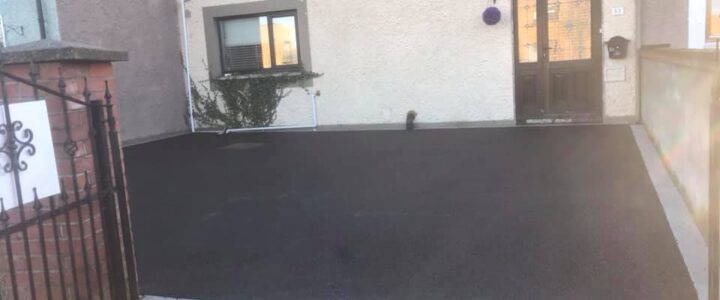
Tarmac driveway completed with silver granite border
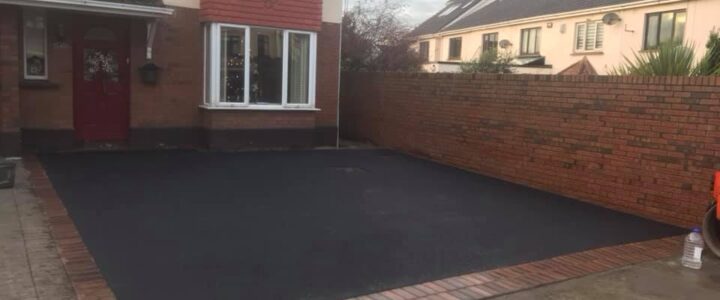
Tarmac driveway completed with rustic border