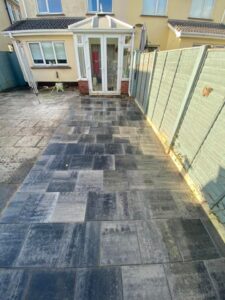
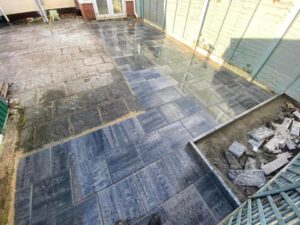
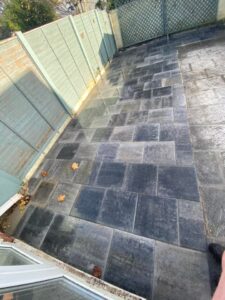
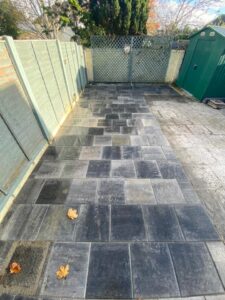
Paving patio completed in Dublin this week also 


Tarmac Driveways | Gravel Driveways | Driveway Paving Contractors Dublin
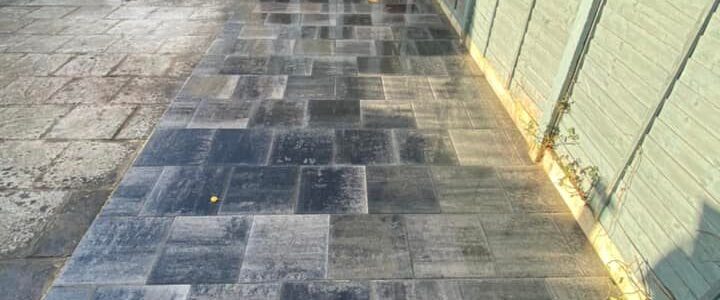
Paving patio completed in Dublin this week also
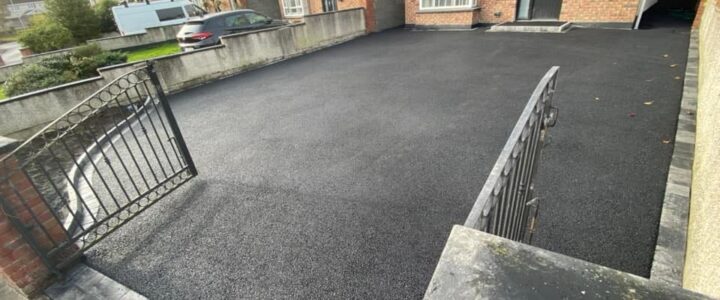
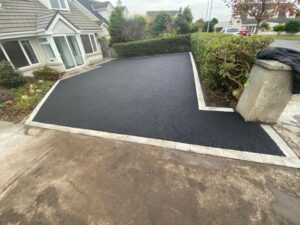
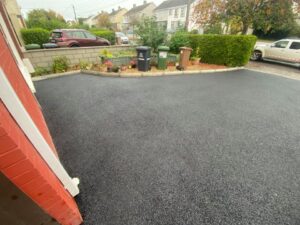
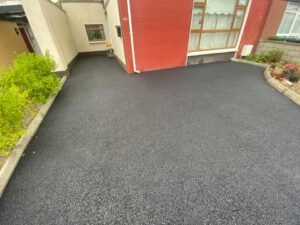
Tarmac driveway done in Ratoath county Meath with border looks great
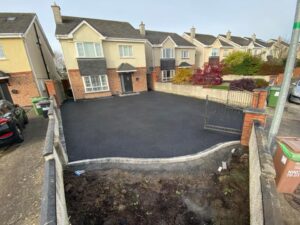
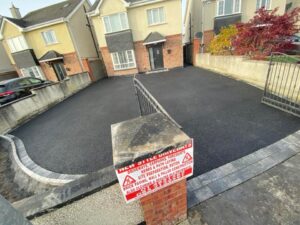
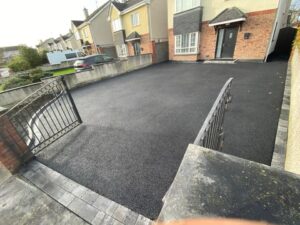


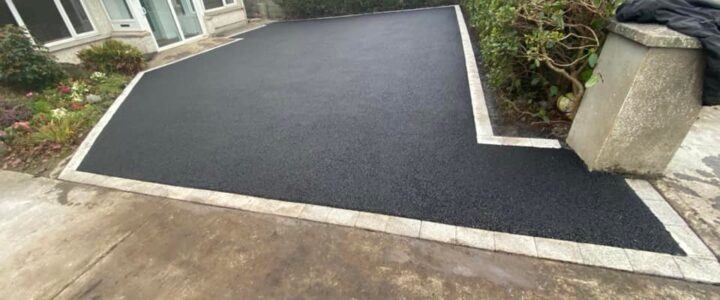
SMA Tarmacadam driveway completed in rush Dublin with granite border fully guaranteed
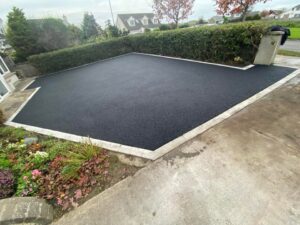
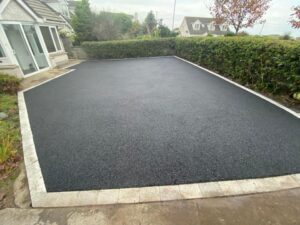
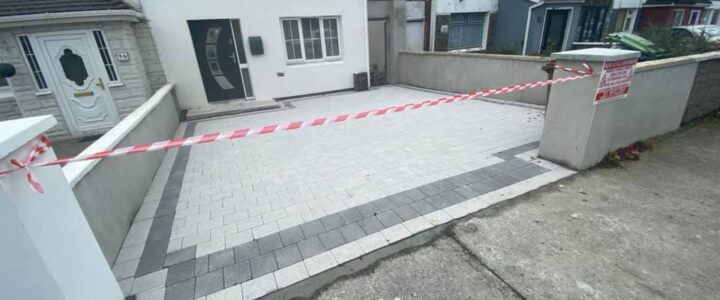
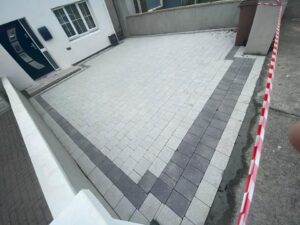
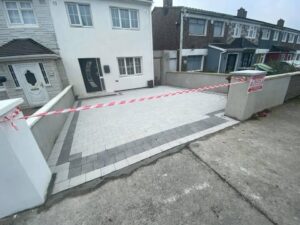
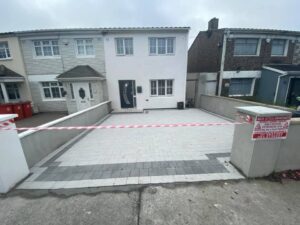
New paving driveway we did this week in finglas the customer went for the silver granite paving with black granite border looks great 
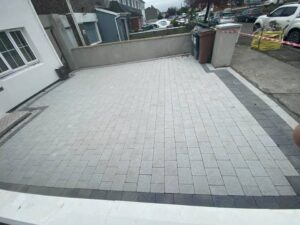

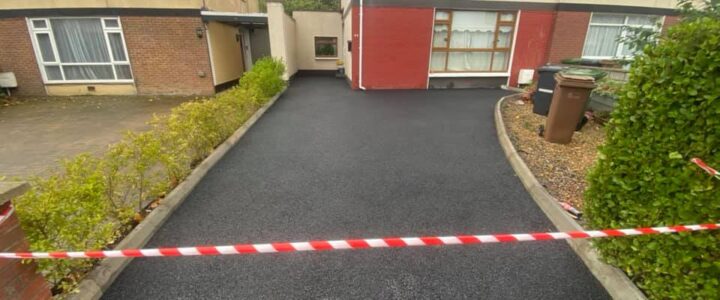
Tarmac driveway completed this week with concrete kerbing and sealed edge with bitumen another hard wearing job 
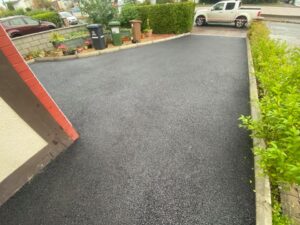
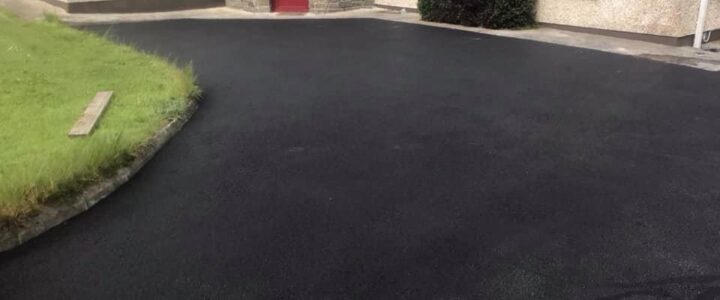
When it comes to driveway surfaces, tarmacadam or tarmac is one of the most popular choices in Ireland. This is not surprising as tarmacadam driveways are affordable yet durable.
The cost of a tarmac driveway in Dublin is just around €50 to €100 per square metre. This driveway can already last up to two decades.
Its ability to withstand extreme weather and heavy loads is undeniably one of the reasons for its longevity. But how it is installed also impacts the life span of a tarmac driveway.
While tarmac drives are hard-wearing, they are just like other drives in that they can get damaged. Moreover, they are not immune to wear and tear. So, they will naturally look worn over time.
The number one enemy of tarmac driveways is an oil spill. A few drops of gasoline, petrol or diesel won’t drastically affect it. However, it is a different story if the fuel leak happens repeatedly or if the spill involves a large amount of oil.
An oil spill can dissolve the tarmac, resulting in cracks and holes. Moreover, it can significantly weaken the base of the driveway.
Tarmac also degrades when exposed to ultraviolet light. It may hold up well to the scorching heat, but prolonged exposure to UV lights can cause the drive’s surface colour to fade.
Moreover, it softens and loosens the aggregate. When this happens, the driveway easily gets damaged. It loses its ability to withstand heavy weights.
Even weeds and grasses that are seemingly harmless can damage your tarmac drive. They can grow through the tarmac and cause cracks on the material.
Clearly, like all other types of driveways, those made of tarmac can develop cracks, potholes and other damages. Fortunately, these issues can be remedied easily as long as they are addressed early.
Furthermore, unlike those made of concrete, tarmac driveways are not expensive to repair. With concrete driveways, it is often costlier to fix them than to replace them.
To be clear:
After patching holes and cracks, your tarmac driveway will not look good as new. The patchworks will be evident, which can decrease your drive’s aesthetic appeal.
Don’t fret, though, as they will become less noticeable after several weeks or months. They will eventually meld with the surrounding surface due to the passage of time and the effects of weathering.
Another thing to keep in mind:
Repairing a tarmac driveway is not advisable if the damage is already severe. Hence, an inspection should be done first before taking any action.
When the foundation has deteriorated or the surface is in disrepair, a tarmac driveway replacement is the best option.
On the other hand, resurfacing is recommended when the foundation is still intact, but the surface is peppered with holes or cracks. This type of repair involves adding a brand new coating over the old layer.
But while fixing damages on a tarmac drive is easy, do not think that it is a job you should take on. Tarmac repairs should be entrusted to professionals and not amateurs.
Without the know-how and equipment, repairing a tarmac driveway can be a complex and tedious task. Many DIYers commit mistakes, resulting in sloppy repairs.
For example, they end up pouring the cold pour material or hot tarmac directly on top of the damaged area without cutting out the damaged part. This only temporarily hides the damage. In just a matter of days or weeks, you can expect the problem to resurface again.
These errors result in lost time and resources. In some cases, the mistakes exacerbate the problem, and the owners end up spending more to rectify them.
Tarmac specialists in Ireland know precisely what needs to be done. You can trust them to use the right materials and employ the best techniques. You can count on them to finish the job quickly but still deliver top-notch repair work that lasts many years.
Tarmac driveway repair costs vary depending on the issue or damage that needs to be fixed. But they are cheaper than replacing the drive.
In Dublin, resurfacing a tarmac driveway costs anywhere between €9 to €18 per square metre. For a 30-square-metre driveway, expect to spend around €2,800 to €5,300.
Remember, just like the cost of installing a new tarmac driveway, repair prices are affected by various factors such as the condition of the drive, location, season and materials. Hence, it can be challenging to come up with an accurate quote when these pertinent details are not available.
Need professional tarmacadam driveway repair services in Dublin? Call us now on 0852139591or leave us a message on our website to request a free quote.
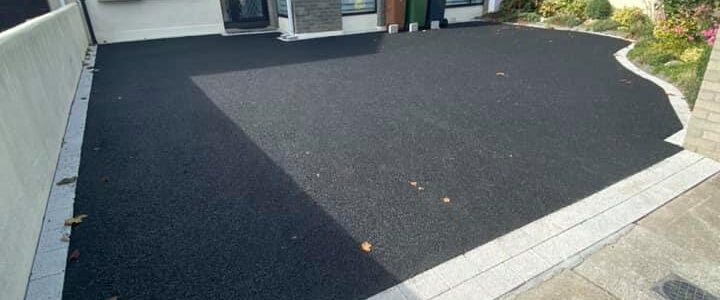
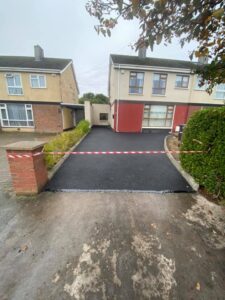
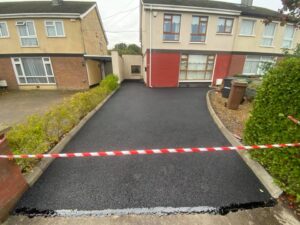
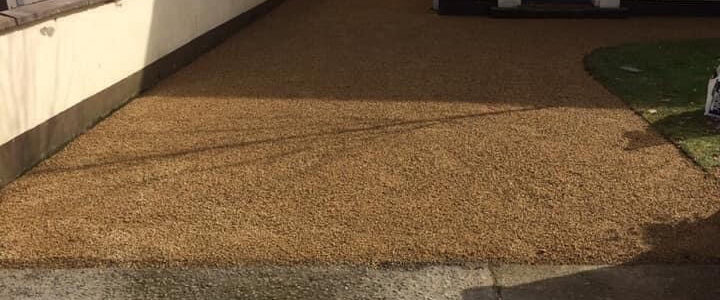
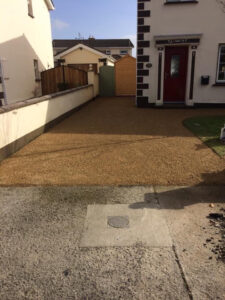
Tarmac driveway completed in north Dublin this week. Pm for a free quote 
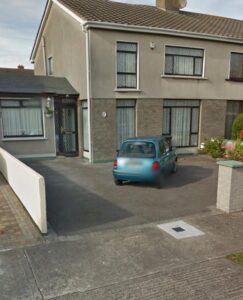

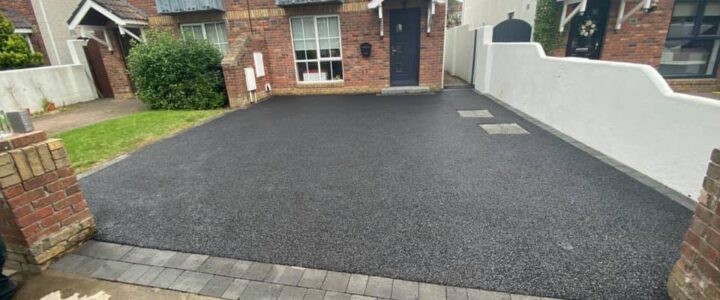
Different angles of a tarmac driveway we done in Lucan with charcoal border PM for a free quote.
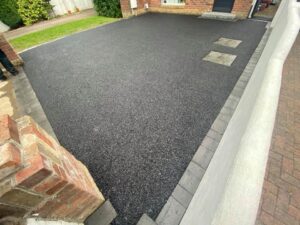
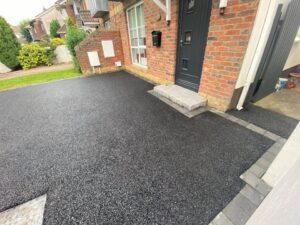
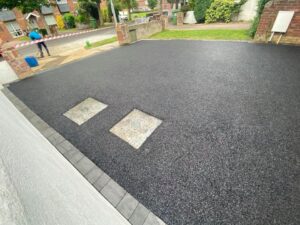
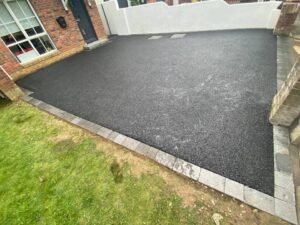
-Updated June 2023-
Are you looking to renovate your driveway in Dublin? Maybe you are looking at different material options and thinking, why are they so expensive? Luckily, there is an option that is durable, resilient, less expensive and looks great. Have you heard about a tar and chip driveway?
One of the most significant advantages of using tar and chip for your driveway is that it is quick to set up. This can be especially important if you have a home business. During your driveway installation, you can’t receive clients. The longer this takes, the more money you are losing. Hence, having your driveway installed quickly is saving you money.
The installation process is generally uncomplicated as the material can be applied directly on the surface without any preparation or digging. The secret is in the hot tar sprayed on the surface which is then covered by gravel.
The result looks similar to a gravel driveway with one major difference: it’s more stable. The loose stones used on a gravel driveway stay in place because of the friction between the rocks. But apply too much pressure or water, and they will be washed away.
The bottom layer of gravel or chipping in tar and chip driveways is glued to hot bitumen. Hence, it will retain its shape for much longer. Additionally, because of the loose upper gravel layer, your driveway will look more natural.
The ease of installation is not the only reason why you should go for this paving material. The minimal upkeep required for this kind of driveway is another thing you should consider. You don’t have to spend a lot of time and money to keep a tar and chip driveway pristine.
Lastly, a tar and chip driveway is a good option if you are budget-conscious. Installing and maintaining it is easy on the pocket.
The overall cost of any driveway is very hard to predict. It’s because the price varies depending on certain factors such as the type of material used. However, on average, tar and chip driveways cost around €25 per square metre.
One of the top factors that affect tar and chip driveway cost is size— basically, the longer or wider the drive you want to build, the higher your expense.
Some would argue that installing a tar and chip drive is slightly more expensive than other types. One reason for this is that several pieces of specialised equipment are needed to build this driveway.
Still, you will significantly spend less when you use tar and chip compared to other paving materials like tarmac and concrete.
Let’s take the case of a tarmac driveway which costs €50 per square metre on average. This means that you will save around €25 per square when you choose tar and chip over tarmac.
Aside from the size of the driveway, the amount of prep work needed can also affect the cost of a tar and chip drive. Again, you will spend more if the area requires a lot of work such as removing existing structures and plants.
How to Calculate the Cost of Tarmac Driveways in Ireland?
One of the biggest misconceptions about driveways in general, especially with gravel and tar and chip, is that anyone, even homeowners themselves, can install them. While installing a tar and chip is easy, it doesn’t mean you can or should do it yourself.
Installation still involves handling hot bitumen, properly managing and storing materials, and perfectly levelling your driveway. What often happens is that homeowners think they can do it themselves and end up unhappy with the result. Then you call professionals to fix it. In the end, the whole process costs you more money, time and unnecessary stress.
What you should do from the start is hire trusted contractors. With this decision, you ensure getting a pristine and durable driveway and, at the same time, avoid wasting time and money.
Looking for contractors in Dublin to install and maintain your tar and chip driveway? Simply give us a call at (01) 4851582 | 0852139591 or send us an email at info@newstyledriveways.com
Driveways are an essential part of any property, be it a house or a commercial building. They serve several important functions such as an entrance, access road and parking space, to name but a few. For these reasons, it is crucial to ensure that careful thought and proper execution are given to the construction of driveways.
One popular type of driveway you should consider getting is a gravel driveway. Gravel is a material that can help you achieve a beautiful and long-lasting driveway without breaking the bank.
If you decide to use gravel, you should know that this paving material has different types. The classification is primarily based on the size of the particles.
Before discussing the best gravel for a driveway in Dublin, let’s talk about how it is built.
Basically, a high-quality gravel driveway is constructed in layers. Normally, it is composed of at least three layers, and each layer is made up of stones of different sizes.
In case you didn’t know:
Gravel is a collection of loose or crushed rock fragments.
The bottommost part or the sub-based layer consists of large stones. The middle part, called the base layer, is made up of medium-sized stones. Lastly, the topmost layer, referred to as the surfacing layer, consists of small stones.
Why are stones of different sizes used per layer? This method of construction makes it possible to have a smooth transition from one layer to another and consequently, form a solid foundation. Using different sizes of stones on each layer also makes the driveway permeable, allowing water to seep through easily.
Now, let’s talk about the various types of gravel used on the surfacing layer. What you have to keep in mind is that the material you pick for this layer determines the appearance of your drive, specifically the colour and texture.
This option is a popular choice amongst property owners who want an elegant driveway. When the sunlight hits the chips, they glisten which adds a unique visual element to the drive.
Marble chips can hold their temperature better than the other options. As an added benefit, they can help keep your driveway cool.
The downside though is that using it for the surfacing layer may significantly increase the cost of your gravel driveway. Admittedly, this type of material is significantly more expensive than other types of gravel.
Composed of smooth, rounded and naturally weathered stones, pea gravel comes in different colours. For your driveway, you can opt for a single colour variation or a multicoloured one.
As it is available in an array of colours, this option makes it easier for you to complement the design of your property.
Since the stones that make up pea gravel are rounded, they do not lock together. Hence, when vehicles drive over them, they are more likely to move and even get displaced out of the driveway unless there is something that holds it in place like a border or edging.
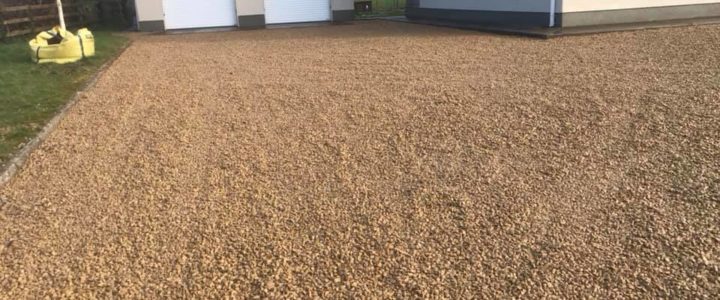
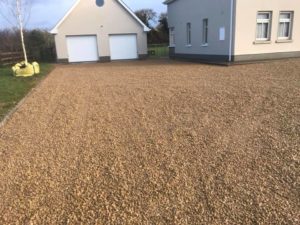
One of the widely used gravel driveway surfacing material in Dublin is Ballylusk chippings. Quarried in county Wicklow, this stone features a warm colour and firm texture. Its golden cream or yellowish hue can give your property that spark of colour it needs to stand out and turn heads.
In addition, it stays in place when driven over, so you would not have to worry about having displaced stones.
Also referred to as quarry process stone, this type of gravel is made up of smaller crushed stones and stone dust.
A distinct advantage of this combination of stones and stone dust is its ability to bond well together. In fact, the dust seeps into the gaps between the gravel and the compacts, resulting in a smooth and semisolid surface.
Using this type of gravel may require additional work though as you may need to crown your driveway. Completing this task is necessary to prevent rainwater from accumulating and minimise damage to the vehicle.
So, which type should you use for your driveway in your Dublin home? It largely depends on various factors such as the look you want to achieve and your budget. To make an informed decision, talk to a trusted paving contractor.
Are you looking for the best gravel for your driveway? We have experienced driveway pavers who can give expert advice and build high-quality drives. Visit our website now or call us on (01) 4851582 | 0852139591 to get a free quote!